
Brompton Commuter And Hybrid Tyres
Brompton commuter tyres operate in a sizing universe of their own, and getting it right matters more than you'd think. Every Brompton rolls on ETRTO 349 rims - a 16-inch format that shares nothing with the 305mm wheels found on kids' bikes or shopping trolleys. Mix them up and you'll be walking home. The small diameter amplifies every choice you make: rolling resistance hits harder, punctures feel more catastrophic, and sidewall flex becomes a real concern when you're folding and unfolding twice a day. You're balancing speed against durability, grip against weight, and all of it needs to survive the fold without catching on mudguards or bulging the package. Reflective sidewalls aren't optional when you're low to the ground in London traffic, and high-pressure inflation - often north of 80 PSI - is non-negotiable if you want to avoid that sluggish, draggy feel that plagues under-inflated small wheels. Whether you're chasing a fast commute or simply want to stop fixing flats every fortnight, the rubber you choose defines the ride.
Prices and availability can change quickly. Delivery charges are not always included in listed prices.
Final price, stock status and delivery terms are set by retailer. We may receive a commission on purchases made.
Decoding ETRTO 349: The Brompton Standard
ETRTO 349 is the bead seat diameter that defines every Brompton wheel, and it's crucial you understand the distinction. Standard 16-inch wheels - the kind you'll find on children's bikes or some recumbents - measure 305mm at the bead seat. That 44mm difference means a 305mm tyre will never seat properly on a 349 rim, and vice versa. The bead wire simply won't lock into place, leaving you with a dangerous, wobbly mess or an impossibly tight fit that damages the rim. When you're hunting for Brompton replacement tyres, always verify the ETRTO marking on the sidewall. It's the only sizing standard that matters. Ignore the vague "16-inch" label; it's meaningless without the ETRTO number. This isn't a Brompton quirk - it's an ISO standard that ensures rim and tyre compatibility across brands. Schwalbe, Continental, and other manufacturers all produce 349-specific rubber, but you'll still find plenty of shops stocking the wrong size. Double-check before you buy.
The smaller diameter also changes how the tyre behaves. You're running a shorter contact patch, which means less rubber on the road at any given moment. That's why high pressure inflation - typically 60 to 100 PSI depending on rider weight and tyre width - is essential. Under-inflate and rolling resistance skyrockets, turning every pedal stroke into a slog. Over-inflate and you'll feel every crack in the tarmac, plus risk a harsh ride that fatigues you faster on longer commutes.
Marathon vs. Contact Urban: Choosing Your Rubber
Two tyres dominate the Brompton conversation: the Schwalbe Marathon range and the Continental Contact Urban. Both are built for ETRTO 349, but they take different routes to get you there. The Marathon - and its burlier sibling, the Marathon Plus - leans hard into puncture protection. The Plus variant packs a 5mm SmartGuard layer, a thick belt of flexible rubber that stops glass, thorns, and the usual urban debris cold. It's the industry standard for Brompton durability, the tyre you fit and forget. Weight penalty? Absolutely. The Plus tips the scales around 100g heavier per tyre than lighter alternatives, and you'll feel that rotational mass on the first few pedal strokes. Rolling resistance is higher too, thanks to the harder compound and thicker casing. TPI - threads per inch - sits around 67 on the Marathon, which is robust but not supple. You're trading a bit of speed for the confidence that you won't be folding your bike on a kerb to patch a tube in the rain.
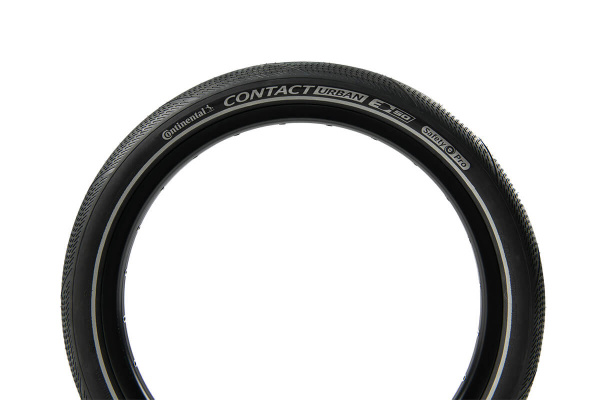
The Continental Contact Urban flips that script. It's lighter, more supple (higher TPI), and uses a compound that grips better in the wet without feeling draggy. Continental's SafetySystem puncture belt is thinner than SmartGuard but still effective for most commuters. If your route is relatively clean and you value a lively, responsive feel, the Contact Urban delivers. It's the modern rival, balancing grip and rolling resistance in a way the Marathon can't quite match. You'll notice the difference on longer rides - less fatigue, smoother acceleration - but you'll also patch the odd flat that the Marathon Plus would have shrugged off. Michelin and Panaracer also offer 349 options, though availability in the UK can be patchy.
Folding bead versus wired? Matters more on a Brompton than most bikes. A folding bead tyre (Kevlar or aramid) can be packed as a spare in your bag, which is handy if you're touring or commuting long distances. Wired bead tyres are cheaper and often a touch more durable, but they won't collapse small enough to carry easily. If you're the sort who likes a backup plan, folding wins.
Seasonal Grip and Wet Weather Performance
Tread pattern on a Brompton tyre isn't about mud-shedding - it's about water displacement on greasy tarmac and painted road markings. The Marathon's shallow, linear grooves are adequate but not inspiring; they're designed to last forever rather than claw at wet surfaces. The Contact Urban's compound and tread geometry give you more bite when the roads are slick, which matters when you're leaning into a roundabout on a damp November morning. Rubber compounds stiffen in the cold, and that's doubly true for harder, puncture-resistant formulations. If you're riding through a British winter, expect a Marathon Plus to feel wooden below 5°C. Dropping your pressure by 5-10 PSI can help restore some compliance and grip, though you'll sacrifice a bit of speed.
Reflective sidewalls are non-negotiable for commuter visibility. You're low to the ground on a Brompton, and drivers often scan at car-height. A spinning reflective stripe catches headlights far better than a static rear light, especially in urban clutter. Both the Marathon and Contact Urban offer reflective options - check the sidewall spec before you buy. Some riders run slightly lower pressures in winter to increase the contact patch and improve grip, but be cautious: pinch flats become more likely, especially if you're hitting potholes or kerbs. Heavier riders should stay closer to the upper pressure limit regardless of season.
The Fold: Clearance and Sidewall Integrity
Tyre width directly affects how neatly your Brompton folds. The standard fitment is usually 35mm to 40mm, and that's the sweet spot for mudguard clearance and package compactness. Go wider - say, 44mm or 47mm - and you risk rubbing against the mudguards, especially if they're slightly out of true or you've fitted aftermarket guards. The fold itself puts lateral stress on the sidewalls as the frame hinges collapse; a tyre with weak sidewalls or thin casing can develop creases or bulges over time, particularly if you're folding and unfolding multiple times a day. The Marathon's reinforced sidewalls handle this abuse better than lighter, race-oriented rubber. It's one reason the Marathon remains the default choice for daily commuters who fold at both ends of the journey.
Mudguard clearance isn't just about width - it's about tyre profile too. A rounder tyre (common on narrower widths) tucks in more neatly than a square-shouldered one. If you've upgraded to wider tyres and notice the fold feels tighter or the guards rattle, you've likely exceeded the frame's tolerance. Rolling the bike folded - say, through a train carriage or office corridor - also puts sidewall stress on the tyres, so robust construction pays dividends. Pair your tyres with quality Brompton pedals and a comfortable saddle to complete the setup, and don't forget a solid lock for peace of mind when you park up.
Bead seating can be tricky on 349 rims, especially with tight-fitting tyres like the Marathon Plus. A track pump with a burst function helps snap the bead into place; hand pumps rarely generate enough volume fast enough. Check the bead is seated evenly all the way around before you inflate to full pressure, or you'll end up with a lumpy, unsafe ride. Some riders run tubeless on Brompton wheels, but it's niche - most stick with tubes and high-pressure inflation to keep things simple and reliable.