
Brompton Locks
Brompton bike locks occupy a genuinely awkward design brief: the bike is compact, desirable, and expensive, so the lock needs to be serious enough to deter a determined thief yet light and small enough not to wreck the whole point of carrying a folding bike in the first place. Bromptons are among the most stolen folding bikes in UK cities - a fact worth sitting with before you reach for a flimsy cable lock. The right lock here isn't just a security decision, it's a compatibility one. You need something that works with the bike's iconic three-part fold, whether that means mounting cleanly to the main tube, slotting into a front luggage block, or simply being compact enough to drop into a bag without adding a painful lump to your commute. Sold Secure Gold or Diamond ratings matter here too - most UK insurers require them, and they're a reliable shorthand for resistance against the angle grinders and bolt croppers that London, Manchester, and Bristol bike thieves actually use. The options range from collaborative folding locks designed around Brompton's own tube dimensions to compact D-locks and chain locks, each with real trade-offs in weight, reach, and carrying convenience.
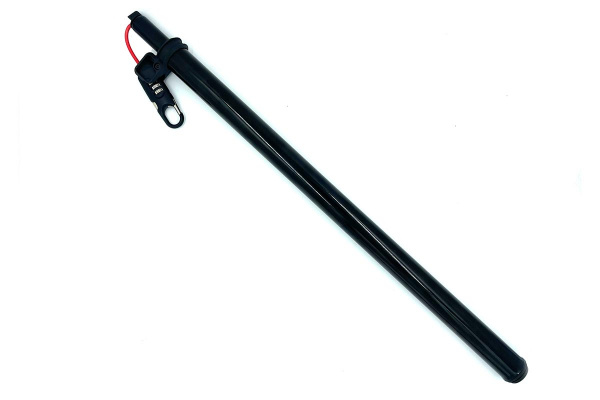
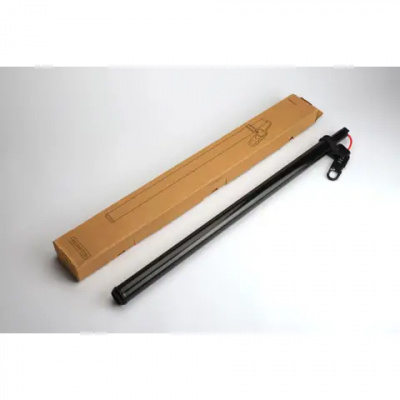
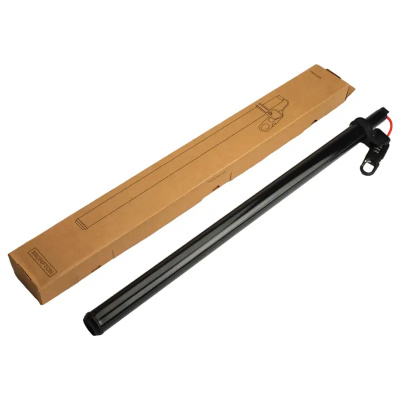
Prices and availability can change quickly. Delivery charges are not always included in listed prices.
Final price, stock status and delivery terms are set by retailer. We may receive a commission on purchases made.
Compatibility and Standards: Getting the Lock Right for the Fold
The first thing to get straight is that not every lock suits a Brompton. The folding mechanism is precise - clearances are tight, and anything that snags a pivot point or lever during the fold is going to make your commute miserable fast. That's why Brompton-specific frame mounts are designed explicitly to avoid interfering with the proprietary three-part fold, positioning the lock on the main top tube in a way that clears every moving part. If you're buying an aftermarket lock, check the mount carefully before you assume it'll work.
Practically speaking, you've got two carrying options: mount the lock directly to the frame, or carry it in a Brompton front carrier bag. Many riders prefer the bag route - it keeps the frame completely uncluttered and avoids any risk of rattle or paint scuffing from a bracket that's worked loose over cobblestones. The Brompton folding bike range is built around that luggage block system, and a compact folding lock fits neatly inside most front bags without taking over the space you need for a laptop or rain jacket.
On security ratings: Sold Secure Gold is the realistic minimum for UK urban use, and Diamond standard is worth chasing if your bike lives outside regularly or you're in a high-theft area. Most UK insurers specify one or the other as a condition of cover, so check your policy before you buy. Shackle thickness also dictates what you can actually lock to - a shorter shackle gives you less flexibility but more resistance to leverage attacks, while a longer one reaches a Sheffield stand more easily. Standard UK Sheffield stands are roughly 600 - 700mm wide, so a mid-length shackle on a D-lock or a fully extended folding lock should cover most street furniture without drama.
Chains, Folding Locks, and D-Locks: Picking Your Trade-Off
There's no single right answer here - it depends on how far you carry the bike, how long you leave it, and how paranoid you feel locking up in your city. Worth being honest about all three.
Folding locks are the most natural fit for a Brompton. Collaborative lock designs, often developed with Abus, are tailored to Brompton's main tube dimensions - they mount flush, fold into a tidy package, and don't add much bulk. The reach is limited compared to a chain, but for a Sheffield stand or a bike rack, it's usually sufficient. Abus locks in particular cover a wide folding lock range with strong Sold Secure credentials, and several models cross over well into Brompton use. The trade-off: folding locks have more articulated joints than a D-lock, which means more potential attack points, though top-rated models mitigate this with hardened steel links.
D-locks offer the best security-to-weight ratio of any lock type. A compact D-lock at Sold Secure Gold or Diamond sits lighter than most chain locks and resists cutting and leverage attacks well. The downside on a Brompton is carrying it - frame mounting a D-lock can work, but the geometry is less elegant than a folding lock, and a poorly positioned shackle can foul the fold. Some riders just drop it in a bag and accept the weight. If you're locking up for longer periods or overnight, a D-lock from Kryptonite or a high-rated Abus model is hard to argue against on pure security grounds.
Chain locks give you the most flexibility - you can loop through awkward railings, benches, or posts that a rigid lock can't reach. That flexibility costs you in weight, though. A serious anti-theft chain heavy enough to be meaningful adds noticeable mass, which cuts against the Brompton's core appeal. If you do go chain, look at Hiplok or Litelok for options that balance protection with weight more thoughtfully than traditional chain-and-padlock setups. Compact folding lock geometry designed to fit inside Brompton front luggage blocks means most riders ultimately land there rather than on a chain - it's the most seamless integration with how the bike is actually used day to day.
One practical note: wherever possible, fold the bike before locking it. A folded Brompton is a smaller, more awkward shape for a thief to manoeuvre, and locking through both the main frame and the rear triangle - even when folded - removes the easy option of simply wheeling it away on two wheels.
UK Weather and Cylinder Care: Don't Let the Lock Seize
UK winters are specifically unkind to lock cylinders. Road grit, salt spray, and persistent damp work their way into the keyway and, left unchecked, will seize a cylinder solid - usually at the worst possible moment. This isn't a minor inconvenience on a Brompton; it's a commute stopper.
The fix is simple but specific: don't use wet chain lube in the keyway. It attracts grit like a magnet and gums up the mechanism. Graphite powder is the right tool - it lubricates without creating a sticky residue - or a PTFE-based lock spray applied sparingly every few months. A quick squirt before winter sets in, and again mid-season if you're riding daily, will keep the cylinder turning cleanly.
Check the rubberised coating on your shackle or chain links periodically too. These coatings do two jobs: they slow corrosion on the steel underneath, and they protect the Brompton's paintwork from contact scratches. Once the rubber starts cracking or wearing thin at contact points, you're getting metal on frame - and Brompton paint, while durable, doesn't enjoy that. A worn coating doesn't mean you need a new lock immediately, but it's worth monitoring, particularly on folding locks where the links flex against the frame every time you mount or remove them. Pair your lock with Brompton lights and mudguards and you've covered the core commuter kit without fuss.
Brompton Locks FAQs
How do you lock a Brompton bike securely?
Thread the lock through the main frame tube and the rear triangle, then around a solid fixed object - a Sheffield stand is ideal. Folding the bike first makes it a more awkward shape to move and removes the option of simply rolling it away. Avoid locking to anything that can be lifted over, like a low post or thin railing.
What is the best lock for a Brompton?
A Sold Secure Gold or Diamond folding lock is the most practical choice for most Brompton riders - it mounts cleanly to the main tube without disrupting the fold and stows neatly in a front bag. If you're leaving the bike for extended periods in a high-risk area, a compact D-lock offers a better pure security-to-weight ratio, though it's less elegant to carry.
Can you mount a lock on a Brompton frame?
Yes, but placement matters. Brompton-specific frame mounts are engineered to clear the folding mechanism entirely - generic mounts may not. A compact folding lock strapped to the main top tube is the most common setup. Many riders skip the frame mount altogether and carry the lock in a Brompton front luggage bag, which keeps the frame clean and avoids any rattle on rough roads.