
Brompton Folding Bikes
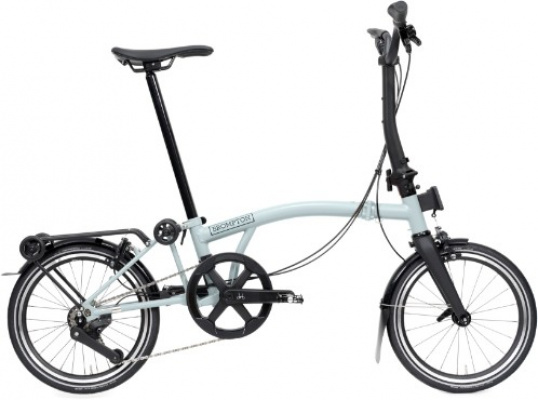
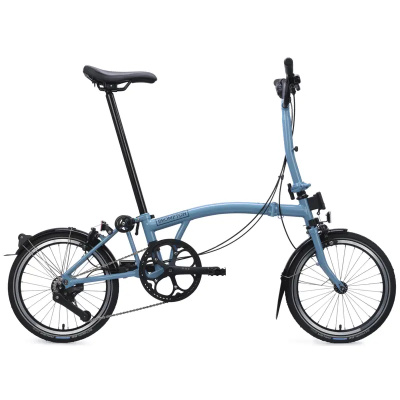
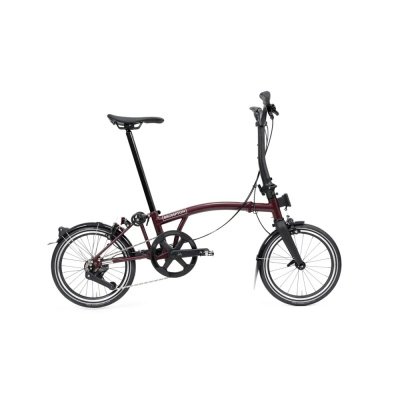
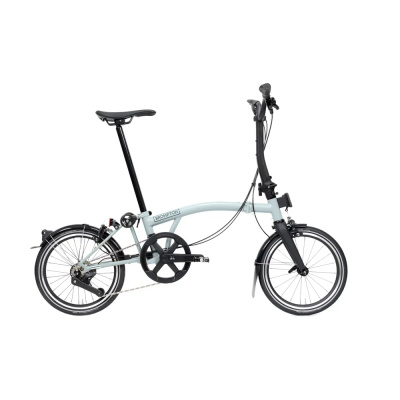
Brompton folding bikes have done more to reshape UK city commuting than any other single product in cycling - and it's not hard to see why. Hand-brazed in London, each Brompton folds down via its iconic tri-fold mechanism in under 20 seconds, turning a genuinely capable urban bike into a compact package you can carry onto the Tube, tuck under your desk, or prop in the corner of the pub without a second thought. That matters in the UK, where peak-hour rail restrictions make full-size bikes a liability and street theft makes leaving anything outside a gamble.
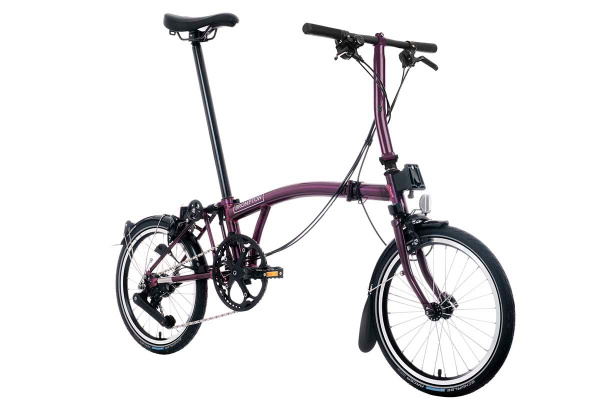
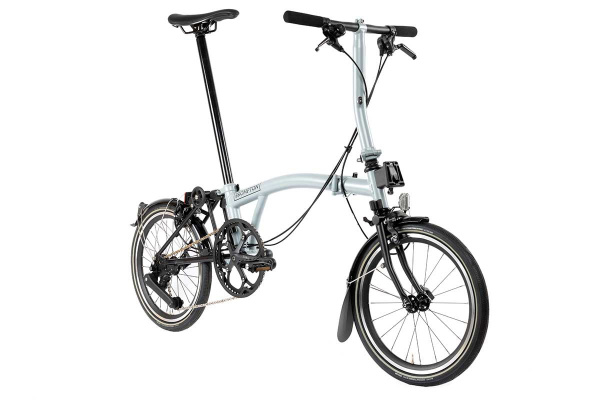
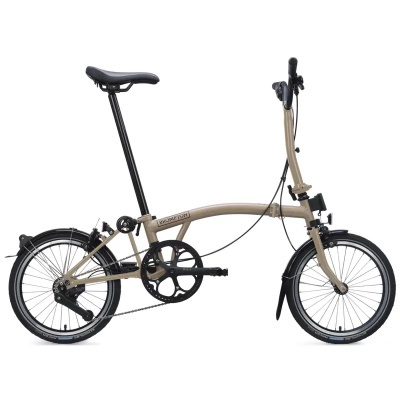
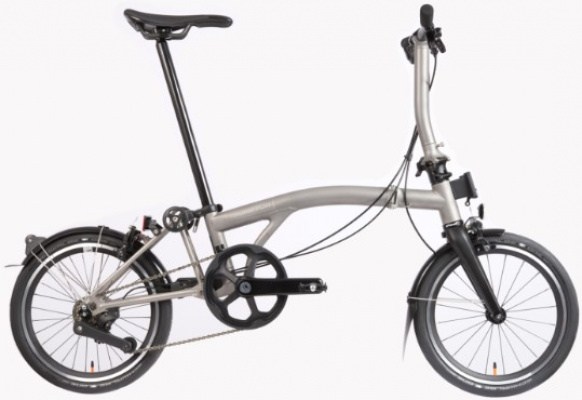
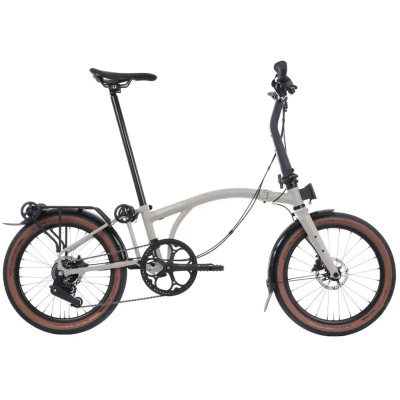
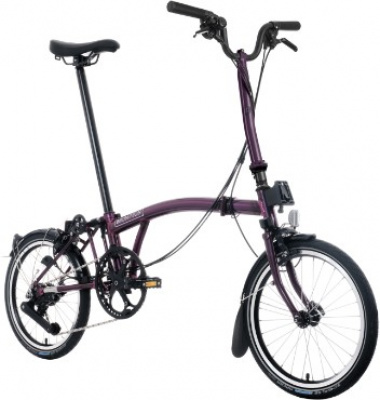
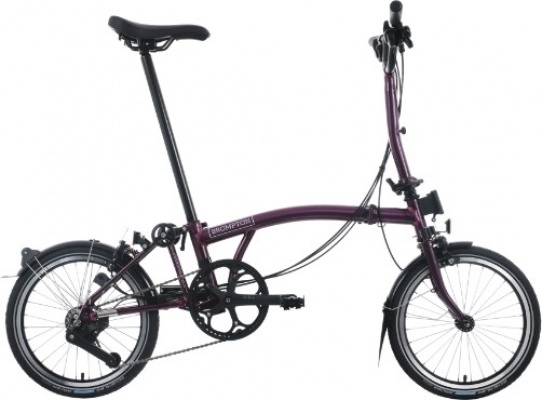
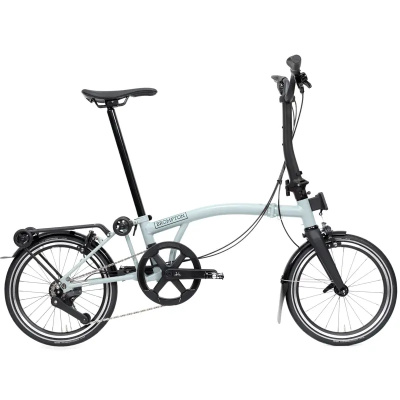
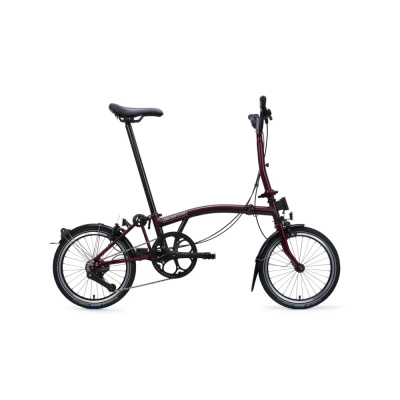
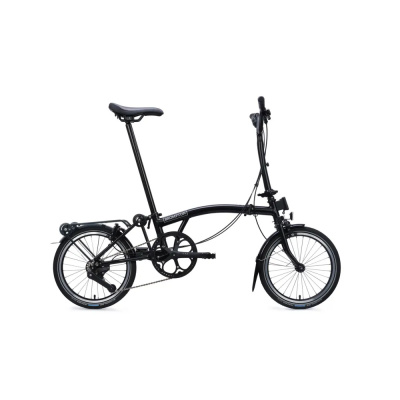
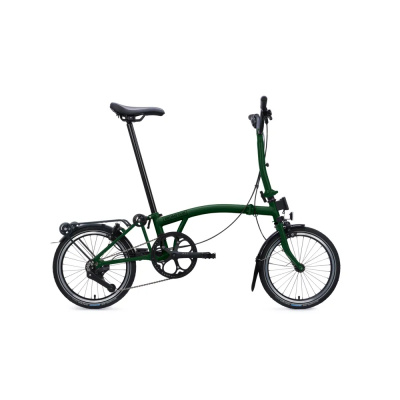
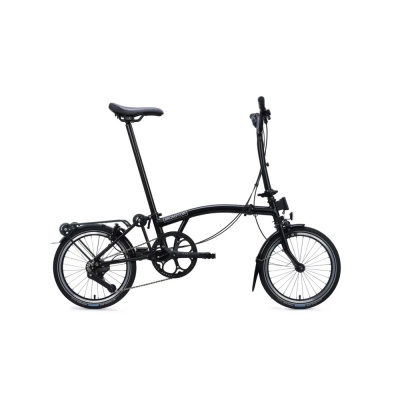
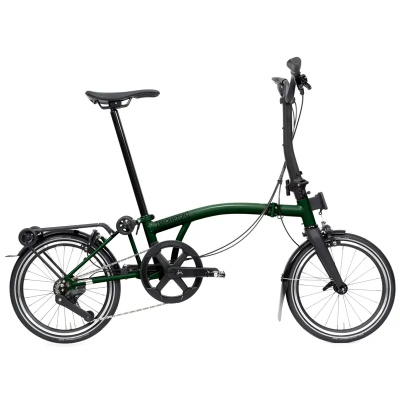
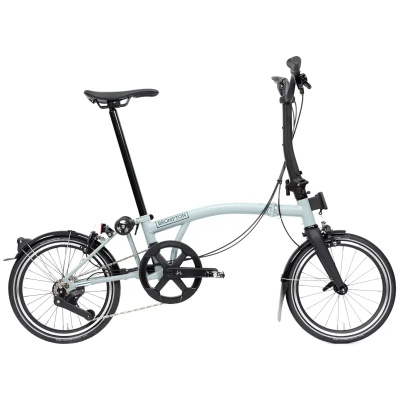
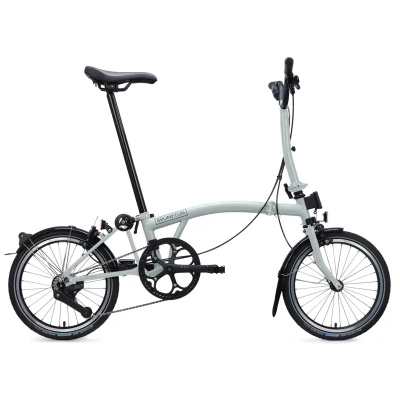
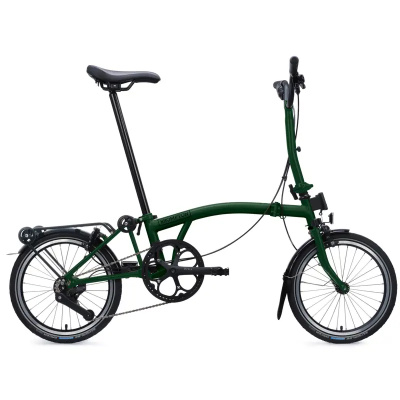
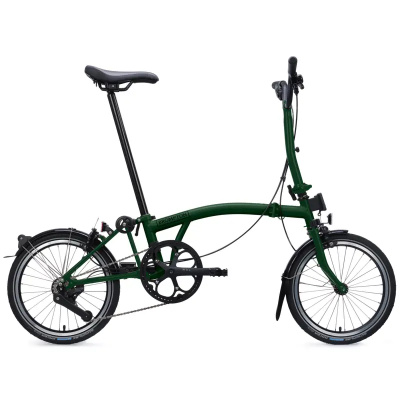
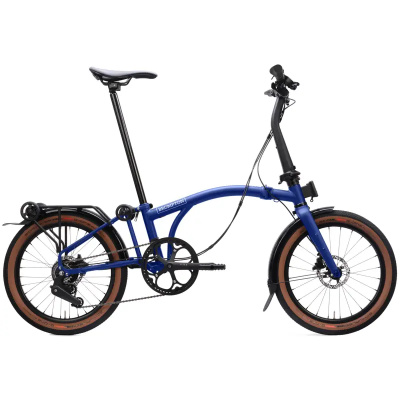
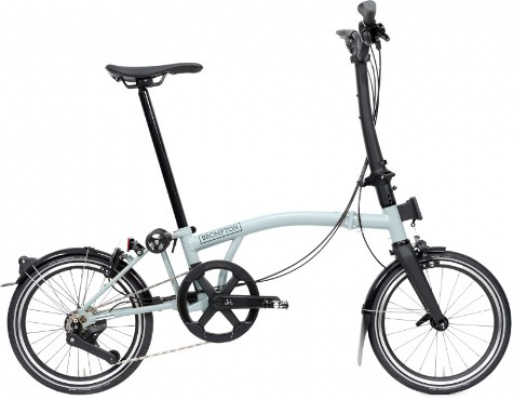
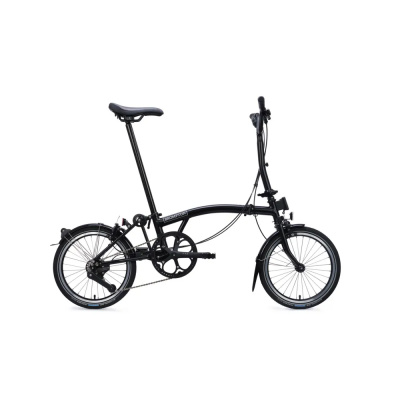
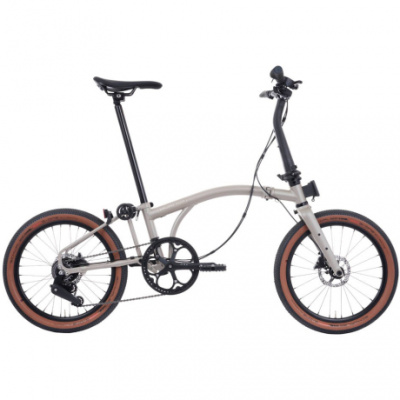
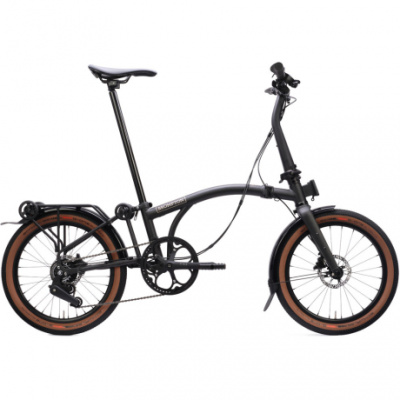
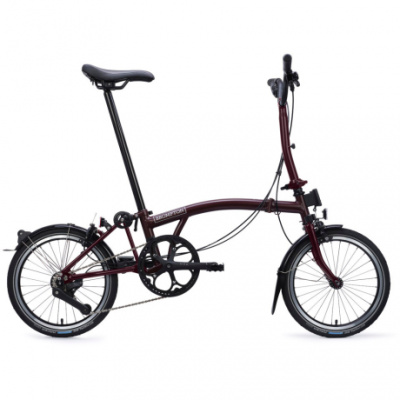
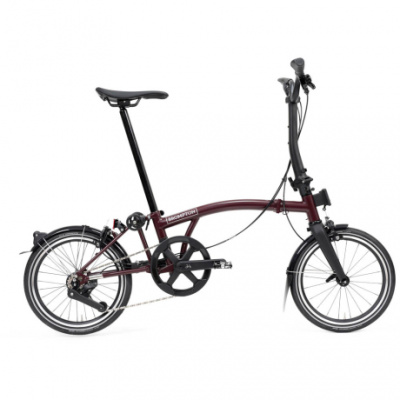
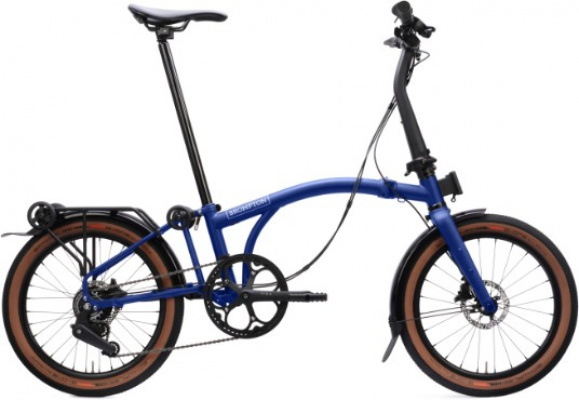
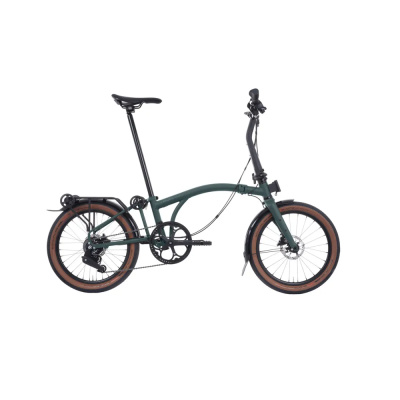
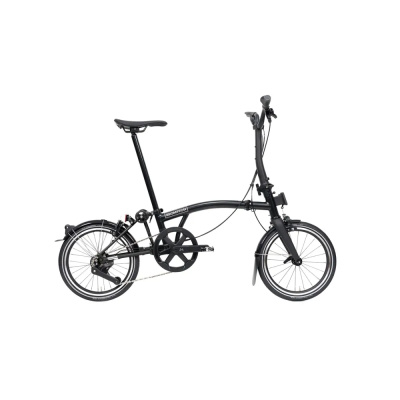
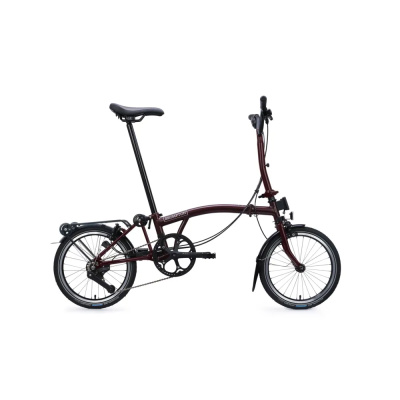
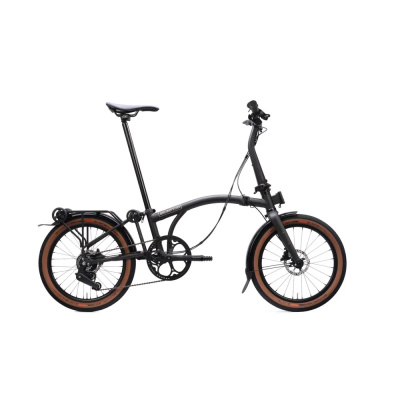
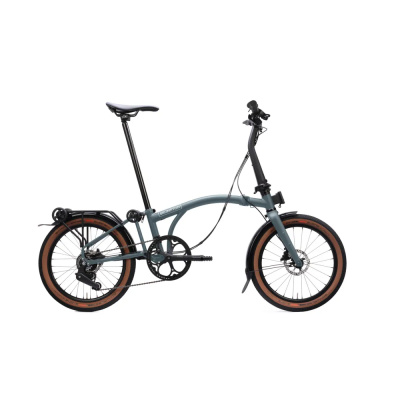
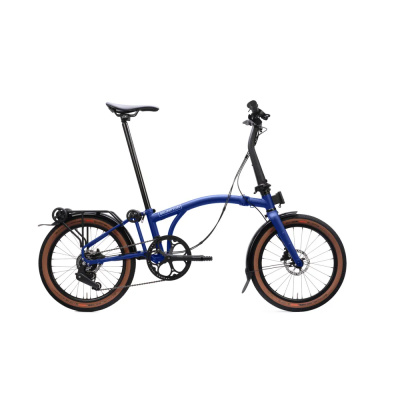
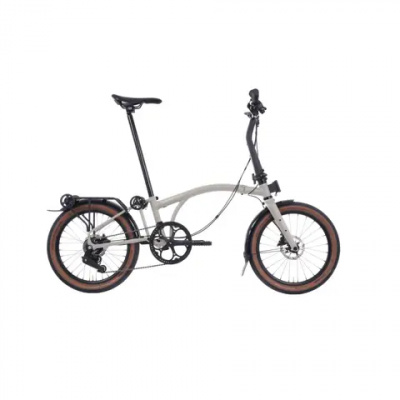
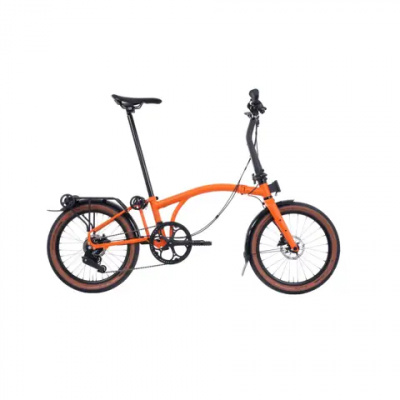
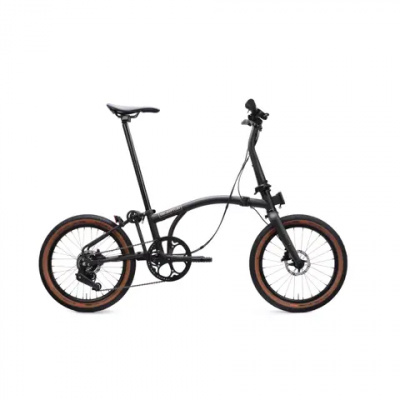
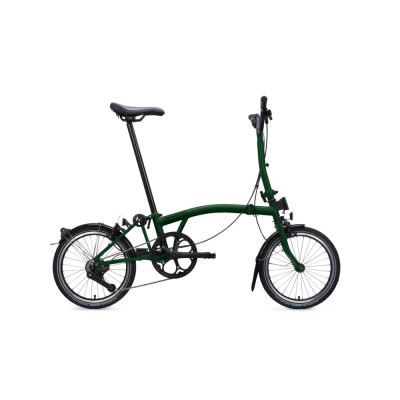
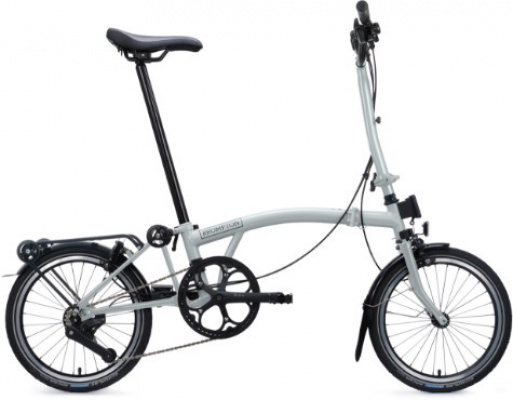
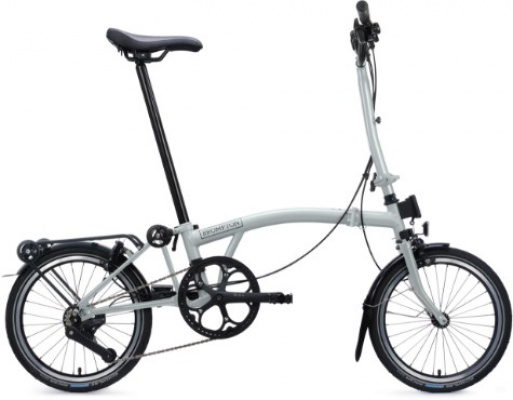
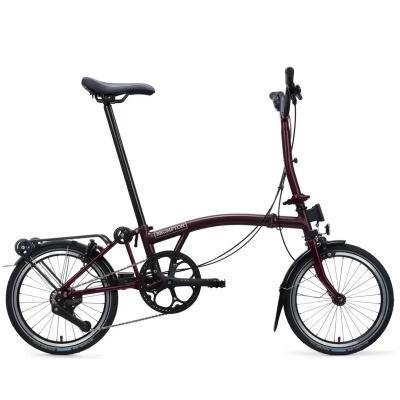
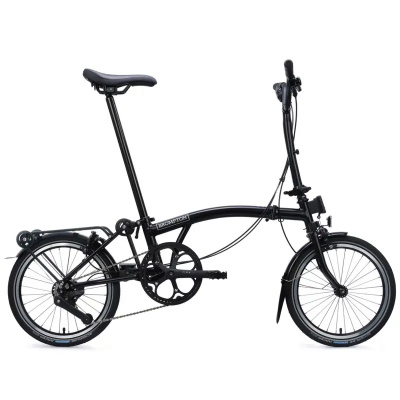
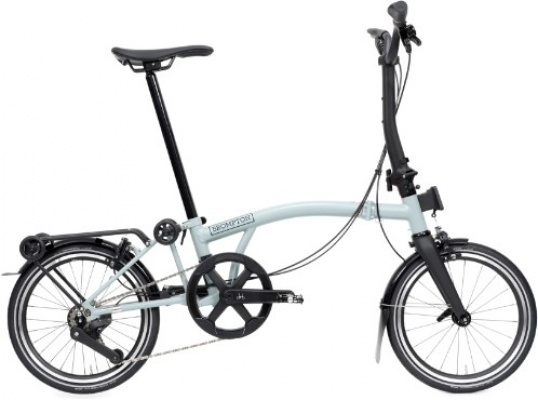
The range covers real ground. The C Line is the classic all-steel workhorse - heavier, but tough as old boots and easier on the wallet. Step up to the P Line and you get a titanium rear triangle and fork that sheds nearly 2kg without compromising the ride. Then there's the T Line, a full-titanium machine that comes in at a remarkable 7.95kg. All three roll on 16-inch wheels, which spin up fast at traffic lights and keep the folded footprint genuinely small. If you're weighing up which line suits your commute, or wondering whether the Brompton Electric variants make sense for your route, you're in the right place.
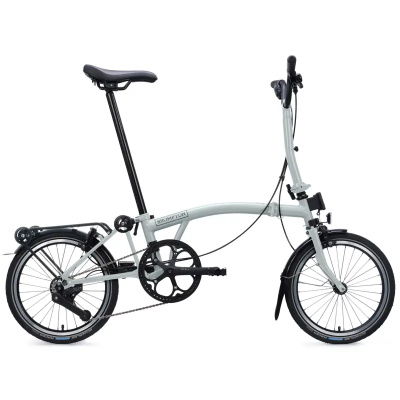
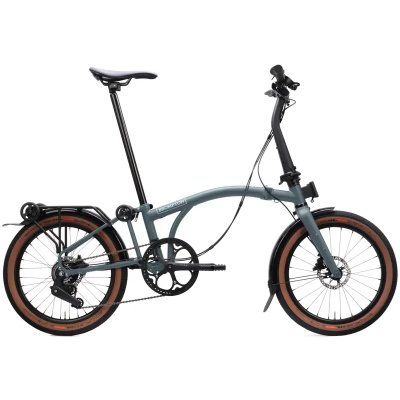
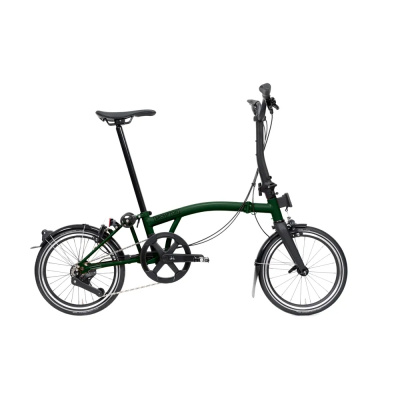
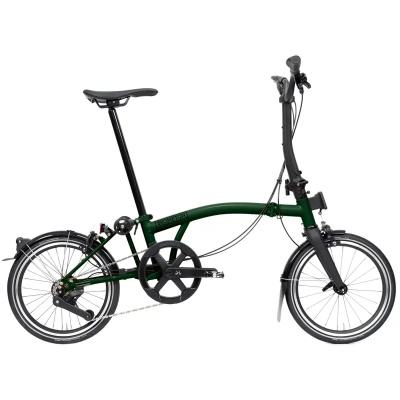
Prices and availability can change quickly. Delivery charges are not always included in listed prices.
Final price, stock status and delivery terms are set by retailer. We may receive a commission on purchases made.
Decoding the Brompton Folding Bike Lineup
Brompton's naming is tidier than it used to be. The C Line is the entry point - a chromoly steel frame throughout, built to last and absorb years of daily use without complaint. It's heavier than its siblings, typically landing around 11 - 12kg, but that steel construction gives it a forgiving ride on potholed city streets that no aluminium folder quite matches. The P Line sits in the middle: same fundamental geometry, but with a titanium rear triangle and titanium front fork. The result is a bike that's noticeably lighter and equipped with a smoother-shifting drivetrain. If you're carrying your Brompton up stairs every morning, that weight difference is something you'll feel by Thursday.
At the top sits the T Line. Full titanium frame, a stripped-back build, and a claimed weight of 7.95kg - which is light enough to make seasoned cyclists do a double-take. It's a serious piece of engineering, and priced accordingly. Within each line, gearing breaks down into three trims: Urban (2-speed, simple and low-maintenance), Utility (3-speed hub gear, the commuter default), and Explore (6-speed, using the Brompton 4-speed Advance Derailleur system combined with a 2-speed hub for the widest range). The Explore trim is worth considering if your commute involves any meaningful hills - think anything north of central London or across a city like Bristol or Edinburgh. Brompton Electric variants bolt a front hub motor onto P Line or C Line frames; for Brompton e-bike batteries and display components, we've got dedicated pages covering those in full.
The Engineering Behind the Fold
The tri-fold mechanism is the thing that makes a Brompton a Brompton. Fold the rear triangle forward, drop the handlebars, and the whole bike collapses into a neat bundle where the drivetrain ends up sandwiched between the two wheels. That's deliberate - your chain, cassette, and derailleur are protected from contact with clothing or bags. It's a genuinely clever piece of packaging that competitors have tried to replicate without quite nailing the execution. Tern folding bikes offer more gears and larger wheels, and Estarli folding bikes bring an electric-first approach, but neither matches the Brompton's folded compactness or its integration as a luggage-legal item on UK rail.
The 16-inch wheels are smaller than most cyclists are used to, but they're not a compromise - they're a deliberate choice. Smaller diameter means faster rotational inertia, so the bike accelerates hard off the line, which is exactly what you want in stop-start city traffic. Steering is quick and direct. It takes a ride or two to recalibrate if you're coming from a full-size road bike, but most riders adapt within a week. The Front Carrier Block (FCB) deserves a mention here: it's a proprietary mounting point on the head tube that lets you clip luggage on and off in seconds without it affecting the steering. It's one of those features that sounds minor until you've used it daily. For bags and carrying solutions that work with the FCB, our Brompton messenger bags, bar bags, and baskets pages cover the full range of compatible options.
Daily UK Use - What Nobody Tells You Up Front
Sizing on a Brompton works differently to a standard bike. There's no frame size as such - instead, you choose a seatpost length: Standard, Extended, or Telescopic. Get this right and the bike fits well; get it wrong and you'll either be cramped or perched awkwardly. Most bike shops will measure you properly before you buy, and it's worth the five minutes. The handlebar height is fixed per model, so taller riders should pay attention to both the bar position and the post length together.
British winters will test any bike, and the Brompton's hinge clamps are a specific maintenance point worth knowing about. Grit and moisture work their way into the fold points over a wet season, and if you let them go unchecked, you'll start to get creaking under load - a sound that's more annoying than damaging but easy to prevent. Keep the clamps clean and apply a light grease every few months. It takes ten minutes and saves a lot of irritation on a dark February morning. Replacement clamps are available if yours become worn or damaged.
On the subject of British weather: integrated mudguards aren't optional here. The standard Brompton fits them as part of the package on most builds, and they're genuinely effective. If you're running a stripped-back model without them, or if your guards need replacing after a few seasons of commuting, the Brompton mudguards page has what you need. Running without them in the UK means arriving everywhere with a grey stripe up your back - ask anyone who's tried it. If you travel regularly and want to fly with your bike, Brompton flight bags are purpose-made for the fold dimensions and worth a look before you head to the airport. Budget alternatives like BTwin folding bikes or MiRider folding bikes are worth a glance if the Brompton price point gives you pause, though they don't match it on fold quality or resale value.
Brompton Folding Bikes FAQs
Are Brompton bikes worth the money?
For most UK commuters, yes. Bromptons hold their resale value better than almost any other bike in this category, and the hand-brazed chromoly steel construction means a well-maintained example can run for decades. Factor in what you'd spend on Zone 1 - 2 Travelcards or daily parking fees, and the maths often swings clearly in the Brompton's favour.
What is the difference between Brompton C Line and P Line?
The C Line uses a full chromoly steel frame - durable, compliant, and heavier at around 11 - 12kg. The P Line swaps in a titanium rear triangle and titanium front fork, cutting close to 2kg and pairing that lighter build with a more refined derailleur system. If you're carrying the bike daily, that weight difference becomes very real, very quickly.
Can you take a Brompton on a train in the UK?
Yes, without restriction. A folded Brompton is classified as luggage rather than a bicycle, so it's permitted on all National Rail services and the London Underground - including during peak hours when full-size bikes are banned. It fits in overhead racks, luggage spaces, or simply between your feet on a busy commuter service.