
Panaracer Commuter And Hybrid Tyres
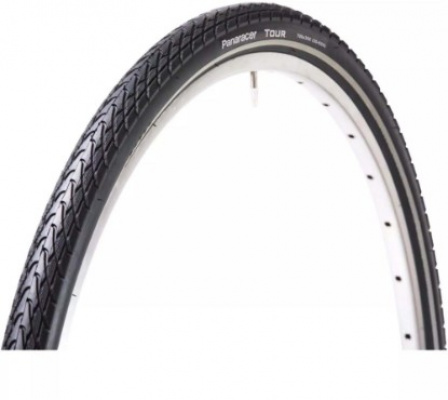
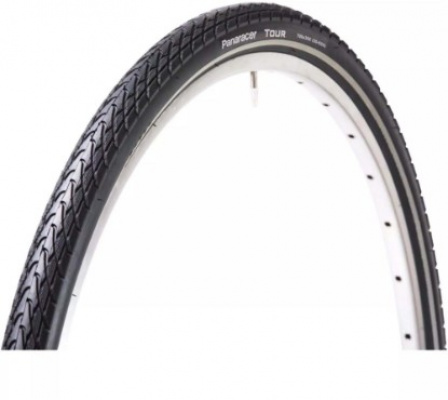
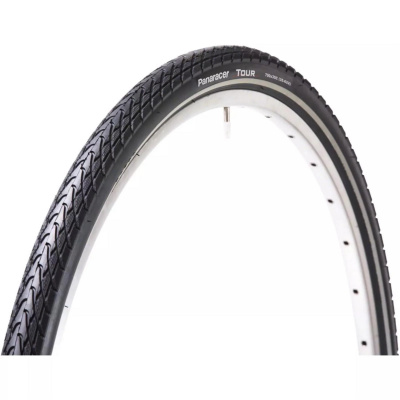
Panaracer commuter and hybrid tyres have quietly built one of the most dependable reputations in urban cycling - and if you've ever had a rear flat on a rain-soaked Tuesday morning with a work meeting in 20 minutes, you'll understand why that matters. Made in Japan with an eye for precision, Panaracer's road and hybrid lineup is engineered around a clear priority: keep you rolling, whatever the cycle lane throws at you.
UK roads are genuinely hostile to tyres. Flint shards on shared paths, broken glass in the gutter, pothole edges that'll pinch a tube in a heartbeat - Panaracer addresses all of it with technologies like ProTite Shield, a high-tensile puncture resistance layer that sits between the casing and tread, and TourGuard, an aramid fibre belt that adds a second line of defence against side cuts and sharp debris without piling on weight. The ZSG Natural Compound keeps grip consistent on greasy winter tarmac where cheaper rubber goes sketchy.
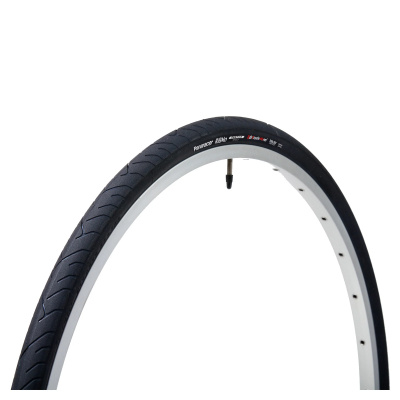
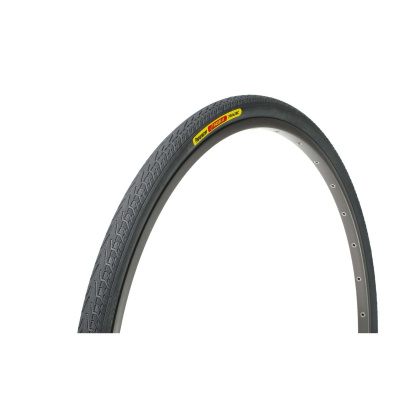
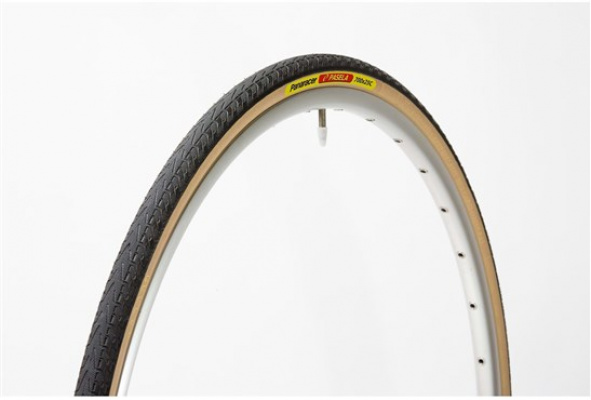
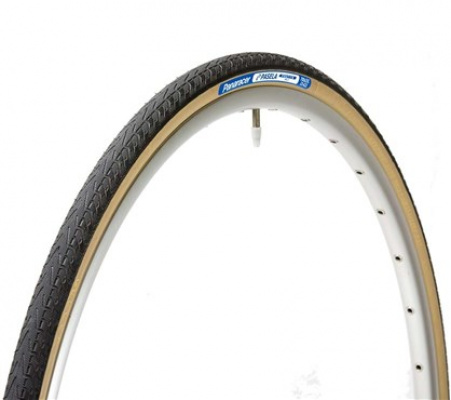
The range runs from the supple, road-leaning Pasela PT through to the heavily armoured RibMo - so whether you're doing a short city hop or grinding out a 15-mile commute in all weathers, there's a Panaracer tyre sized for the job. Literally: 700c and 650b options cover most hybrid and city bike setups on the market.
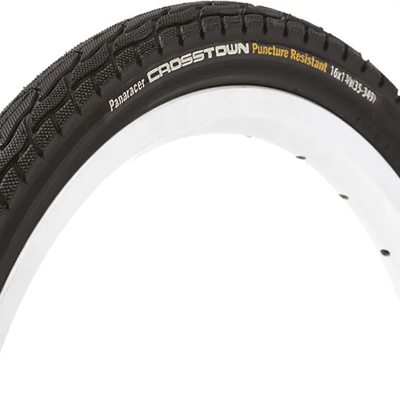
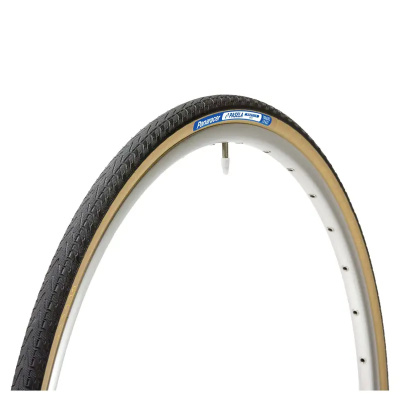
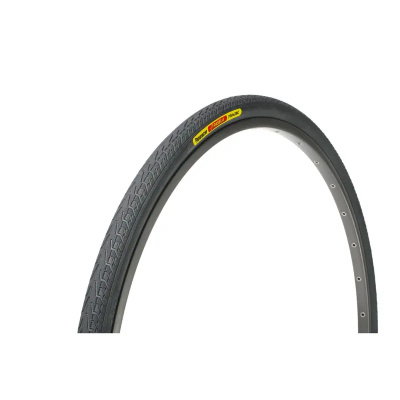
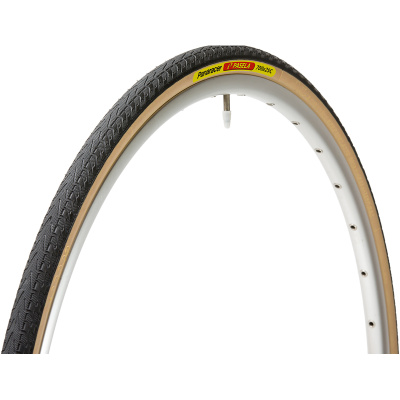
Prices and availability can change quickly. Delivery charges are not always included in listed prices.
Final price, stock status and delivery terms are set by retailer. We may receive a commission on purchases made.
Getting the Size Right Before You Buy
Tyre sizing trips up more riders than it should. The key is the ETRTO standard - a two-number code printed on your current tyre's sidewall, like 37-622. The first number is the tyre width in millimetres; the second is the bead seat diameter. 622 is your standard 700c wheel, common on hybrids and commuters. 584 is 650b, increasingly popular on gravel-influenced hybrids and smaller-framed bikes. These numbers are universal, so they cut through the confusion of 700x35c versus 35-622 - they're the same tyre, just written differently depending on the packaging.
If you're thinking about sizing up for a more cushioned ride - say, moving from a 32mm to a 38mm - check three things first: frame clearance at the chainstays and fork crown, brake calliper reach if you're on rim brakes, and mudguard clearance. Squeezing a wider tyre into a tight frame doesn't just risk rubbing; it can cause uneven wear and handling that feels vague at speed. When in doubt, go one step at a time rather than jumping two widths.
On the bead side, wire bead tyres are the standard commuter choice - heavier than folding versions but more affordable and perfectly solid for daily use. Folding bead tyres (with an aramid or Kevlar bead instead of steel wire) save meaningful weight over a pair and are noticeably easier to seat on tighter rims. If you're carrying a spare tyre in a saddlebag, a folding bead is worth the extra outlay.
How the Panaracer Range Stacks Up
Panaracer's commuter lineup is tiered by protection level, and the trade-off as you move up is straightforward: more armour, slightly more rolling resistance. Knowing where you sit on that scale saves you from either over-speccing or under-protecting.
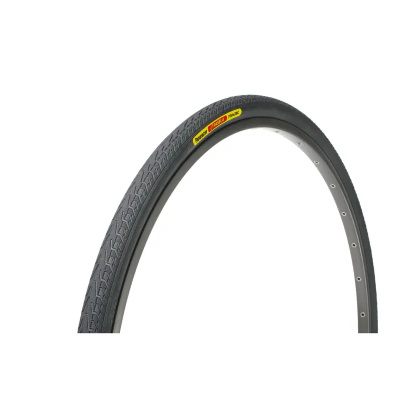
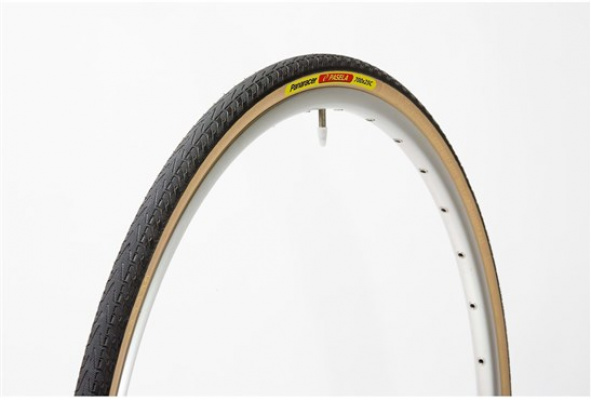
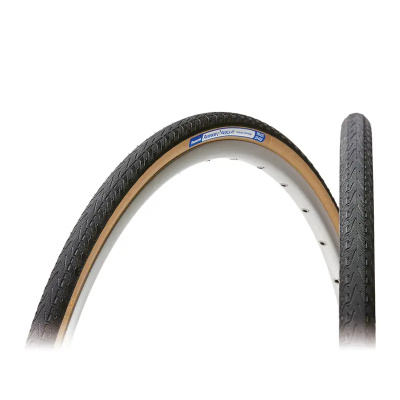
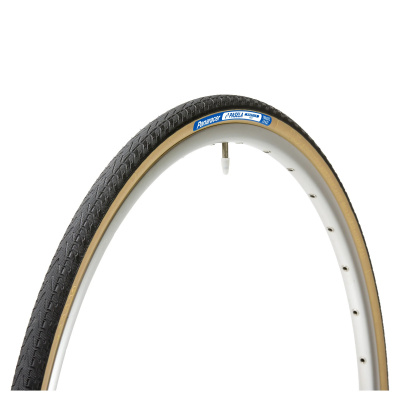
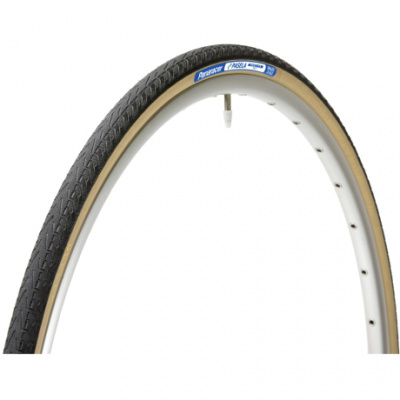
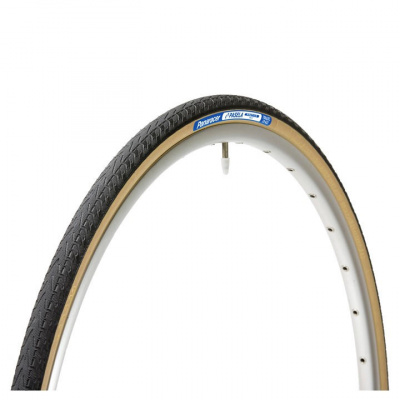
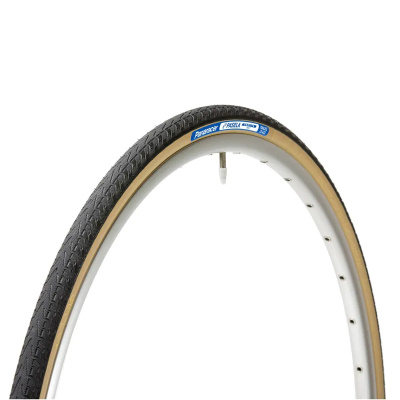
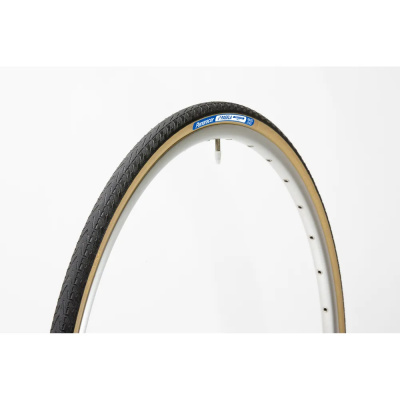
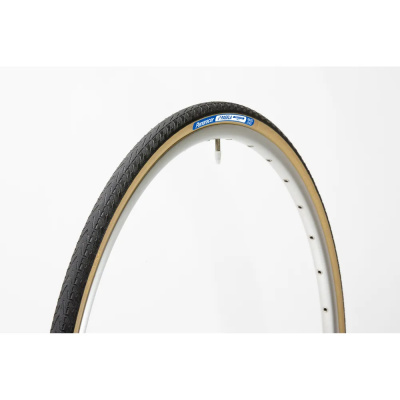
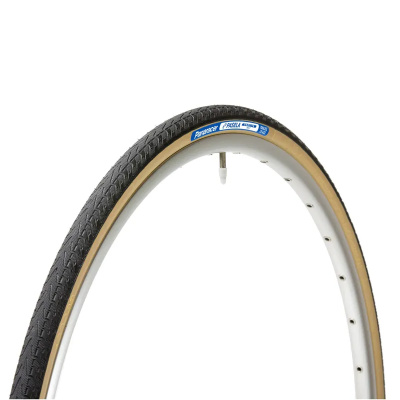
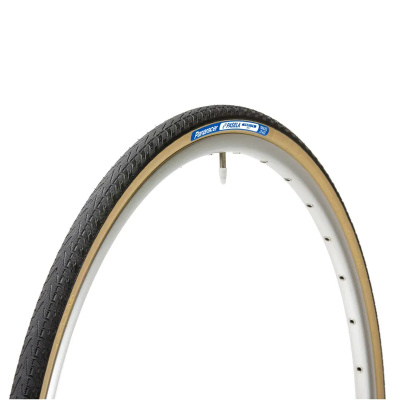
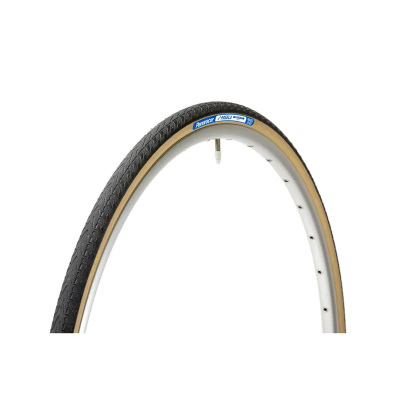
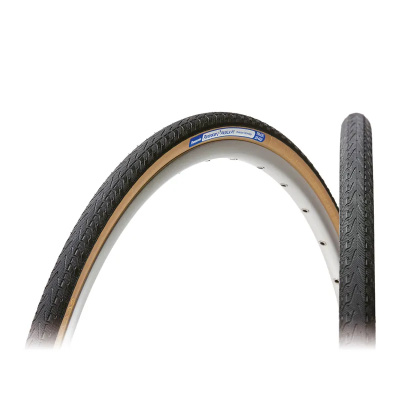
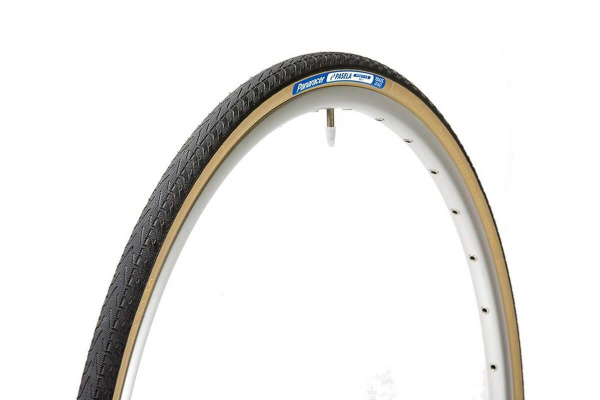
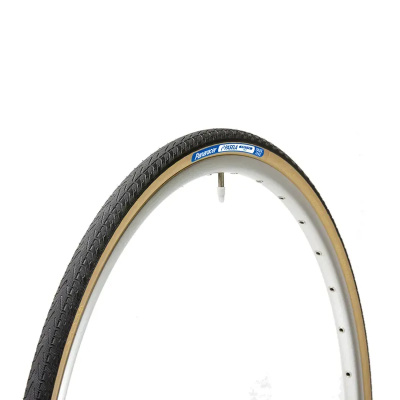
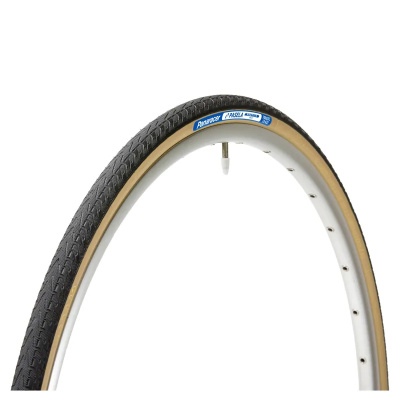
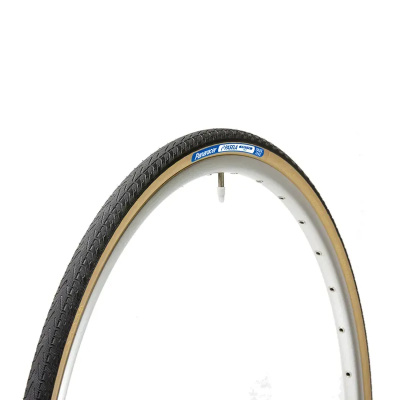
The Pasela PT sits at the lighter, more road-oriented end. It uses a supple, higher-TPI casing that gives it a lively, responsive feel on tarmac - closer to a performance road tyre than a traditional commuter. The classic tan wall option suits vintage-style hybrids and touring bikes aesthetically, but the real reason to pick it is ride quality. It's not the most heavily armoured option, but TourGuard aramid protection is still present, making it more than capable for moderate urban use. Good choice if your commute is mostly well-surfaced roads and you want a tyre that doesn't feel like it's dragging.
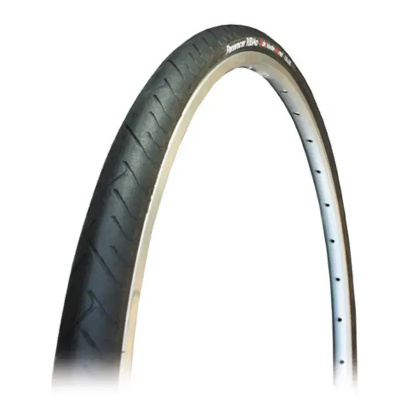
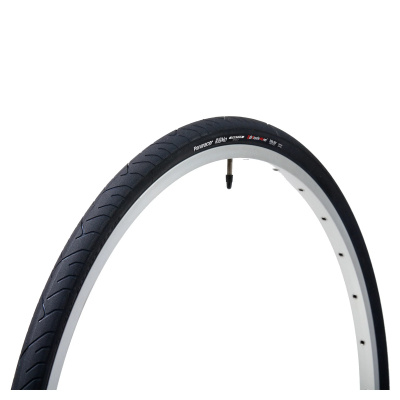
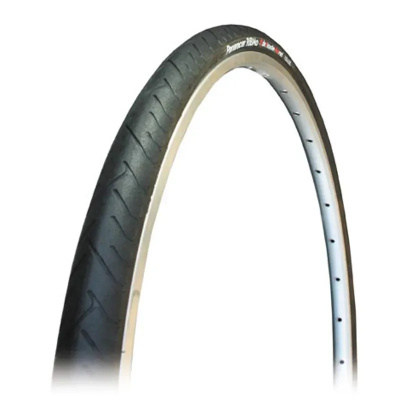
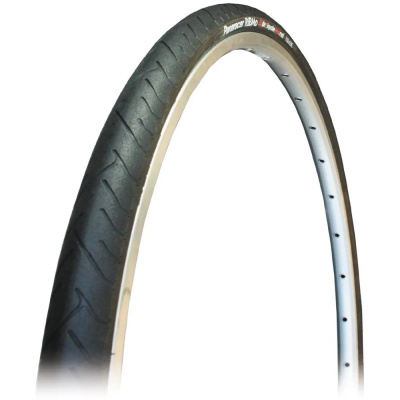
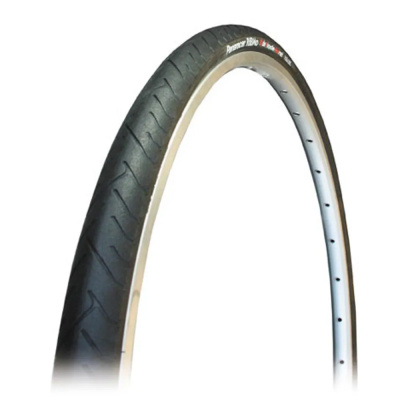
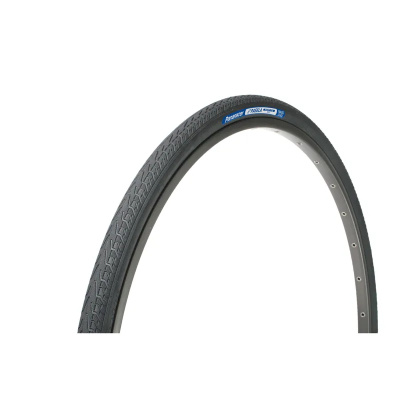
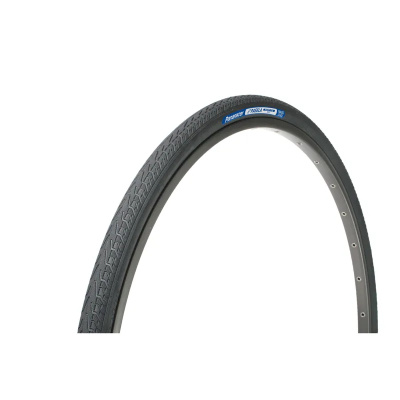
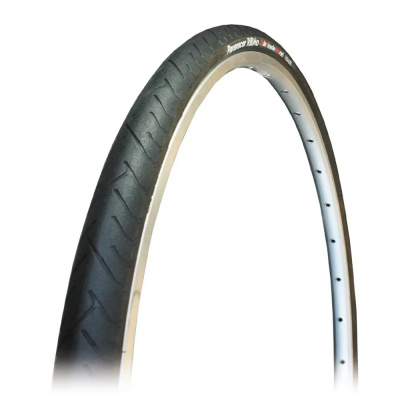
The RibMo - the name stands for Ride Bicycle More, which tells you exactly what Panaracer had in mind - is the workhorse of the range. It runs a thicker tread, ProTite Shield puncture protection across the full contact patch, and a more robust casing built to cope with debris-strewn cycle lanes. Rolling resistance is higher than the Pasela PT, but if your commute takes you through urban grot and you're replacing tubes twice a month, the trade-off is obvious. A reflective sidewall option is available on several widths, which is worth factoring in if you're riding unlit routes through winter.
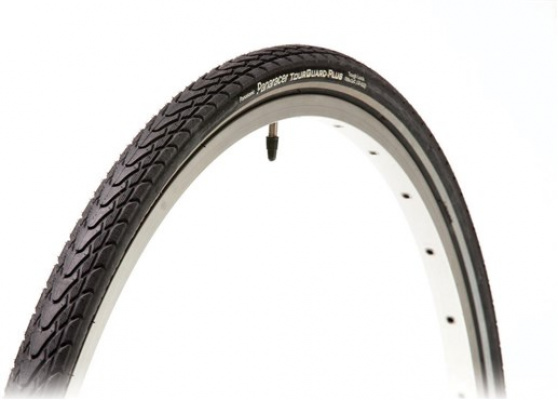
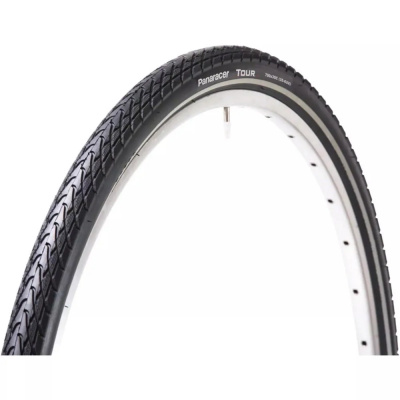
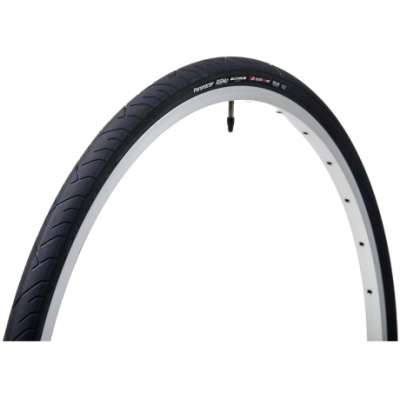
The TourGuard Plus moves further still into heavy-duty territory. It's designed with e-bike use in mind - the additional weight and speed of an electrically assisted bike place more stress on tyres, and the TourGuard Plus uses 400D Lite Extra Cord construction to resist the side-cut damage that comes from faster cornering on harder surfaces. If you're running a cargo bike or a heavy-duty e-commuter, this is where to look. It's not a fast-rolling tyre, but on a bike doing 25km/h under motor assist, outright speed isn't the priority - durability is. Compared to what Continental offers at this end of the market, the TourGuard Plus competes well on protection depth, while Michelin's urban range tends to prioritise rolling efficiency slightly more.
Wet Roads, Flint, and Keeping Pressure Honest
The ZSG compound - Zero Slip Grip - is Panaracer's answer to the greasy, leaf-mulched tarmac that makes autumn commutes genuinely sketchy. It's a natural rubber-based formula that maintains traction further into cold and wet conditions than harder synthetic compounds. You'll notice it most when braking on wet painted road markings or damp cycle path asphalt - surfaces where cheaper tyres tend to give you that brief, stomach-dropping slip.
ProTite Shield handles the debris end. Flint is the particular enemy on UK cycle lanes - it's angular, abundant, and hard enough to work through a standard tread layer over repeated impacts. ProTite places a high-tensile protective layer beneath the tread that deflects rather than absorbs these intrusions. It's not a guarantee against every puncture, but riders who've switched from unprotected tyres to the RibMo on commutes through areas like the South Downs corridor or along canal towpaths in northern cities typically report a significant drop in flat frequency.
Pressure management matters as much as the tyre itself. Running too low - common on hybrids that haven't been pumped since the previous month - makes pinch flats from pothole impacts almost inevitable. Running too high on a narrow tyre sacrifices wet grip and makes the ride punishing. A practical middle ground for a 35mm commuter tyre is usually around 60 - 70 PSI on tarmac, dropping a few PSI in wet conditions to widen the contact patch. Check it weekly; hybrid tyres lose pressure faster than most riders expect.
If you want to go tubeless or add a sealant layer for additional protection, Panaracer's own sealant is formulated to work with their tyre casings, and pairing it with Panaracer inner tubes keeps the setup consistent. It's also worth checking your rim tape while you're in there - a failing tape is a slow puncture waiting to happen, and it's a five-minute fix that riders regularly overlook. For broader comparison across the commuter category, Specialized's commuter tyres are worth a look if you want to weigh up the options side by side.
Panaracer Commuter And Hybrid Tyres FAQs
Are Panaracer tyres good for commuting?
Genuinely, yes. The RibMo and Pasela PT are among the more trusted daily commuter tyres in the market. ProTite Shield puncture protection and ZSG compound grip handle the glass, flint, and wet tarmac that UK cycle lanes dish out regularly. They're not the flashiest option, but they're consistent and reliable - which is what commuting actually demands.
What is the difference between Panaracer Pasela and RibMo?
The Pasela PT is a lighter, more supple tyre that prioritises ride feel and rolling efficiency - better suited to smoother roads and riders who want a tyre that performs closer to a road tyre. The RibMo is built around maximum puncture resistance, with a thicker tread and full ProTite Shield protection. It rolls heavier but handles rough urban surfaces and debris-strewn paths far more confidently.
How do I choose the right size Panaracer hybrid tyre?
Check your current tyre's sidewall for the ETRTO code - for example, 37-622. The second number is your wheel diameter (622 = 700c, 584 = 650b). Match that first, then pick your width. If you want to go wider for comfort, check your frame clearance, brake reach, and mudguard fit before committing - a few millimetres of extra width can cause rubbing if clearances are tight.