
Zefal Track Pumps
Zefal track pumps are the kind of workshop staple you don't notice until you're using a bad one - struggling with a leaky head at 7am before a wet winter ride is nobody's idea of a warm-up. A French brand with roots going back to 1880, Zefal has spent well over a century refining what a floor pump should actually do: deliver accurate, repeatable inflation without drama. Their current range centres on the Profil Max architecture, with proprietary Z-Switch and Z-Turn pump heads that handle Presta, Schrader, and Dunlop valves without fuss. That matters whether you're chasing a precise road tyre pressure or trying to snap a stubborn tubeless bead onto a wide MTB rim. The aluminium barrel construction on the upper tiers resists the kind of slow corrosion that turns a damp garage into a pump graveyard. Stroke volume is generous across the range, and gauge accuracy is consistent enough to actually trust the reading. This page covers workshop floor pumps only. For on-the-go inflation, head to our Zefal mini pumps, frame pumps, or CO2 inflators pages.
Prices and availability can change quickly. Delivery charges are not always included in listed prices.
Final price, stock status and delivery terms are set by retailer. We may receive a commission on purchases made.
Valve Compatibility and How the Pump Heads Work
Most pump head frustration comes down to one of two things: a leaky seal on a Schrader valve or a bent Presta core from a pump that clamps on at an angle. Zefal tackles both with two distinct systems. The Z-Switch uses a sliding lever on the pump head itself - flick it one way for Presta, the other for Schrader, and you're done. No unscrewing, no reversing grommets, no fumbling in poor light. It's the faster option for riders who swap between bikes regularly or share a pump between road and mountain bikes.
The Z-Turn system takes a different approach: a screw-on connection that threads directly onto the valve stem. That threading action is what prevents the head from cocking sideways under pumping load, which is the main reason Presta cores get bent in the first place. It takes a couple of extra seconds to connect, but if you've ever had to fish a snapped valve core out of a deep-section rim before a sportive, you'll understand why that trade-off is worth it. Both heads handle Dunlop valves too, which is useful if you're maintaining older bikes or those in the family fleet.
For anything you need to carry on the bike itself, our Zefal mini pumps and CO2 inflators pages are the right place to look - those are separate categories with their own specific trade-offs around portability and volume.
Profil Max FP20, FP30, and FP60: What Changes as You Spend More
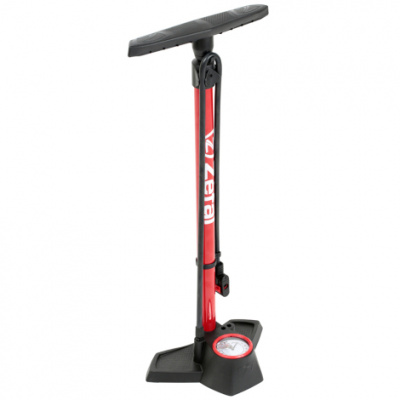
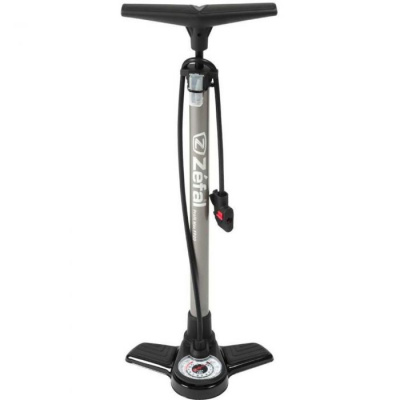
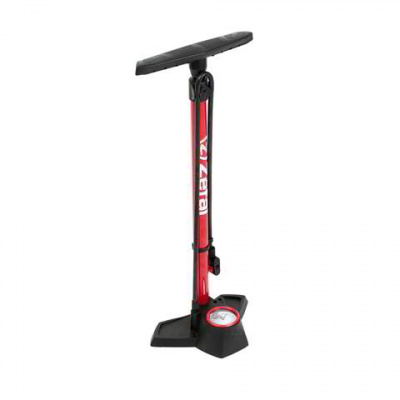
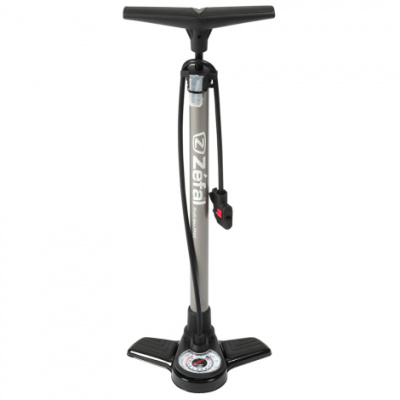
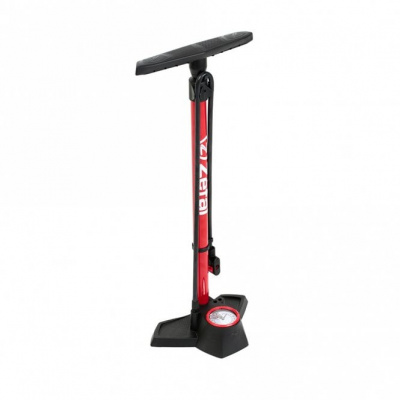
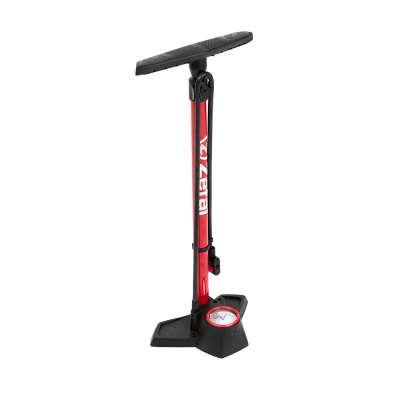
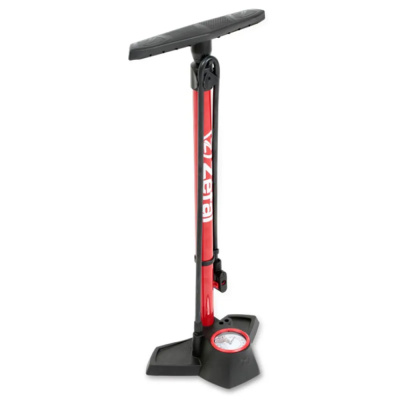
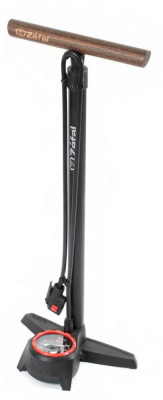
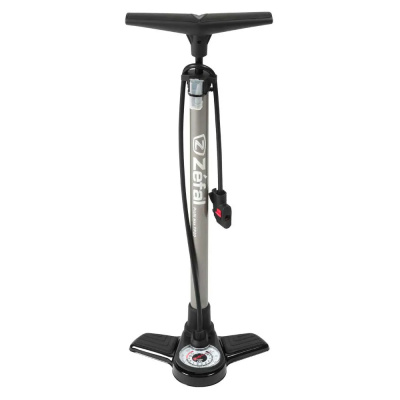
The Profil Max range is a clear ladder, and where you sit on it depends on how often you're pumping, what bikes you run, and how much you care about the tool itself. The Profil Max FP20 sits at the entry point: composite base, a functional gauge, and a solid pump head. It does the job reliably - accurate enough for road use, volume enough for standard MTB tyres. The gauge face is on the smaller side, which makes it slightly harder to read in a dim garage, but the PSI/Bar dual-scale markings are present throughout the range.
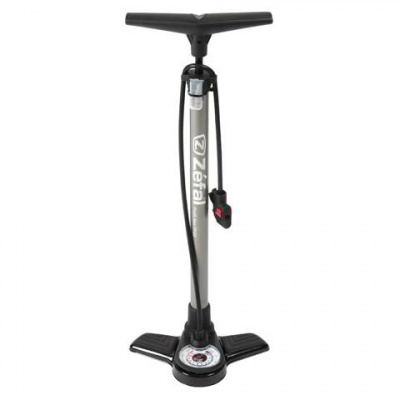
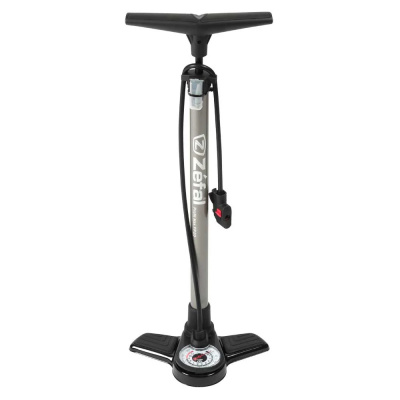
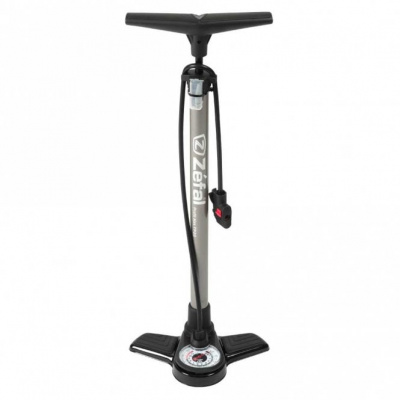
Step up to the Profil Max FP30 and you get a more substantial barrel, improved base stability under load, and a more refined pump head. The stroke feels more planted - less wobble when you're putting real effort in on a high-volume tyre. That extra stability matters more than it sounds when you're doing ten strokes in a row trying to seat a tubeless bead.
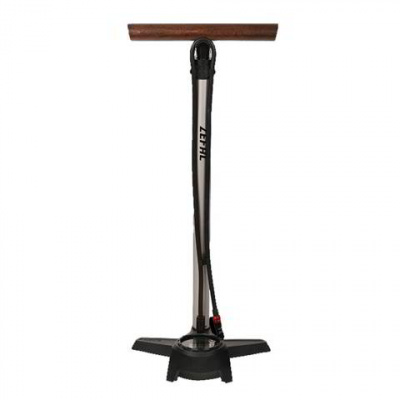
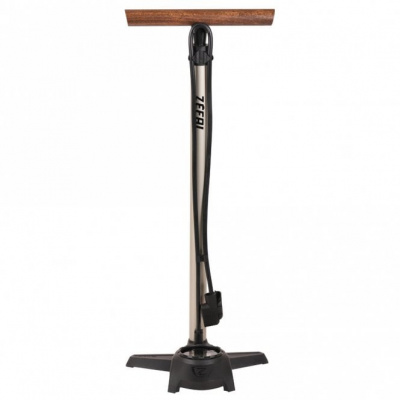
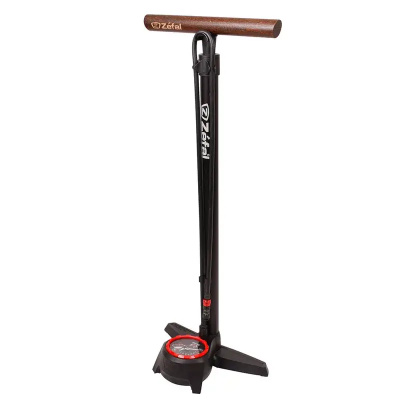
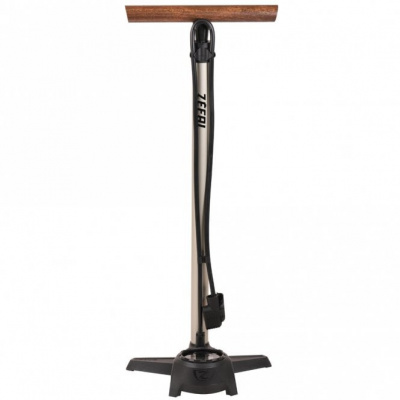
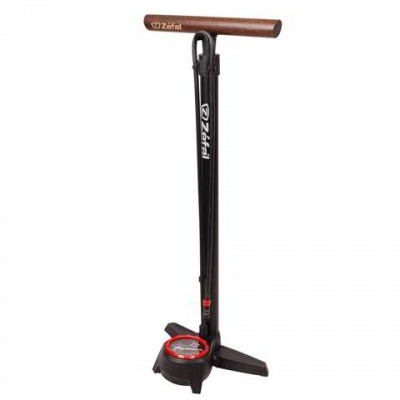
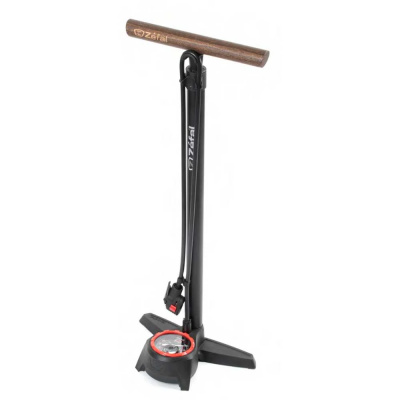
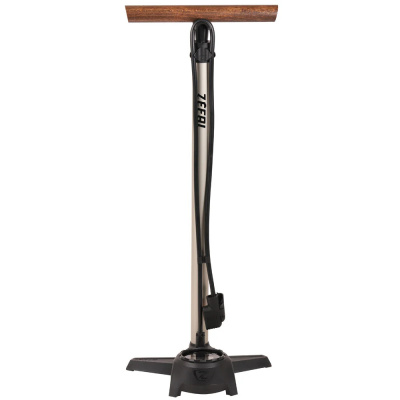
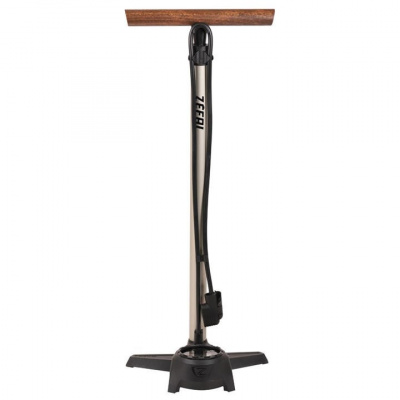
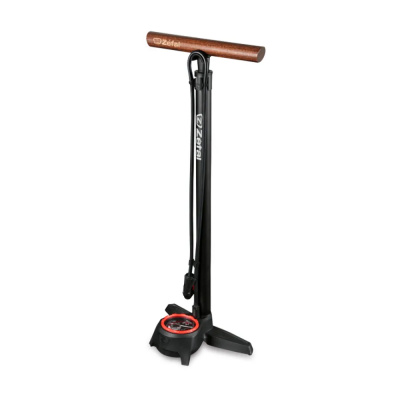
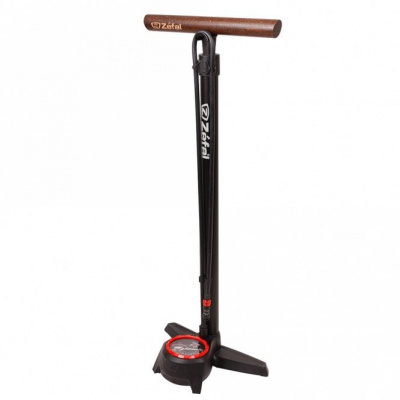
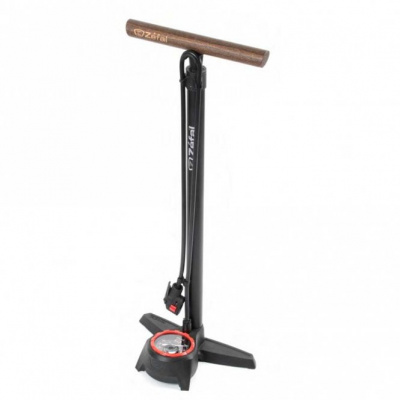
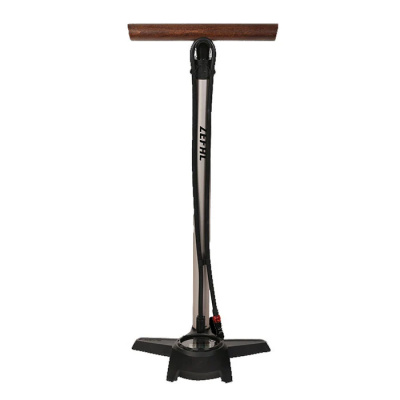
The Profil Max FP60 is the workshop-grade model. Beech wood handle, anodised aluminium barrel, and a cast iron base that stays exactly where you put it regardless of how hard you're pumping. The gauge is larger and more accurate - genuinely useful when you're dialling in pressures across multiple bikes rather than just getting close. The oversized barrel means each stroke moves more air, which is significant when you're seating tubeless tyres. Compared to something like a Topeak floor pump at a similar level, the FP60 leans into traditional workshop aesthetics rather than the more modern injection-moulded look - neither is wrong, it's a preference call.
If you're running tubeless across your bikes, it's worth having Zefal sealant and a tubeless repair kit within reach of the pump - seating a bead only to find a slow leak is a familiar kind of defeat.
Keeping a Zefal Pump Running Through a UK Winter
A damp garage in November is not kind to tools. Cheap steel barrels pit and corrode faster than you'd expect, and a corroded barrel means the plunger seal degrades sooner. The aluminium barrels on the FP30 and FP60 resist that significantly better - not immune to moisture, but meaningfully more durable over a few winters. Composite-bodied models like the FP20 sidestep the corrosion issue differently, though aluminium still has the edge for long-term dimensional stability under repeated pump loads.
The plunger shaft is the part most riders neglect. A light application of silicone spray on the shaft every couple of months keeps the stroke smooth and prevents the seal from drying out and cracking - petroleum-based lubricants will degrade the rubber, so silicone only. If you ride in gritty conditions, mud and fine grit can work into the pump head around the valve seal after a winter's use. That's when you'll notice the head not sealing as cleanly. Replacing the O-rings in the pump head is a five-minute job and parts are inexpensive - far cheaper than a new pump.
Gauge calibration drift is worth checking occasionally, especially on heavily used pumps. Cross-reference against a known-accurate digital gauge once a season. Brands like Lezyne, SKS, and Park Tool all offer comparable floor pumps if you're cross-shopping, but Zefal's gauge consistency across the Profil Max range holds up well against that field. The FP60's larger gauge face makes it easier to read accurately under artificial light, which is the reality for most UK riders through autumn and winter.
Zefal Track Pumps FAQs
How do you use a Zefal track pump on a Presta valve?
Set the pump head to Presta mode - either via the Z-Switch sliding lever or by reversing the internal grommet on traditional heads. Fully open the valve core, push the head on straight, and lock the lever upward to seal. A firm, straight connection before you start pumping prevents the valve core from bending under load.
Are Zefal track pumps good for seating tubeless tyres?
The higher-tier models, particularly the Profil Max FP60, have enough stroke volume to seat most tubeless beads without a booster tank. For especially stubborn setups, remove the valve core entirely before pumping to maximise airflow into the tyre - that single step makes a real difference on tight rim-to-tyre fits.
How do I change the valve type on a Zefal pump head?
On Z-Switch heads, slide the lever to select Presta or Schrader - no tools needed. On older Zefal heads without the Z-Switch, unscrew the faceplate and reverse both the rubber grommet and the plastic insert to match the valve type you need. The whole process takes under a minute.