
Whyte Mountain Bikes
Whyte Mountain Bikes didn't just follow the progressive geometry revolution - they were pulling at the front of it. Designed and tested in the UK, these are bikes built with a specific purpose: handling the steep, rooty, and persistently sodden trails that define British riding, from the Surrey Hills to the Welsh valleys. Long reach figures, slack head angles, and a low centre of gravity aren't buzzwords here - they're deliberate engineering decisions that make the bike feel planted and composed when the mud gets deep and the roots get slippery.
The range splits cleanly into two worlds. The hardtail lineup - particularly the celebrated 900 series - suits riders who want an aggressive, responsive platform without the complexity of a rear shock. The full-suspension T-series covers everything from flowing trail riding to proper enduro work, with the T-140 and T-160 sitting at the heart of it. Across both families, Whyte's proprietary geometry and bearing systems are doing a lot of heavy lifting behind the scenes.
After a pedal-assist option? Head to our Whyte E-Bikes page. Starting from scratch with a frame build? Browse the Whyte Frames collection. For human-powered trail riding, the full MTB range is below.
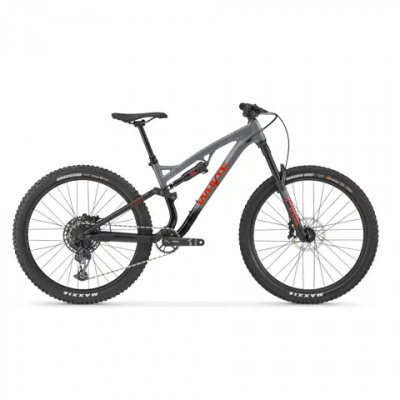
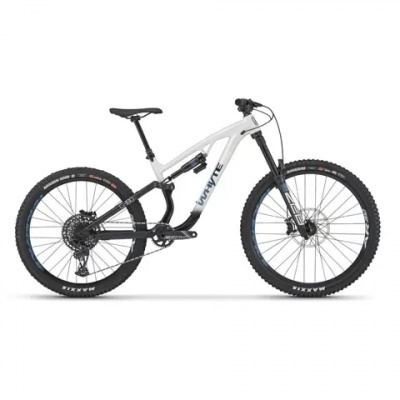
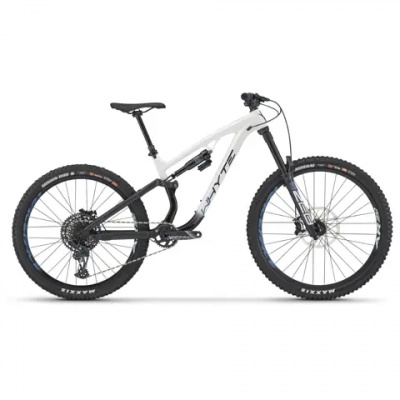
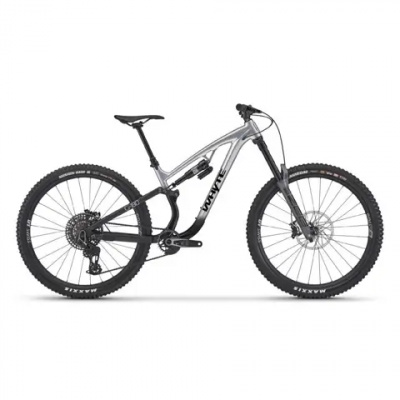
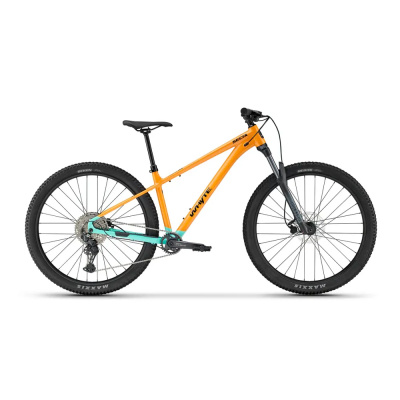
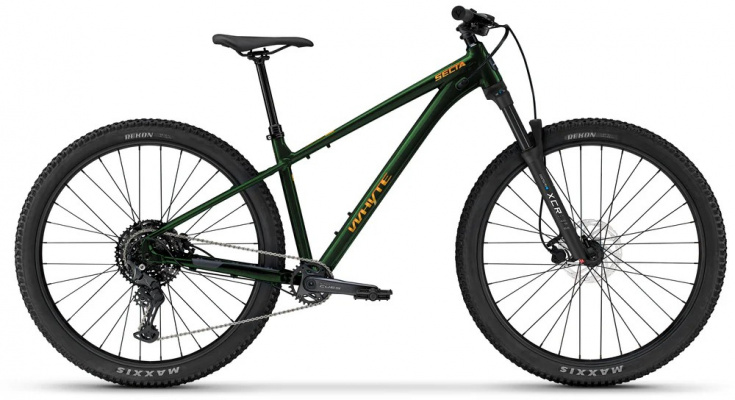
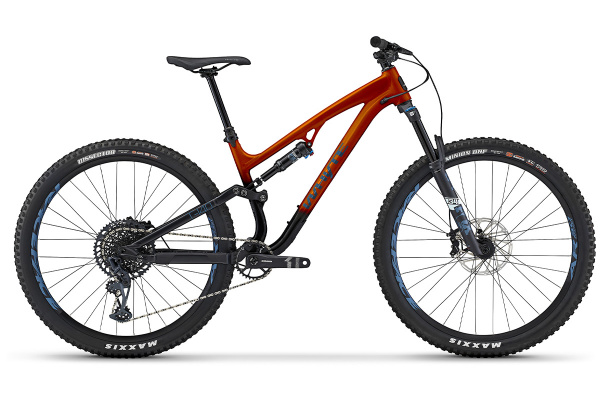
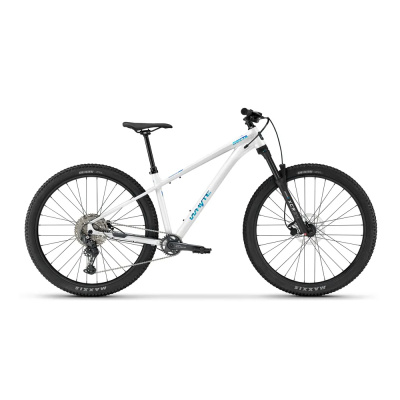
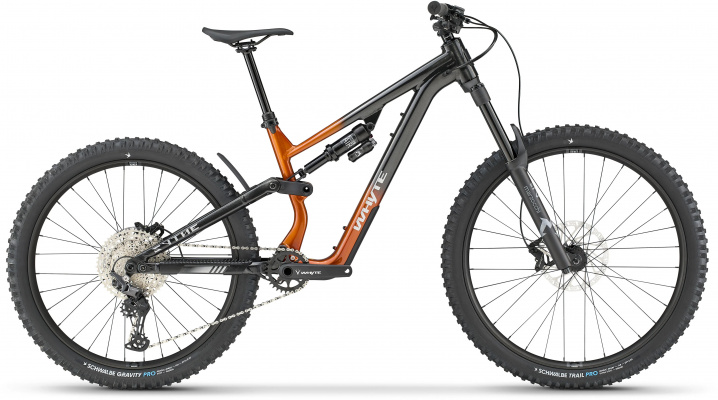
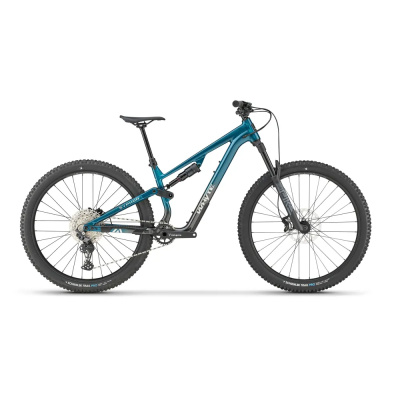
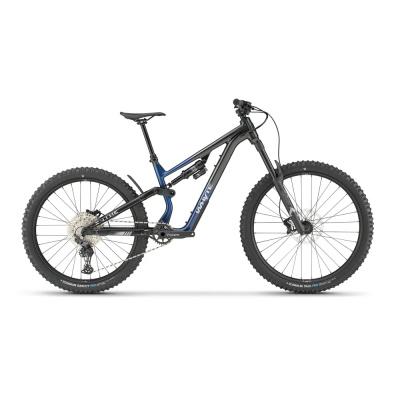
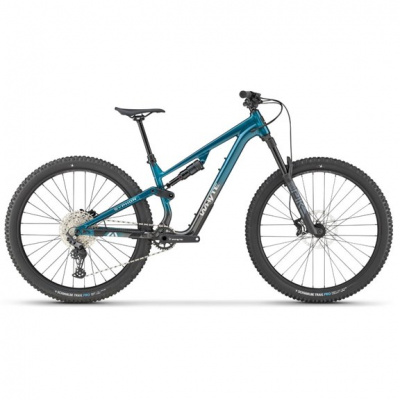
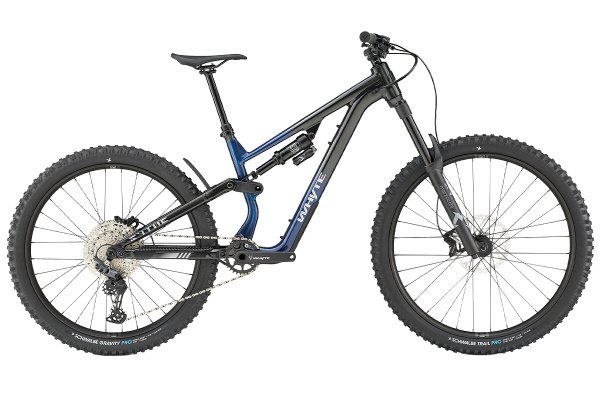
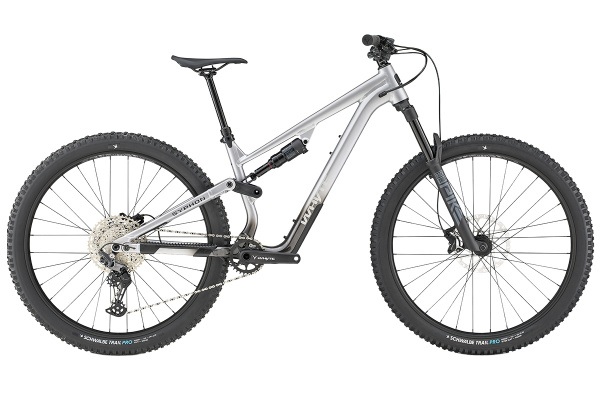
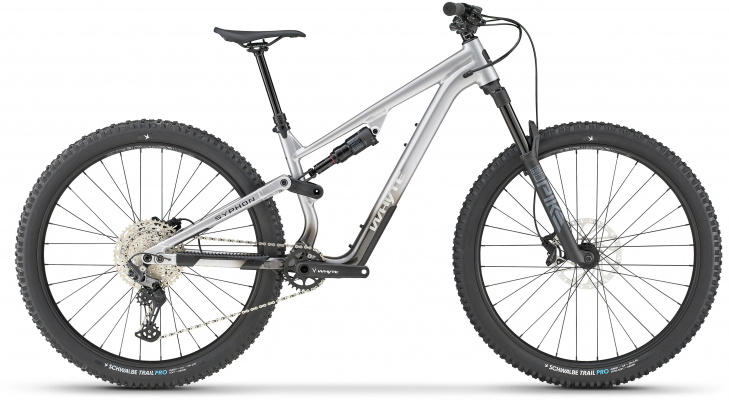
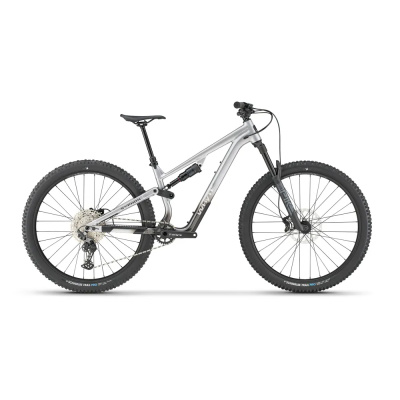
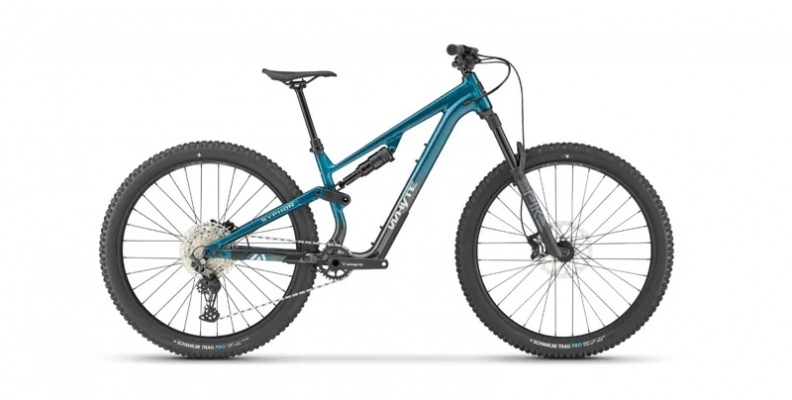
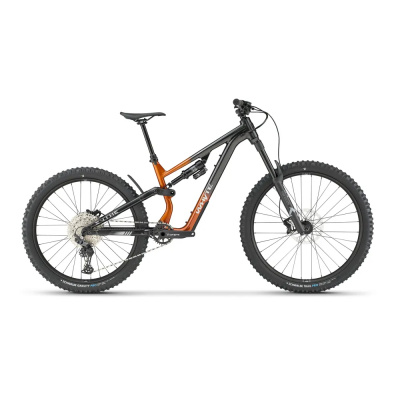
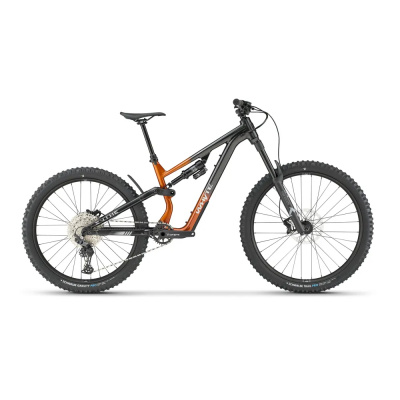
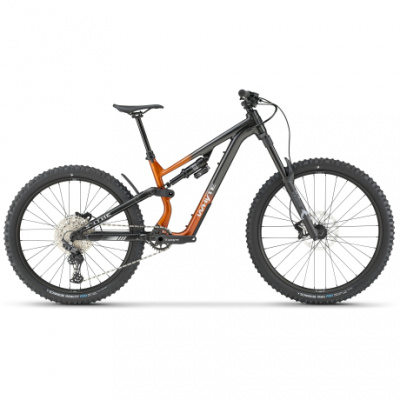
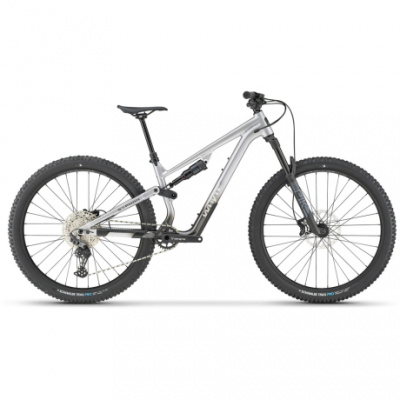
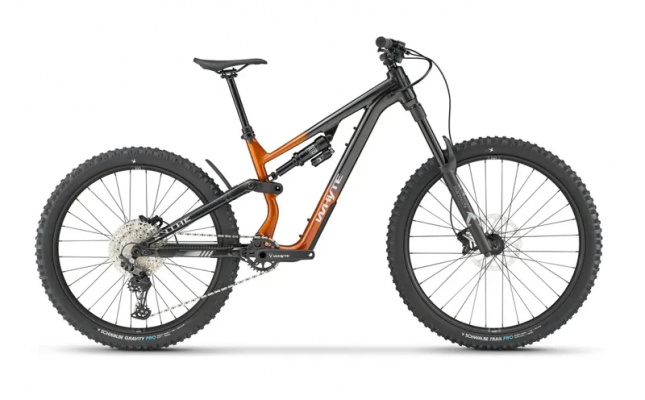
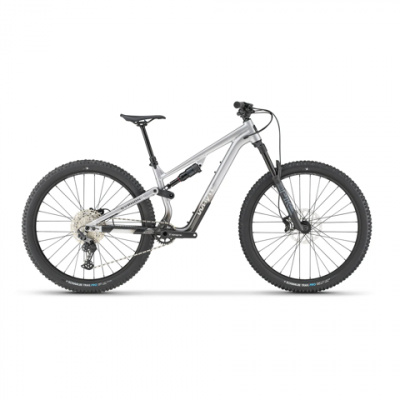
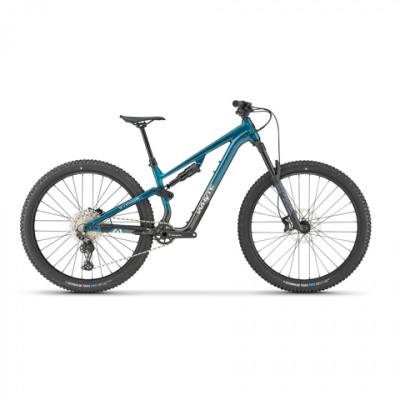
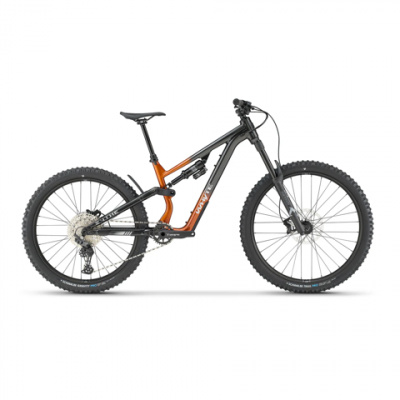
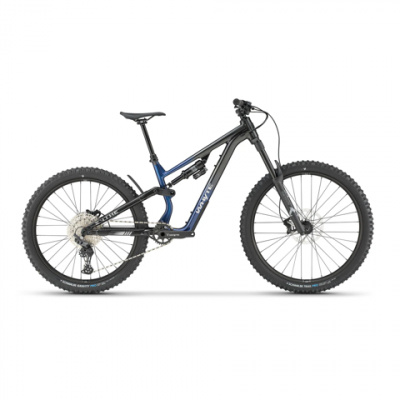
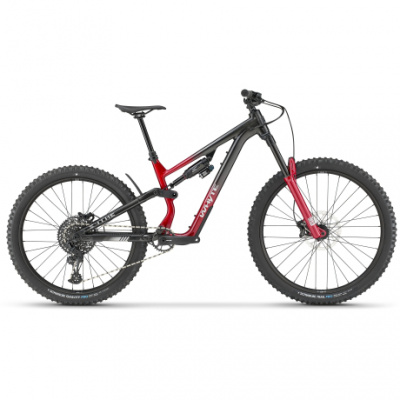
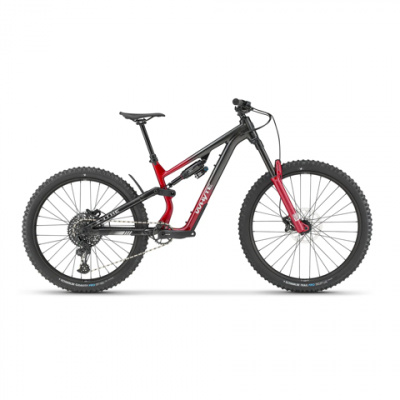
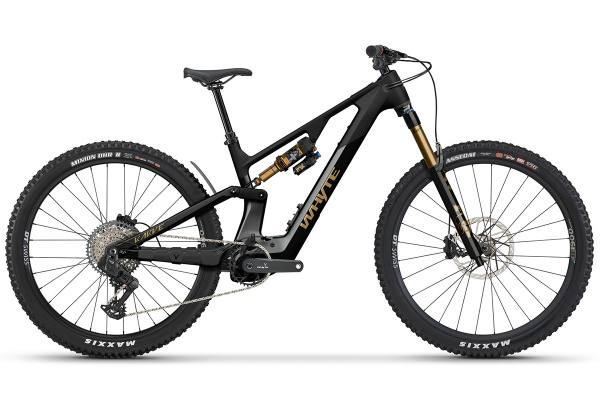
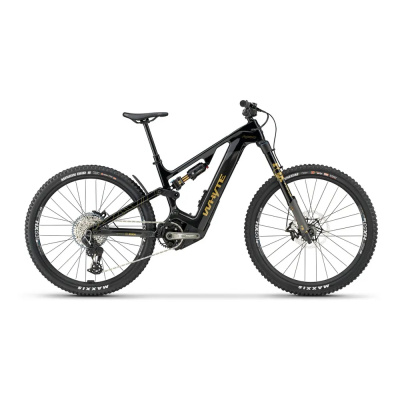
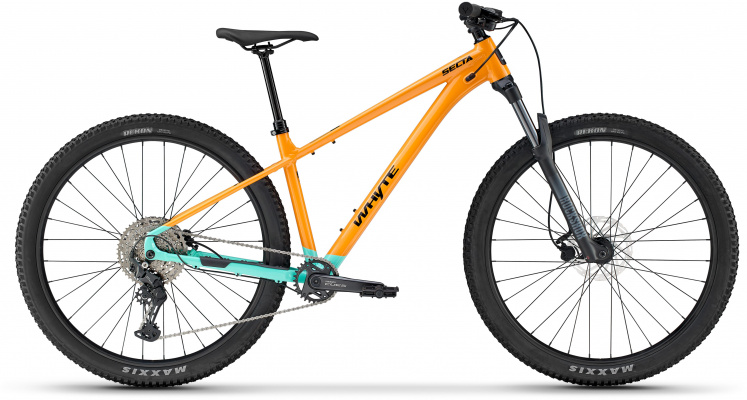
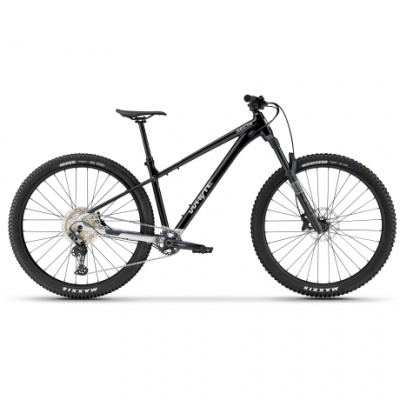
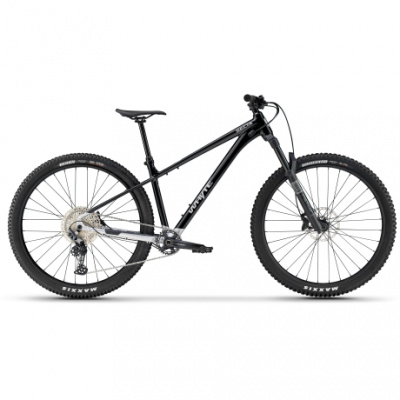
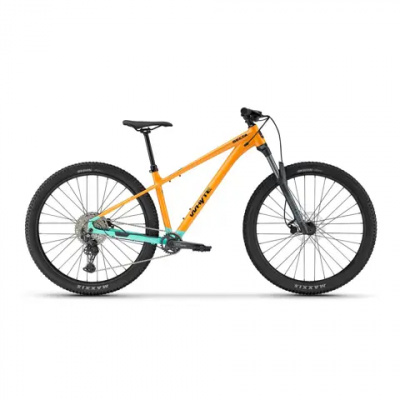
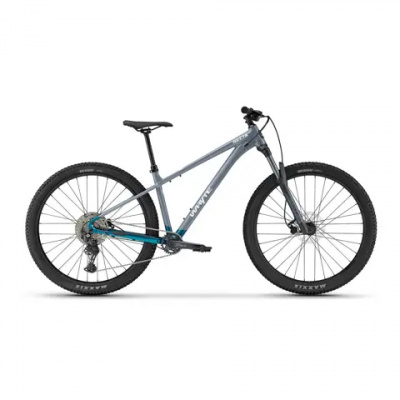
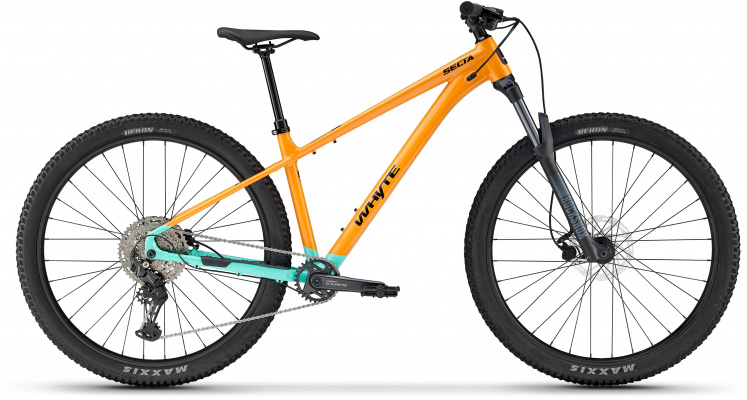
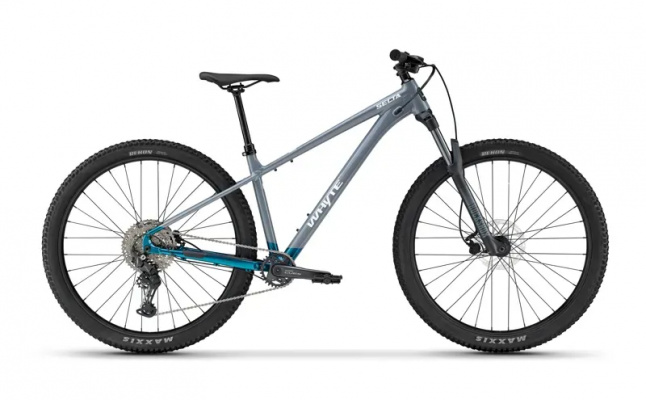
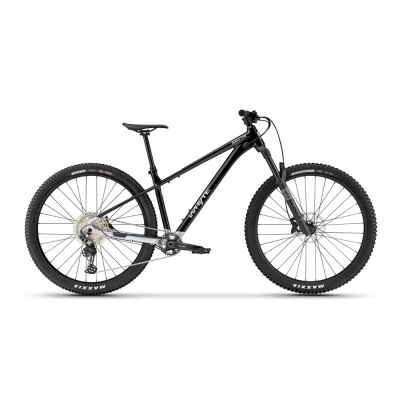
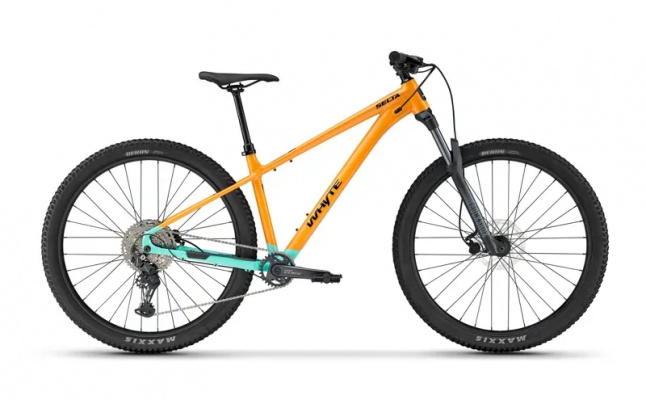
Prices and availability can change quickly. Delivery charges are not always included in listed prices.
Final price, stock status and delivery terms are set by retailer. We may receive a commission on purchases made.
Decoding the Whyte Mountain Bike Lineup
Whyte's MTB range is more structured than it first appears, and understanding where each model sits saves you a lot of head-scratching. The hardtail side starts with the 800 series - 6061 alloy frames, sensible geometry, confidence-inspiring trail manners - aimed at riders stepping up from entry-level bikes or wanting a capable everyday machine without spending enduro money. Then there's the 900 series. The Whyte 905 and Whyte 909 are a different proposition entirely: race-ready aggressive hardtails with geometry that genuinely competes with full-suspension bikes on technical natural trails. The difference between the 905 and 909 comes down to wheel size - 27.5-inch versus 29er trail geometry - each with its own handling character. If you want the bigger wheels rolling over roots and rocks with less deflection, the 909's 29er setup does that well. Prefer something that pivots and flicks through tight switchbacks more readily, the 905 is your bike.
On the full-suspension side, the T-series is the one to focus on. The T-140 is a 140mm-travel all-rounder - light enough to pedal all day across moorland singletrack, capable enough to handle the steeper stuff without feeling out of its depth. It suits riders who spend more time going up and across than straight down. The Whyte T-160, meanwhile, is built for people who think of the descent as the whole point. At 160mm travel and with noticeably slacker geometry, it's an enduro MTB in the proper sense: composed on steep, rough, chewed-up trails where you need progressive suspension and front-end stability at speed. Comparing Whyte T-140 vs T-160 essentially comes down to what percentage of your riding is pedalling versus pointing downhill.
Trim levels across the range follow a logical hierarchy. Base builds give you a solid platform with reliable components. RS specs step up to better suspension and drivetrain parts - this is the level most riders find the best value. Works builds sit at the top: lighter wheels, higher-end forks and shocks, the sort of finishing kit that makes a tangible difference if you're riding hard regularly. Version suffixes - v1, v2 and so on - typically signal a rolling component update rather than a geometry overhaul, so don't panic if you spot different version numbers across model years.
The Tech That Makes These Bikes Tick
Whyte's engineering approach is built around a few core ideas, and they're worth understanding because they directly affect how the bike handles under you. OTO - Optimised Trail Offset - is perhaps the most significant. Conventional thinking links fork offset closely to head angle to hit a target trail figure, but Whyte's OTO geometry uses a reduced fork offset to sharpen front-end steering precision while actually improving grip through corners. The front wheel sits slightly further back relative to the fork crown, which tightens the steering arc without making the bike twitchy. On rooty, cambered trails where the front end wants to wash, you feel the difference.
The SCR frame design - Single Chain Ring - is easy to dismiss as a trendy 1x drivetrain feature, but the engineering behind it is more interesting. By removing the front derailleur mount entirely, Whyte's frame designers could widen the main pivot and redesign the chainstay layout to be symmetrical. That symmetry means the frame resists lateral flex more effectively - it's significantly stiffer through the bottom bracket area, which translates directly into crisper power transfer and more predictable handling when you're pushing hard through a corner. It's one of those changes that you feel rather than notice.
The Quad 4 suspension linkage on the full-suspension T-series balances two things that usually fight each other: pedalling efficiency and bottom-out resistance. The kinematic curve keeps the shock relatively active early in the travel - soaking up trail chatter and small hits without bobbing excessively under power - then ramps up progressively as you get deeper into the stroke. The result is a suspension platform that doesn't need a firm lockout for climbing, yet still has enough ramp-up to handle big hits without bottoming harshly. It's a considered piece of engineering rather than a marketing number.
Then there's the bearing warranty. Whyte offers a lifetime warranty on suspension pivot bearings - a genuine statement of confidence in their sealing and manufacturing standards. Given how quickly cheap pivot bearings can deteriorate in wet, gritty UK conditions, that's worth factoring into the long-term cost of ownership. The InterGrip internal seat post clamp is a smaller detail but equally practical: it seals the seat tube against water ingress at the collar, which is a common rust and corrosion point on bikes ridden through winter after winter.
Living with a Whyte in the UK
A few things are worth knowing before you commit. Whyte bikes run long. Their reach figures are consistently generous compared with many competitors at equivalent size, which is deliberate - longer front centres improve high-speed stability and descending confidence. But if you're between sizes, err towards sizing down rather than up. A medium Whyte often fits riders who'd typically be looking at a large elsewhere. It's worth checking the reach figure specifically rather than going by your usual size label.
Mud clearance is generous throughout the range, reflecting the fact that these bikes were developed partly on Welsh winter trails where the clay sticks in sheets. That's a practical advantage if you're regularly riding through October to March - you won't be stopping every ten minutes to clear packed mud from between the tyre and frame. Pair that with the sealed, weatherproofed bearing systems and the lifetime pivot warranty, and you have a bike that's genuinely low-maintenance by the standards of the British riding year. Adding a set of Whyte mudguards will keep the worst of the spray off you and the drivetrain on longer winter rides.
Weight is one honest trade-off to flag. Whyte's alloy frames aren't the lightest on the market, and even the RS and Works builds carry a bit more mass than equivalent carbon-framed competitors from brands like Trek or Specialized. If you're racing XC or counting grams for long alpine days, that matters. For the majority of UK trail riders - who want reliability, stiffness, and a bike that comes back from a proper battering session still running smoothly - the weight penalty is a reasonable exchange. You might also want to look at Whyte Gravel Bikes if your riding mixes trail days with longer road or gravel connectors - a different tool for a different kind of day out.
Whyte full suspension MTB geometry, particularly on the T-series, rewards riders who commit to it. If you're used to a more conservative, upright setup, there's an adjustment period - but most riders find that within a couple of rides, the planted, low feel becomes exactly what they didn't know they were missing on their local descent.
Related searches:
Whyte Mountain Bikes FAQs
Are Whyte mountain bikes any good?
Very. Whyte has a genuine reputation for progressive geometry and bikes built to handle proper British conditions - not just dry-weather trail centre laps. Their 900-series hardtails and T-series full-suspension bikes pick up industry awards regularly, and the lifetime bearing warranty backs up the durability claims with something tangible.
Where are Whyte bikes made?
Whyte bikes are designed and engineered in the UK, with development riding done in the Cotswolds and Welsh hills. The frames are manufactured in Taiwan, which is standard practice across the industry for high-quality alloy and carbon production - it's where most respected MTB brands build their frames.
What is the difference between the Whyte T-140 and T-160?
Travel and intent. The T-140 gives you 140mm of suspension travel and geometry suited to all-day pedalling and mixed-gradient riding - it's the one if you want a capable trail bike that doesn't punish you on the climbs. The T-160 runs 160mm travel with slacker geometry, built for steeper, rougher, more aggressive descents where you want maximum control over tidy efficiency.