
Whyte E-Bikes
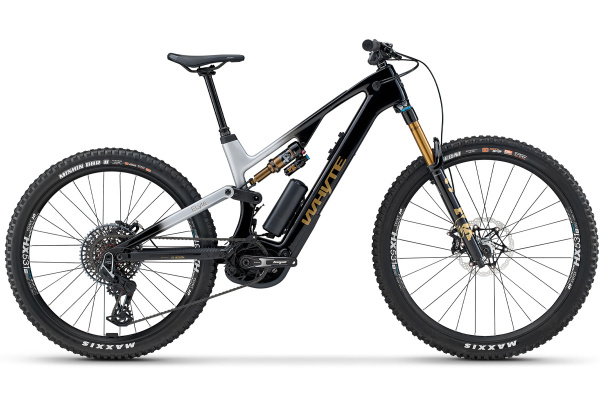
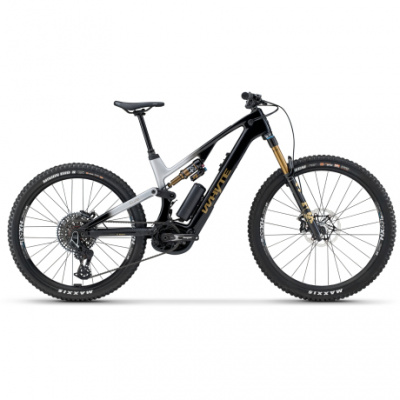
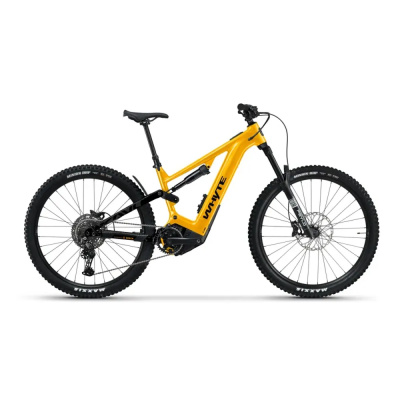
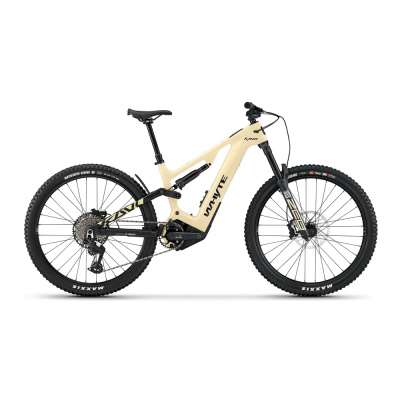
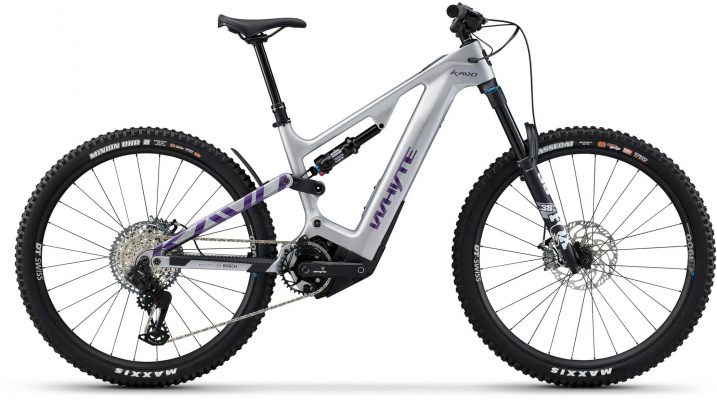
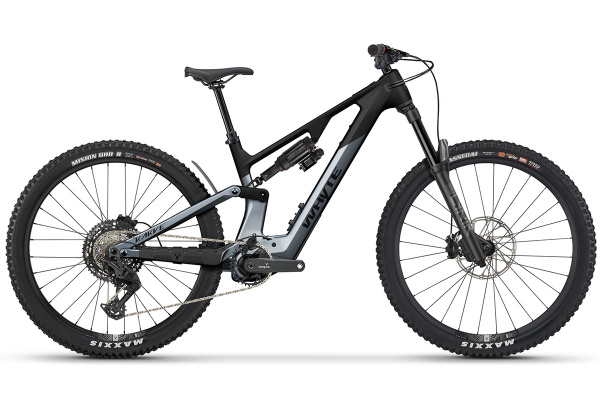
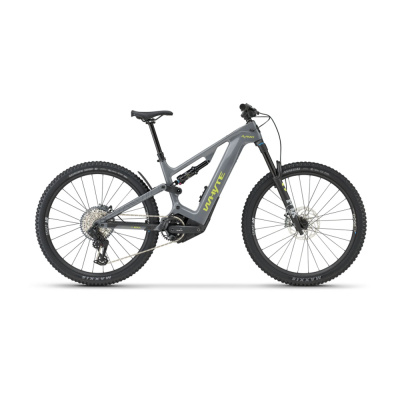
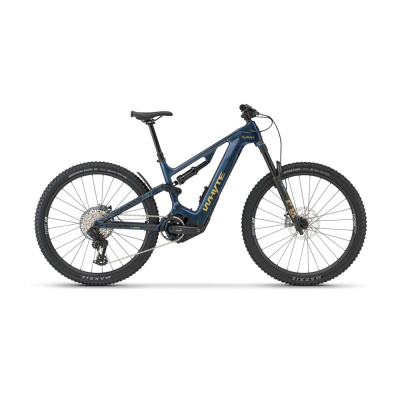
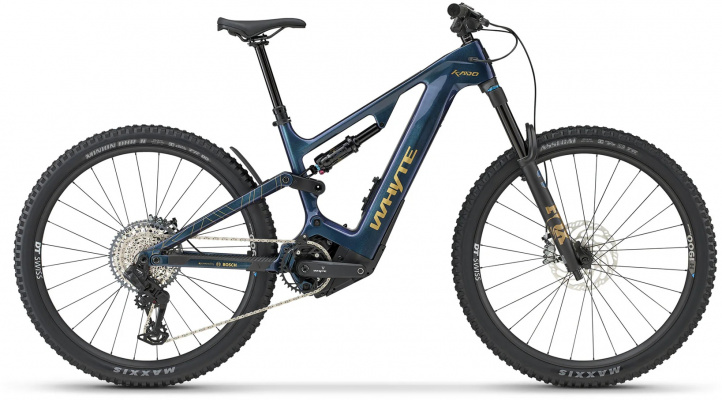
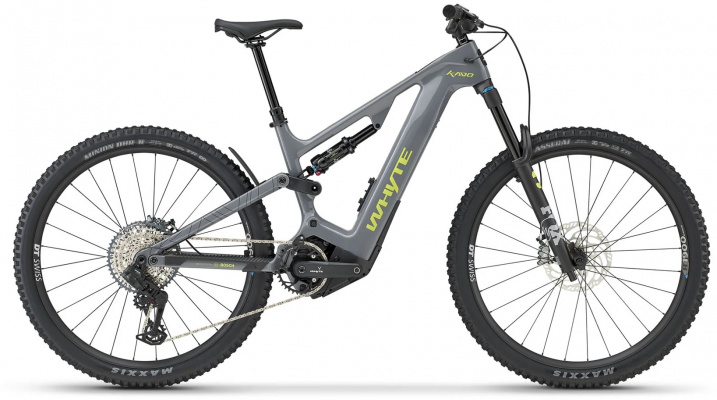
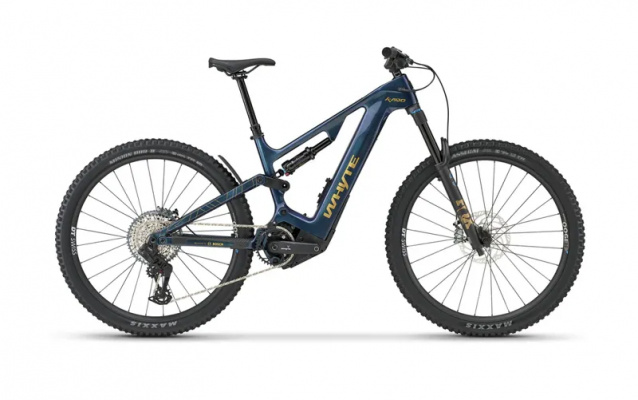
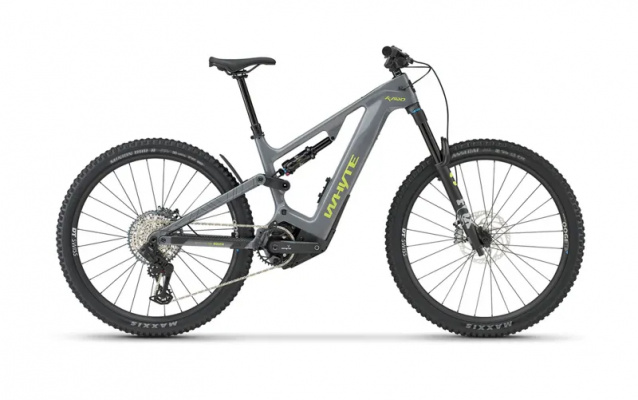
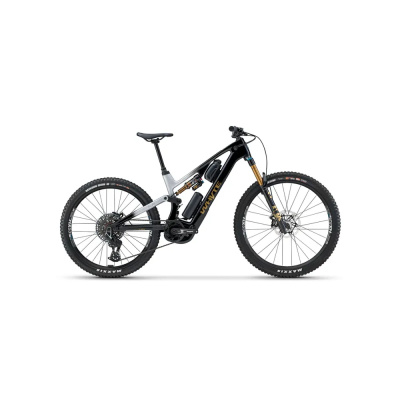
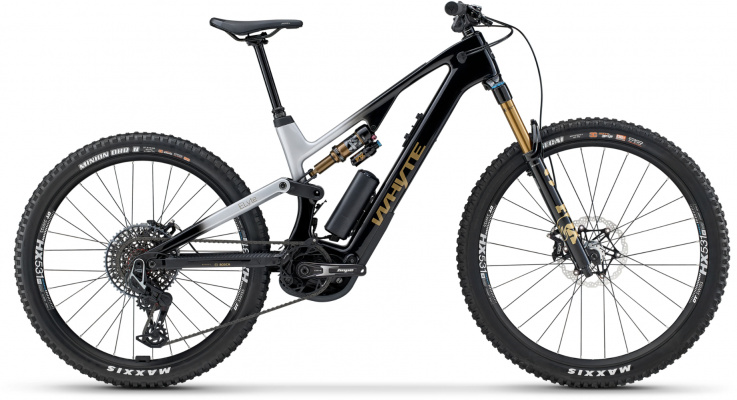
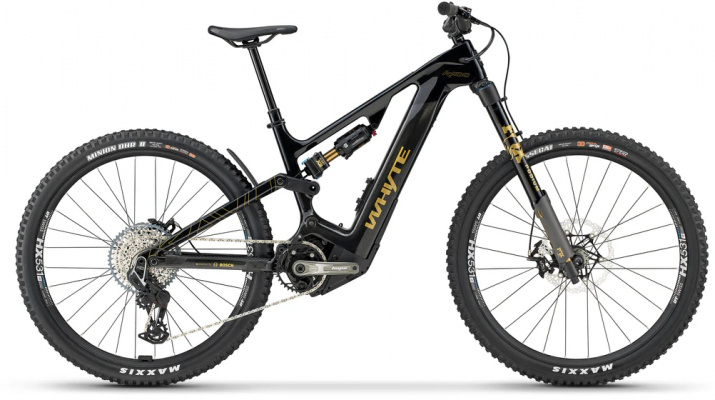
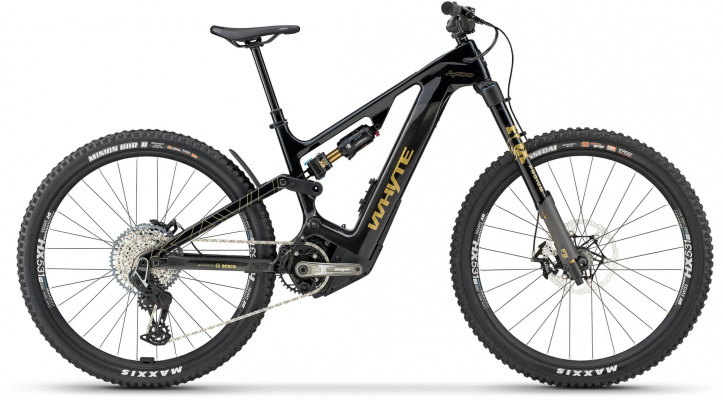
Whyte E-Bikes didn't arrive by bolting a motor to an existing chassis and calling it done. Whyte went back to the drawing board - reshaping the frame geometry, repositioning the motor, and rethinking where the battery sits. The result is a range of electric mountain bikes with a centre of gravity that sits noticeably lower than most rivals, giving you traction and composure that you'd normally only associate with a well-sorted acoustic bike.
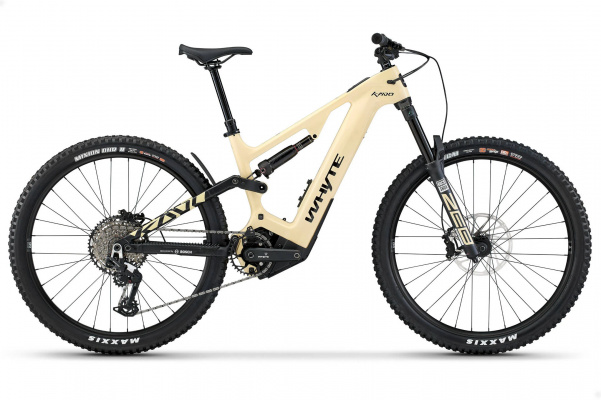
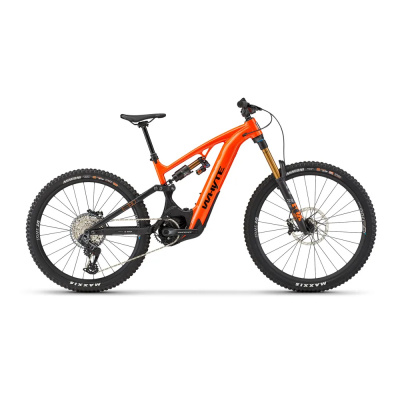
The approach is deliberate. By rotating the Bosch Performance Line CX motor and sliding the battery deep and low into the downtube, Whyte shifted the mass where it counts - closer to the ground, centred between the wheels. You feel the difference the moment a trail gets steep or slippery.
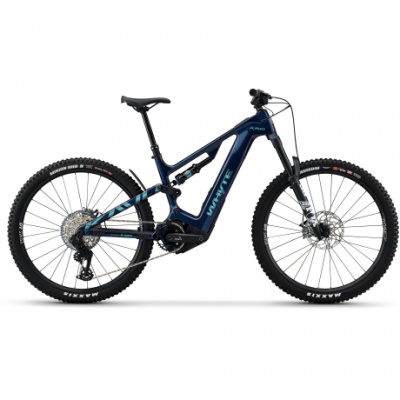
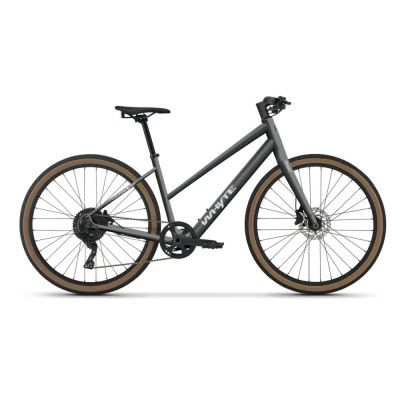
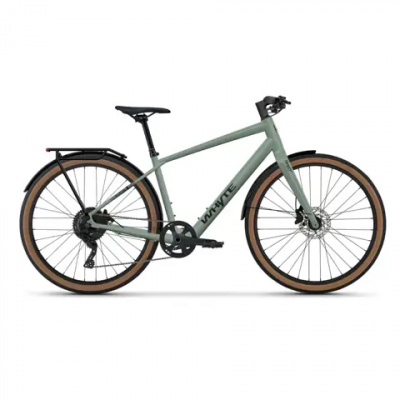
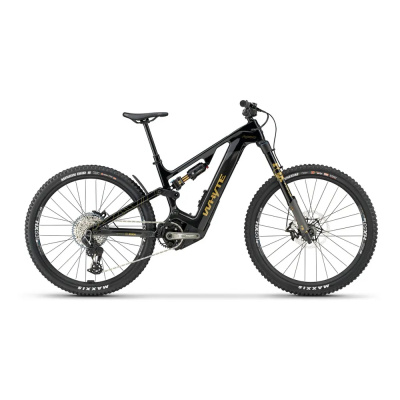
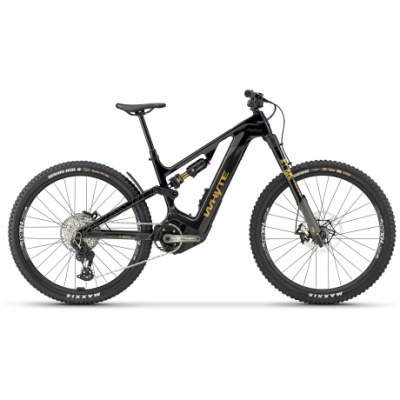
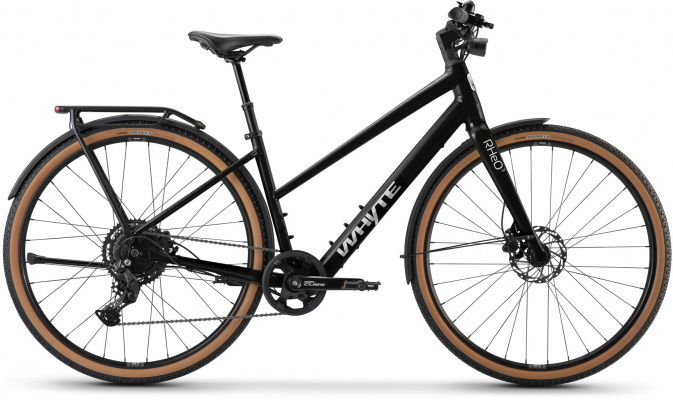
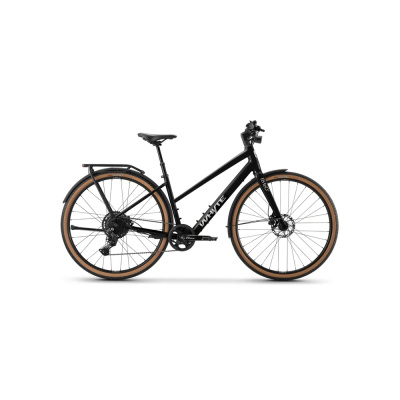
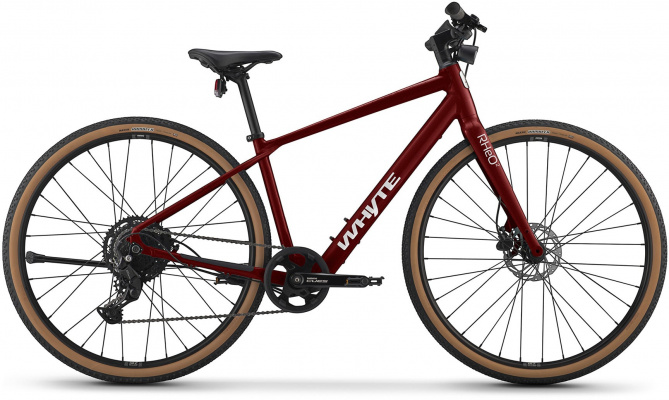
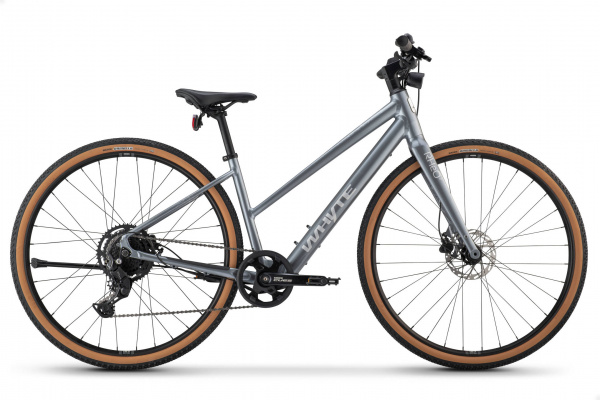
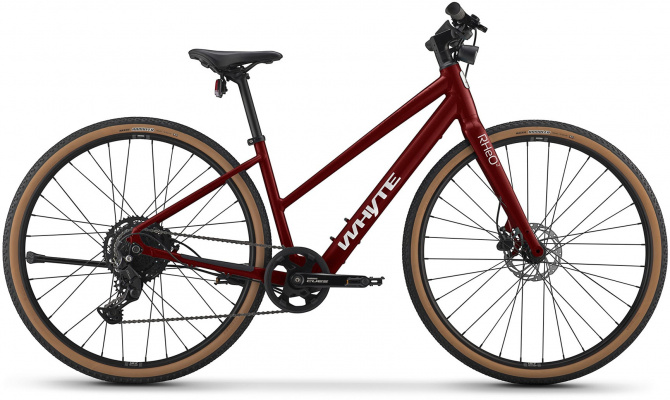
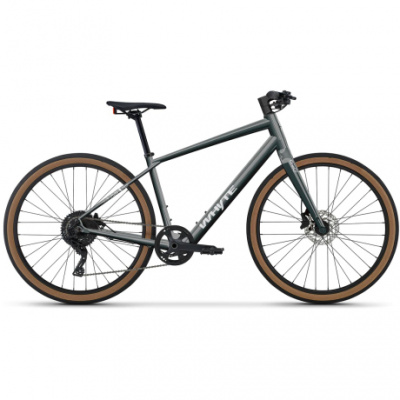
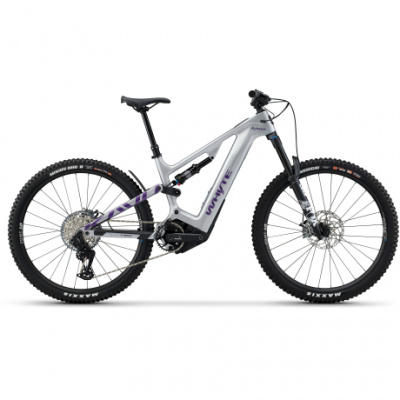
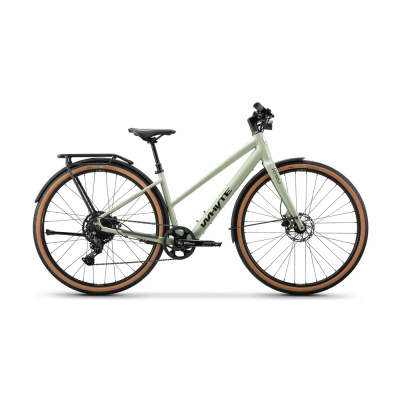
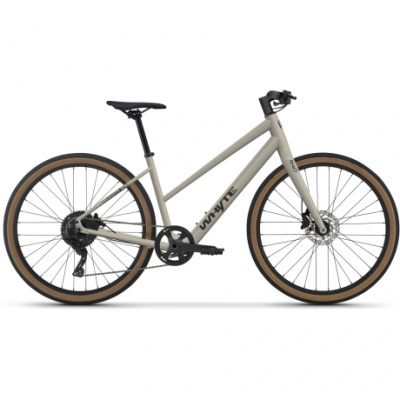
The range spans proper full-power enduro machines through to the Fazua Ride 60-equipped E-Lyte series, which tips the scales at around 19kg and rides like something far closer to a conventional trail bike. There's also an E-Urban line for riders who want the Whyte build quality on the commute. OTO geometry, weather-sealed charging, and phosphate-coated bearings make these bikes genuinely suited to the UK's worst. If you're after Whyte e-bikes in the UK, you're looking at one of the most thoughtfully engineered options on the market.
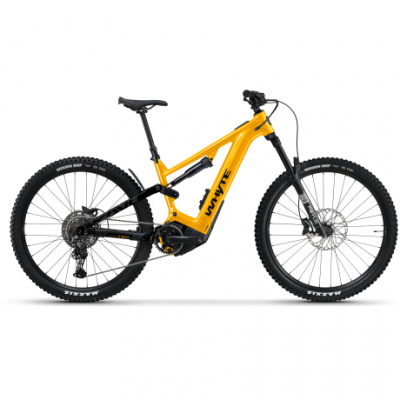
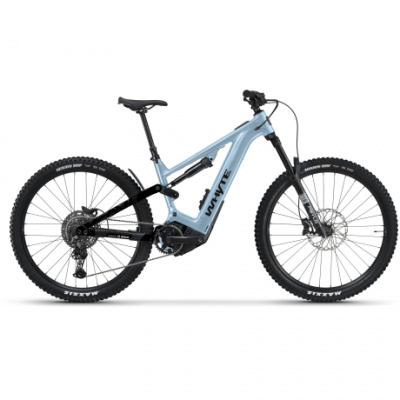
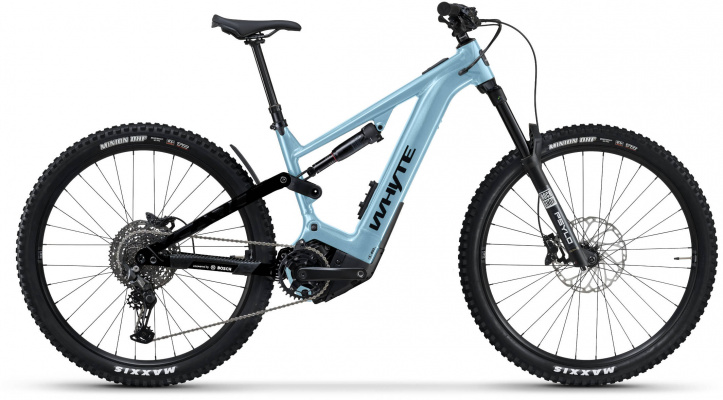
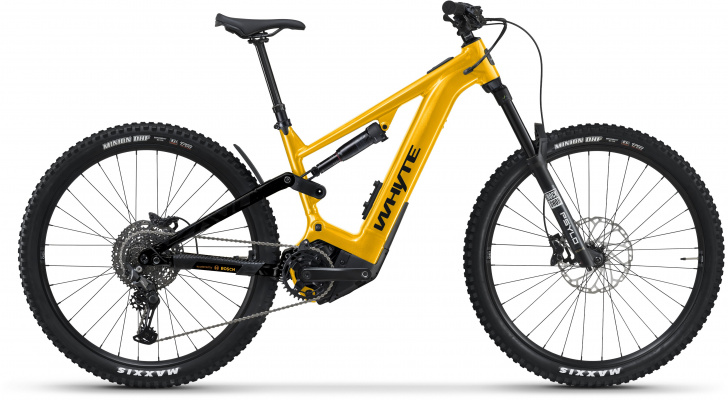
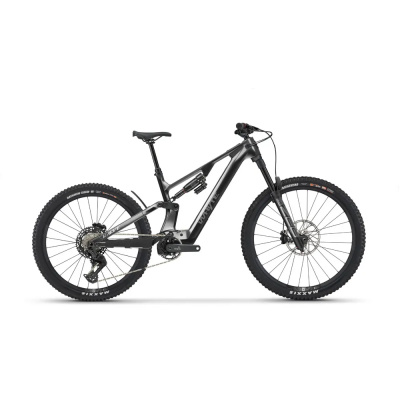
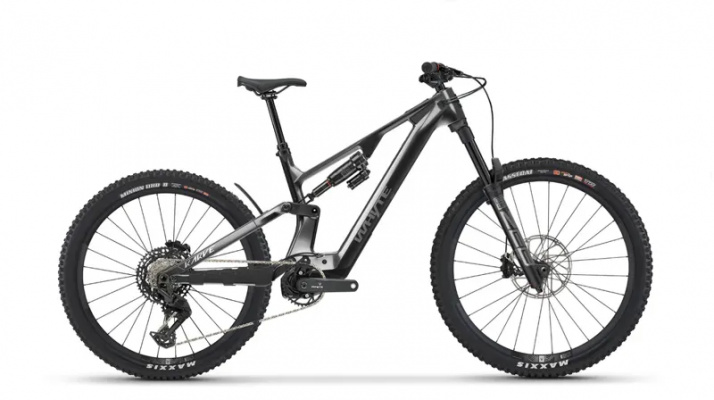
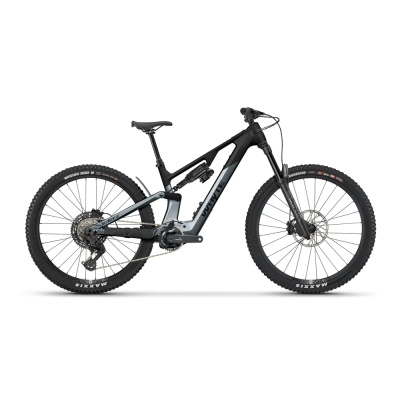
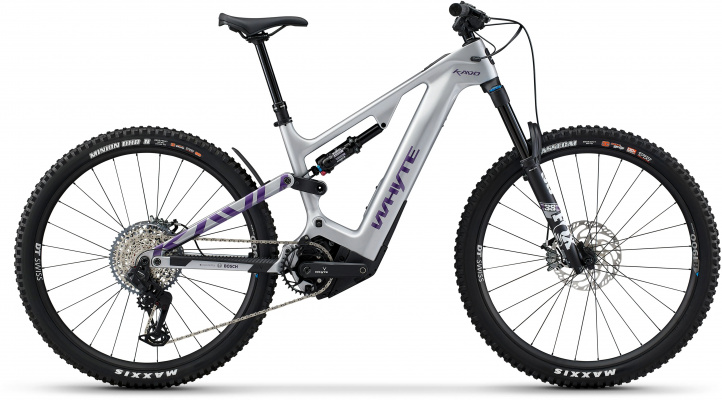
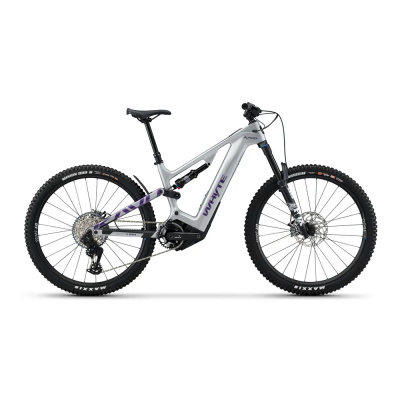
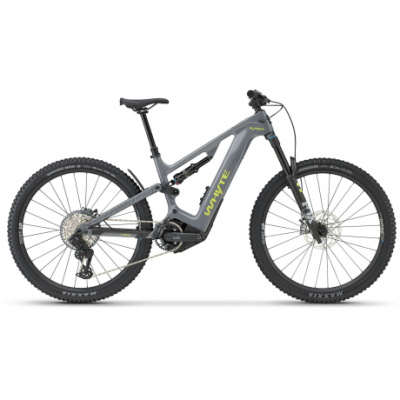
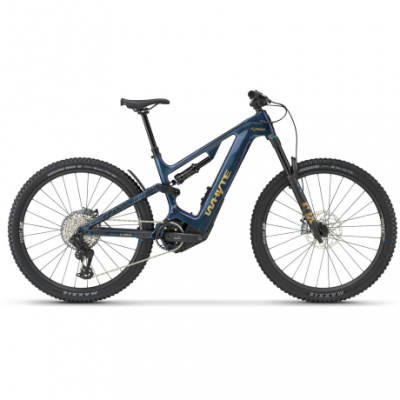
Prices and availability can change quickly. Delivery charges are not always included in listed prices.
Final price, stock status and delivery terms are set by retailer. We may receive a commission on purchases made.
Decoding the Whyte E-Bike Lineup
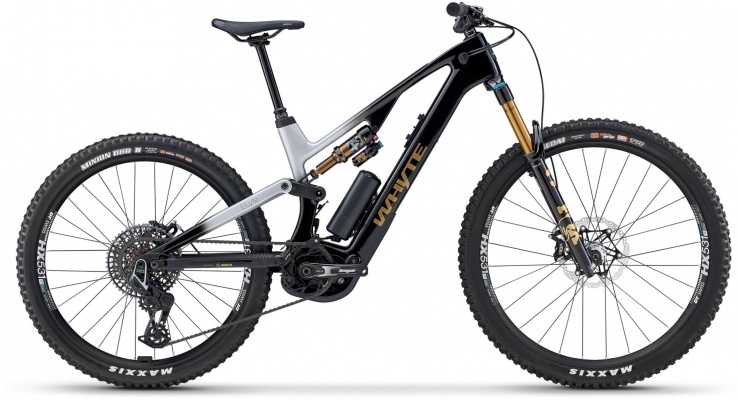
Whyte organise their electric range into three distinct families. At the top end you've got the E-160 and E-180 - full-power enduro and trail bikes running the Bosch Performance Line CX motor. The number tells you the rear travel in millimetres, so the E-180 is the longer-legged, more committed descender of the two. Both pair that motor with high-capacity PowerTube batteries and are built around Whyte's aggressive geometry. These are the bikes you'd reach for when a North Wales ridgeline is on the cards.
Then there's the E-Lyte series. These use the Fazua Ride 60 system - compact, quiet, and significantly lighter. The E-Lyte drops you into the 19kg bracket, which changes how the bike moves under you. It's nimbler, more toss-able on tight switchbacks, and when the motor's off it doesn't drag you down like a heavier full-power machine would. Worth knowing: the mullet e-bike configuration (29-inch front, 27.5-inch rear) on some models sharpens steering response without sacrificing rollover.
Trim levels run from entry S specs through RS and up to Works builds with top-shelf suspension and drivetrains. Generally, S gives you solid, reliable components for most trail riding; Works is where you're getting flagship forks, brakes, and finishing kit. If you're not sure which level suits your riding, the rule of thumb is to spend on the frame and motor, then upgrade components later as your riding progresses.
If you're actually after a non-motorised trail bike or a conventional commuter, Whyte's mountain bike range and hybrid bike lineup are worth a look - both carry the same geometry obsession into unpowered builds.
The Whyte Tech Philosophy: Gravity and Geometry
Whyte's engineering philosophy centres on one idea: an e-bike that handles like a proper mountain bike, not a motorised approximation of one. Their OTO (Optimised Trail Offset) geometry is central to that. Rather than borrowing trail figures from acoustic bikes and hoping for the best, Whyte recalculates the fork offset and trail numbers specifically for the added mass of a motor and battery. The steering response stays accurate rather than going vague or nervous - a common failing when manufacturers simply fit longer forks to an existing frame.
The rotated motor mounting is the other headline move. Bosch's Performance Line CX motor is physically rotated within the bottom bracket zone so the battery can sit lower in the downtube. Think of it like moving ballast in a boat - drop it lower and the whole thing becomes more stable. On steep, off-camber lines where you'd normally feel the bike wanting to tip, that low centre of gravity keeps the front wheel planted and predictable.
The slide-in battery rail system is less visible but arguably just as important. Traditional e-bike frames often have the battery sitting inside an open tube that can flex slightly under load, which softens chassis feel and introduces unwanted movement through corners. Whyte's rail system locks the battery into the frame as a structural element, so you get a stiffer, more responsive chassis as a direct result. It also makes battery removal cleaner and more secure day to day.
Suspension kinematics get custom tuning for each e-bike model too. Whyte account for the extra mass in how the linkage progresses through its travel - so the bike doesn't sit too deep in the sag or feel harsh under acceleration. It's the sort of detail that separates a bike engineered as an e-bike from one that was adapted after the fact. If you're considering a Whyte frame for a custom build, that kinematics work is baked into the chassis itself.
Living with a Whyte E-Bike in the UK
British riding conditions are a proper stress test for any bike. Autumn through spring, you're dealing with gritty, waterlogged trails that eat through bearings and seals at a pace that'd make a mechanic wince. Whyte take this seriously. Their pivot bearings are phosphate-coated and marine-greased from the factory - not a post-sale upgrade, just how the bike comes. That coating creates a barrier against the kind of fine wet grit that works its way into standard bearings and destroys them over a winter season in the Peak District or on the Brecon Beacons.
Mud clearance in the rear triangle is genuinely generous. You won't be stopping every few miles to excavate the stays with a stick - which, if you've ridden claggy Welsh clay in February, you'll know is not a trivial concern. Keep an eye on the weather seals around the charging ports and battery cover, though. They're well designed but worth a quick check after prolonged wet riding; a compromised seal is the one thing that can cause grief with the e-bike battery integration. A dry cloth wipe and a check that the covers are seated properly takes thirty seconds and saves potential problems.
For winter riding specifically, fitting a set of Whyte mudguards is a straightforward way to keep grime off the bottom bracket and motor area. Whyte's own guards are cut to clear the tyre sizes the bikes run, so you're not improvising with zip ties and hope. If your riding leans more towards mixed surfaces and you're looking at Whyte electric mountain bikes for gravel adventures too, the Whyte gravel range sits alongside the e-bikes as an alternative for riders who want lighter, more road-friendly builds without a motor.
One practical note: the weather-sealed charging ports mean you can leave the bike in a garage or outhouse without worrying excessively about moisture ingress, but don't submerge the port or pressure-wash directly at it. Common sense, but worth saying. The charging cover latch is designed to be snapped shut every time - make it a habit and it'll look after itself.
Related searches:
Whyte E-Bikes FAQs
Are Whyte e-bikes any good?
Genuinely, yes. Whyte's rotated motor mounting drops the centre of gravity lower than most rivals, and OTO geometry is recalculated specifically for e-bike mass - so the handling stays sharp rather than feeling unwieldy. Add phosphate-coated bearings, weather-sealed charging, and aggressive geometry, and these bikes are built to cope with the worst of UK trail conditions.
What motor do Whyte e-bikes use?
Full-power models like the E-160 and E-180 run the Bosch Performance Line CX - one of the most torque-rich motors in the e-MTB market. The E-Lyte series takes a different approach, using the Fazua Ride 60 system, which is lighter, quieter, and gives a more natural ride feel when you dial the assist back.
How much does a Whyte e-bike weigh?
Expect the full-power E-160 and E-180 models to come in around 25 - 26kg. That mass works in your favour on fast, rough descents - planted and controlled. The E-Lyte series cuts that down to roughly 19kg, which is a meaningful difference you'll notice on technical climbs and when manoeuvring on tight, switchback-heavy trails.