
Whyte Hybrid Bikes
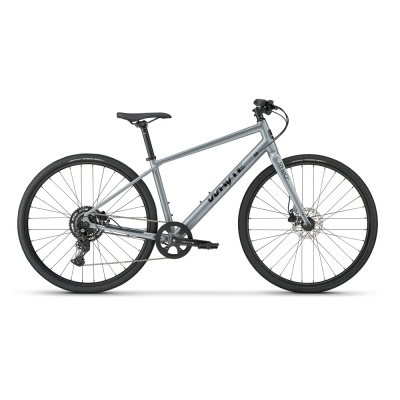
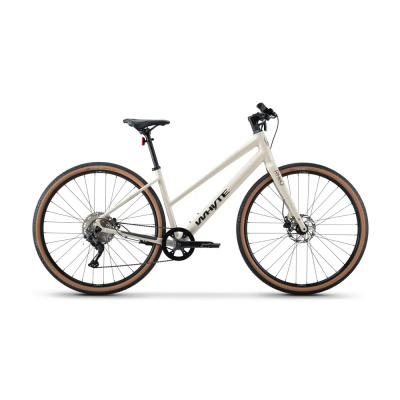
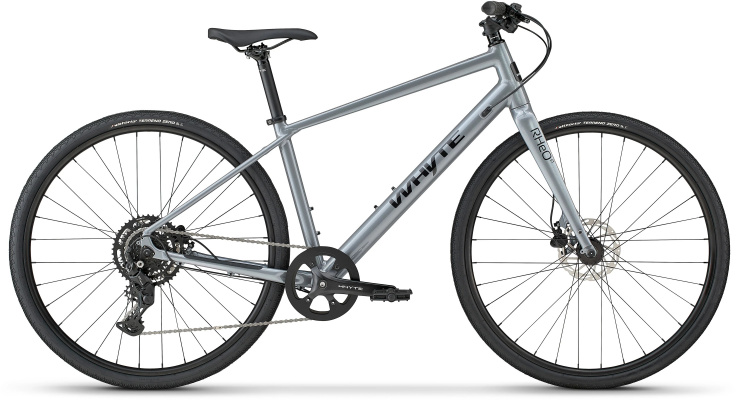
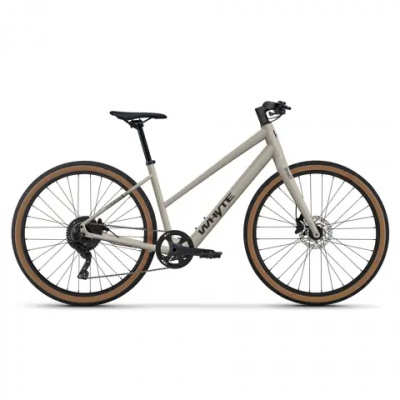
Whyte hybrid bikes take something genuinely unusual and run with it: mountain bike geometry, transplanted directly into the urban commuter world. The result is a range of flat-bar bikes that feel planted and predictable on potholed city streets, canal towpaths, and rain-soaked roundabouts in a way that most hybrids simply don't. Where a conventional commuter can feel twitchy in traffic, Whyte's longer wheelbase and carefully considered head angles give you the kind of calm, composed ride you'd expect on singletrack - not sat behind a bus in the rain.
The range covers speed-focused road commuters and more capable all-surface machines, with models cut for both standard and compact builds. Flat bars, hydraulic disc brakes, and weather-proof construction run throughout, so you're not sacrificing control when the weather turns - and in the UK, it always turns. Internal cable routing is fully sealed against grit and salt, keeping your shifting clean through winter. Custom rear dropouts make mudguard fitting straightforward rather than a Sunday afternoon argument with a spanner.
If you're after an assisted commute, Whyte's e-bike range is worth a look instead. But if you want a quick, capable, low-maintenance pedal bike that's built around how British riders actually ride to work, you're in the right place.
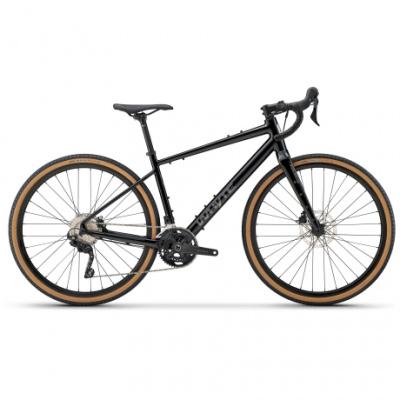
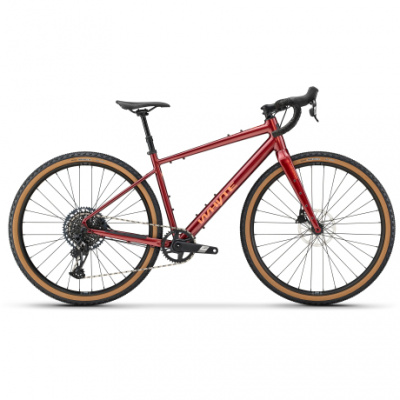
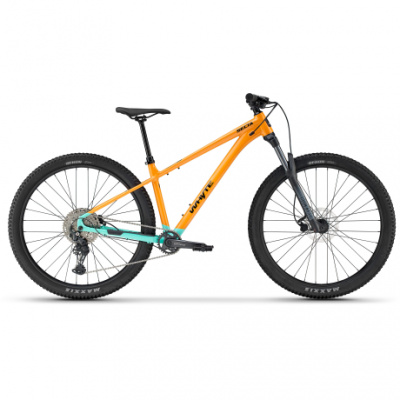
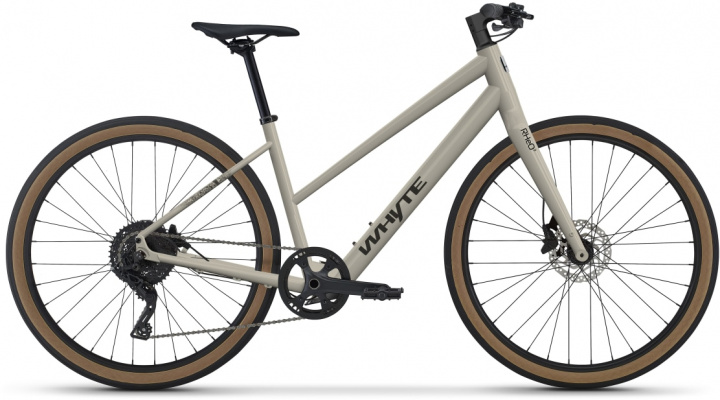
Prices and availability can change quickly. Delivery charges are not always included in listed prices.
Final price, stock status and delivery terms are set by retailer. We may receive a commission on purchases made.
Mapping the Whyte Hybrid Range
Whyte splits its hybrid lineup into two clear families, and knowing which suits you saves a lot of head-scratching. The R-Series is the fast urban option - 700c wheels, lighter frames, and a road-biased setup that rewards a quick pace on tarmac. The Stirling and Portobello sit here, and if your commute is mostly smooth road with the odd rough patch, this is where to start. The C-Series goes in the opposite direction: 650b wheels with high-volume tyres that absorb the kind of broken urban surfaces that'll rattle fillings loose on a 700c. Rougher routes, towpaths, or anything involving prolonged cobbles - the C-Series handles it better.
Within those families, Whyte also offers models with compact geometry for riders who want a lower standover and shorter reach without compromising the handling character. The Victoria is the women's-specific option, built around a different frame shape rather than just a colour swap. The Caledonia follows a similar brief. Both retain the same geometry philosophy as the rest of the range - they're not watered-down versions.
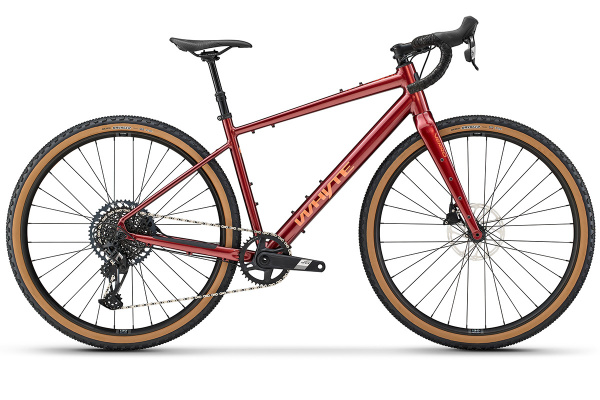
If your commute stretches into longer weekend rides and you'd prefer drop bars, it's worth checking out Whyte gravel bikes - they cover similar ground with a more aggressive, drop-bar setup for mixed surfaces and distance.
What Whyte's Geometry Actually Does for You
Whyte's Total Geometry concept is the core idea behind the whole range, and it's more than marketing copy. A longer top tube paired with a short stem is the key combination. A longer top tube on its own would stretch you out uncomfortably; a shorter stem on its own would quicken the steering uncomfortably. Together, they give you a front end that's stable and predictable - the kind of thing MTB designers have known for years - without making the bike feel slow to respond.
In traffic, that matters. Dodging a car door or holding a straight line on a cambered road in the wet requires a bike that doesn't dart or wander. Whyte's alloy frame construction is tuned for this, with a geometry that inspires confidence rather than anxiety when things get unpredictable. It's a measurably different feel to a hybrid with a more relaxed, upright setup and a long stem - both legally classified as hybrid bikes, but very different experiences.
Alongside the geometry, weather-proof internal cable routing with sealed entry points keeps grit, road salt, and winter muck out of the shifting system. Cables routed externally on a commuter bike pick up dirt and corrode; Whyte's sealed routing means you're not re-cabling every spring. Hydraulic disc brakes sit across the range for consistent stopping in wet conditions - a flat bar bike without them in the UK is a compromise you'll notice every November through February.
Day-to-Day Life on a Whyte Hybrid
Tyre clearance is one of those practical details that separates a bike that works year-round from one that's fine in summer. Whyte's C-Series frames will swallow tyres up to 47c on 650b rims - wide enough to run at lower pressures and take the sting out of broken tarmac without going full mountain bike. That's not a small thing on British roads. Even the R-Series 700c models offer more clearance than most competitors at the same price, which means you've got room to fit a more comfortable tyre if you want it.
The custom rear dropouts are a detail worth knowing about before you buy. Whyte designed them specifically to accept mudguards and kickstands cleanly, without the usual faff of adapters and bodged mounts. Fitting Whyte mudguards is a straightforward job as a result - important if you're commuting through winter and don't want a stripe of road spray up your back on day one. Full-length mudguard coverage is non-negotiable for UK winter riding, and Whyte has engineered the frame to support it properly.
Sealed bearings throughout the drivetrain and contact points mean lower maintenance over time. You're still going to need to clean the bike, but a Whyte hybrid is less sensitive to neglect than a budget commuter with open bearings. For daily riders who don't want to spend every weekend servicing their bike, that low-maintenance character is a genuine advantage.
One thing to check before buying: sizing. Whyte's longer reach can look alarming on a geometry chart compared to what you're used to. Stick to your normal size - the short stem compensates for the longer front end, and most riders who size down end up with a cramped cockpit and twitchy handling. If you're between sizes, it's worth looking at the stack and reach numbers rather than just the frame size label.
Whyte Hybrid Bikes FAQs
Are Whyte hybrid bikes good for commuting?
Very much so. The MTB-inspired geometry gives you real stability in traffic, and the weather-sealed components - internal cable routing, hydraulic disc brakes, sealed bearings - are built for year-round UK use. They're not the lightest option, but for reliability and confidence on potholed city streets in all weathers, they're hard to fault.
What is the difference between Whyte R-Series and C-Series?
The R-Series runs 700c wheels and is set up for speed on tarmac - think smooth roads and a quicker pace. The C-Series uses 650b wheels with wider, high-volume tyres, which absorbs rough surfaces and broken urban roads far more effectively. If your route is mostly smooth road, R-Series; if it's patchy or includes towpaths, C-Series.
Do Whyte hybrid bikes run large?
They look long on paper because of the extended top tube, but that's intentional - it's paired with a shorter stem as part of Whyte's Total Geometry. In practice, you should stick to your normal size. Sizing down to compensate for the reach usually makes the handling worse, not better. Trust the geometry and go true to size.