
Trek Pedals
Trek bike pedals have come a long way since the days when they were badged under the Bontrager name - the rebranding to Trek for hard goods brings the full pedal range firmly into a unified component ecosystem, and the engineering hasn't skipped a beat. Whether you're threading through wet Welsh rock gardens on flats or pushing hard watts on a tarmac sprint, these pedals are built around high-grade chromoly spindles and fully sealed cartridge bearings designed to keep spinning when Peak District grit and winter road salt are doing their worst.
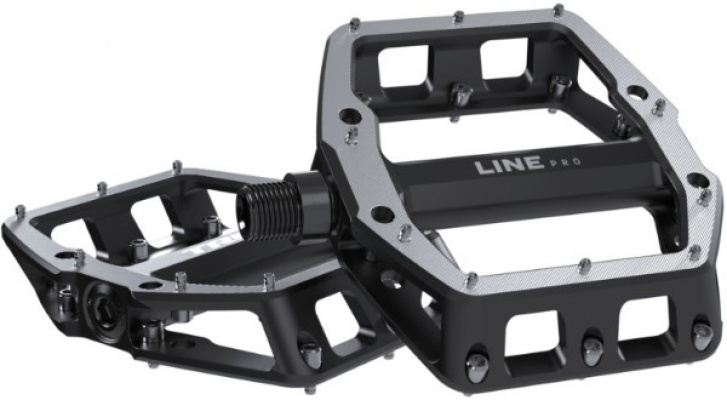
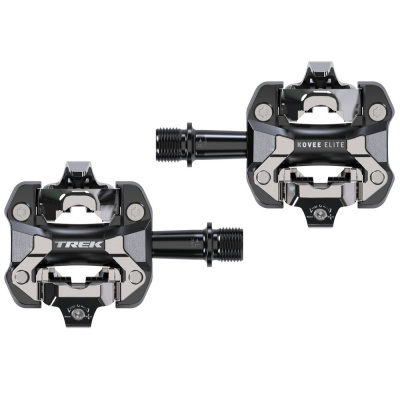
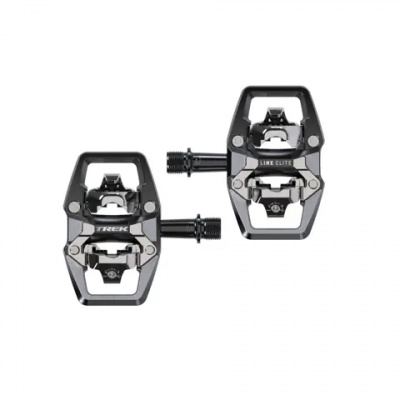
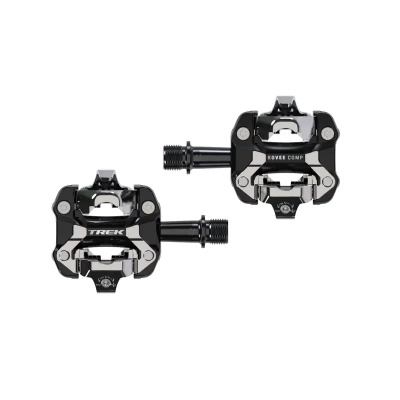
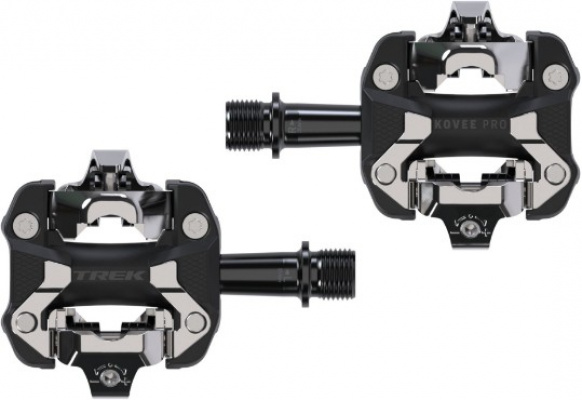
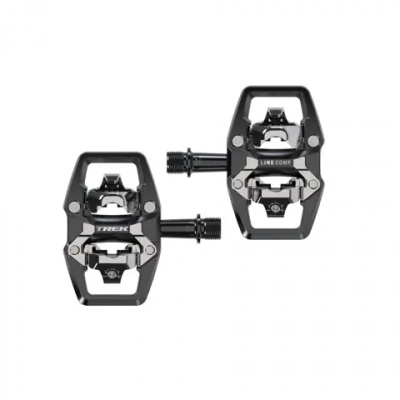
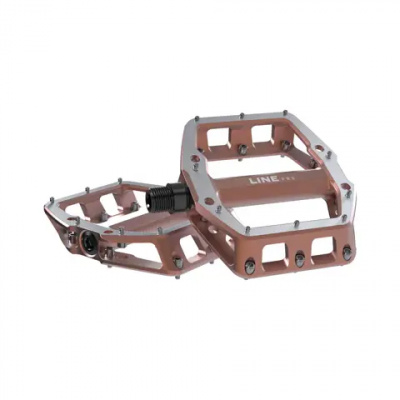
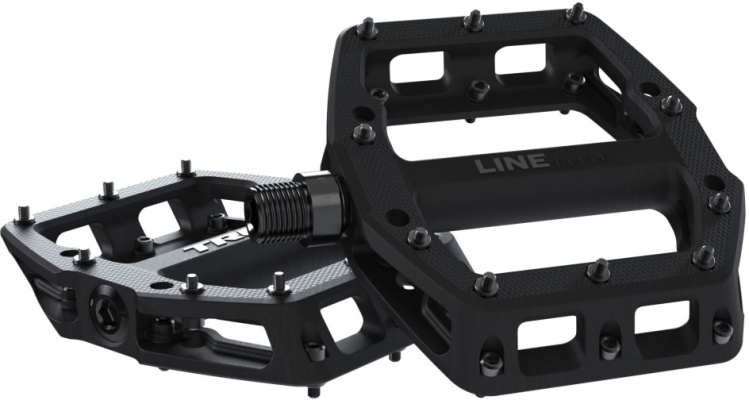
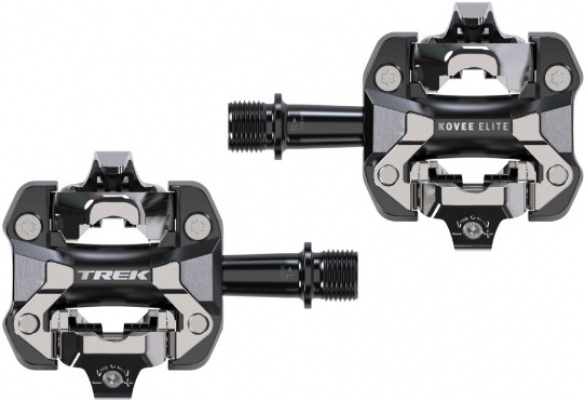
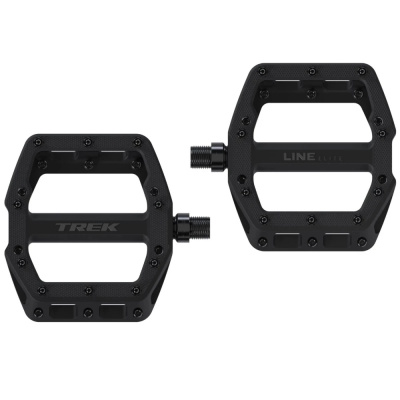
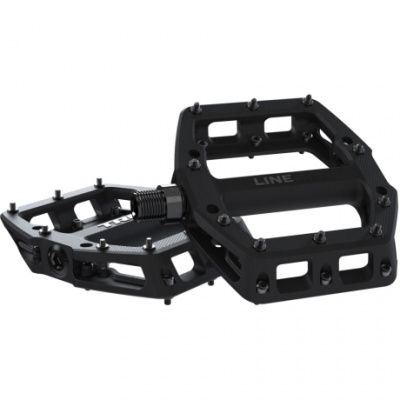
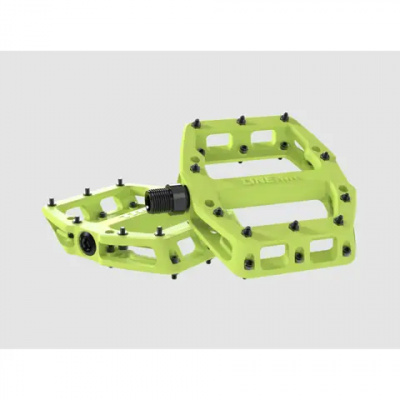
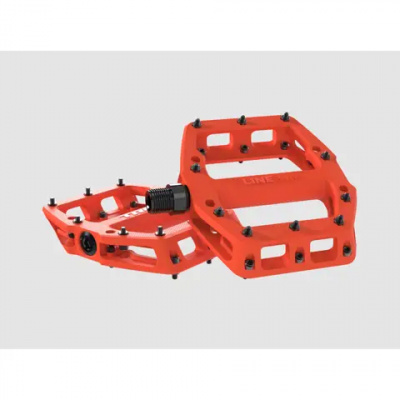
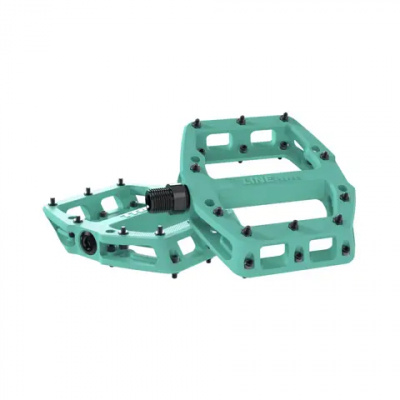
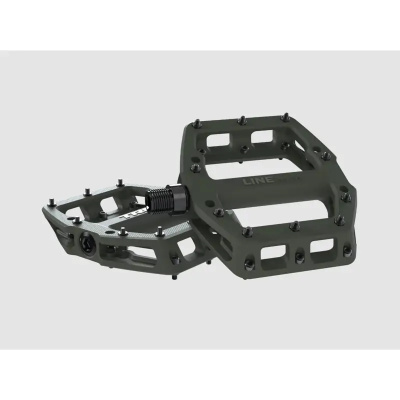
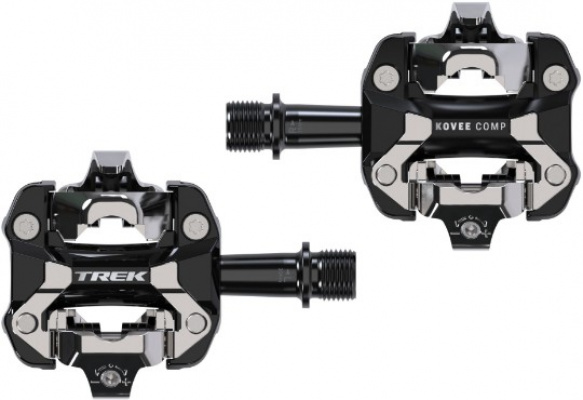
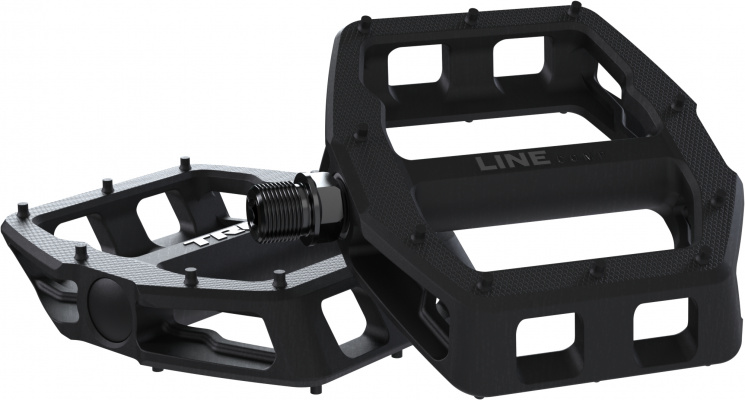
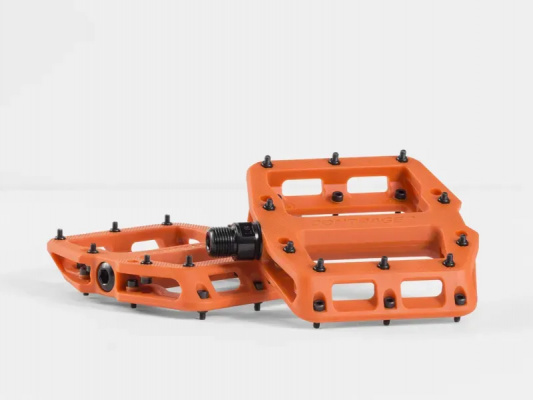
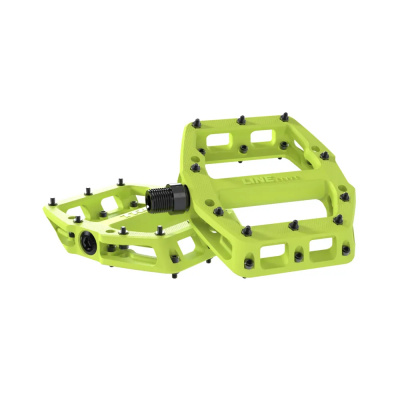
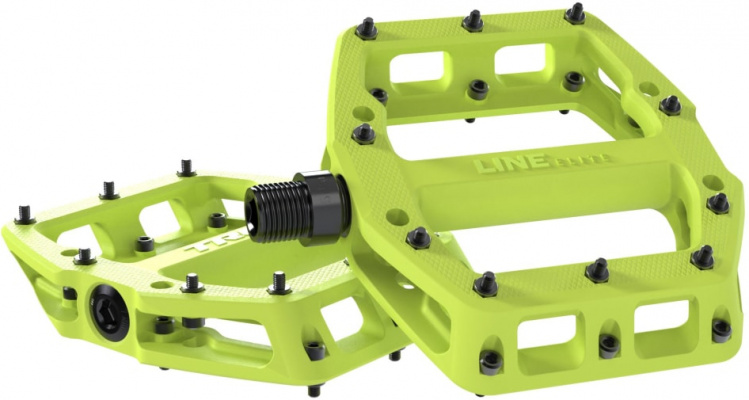
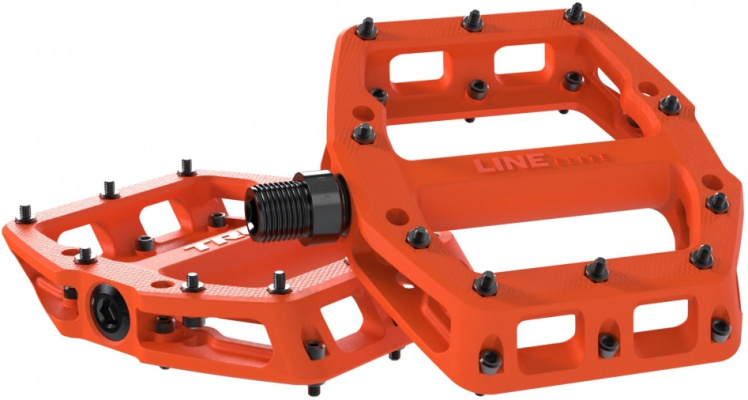
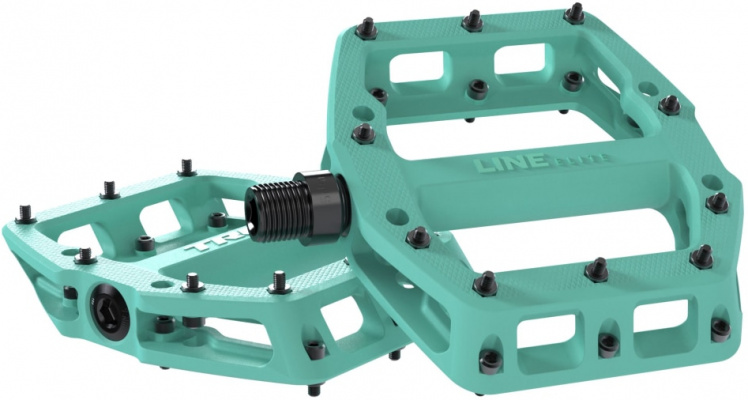
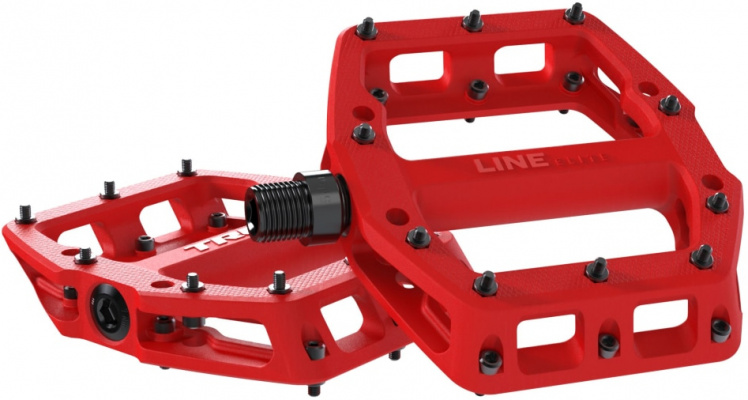
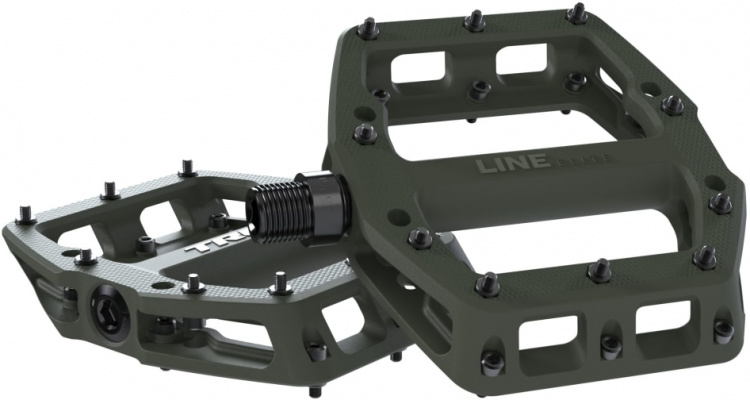
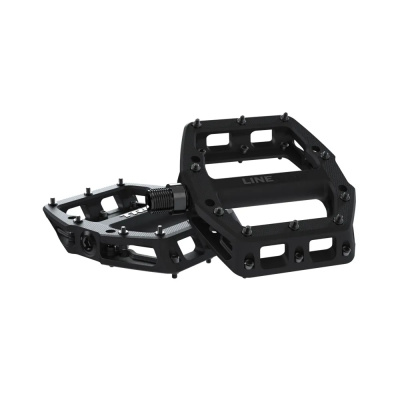
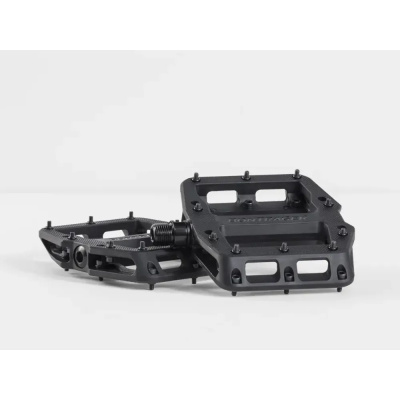
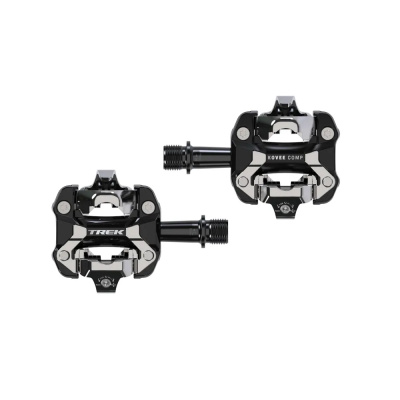
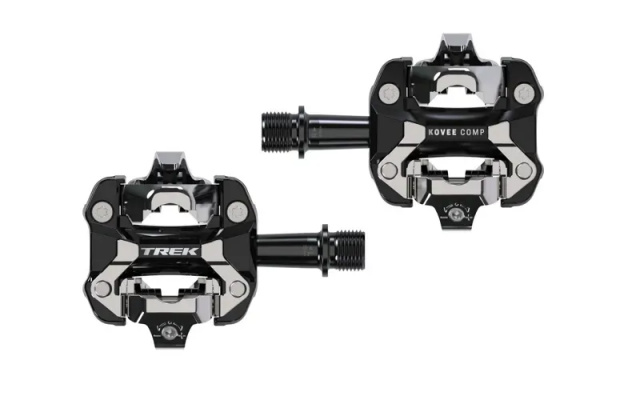
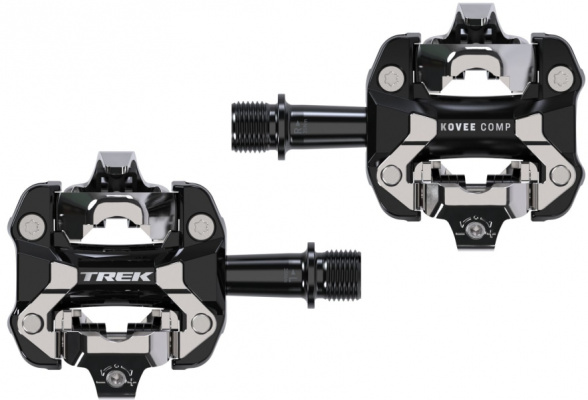
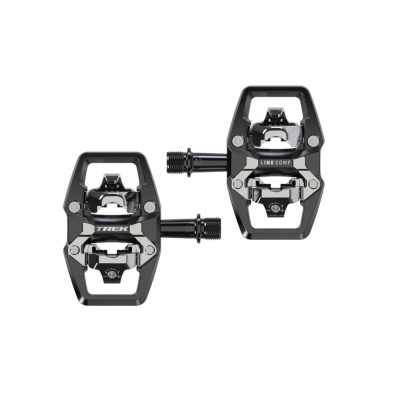
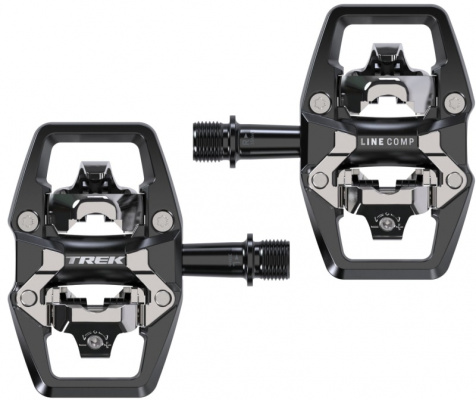
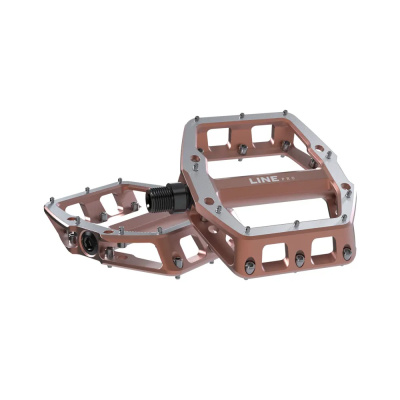
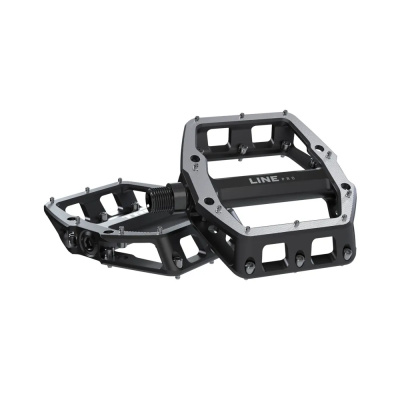
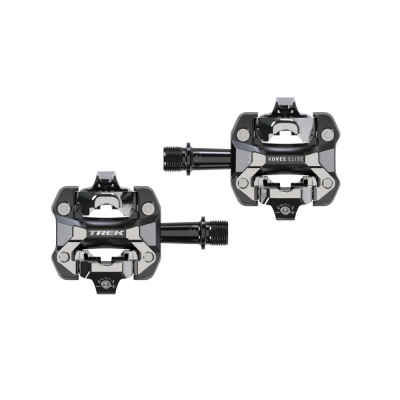
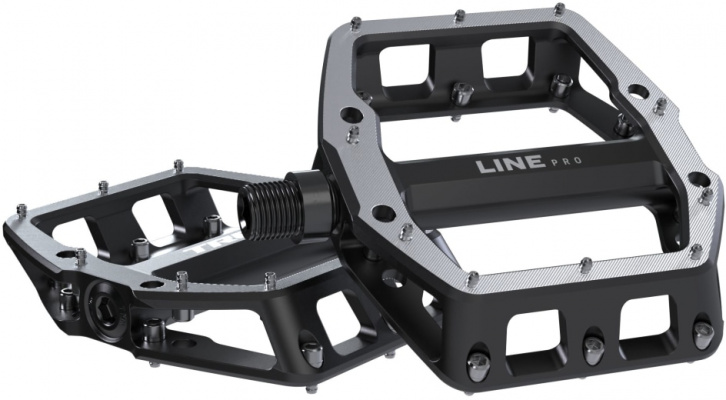
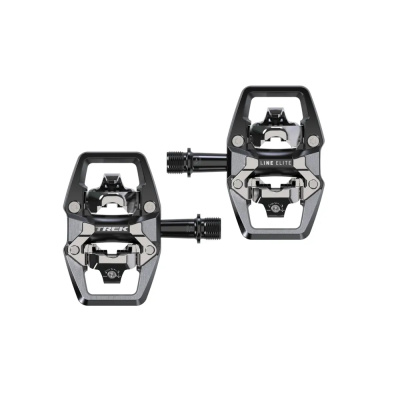
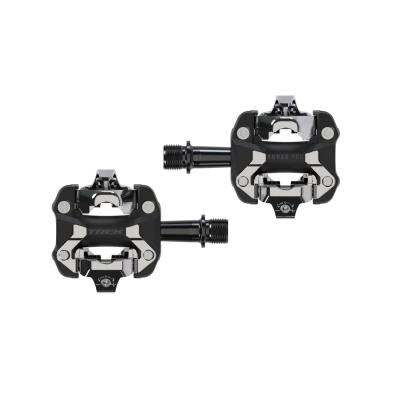
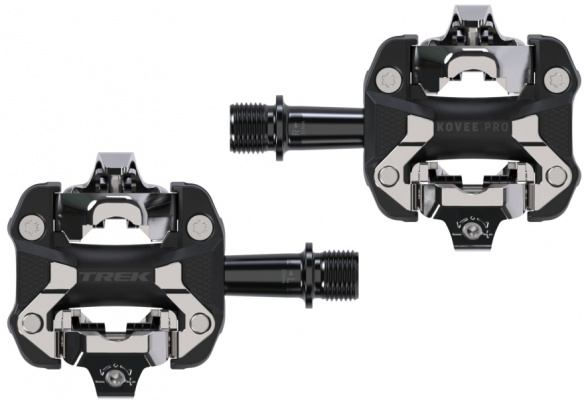
The range splits cleanly into two worlds. The Line series flat pedals are the go-to for mountain bikers who want grip they can rely on - adjustable traction pins, a wide platform, and a build quality that doesn't flinch at a winter thrashing. On the clipless side, the Kovee models bring dual-sided SPD-compatible engagement to riders who clip in for everything from gravel loops to road miles. Reliable, serviceable, and straightforward to fit - these are pedals you buy once and forget about, in the best possible way. Browse our price-compared selection below to find the right Trek pedals for how you ride.
Prices and availability can change quickly. Delivery charges are not always included in listed prices.
Final price, stock status and delivery terms are set by retailer. We may receive a commission on purchases made.
Will Trek Pedals Fit Your Bike?
Short answer: almost certainly yes. All adult Trek pedals use the industry-standard 9/16-inch thread, which means they'll bolt straight onto cranks from Shimano, SRAM, Praxis, and pretty much any other manufacturer you care to name. The only exception is older one-piece cottered cranks or some BMX-specific setups - on a modern bike, you won't have a problem.
Cleat interface is where it gets slightly more nuanced. Trek's MTB and gravel clipless pedals - the Kovee range in particular - use a standard 2-bolt SPD-compatible mechanism, so any shoe drilled for Shimano cleats will work straight away. Their road-focused pedals switch to a 3-bolt Look Kéo-style system, which is worth double-checking before you order if you're running a road shoe with a fixed cleat plate. It's the kind of thing that catches people out, so have a look at the sole of your shoe before you commit.
One thing worth considering if you run a wider stance: Q-factor - the lateral distance between the pedal face and the crank centreline - varies slightly across the range. Riders who've dialled in their fit on wider-Q pedals may want to check the specs before switching models, particularly if knee tracking has been an issue in the past. If you're weighing up alternatives, Crank Brothers pedals and DMR pedals offer slightly different Q-factor profiles worth comparing.
Comp, Elite, and Pro: What You Actually Get at Each Level
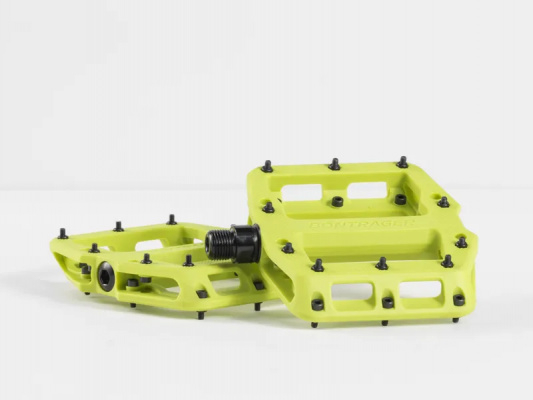
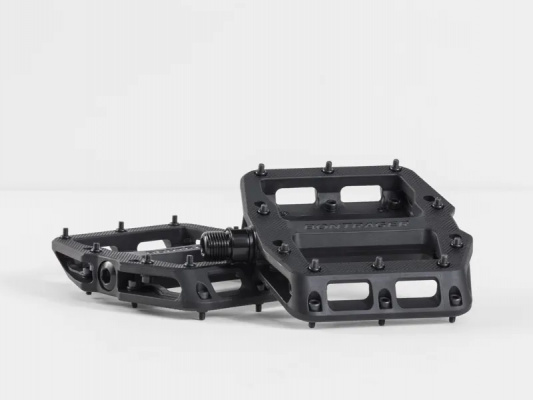
Trek's pedal lineup follows a tiered structure, and the jumps between levels are more meaningful than the price tags alone suggest. Start at Comp level and you're getting nylon composite bodies - light enough, functional, but with basic bushing internals that will wear faster if you're riding through muddy Welsh trail centres every weekend. Fine for occasional use or someone stepping up from stock pedals for the first time.
Move to Elite and the body shifts to alloy, the sealing improves noticeably, and the overall feel is more solid underfoot. These are the pedals that make sense for riders putting in regular miles - a season of damp British riding won't grind them into the ground. The platform stiffness is a real step up from composite, and you feel that on longer climbs where flex in a cheap pedal body quietly robs you of power.
Pro tier is where the chromoly spindles with sealed cartridge bearing and bushing internals really earn their keep. CNC-machined aluminium bodies, premium bearing quality, and on the Line Pro flat pedals, customisable traction pin placement - you can tune the pin layout to your shoe sole and riding style, which matters more than it sounds when you're fighting for grip on off-camber roots in the wet. The dual-sided SPD-compatible engagement on the Kovee Pro models is also notably smoother to clip into, which adds up over a long day in the saddle. If you're a regular rider with ambitions beyond Sunday spins, Pro is where the value argument starts to stack up. For comparison, Look pedals compete at a similar road-focused Pro level if that's your discipline.
Keeping Trek Pedals Running Through UK Winters
Pedals take more punishment than most riders give them credit for - they're down in the firing line for every splash, every muddy berm, and every salty puddle your winter commute throws at them. A bit of attention goes a long way.
First thing, before you even think about riding: grease the threads. Aluminium cranks and steel spindles are a classic recipe for galvanic corrosion, and a seized pedal axle is a horrible workshop job. A thin coat of anti-seize or quality grease on the thread before installation takes thirty seconds and saves a lot of grief six months down the line. Remember left pedal is reverse-threaded - it undoes clockwise. Everyone knows this, everyone forgets it once.
Trek's sealed cartridge bearing and bushing internals are serviceable rather than disposable, which is genuinely useful. For the Line flat pedals specifically, the service process involves removing the end cap, unbolting the spindle, and cleaning or swapping the internals with standard workshop tools - nothing specialist required. How often you need to do it depends on conditions: a dry summer of Surrey Hills riding is a different story from a winter's worth of Peak District grit working into every contact point. As a rough guide, check for play in the spindle every few months if you're riding regularly in wet and muddy conditions. Spin the pedal body by hand - any roughness or notchiness is your cue to strip and service.
Need replacement cleats, traction pins, or rebuild kits for your Trek pedals? Head over to our dedicated Trek tools and spares page to find the exact small parts to keep your contact points fresh. And if you're thinking about swapping tyres at the same time as refreshing your pedals, our Trek MTB tyres range is worth a look - a fresh set of rubber makes as much difference to trail grip as any pedal upgrade. Riders looking at broader Trek builds can also browse our Trek gravel bikes page for full build context.
Trek Pedals FAQs
Are Trek clipless pedals compatible with Shimano SPD cleats?
Yes. Trek's mountain and gravel clipless pedals - including the Kovee range - use a standard 2-bolt SPD-compatible mechanism. Standard Shimano SH51 (single-release) or SH56 (multi-release) cleats both work without any adapters or modifications needed.
Do Trek bikes come with pedals included?
Most mid-to-high-end Trek road and mountain bikes are sold without pedals, so you can fit your preferred system from the off. Entry-level hybrids and kids' bikes typically ship with basic flat pedals already installed. If you're unsure about a specific model, check the listed spec sheet before buying.
How do I service the bearings on Trek Line pedals?
Trek Line pedals use a serviceable sealed cartridge bearing and bushing system. Remove the end cap, unbolt the spindle, then clean or replace the internals using standard workshop tools. No specialist equipment needed. Check for spindle play every few months if you're riding regularly in wet or gritty conditions.