
Trek MTB Tyres
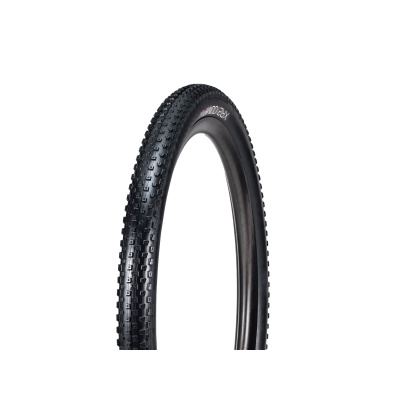
Trek MTB tyres - currently transitioning from the Bontrager name, same rubber either way - bring podium-tested traction and a tubeless setup that doesn't fight you in the car park. Whether you're threading wet roots on a Welsh trail centre or picking lines through South Downs flint, Trek's TM-Grip compound and TLR (Tubeless Ready) bead design give you adhesion and an airtight seat on modern wide rims without the faff. The compound itself is a softer, high-traction rubber that bites into slick surfaces where harder compounds skitter off, and that matters a lot on the greasy, off-camber stuff that UK trails throw at you through autumn and winter.
Casing choice is where it gets interesting. The lightweight Inner Strength option suits riders who want a fast, responsive feel on trail and XC days - less rotational weight, more pop. Step up to a Core Protect casing and you're getting reinforced sub-tread and sidewall layers that take the sting out of sharp slate and buried flint without flatting. Trek's TLR bead standard works across hooked and most hookless rim designs, making these a practical fit for a wide range of modern builds. If you're running a full Trek or Bontrager wheel set, compatibility is essentially a given. For riders doing longer mixed-surface days, check our Trek gravel and cyclocross tyres page instead.
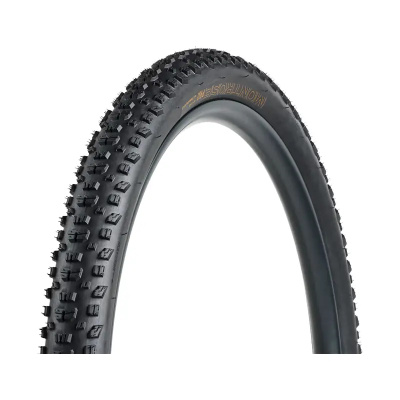
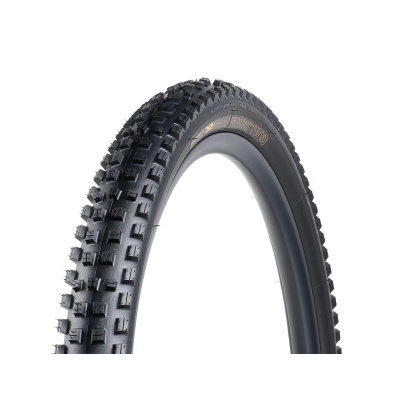
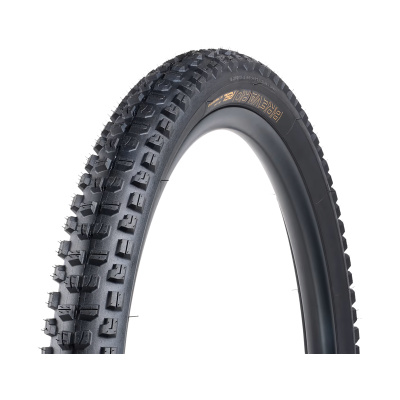
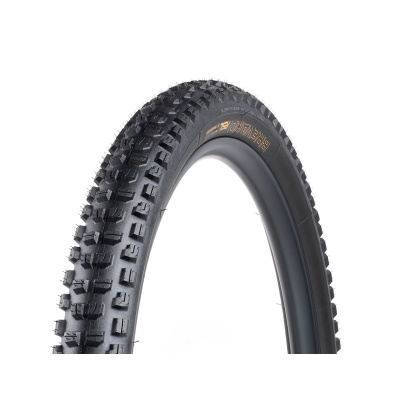
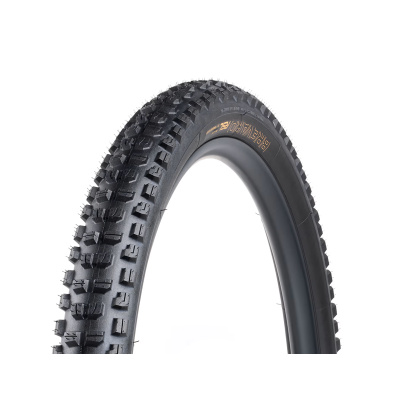
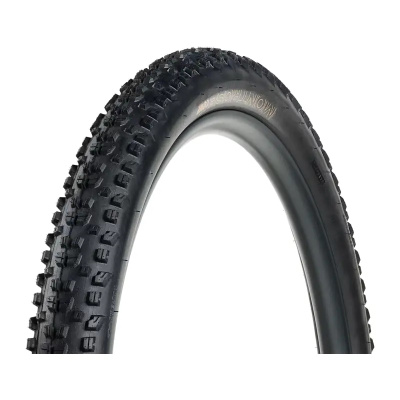
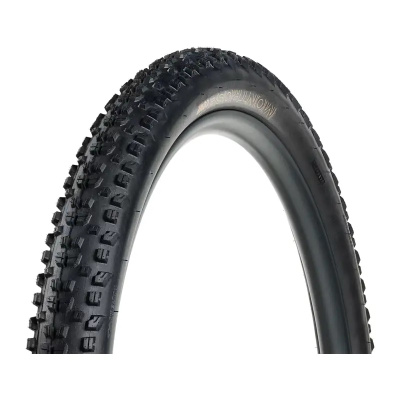
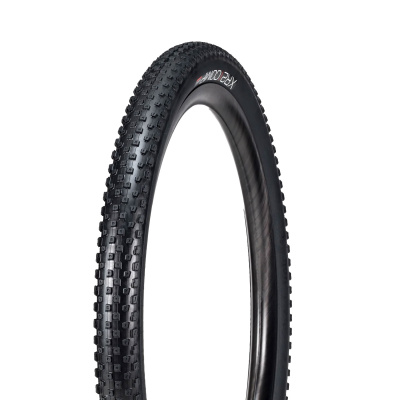
Prices and availability can change quickly. Delivery charges are not always included in listed prices.
Final price, stock status and delivery terms are set by retailer. We may receive a commission on purchases made.
Rim Compatibility and Tubeless Standards
Trek's TLR bead is designed to seat cleanly on both hooked and hookless aluminium and carbon rims, but you still need to match tyre width to internal rim width sensibly. As a working rule, a 2.4" tyre sits well on a rim with 29 - 32mm internal width; push to a 2.6" and you want at least 30 - 35mm inside. Run a wide tyre on a narrow rim and the sidewalls can't support themselves properly - the tyre wants to roll under load, which is exactly what you don't want mid-corner on Cwmcarn or anywhere with camber. Check your rim spec before you buy.
Hookless rims need a little more attention. Trek specifies maximum pressure limits for TLR tyres on hookless profiles - stay within those figures, particularly if you're using a softer SE casing at lower pressures for enduro. The bead lock on a hookless rim relies on tyre pressure to stay put, so running too low on an incompatible setup is a real risk. When in doubt, the rim manufacturer's documentation is your friend. And before you run any Trek TLR tyre tubeless, fit fresh Trek rim tape - old, punctured tape is the most common reason a tubeless setup won't hold air, and it's a cheap fix to get right first time.
The XR and SE Naming System Explained
Trek's tyre range uses a straightforward number-and-letter code once you know what you're looking at. The number indicates tread aggressiveness: a 2 is a fast-rolling, low-profile tread for XC and hardpack; a 3 or 4 gives you an all-round trail tread with decent side knobs; a 5 or 6 moves into open, aggressive spike patterns for mud clearing and enduro use. The letter - XR or SE - tells you about the casing underneath.
XR casings use the Inner Strength sidewall construction. It's a lighter build, designed to keep rotational weight down for riders who are climbing a lot or racing. You get a degree of sidewall protection, but it's not built to take repeated impacts from jagged rock. These suit trail and XC riding well - think the flowy Afan blue runs or Surrey Hills singletrack where puncture risk is moderate and you want the tyre to feel lively.
SE casings use Core Protect - a reinforced layer beneath the tread and into the sidewall that adds meaningful cut and abrasion resistance. It's heavier, noticeably so if you pick one up next to an XR, but that weight is doing real work if you're riding loose-over-hard Peak District grit or anything in the Dyfi valley where rocks appear from nowhere. The SE is the right call for enduro, aggressive trail riding, or anywhere you'd rather not be fixing a slash mid-descent. If you're comparing options from other brands, Maxxis MTB tyres and Specialized MTB tyres offer comparable casing tiers and are worth looking at side by side on Bikesy.
On the Trek versus Bontrager question - Trek owns Bontrager outright and is consolidating the branding back under the Trek name. The tread patterns, rubber compounds, and casing specs are identical regardless of which name is on the sidewall. If you see a Bontrager XR4 Team Issue and a Trek XR4 Team Issue, you're looking at the same tyre. Bontrager MTB tyres listed on Bikesy are the same product family.
Keeping Trek Tyres Rolling Through UK Conditions
The TM-Grip compound wears differently depending on what you're riding. On loam and soft ground - the kind of trail surface you get after a week of Welsh rain - it performs brilliantly, staying pliable and grippy. On hardpack chalk or compacted summer trails, the softer rubber wears faster than a harder compound would. That's the trade-off: more grip costs you some longevity on abrasive surfaces. Worth knowing if you're planning a long dry-summer riding season on limestone or chalk downland.
For riders in flint-heavy areas - South Downs, parts of the Chilterns, or anywhere the ground looks like it's been salted with broken glass - the SE casing with Core Protect is the practical choice rather than an optional upgrade. Sidewall slashes from flint are brutal and instant; the reinforced casing doesn't make you invincible, but it gives you meaningful resistance. A front flat on a technical descent isn't just an inconvenience.
Tubeless sealant needs topping up more often than most riders bother with. In UK conditions, where temperatures fluctuate and rides through mud and standing water are normal, latex sealant dries out or gets diluted. Every three to four months is a reasonable interval - pull the valve core, inject fresh sealant, and check the rim tape while you're in there. It takes ten minutes and saves you from a mid-ride seal failure. A Trek electric pump makes reseating a bead straightforward if you need to break the tyre off the rim for inspection. If you're running tubeless through winter, a set of mudguards will reduce how much grit and water gets forced into the tread interface and helps your sealant last longer between top-ups.
TPI (Threads Per Inch) is worth a brief mention when you're comparing tyres. A higher TPI count means a more supple, compliant casing that conforms to the ground better at a given pressure - Trek's Team Issue variants use higher TPI construction than the standard versions. If you're choosing between a standard and Team Issue in the same tread pattern, the Team Issue will feel more alive under you and typically tubeless-seals more readily, though the casing is slightly more delicate in return. Folding bead construction on higher-spec models also saves a meaningful amount of weight over wire bead options and is standard across most Trek TLR-spec tyres. Pair any of these with the right internal rim width and fresh tape, and setup is genuinely painless.
Trek MTB Tyres FAQs
Are Trek and Bontrager MTB tyres the same?
Yes - Trek owns Bontrager and is in the process of bringing everything under the Trek name. The compounds, tread patterns, and casings are identical across both brands. If the tyre spec matches, the sidewall logo is the only meaningful difference between a Bontrager-branded and Trek-branded version.
What is the difference between Trek XR and SE mountain bike tyres?
XR tyres use a lighter Inner Strength casing suited to trail and XC riding - less weight, decent sidewall protection, good all-round choice. SE tyres add Core Protect: a reinforced sub-tread and sidewall layer designed for enduro and aggressive riding where sharp rocks and low pressures would compromise a standard casing. SE casings are heavier but meaningfully tougher.
How do I set up Trek MTB tyres tubeless?
Start with properly applied rim tape - old or damaged tape is the most common cause of a failed setup. Seat the bead dry first using a high-volume track pump or compressor, then inject latex sealant through the valve core once the bead is seated. Trek's TLR bead is designed to seat without a compressor on most setups, though a blast of air from a compressor makes it faster.