
Trek MTB Wheels
Trek MTB wheels - and the Bontrager wheelsets that sit beneath most Trek builds - cover a wider range of riding than you might expect, from featherlight XC hoops to burly enduro-ready carbon. Whether you're after dependable alloy that can take a kicking on a wet Pennine descent or OCLV Mountain Carbon that soaks up trail vibration without adding dead weight, there's a wheelset here built for how UK riders actually use their bikes. The Rapid Drive 108 hub system is a genuine standout: 108 points of engagement means power hits the rear tyre almost the instant you press down on the pedals - useful when you're dabbing a foot on a root-strewn climb and need to accelerate cleanly out of a slow corner. Tubeless compatibility is standard across the modern range too, which matters when you're running lower pressures to find grip on greasy Welsh shale or loose Scottish granite. Compatibility with Boost 110/148mm axle spacing and both 6-bolt and Centerlock rotor mounts keeps things straightforward for most current builds. Browse the price comparison below to find the right Trek or Bontrager wheelset for your rig.
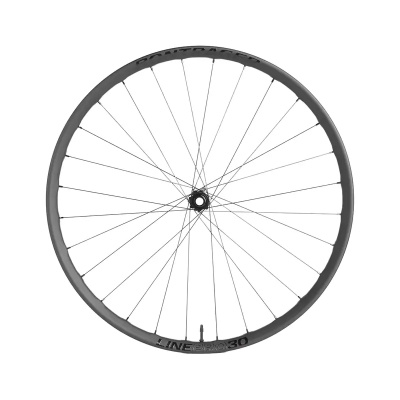
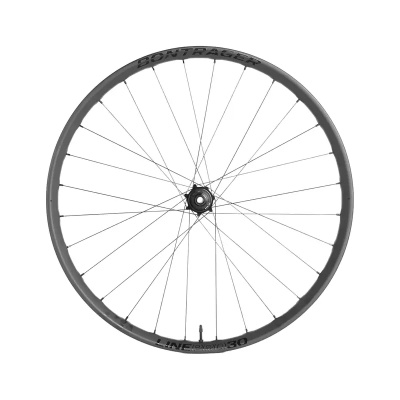
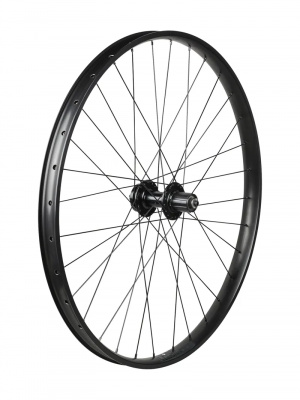
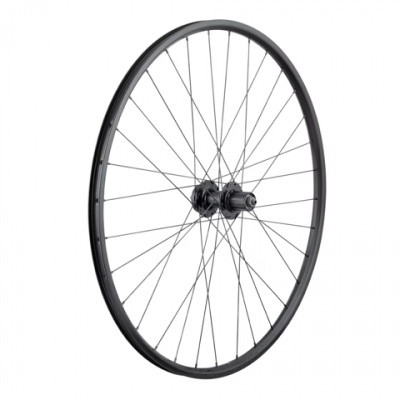
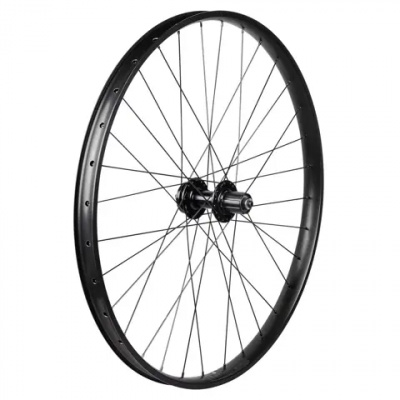
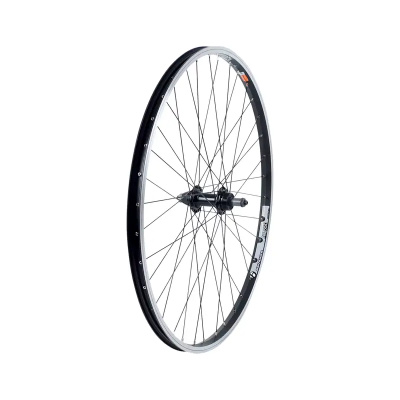
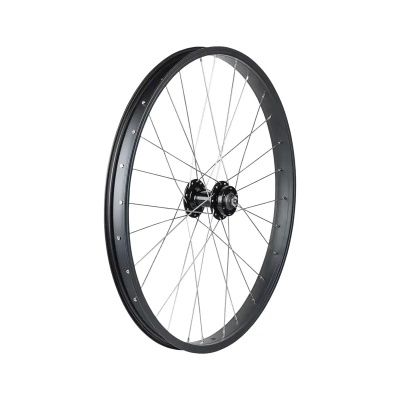
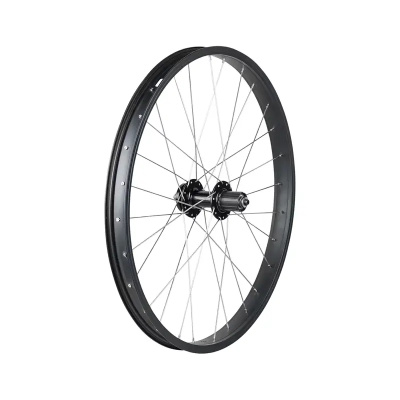
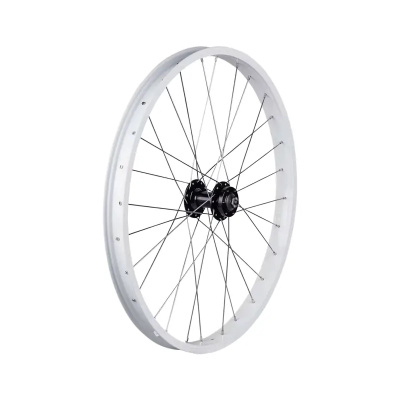
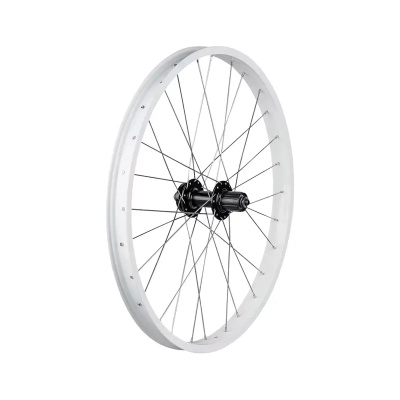
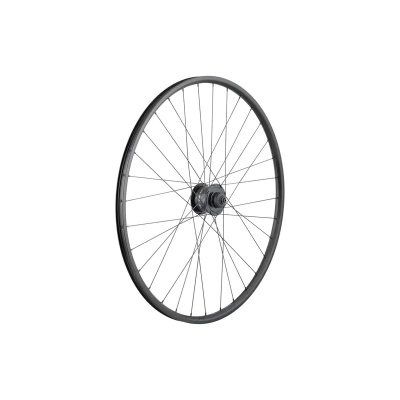
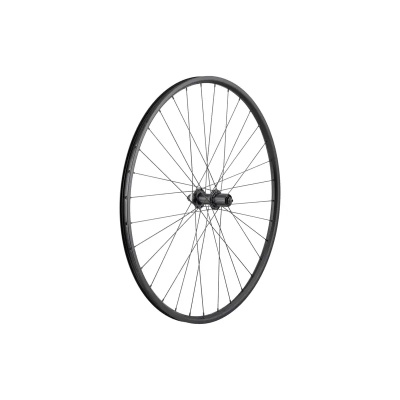
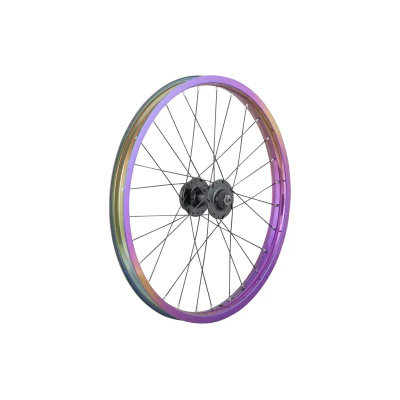
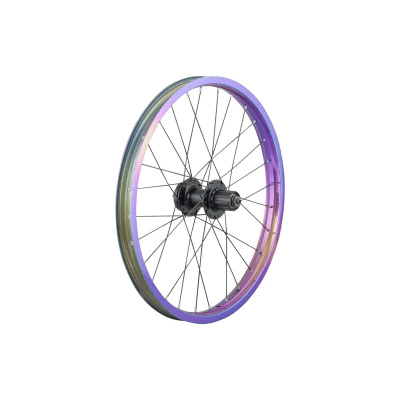
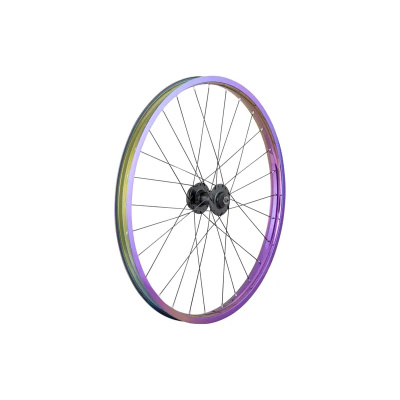
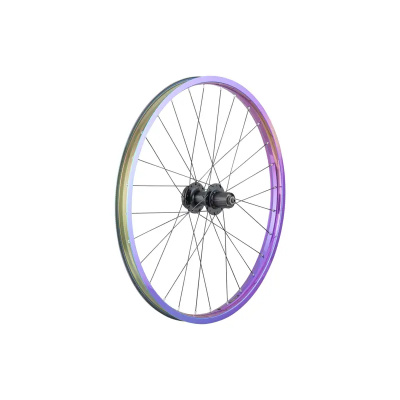
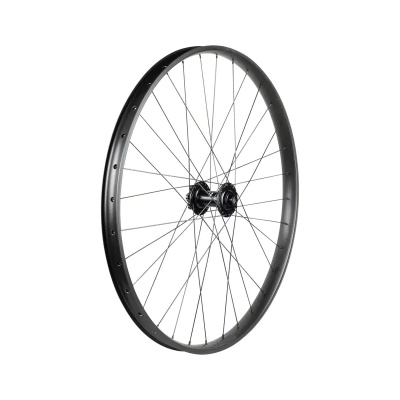
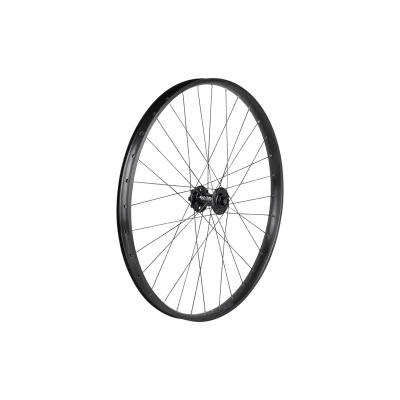
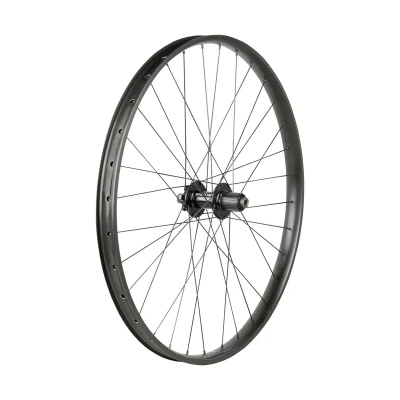
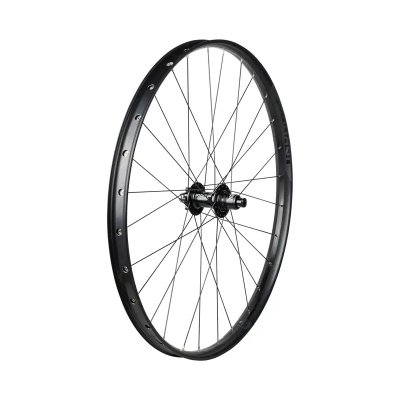
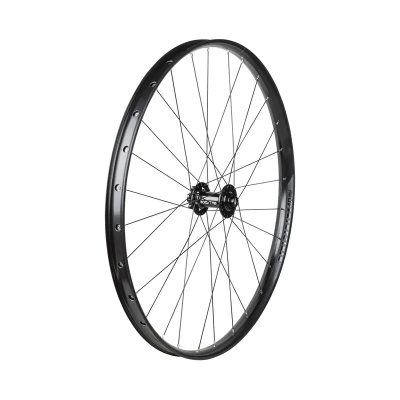
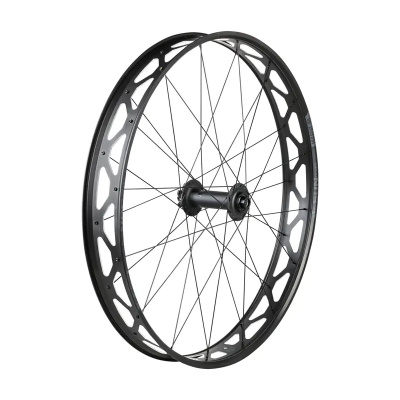
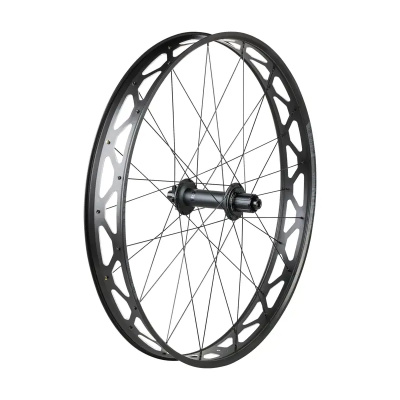
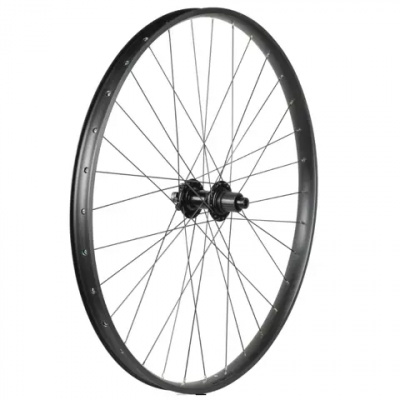
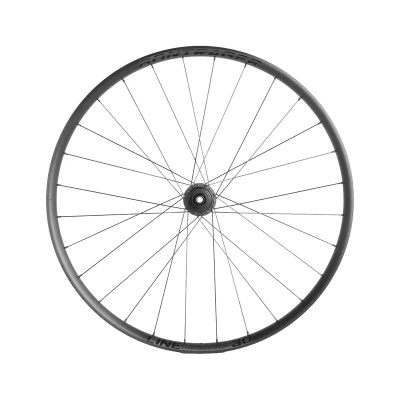
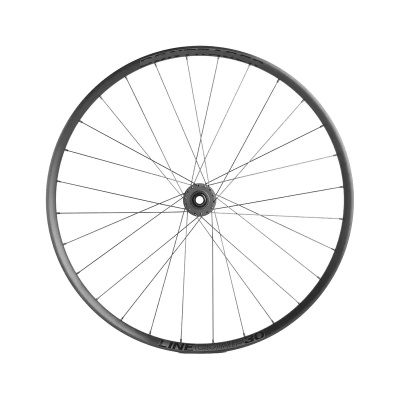
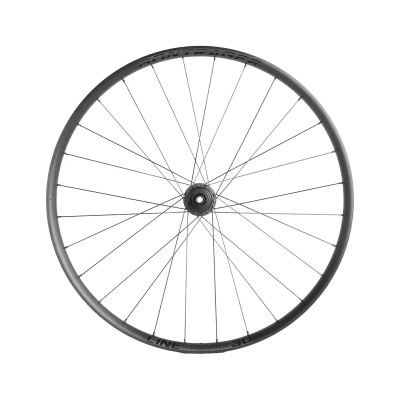
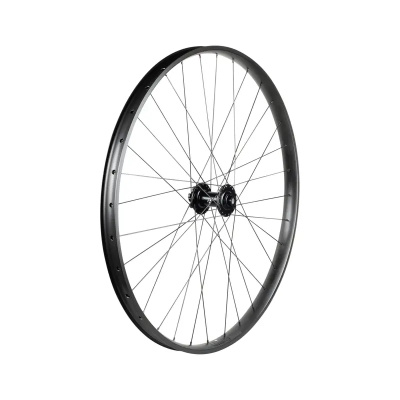
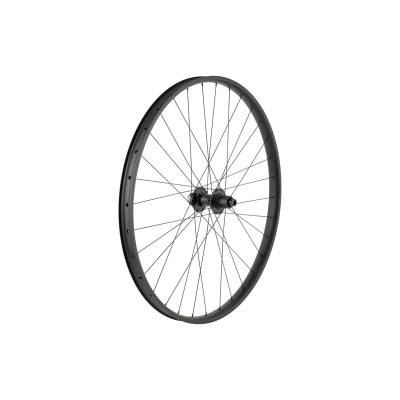
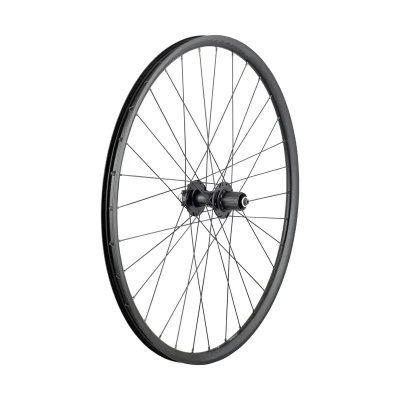
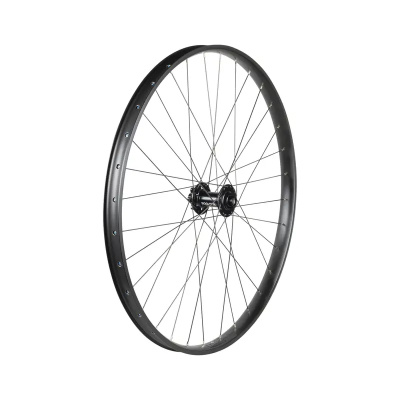
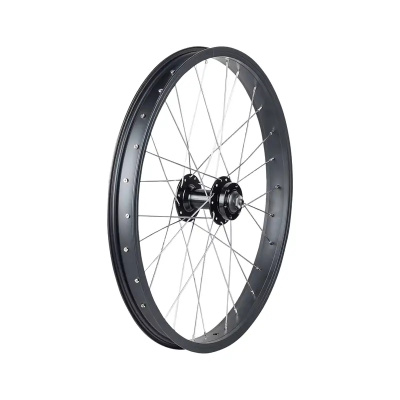
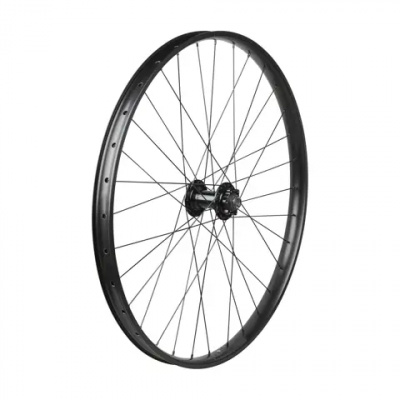
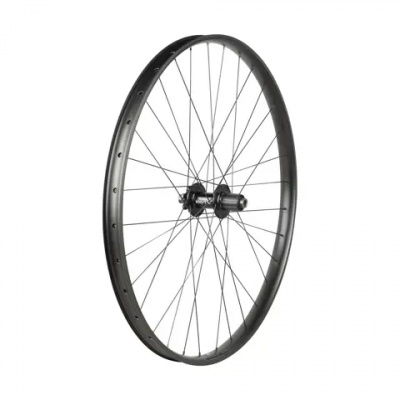
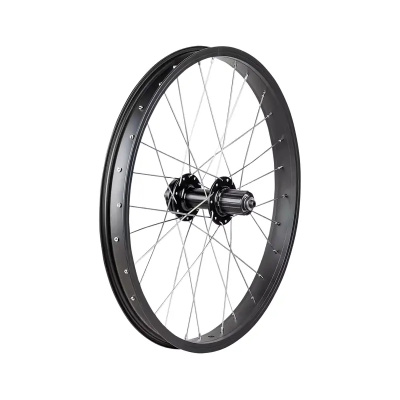
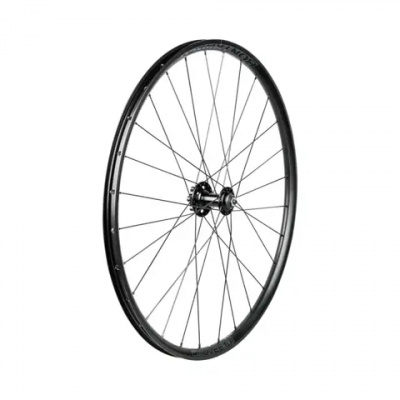
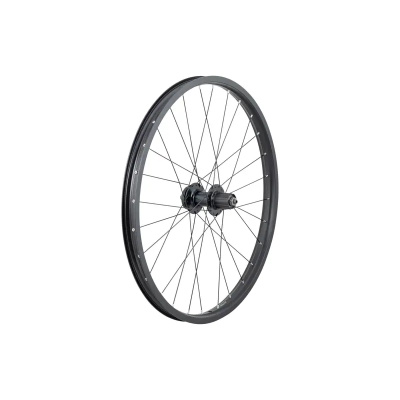
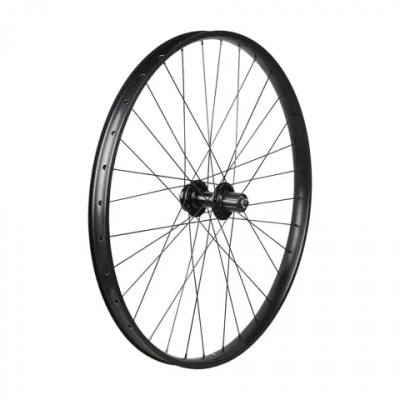
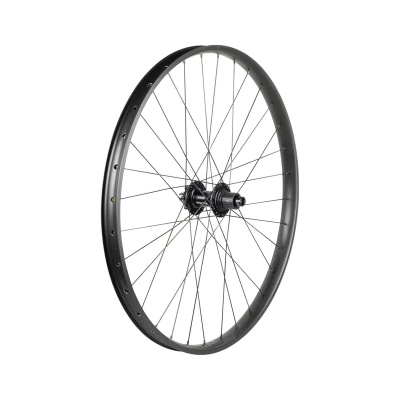
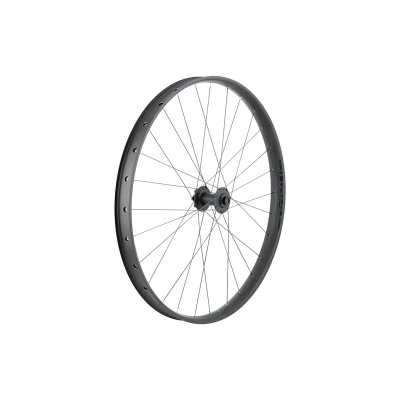
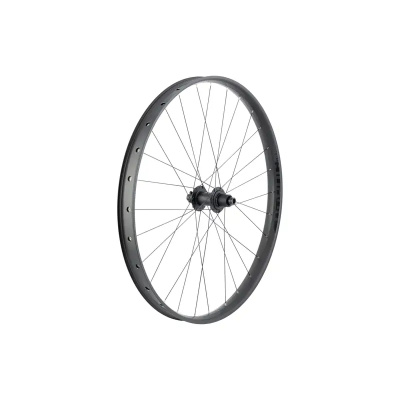
Prices and availability can change quickly. Delivery charges are not always included in listed prices.
Final price, stock status and delivery terms are set by retailer. We may receive a commission on purchases made.
Axle Standards, Rotor Mounts and Drivetrain Fit
Most Trek mountain bike wheels run Boost spacing - 110mm front, 148mm rear - which is the standard you'll find on the vast majority of trail and enduro frames sold in the UK over the last five or six years. A handful of longer-travel builds use Super Boost 157mm rear spacing for a stiffer axle path under heavy loading, so check your frame spec before you buy. It's worth confirming with a quick tape measure rather than assuming; getting it wrong is an annoying afternoon's work.
Rotor mount options split between 6-bolt and Centerlock depending on the hub spec. Centerlock is a cleaner interface and marginally quicker to swap rotors, but 6-bolt is more universal if you're mixing component brands. Neither is technically superior on trail; it comes down to what your existing rotors use.
Drivetrain compatibility is where it gets more granular. Shimano 12-speed requires a Micro Spline freehub body. SRAM 11 and 12-speed cassettes need an SRAM XD driver. Older 8-to-11-speed Shimano groupsets run on a standard HG freehub. If you're replacing or upgrading a freehub body, or need compatible Trek rim tape and tubeless valves, head to our dedicated Freehub Bodies and Spares, Rim Tape, and Tubeless Valves pages - those categories have the specific part numbers and fitment guidance you need rather than generic advice.
Kovee, Line and the Bontrager Tier Structure
Trek mountain bike wheels split into two clear product families. The Kovee line targets XC and light trail riding - think tight, fast-rolling rims with a narrower internal rim width suited to 2.2 - 2.4in tyres. If you're racing or doing long days in the saddle where every gram matters, Kovee is where to look. The Line series goes the other way: wider internal widths, more robust rim profiles, built for aggressive trail and enduro use where you're hitting rock gardens and sending it off drops rather than chasing Strava segments.
Within each family, the tiering follows a consistent pattern. Comp builds use durable double-wall alloy rims with solid, serviceable hubs - the sensible choice if you're riding year-round in conditions that chew through expensive carbon. Elite steps into entry-level OCLV Mountain Carbon, Trek's own carbon layup developed specifically for off-road impact resistance rather than pure weight saving. It's meaningfully stiffer than alloy under load and noticeably lighter, but it won't crack on a rock strike the way road carbon would. The Pro tier takes the same OCLV construction and pairs it with lighter-gauge spokes and upgraded hub internals - the Rapid Drive 108 engagement is standard across this level, and the overall build quality is a step up in feel and longevity.
The honest trade-off at each level: Comp alloy is the low-maintenance workhorse, Elite carbon is the performance jump most riders actually feel, and Pro carbon is for riders who've decided weight and precision matter more than the price delta. If you're comparing against alternatives, Hope MTB wheels offer comparable UK-built durability at a similar price point to Elite, while DT Swiss MTB wheels compete directly at the Pro end with a different ratchet-system engagement philosophy. Mavic MTB wheels are worth a look if you're prioritising fast tyre changes and integrated tyre systems.
Keeping Trek Hubs Running Through a UK Winter
The Rapid Drive 108 hub is one of Trek's most talked-about features, and for good reason - 108 points of engagement produces an engagement angle of just 3.33 degrees, so there's almost no dead spot between pedal stroke and drive. On technical climbs where you're accelerating out of tight switchbacks, that immediacy is genuinely useful. Compared to a standard 36-point hub, the difference is noticeable the first time you ride back-to-back.
The catch with high-engagement pawl systems is that they need attention if you're riding through Peak District grit or Scottish winter mud on a regular basis. Fine abrasive particles work their way into hub internals faster than most riders expect. A service interval of every 50 - 80 riding hours is reasonable in UK conditions; longer if you're a fair-weather rider, shorter if you're out every weekend regardless of forecast. When you do service the pawls and springs, use a lightweight, low-viscosity grease - standard bearing grease is too thick and will cause pawl sticking in sub-zero temperatures, which produces that frustrating clicking freewheeling sound with no drive. A thin film is all you need.
Trek backs its carbon wheelsets with a lifetime warranty, which is worth factoring into the value calculation when you're weighing up the Pro tier against the competition. Keep your Trek tools handy for spoke tension checks after the first few rides on a new build - carbon rims in particular benefit from an early once-over as spokes bed in. Pairing the wheels with well-matched Trek MTB tyres also makes the most of the TLR tubeless ready bead lock, since Trek's own TLR rim strips are designed to create a tighter seal than generic tape - fewer burps at low pressure when you're riding loose, rooty ground.
If you want to explore the full Bontrager catalogue alongside Trek-branded options, the Bontrager MTB wheels page covers the complete range in one place.
Trek MTB Wheels FAQs
Are Trek and Bontrager MTB wheels the same?
Effectively yes - Trek owns Bontrager, and most Trek bikes have shipped with Bontrager-branded wheels for years. Trek is gradually transitioning some wheelsets back to the Trek name, but the core technology, including OCLV Mountain Carbon construction and Rapid Drive 108 hubs, is identical across both brands.
What freehub body do I need for my Trek MTB wheels?
It depends on your drivetrain. Shimano 12-speed needs a Micro Spline freehub body; SRAM 11 or 12-speed requires an SRAM XD driver; older 8-to-11-speed Shimano setups use a standard HG freehub. Check your cassette spec first - fitting the wrong driver is a straightforward mistake to avoid.
Are Trek MTB wheels tubeless ready?
Most modern Trek and Bontrager MTB wheels are TLR (Tubeless Ready) straight from the box. To complete the conversion you'll need Trek TLR rim strips, compatible tubeless valves, and sealant - the TLR strips are designed for a tighter bead lock than standard rim tape, which helps at the lower pressures UK trail riding typically demands.