
DT Swiss MTB Wheels
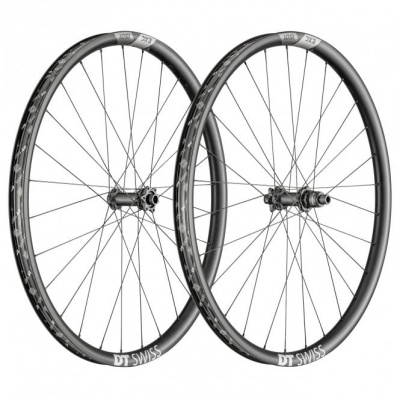
DT Swiss MTB wheels have built a reputation that goes well beyond marketing copy - they're the wheelset you'll find on World Cup XC podiums, enduro race rigs, and battered winter hack bikes alike, and for good reason. The Swiss engineering that underpins every hub, rim, and spoke in the range is genuinely obsessive in the best possible sense.
The centrepiece is the Star Ratchet freehub system - a tool-free, field-serviceable mechanism that survives the sort of gritty, wet UK riding that chews through lesser hubs in a season. Forget carrying specialist tools up on the moors; the ratchet ring design means you can strip, clean, and reassemble trailside without swearing at a hex key. That matters when you're riding the Peak District in November.
The rim construction matches the hub quality. Whether you're after an entry-level alloy hoop for bashing around your local trail centre or a featherweight carbon race wheel, the strength-to-weight ratios across the DT Swiss lineup are genuinely competitive. Upgrading from OEM wheels? You'll feel the difference immediately - in snap, in predictability, in how the whole bike responds. These are fit-and-forget wheels built for riders who actually ride.
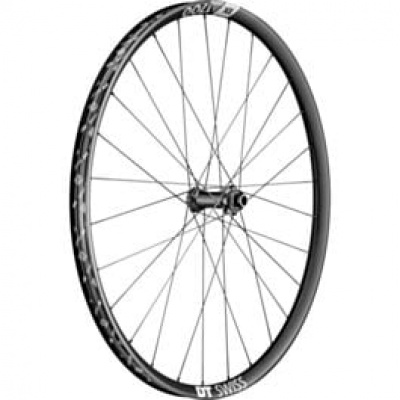
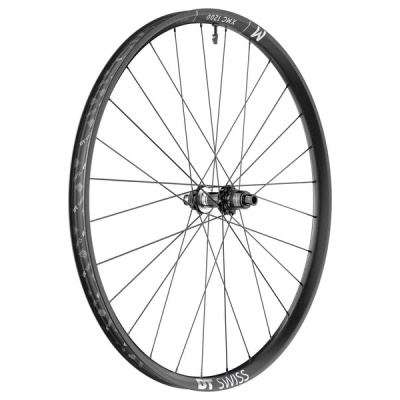
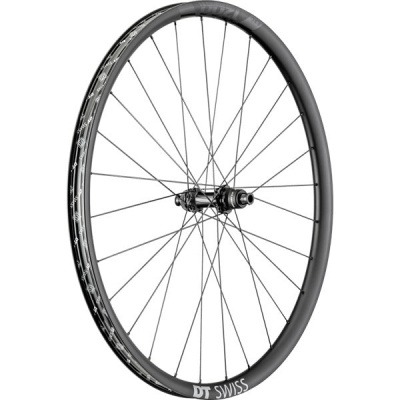
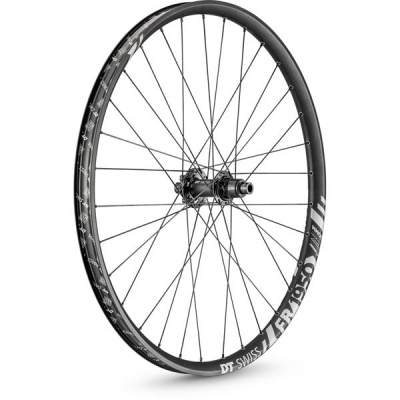
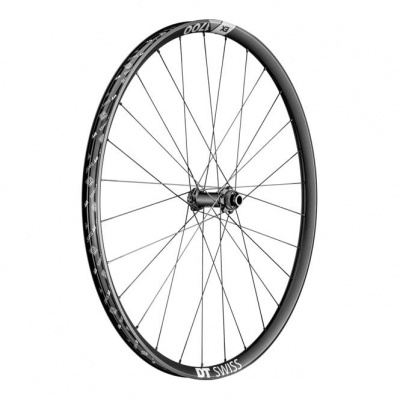
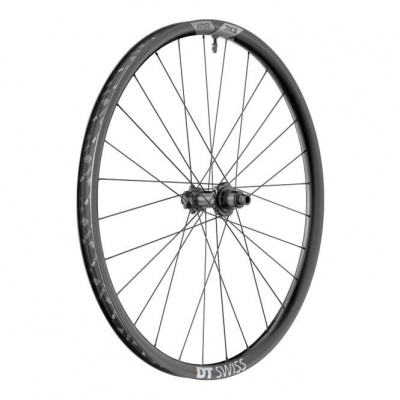
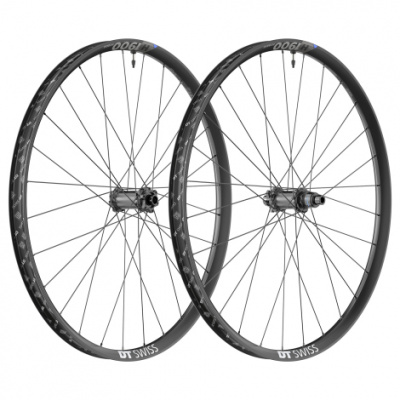
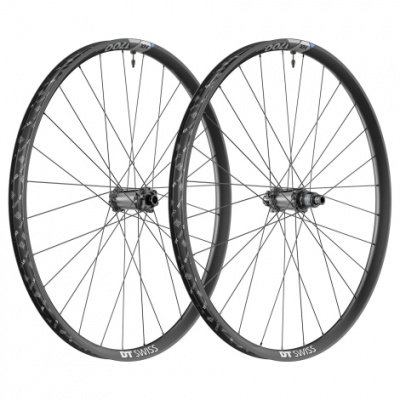
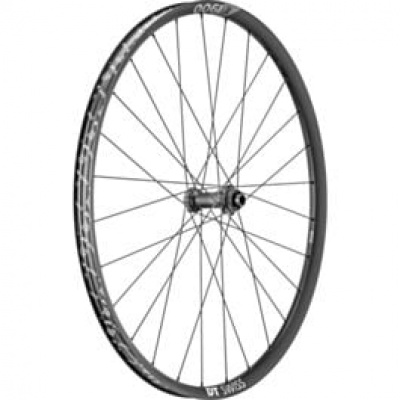
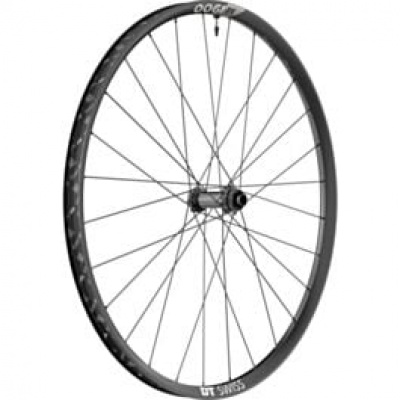
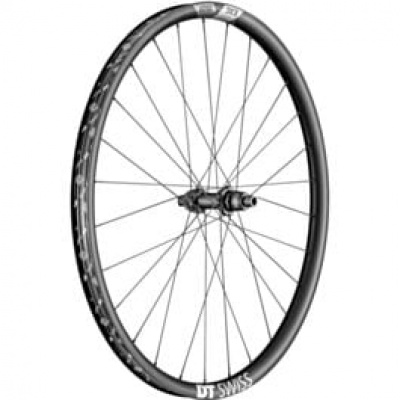
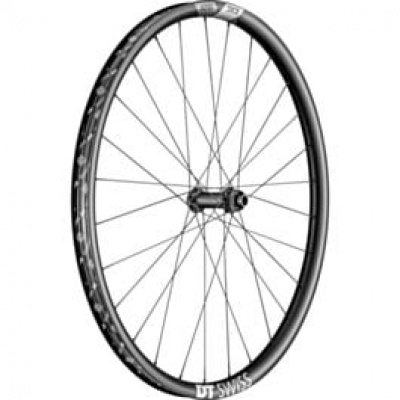
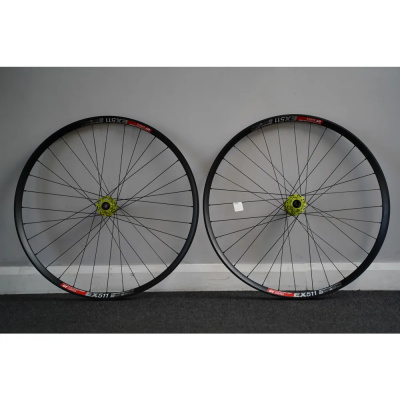
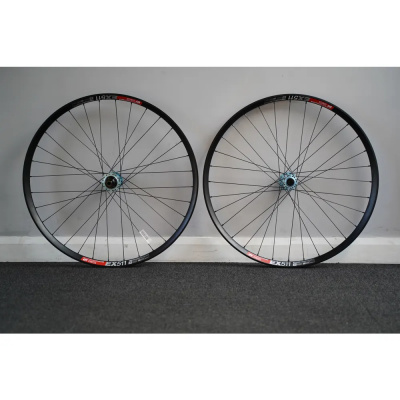
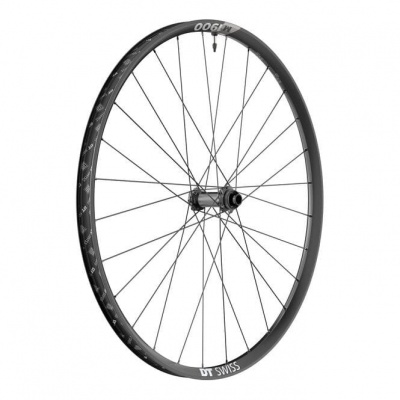
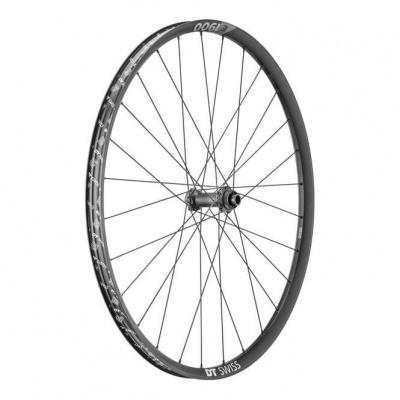
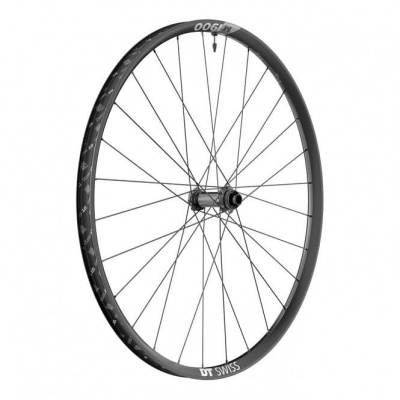
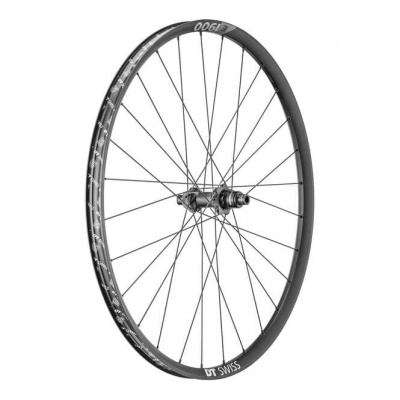
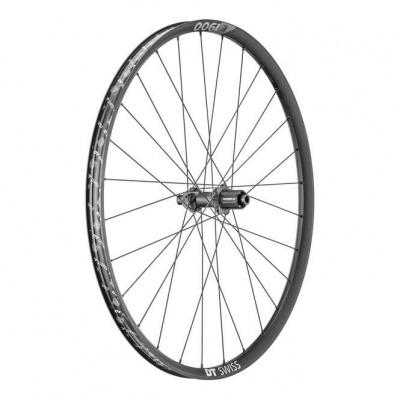
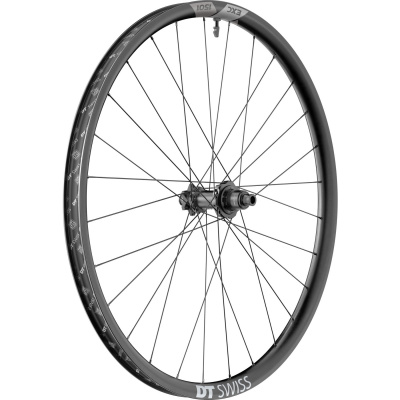
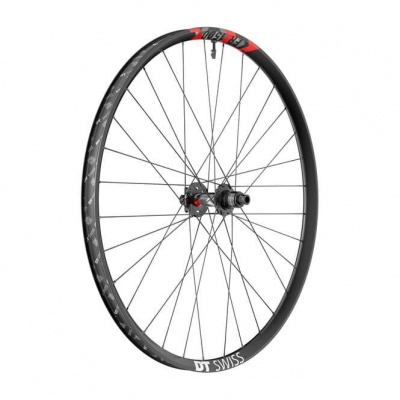
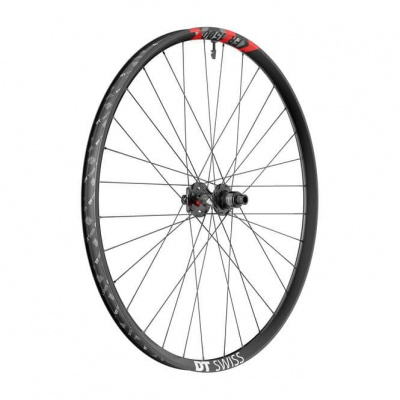
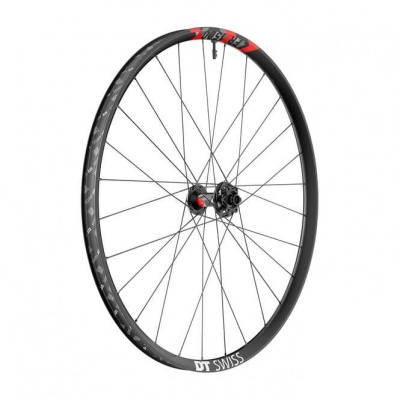
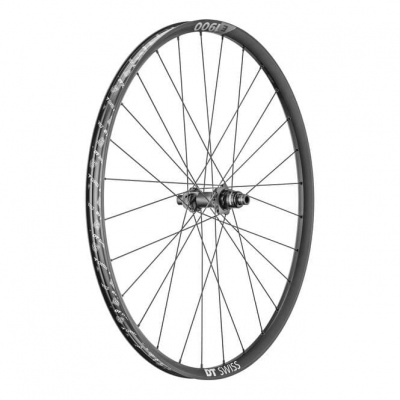
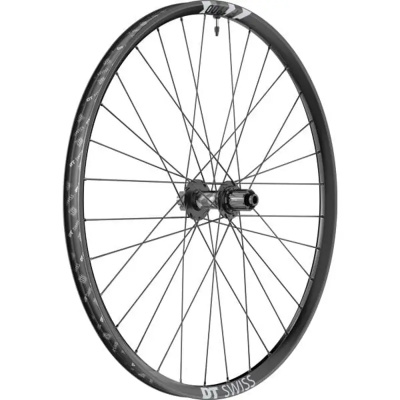
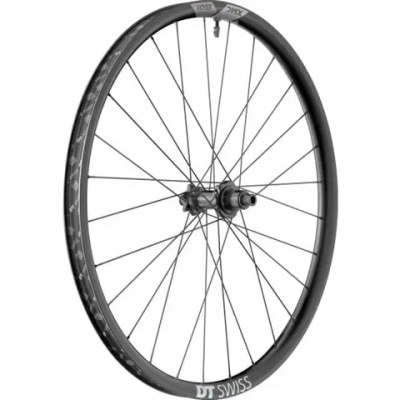
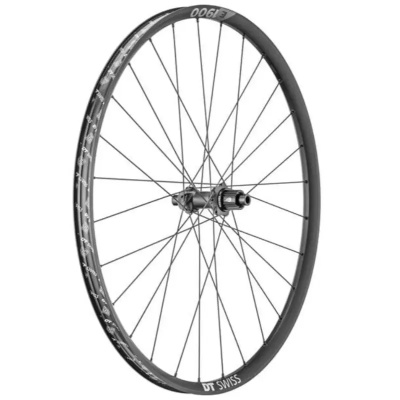
Prices and availability can change quickly. Delivery charges are not always included in listed prices.
Final price, stock status and delivery terms are set by retailer. We may receive a commission on purchases made.
Axle Standards, Rotor Mounts, and Freehub Compatibility
Before you buy, get the compatibility right - it's the one thing that catches people out. Most modern DT Swiss MTB wheels run Boost spacing at 110mm front and 148mm rear, which fits the vast majority of trail and enduro frames sold in the last five or six years. If you're running a mullet or a beefier enduro rig, check whether your frame uses Super Boost 157 rear spacing - DT Swiss covers that too, particularly across the EX range, but it's not universal, so double-check before checkout.
Brake rotor mounting comes in two flavours: Centerlock and 6-bolt rotor. DT Swiss offers both across the range. Centerlock is quicker to swap and arguably more precise, but 6-bolt is more widely compatible with older rotors and is what most budget builds are running. Neither is wrong - it just depends on what's already on your bike.
Freehub bodies are where DT Swiss really pulls ahead of the pack. Their hub architecture supports Shimano HG, Micro Spline (for Shimano 12-speed), and SRAM XD driver bodies, and swapping between them is genuinely tool-free on most hub models. That means if you upgrade your groupset down the line, the wheels can follow without a rebuild. If you need to adapt your current wheelset or replace worn internals, browse our dedicated Freehub Bodies & Spares and Bearings collections.
Making Sense of the DT Swiss Range
The model naming looks cryptic at first glance, but once it clicks, it's actually a tidy system. The letter prefix tells you the riding category: X or XR for cross-country, M for all-mountain, E or EX for enduro, and F or FR for freeride and downhill. The number tells you where you sit in the performance hierarchy.
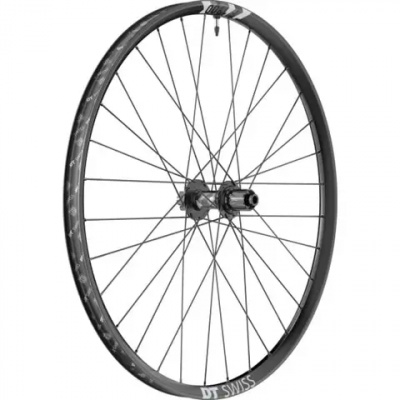
The 1900 series is the entry point. Sleeved alloy rims and 370 hubs keep costs accessible without sacrificing the core DT Swiss build quality. These are solid wheels for riders new to the brand or building up a second bike - durable, sensibly weighted, and genuinely tubeless ready out of the box. They won't win any gram-counting competitions, but they won't let you down on a rough Scottish descent either.
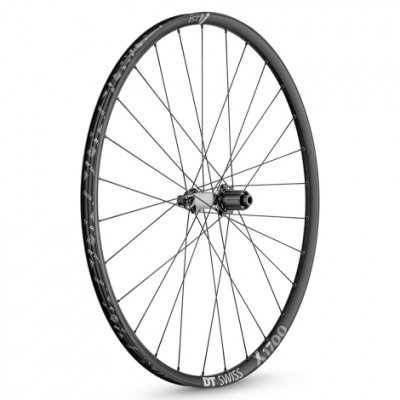
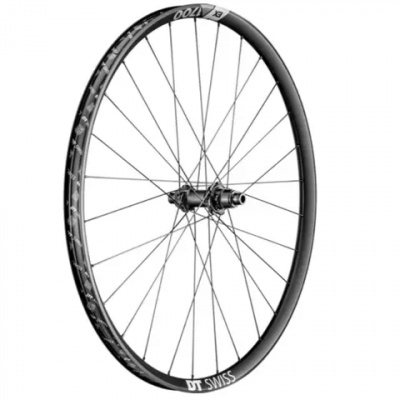
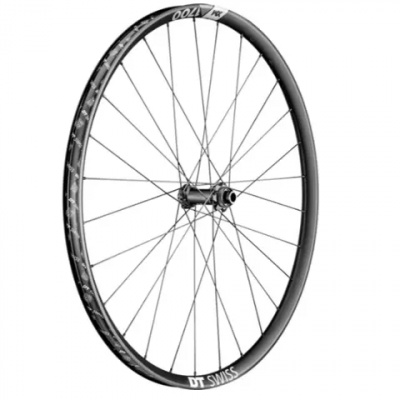
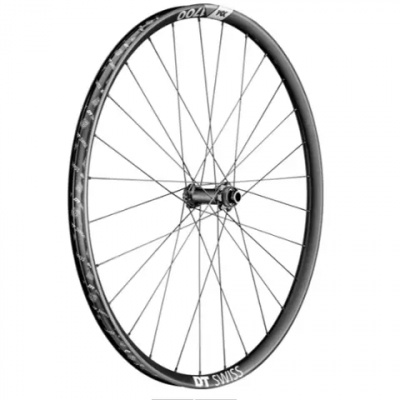
Step up to the 1700 series and you're getting welded rims - a meaningful upgrade in lateral stiffness and impact resistance - paired with 350 hubs. The 350 hub uses the same Star Ratchet DNA but in a more refined, lighter package. This is the workhorse tier: the wheelset that most trail riders should seriously consider. The jump in rim quality over the 1900 is tangible, and the 350 hub's engagement feel is notably crisper. If you're riding regularly and pushing harder lines, this is where the value sits.
The 1501 series is a different conversation entirely. Carbon rims, 240 hubs. The 240 is DT Swiss's benchmark hub - the one that's been under World Cup riders for years - and the Ratchet EXP system it runs takes the Star Ratchet concept further with a three-pawl-meets-ratchet hybrid that reduces drag and improves mud clearance. Carbon rim construction means real weight savings, better vibration damping over roots and rocks, and a ride quality that alloy simply can't replicate. If you're comparing at this level, ENVE and Race Face are the natural reference points - all strong options, but DT Swiss arguably has the edge in long-term serviceability.
For riders on a tighter budget exploring alternatives, Mavic and Hope are worth a look - Hope in particular for UK-made durability - though neither matches the DT Swiss model range depth or the modularity of the hub system.
Surviving UK Winters: Durability and Trailside Maintenance
UK riding is hard on wheels. Peak District grit gets into everything, Welsh trail centres turn into mud baths by October, and off-camber roots in the Surrey Hills can send you into a rim-denting stumble before you've even warmed up. DT Swiss wheels are designed with exactly this kind of abuse in mind.
The Star Ratchet and Ratchet EXP systems are the real differentiator here. Conventional pawl hubs trap grit and water, then seize or slip when you least want them to. The ratchet ring design - where two toothed rings engage rather than individual spring-loaded pawls - is inherently more resistant to contamination. More importantly, when it does need attention, you don't need a workbench. Pull the end cap, slide out the internals, wipe them down, re-grease, and you're back rolling. Five minutes. This matters enormously if you're a few miles from the car park in February.
The PHR (Pro Head Reinforcement) nipple system is worth understanding too. Rather than a standard brass nipple that can pull through a rim under load, PHR uses a reinforced washer design that distributes spoke tension more evenly - practically speaking, it means rims that hold their shape longer under hard braking and rough landings. Pair that with straight pull spokes on higher-tier models, which eliminate the bend stress point of J-bend designs, and you've got a wheel that stays true considerably longer between services.
The DICUT and SPLINE hub architectures refer to DT Swiss's two hub families - DICUT being the lighter, more performance-focused line (found on carbon and XC builds), SPLINE being the more trail-oriented, durability-first option. Both share the same ratchet system DNA; the difference is in bearing size, flange geometry, and weight. SPLINE hubs run larger bearings, which is exactly what you want when you're riding through standing water every other weekend.
All modern DT Swiss mountain bike wheels come factory-taped and tubeless ready, so setup is straightforward. Setting up for winter? Make sure you've got a solid seal with our Rim Tape and Tubeless Valves, or pick up replacement Spokes and Nipples for crash repairs. The Ratchet LN system is also worth knowing about if you're running older DT Swiss hubs - it's an upgrade kit that converts pawl-based hubs to the ratchet system, which is a genuinely cost-effective way to bring an ageing wheelset up to current spec without replacing the whole thing.
DT Swiss MTB Wheels FAQs
What is the difference between DT Swiss 1900, 1700, and 1501 wheelsets?
The 1900 uses sleeved alloy rims and 370 hubs - solid entry-level kit. The 1700 upgrades to welded rims and 350 hubs, giving you noticeably better stiffness and hub feel for regular trail riding. The 1501 goes carbon: lightweight DICUT rims paired with 240 hubs running the Ratchet EXP system - it's a meaningful performance step, not just a weight saving.
Are DT Swiss MTB wheels tubeless ready?
Yes. All current DT Swiss mountain bike wheels come factory-taped and tubeless compatible. You'll need to fit tubeless valves and add sealant - that's it. No re-taping required, which makes the initial setup considerably less messy than some rival options.
Can I change the freehub body on my DT Swiss wheels?
You can, and it's one of the strongest reasons to buy into the DT Swiss system. Most hubs allow tool-free freehub swaps - remove the end cap and cassette, pull the freehub body, fit the new one. You can switch between Shimano HG, Micro Spline, and SRAM XD driver bodies without special tools or a workshop visit.