
Hope MTB Wheels
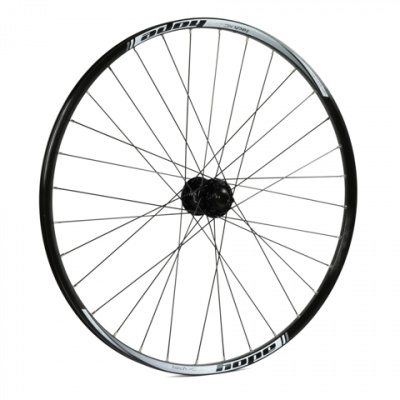
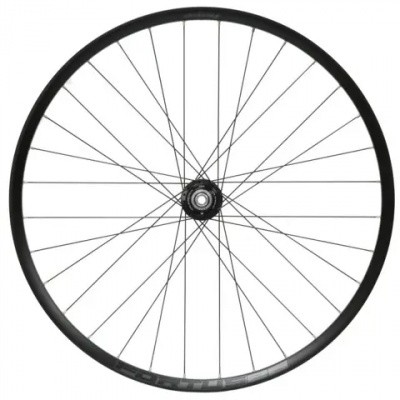
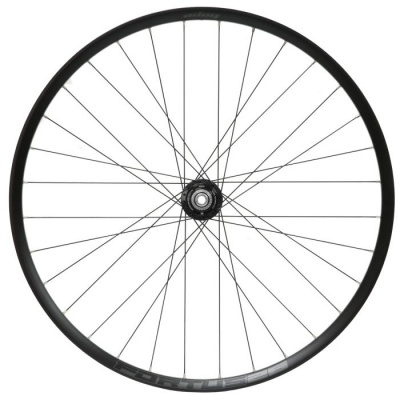
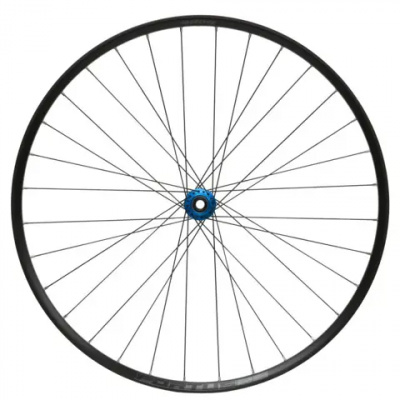
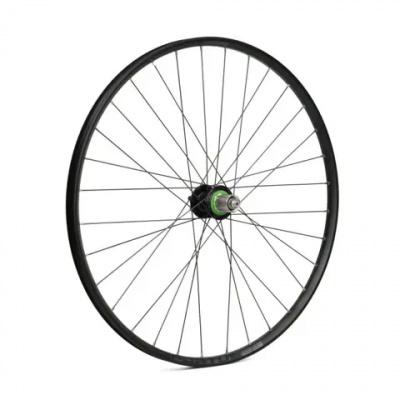
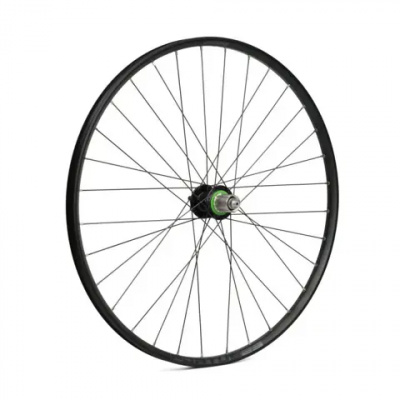
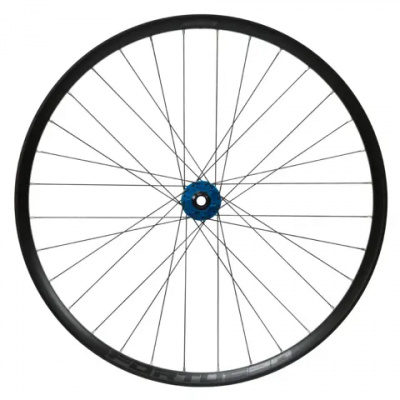
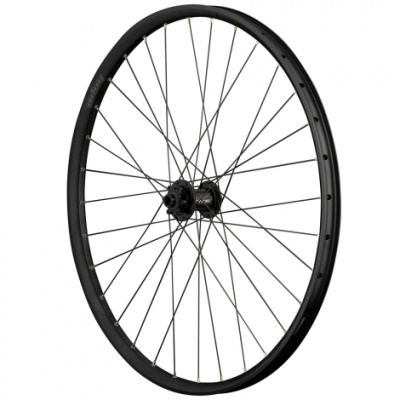
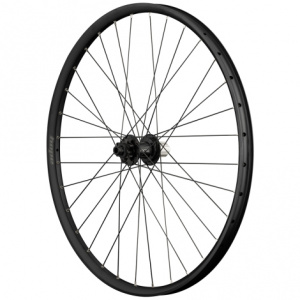
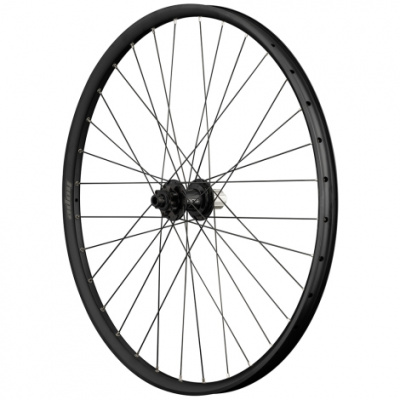
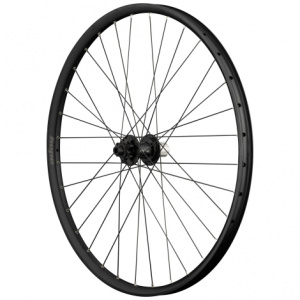
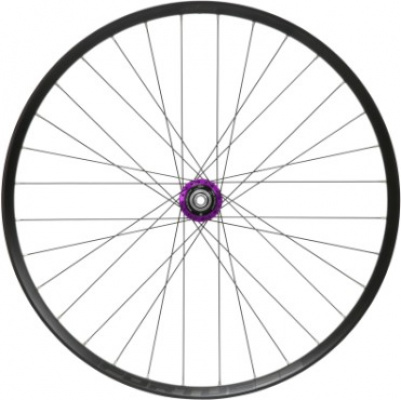
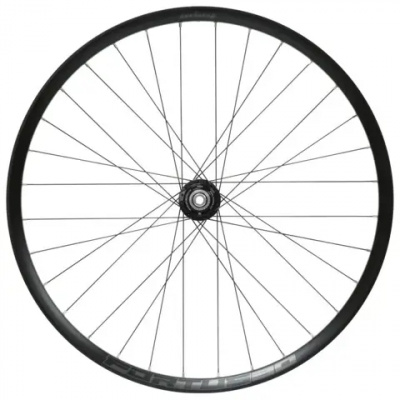
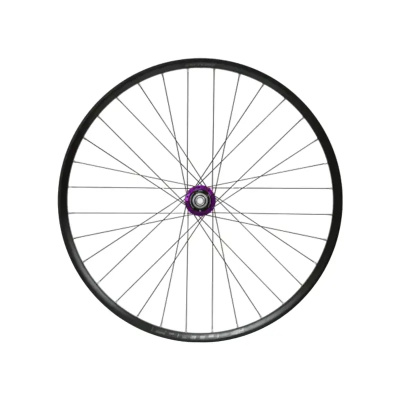
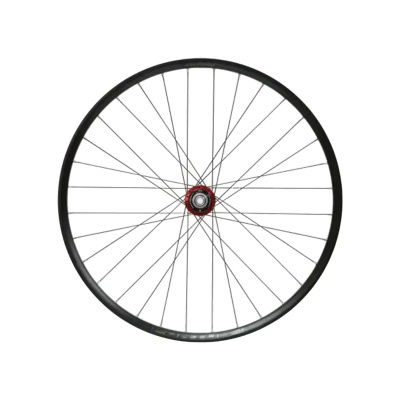
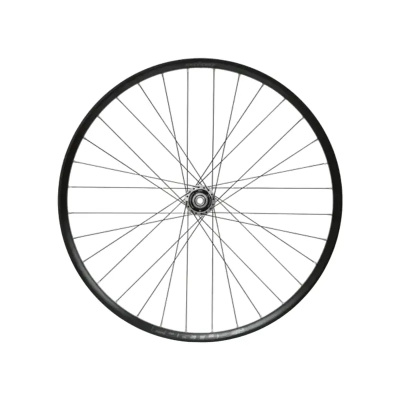
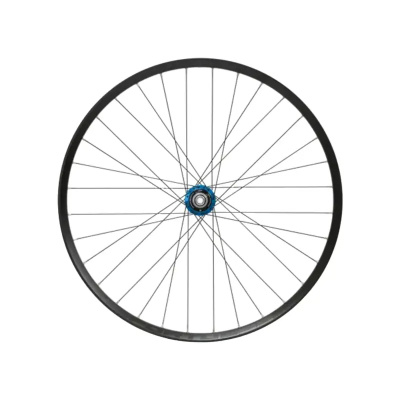
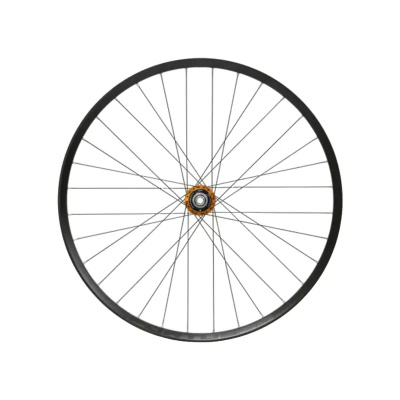
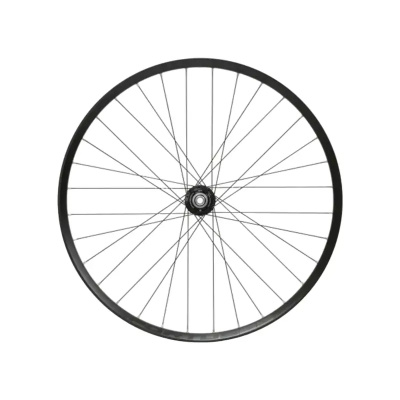
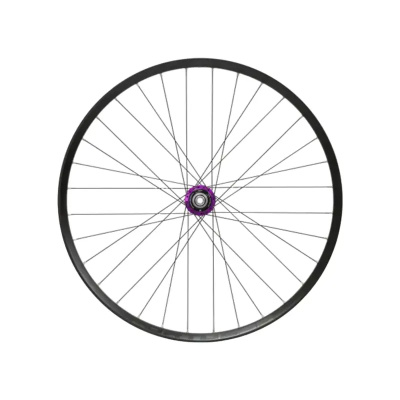
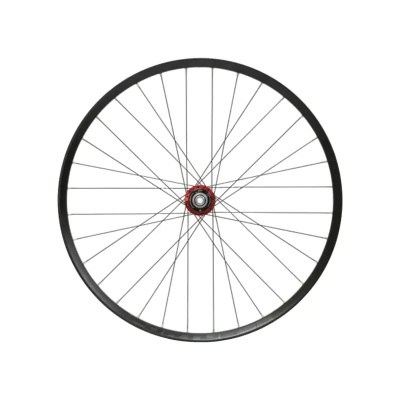
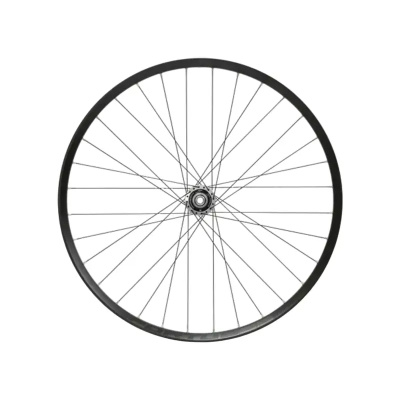
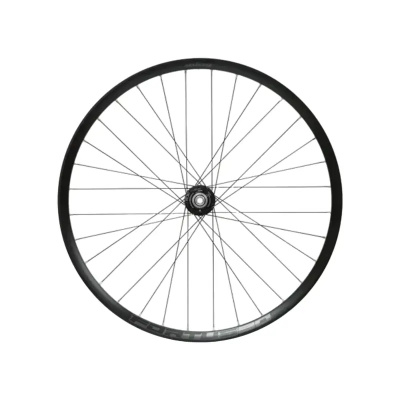
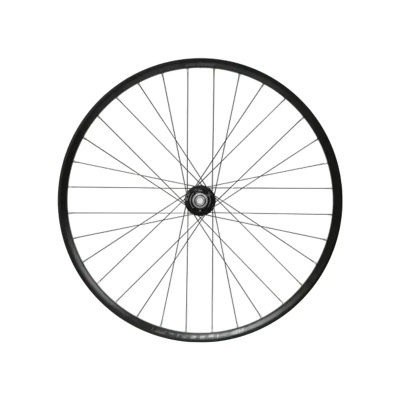
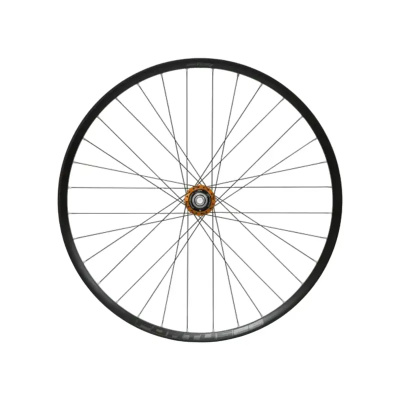
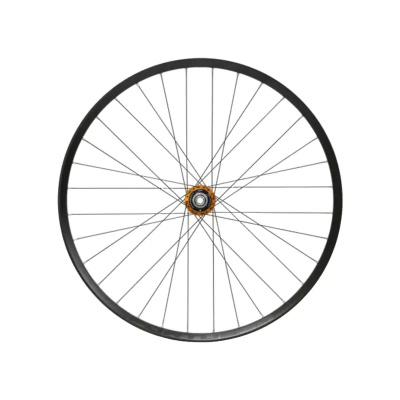
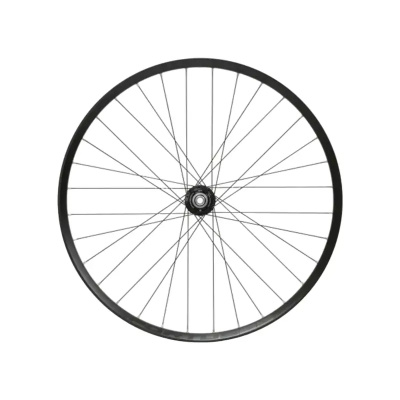
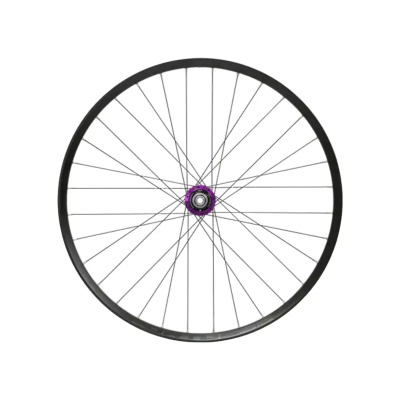
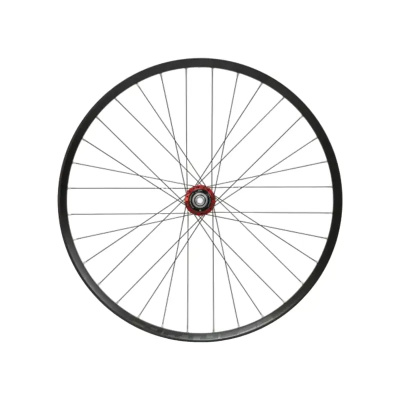
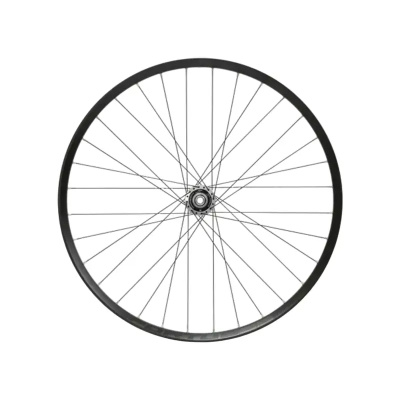
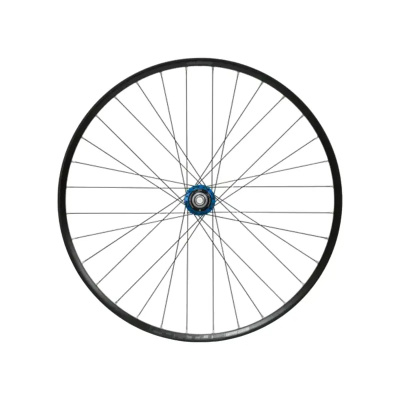
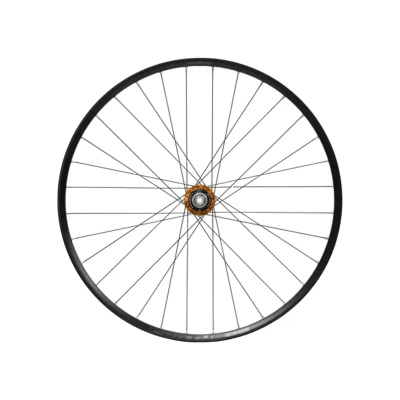
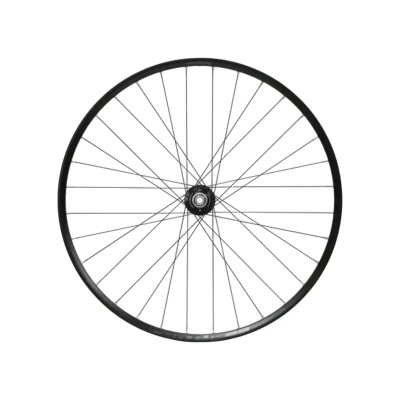
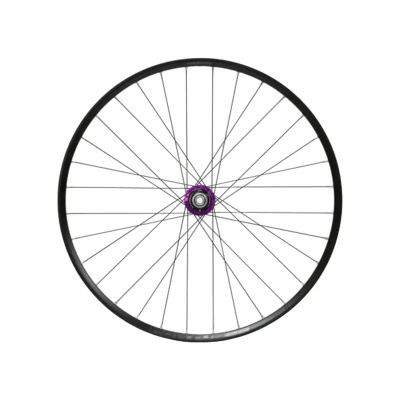
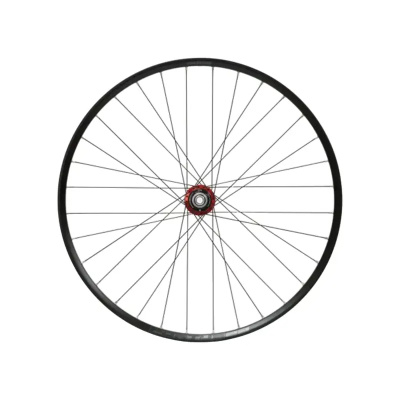
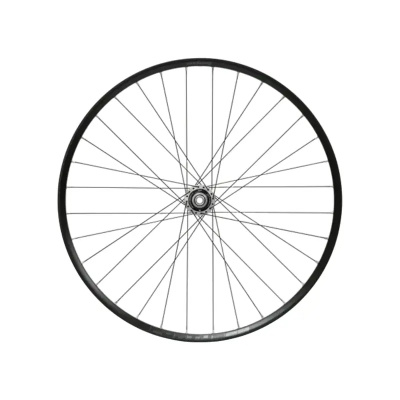
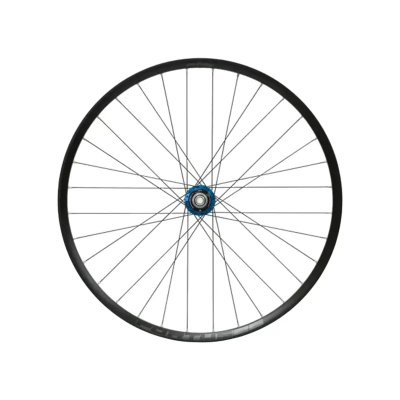
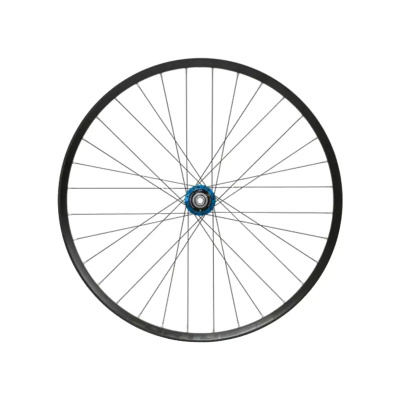
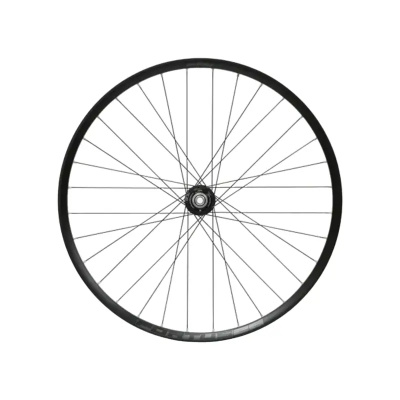
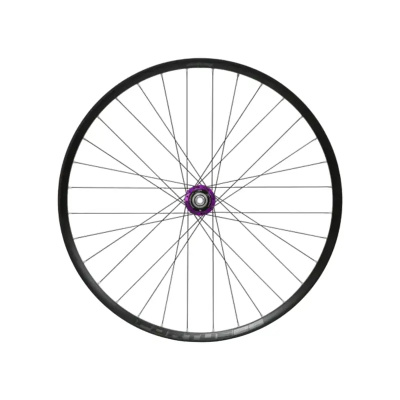
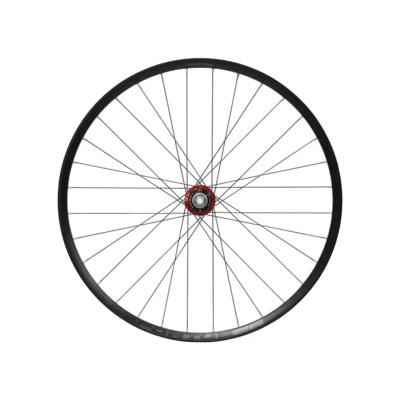
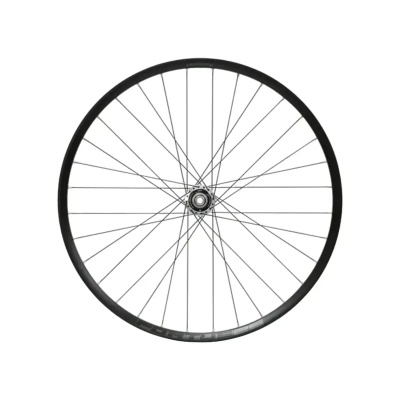
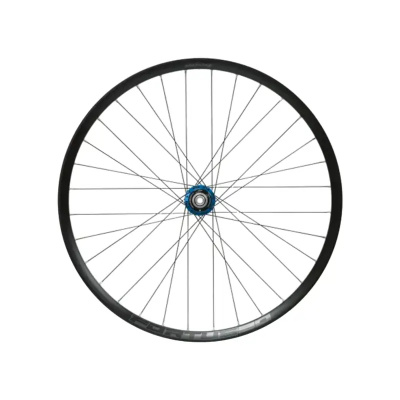
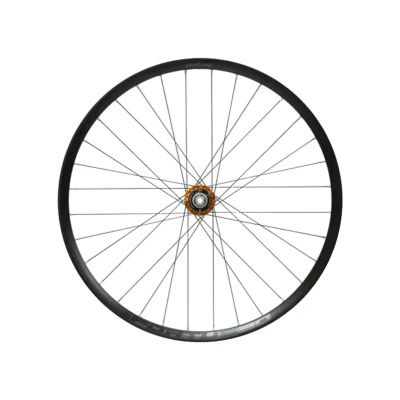
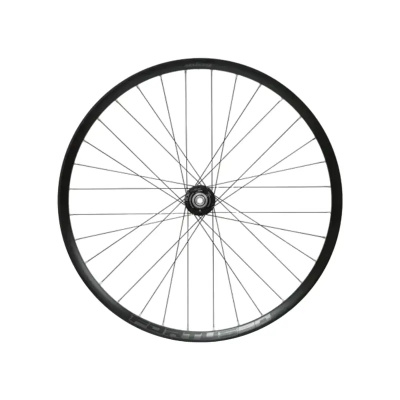
Hope MTB wheels are built in Barnoldswick, Lancashire - and that matters, because the people making them ride the same grim, root-laced, bearing-destroying conditions you do. The Fortus rim range pairs extruded 6061 T6 aluminium with internal widths from 23mm to 30mm, giving you a proper fit for everything from lightweight XC rubber to chunky enduro carcasses. Lace those to the new Pro 5 hubs and you've got 108 points of engagement - six pawls on an offset pattern - which means power hits the rear wheel almost the instant you stop coasting. No dead spot, no delay on a greasy root.
What makes Hope wheels stand apart from most of the market isn't just the CNC machined finish or the colour options (though both are genuinely good). It's the labyrinth seals - a zero-drag bearing design that keeps Peak District grit and Welsh rain out without adding rolling resistance. Tubeless ready from the factory, compatible with Shimano HG, Microspline, and SRAM XD drivers, and available in standard and Boost 148mm or Superboost 157mm axle spacing - these wheels are designed to be built exactly how you need them and then largely left alone.
Prices and availability can change quickly. Delivery charges are not always included in listed prices.
Final price, stock status and delivery terms are set by retailer. We may receive a commission on purchases made.
Axle Standards, Rotor Mounts, and Freehub Compatibility
Getting the fitment right before you buy is non-negotiable. Hope wheels are available across the key axle standards: standard 142mm, Boost spacing at 148mm rear (110mm front), and Superboost 157mm for longer-travel frames that need extra chainline clearance. Most modern enduro and trail builds run Boost as standard, so that's where the bulk of Hope's catalogue sits - but check your frame's rear dropout width before ordering.
On rotor mounts, you've got the choice of 6-bolt or Centerlock depending on what your brake calipers and rotors require. Hope's own disc brake ecosystem runs both, so there's no awkward adapter situation if you're going all-in on the brand. Freehub bodies are where it gets interesting: Hope wheels support Shimano HG (standard splined), Microspline for Shimano's 12-speed Hyperglide+ cassettes, and SRAM XD driver for Eagle and older 10-tooth-compatible groups. Swapping bodies is straightforward - the modularity is genuinely one of Hope's stronger suits.
If you're looking at standalone hubs or replacement freehub bodies rather than complete wheelsets, those are covered separately. Browse Hope hubs for individual units and spare driver bodies.
The Fortus Range: Matching Rim Width to How You Actually Ride
The Fortus 30 is the headline act - a 30mm internal width rim aimed squarely at enduro and aggressive trail riding. That width opens up a 2.4 - 2.6" tyre into a rounder, more supportive profile, which means you can run lower pressures on wet Lakeland slate or loose Scottish moorland without the sidewall folding over on you. The dent-resistant extrusion handles rock strikes that would crack a cheaper rim, and the tubeless-ready bed means setup is a tape-and-valve job rather than a faff.
Drop to the Fortus 26 and you're in all-mountain territory. Twenty-six millimetres internal suits 2.3 - 2.5" tyres well, keeps rotational weight down compared to the 30, and works across a wide range of trail centre builds and four-season riding. It's the width that makes the most sense if you're not regularly dropping into proper enduro stages but still want a rim that won't flex under hard cornering.
The Fortus 23 is the XC and light trail option - narrower, lighter, optimised for 2.2" and under. If your riding is more about covering distance on the South Downs or spinning bridleways than sending it, this is where to look. You give up some tyre stability at the edges but gain a noticeably more responsive feel on climbs.
Rim width is one of those spec details that's easy to overlook and annoying to regret. Match it to your typical tyre size and you'll notice the difference in how the tyre behaves under load. If you want to build your own setup from individual components, our Hope rims section covers the standalone Fortus options.
Compared to something like DT Swiss MTB wheels, Hope's aluminium Fortus rims trade a little weight against arguably better real-world toughness and far easier UK-based servicing. Industry Nine wheels offer a similar engagement-focused approach but at a significantly higher price point and without the same parts availability on this side of the Atlantic.
Why Hope Wheels Hold Up When UK Mud Tries Its Worst
The bearing story is where Hope genuinely earns its reputation. Standard cartridge bearings - the kind you'll find in most budget to mid-range wheels - start to drag and corrode after a few wet winter rides. Hope uses stainless steel bearings behind labyrinth seals: a non-contact, zero-drag design that physically blocks water and debris ingress through a maze-like seal path rather than relying on a rubber lip that wears down. If you've ever stripped a hub after a muddy Peak District day and found the bearings black and gritty, you'll understand why this matters.
The J-bend spokes used on Hope builds are worth a mention too. Straight-pull spokes can be marginally stiffer but they're a nuisance to replace trailside or in a rural bike shop. J-bend is universal, easy to stock, and simple to tension correctly. Speaking of tensioning - if you're building or rebuilding a Hope wheel, get the tension even across the drive side before you worry about the non-drive. Uneven tension is the main cause of spokes loosening over time, particularly on 29er builds where the dish is more pronounced.
Servicing intervals depend on usage, but a rough guide for UK winter riding: check spoke tension every three to four months, inspect the hub bearings every six months, and don't wait until there's play in the axle before you act. Hope sells service kits and the tolerances are tight enough that a fresh set of bearings brings the hub back to new. That repairability is something that brands like Halo also offer at a lower price, but Hope's fit and finish on the machined parts is noticeably higher.
Setting these wheels up tubeless is simple - the Fortus rims come factory-taped, so you're just fitting tubeless valves, adding sealant, and seating the bead. Pair them with decent stopping power and you'll want your disc brakes dialled in to match - the wheel stiffness the Pro 5's step-down axle design provides means braking forces transfer cleanly and you'll feel any caliper alignment issues more clearly than on a flexy rim.
Hope MTB Wheels FAQs
Are Hope Fortus wheels tubeless ready?
Yes. All Fortus MTB wheels leave the factory pre-taped, so the tubeless groundwork is already done. You'll need to fit tubeless valves and add your sealant of choice - after that, seat the bead and you're away. No re-taping, no messing about with ghetto setups.
What is the difference between Hope Pro 4 and Pro 5 hubs?
The Pro 5 more than doubles the engagement points - 108 versus 44 on the Pro 4 - using a six-pawl offset design for near-instant pickup. The labyrinth seals are also improved for lower drag, and a new step-down axle design increases lateral stiffness. It's a meaningful upgrade, not just a spec bump.
Can I convert my Hope wheels to a different axle standard?
Yes, and it's one of the reasons Hope wheels hold their value. The push-in end caps swap out to convert between standard and Boost spacing, and the freehub body can be changed to run Shimano HG, Microspline, or SRAM XD. Most conversions are a five-minute job with basic tools.