
Industry9 MTB Wheels
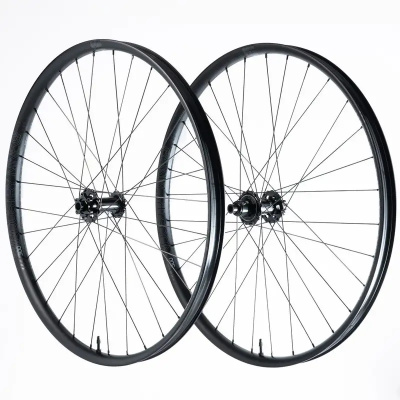
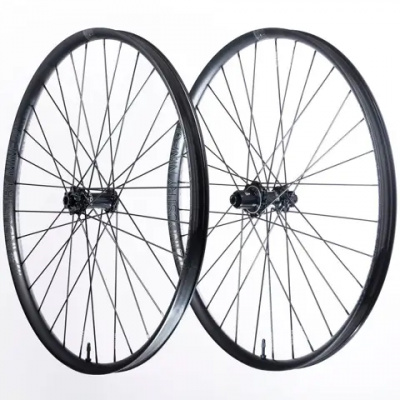
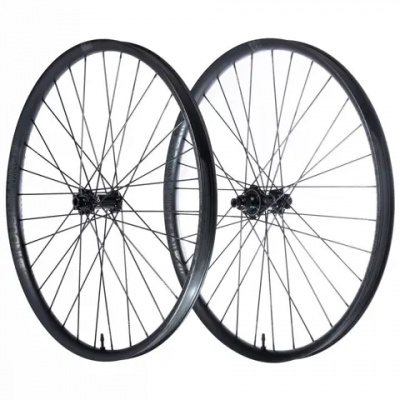
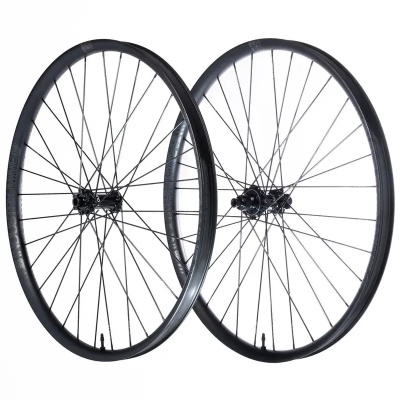
Industry Nine MTB wheels sit at the sharper end of what a wheelset can actually do - hand-built in Asheville, North Carolina, and engineered around a hub system that makes almost every competitor feel sluggish by comparison. The flagship Hydra Drive System delivers 690 points of engagement and just 0.52 degrees of rotational dead-band before drive kicks in. On wet, off-camber roots in the Peak District or scrappy switchbacks anywhere in the UK, that near-instant ratcheting is the difference between clipping a pedal and riding away clean.
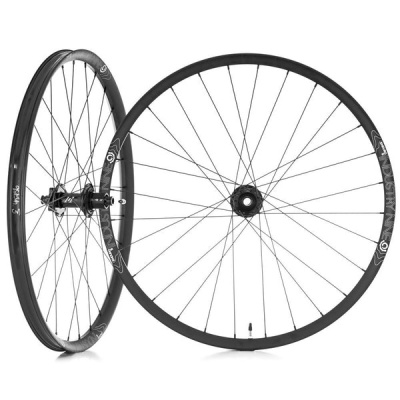
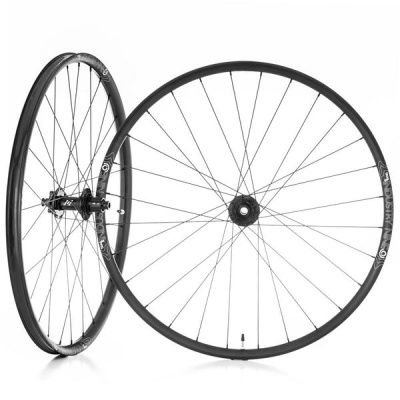
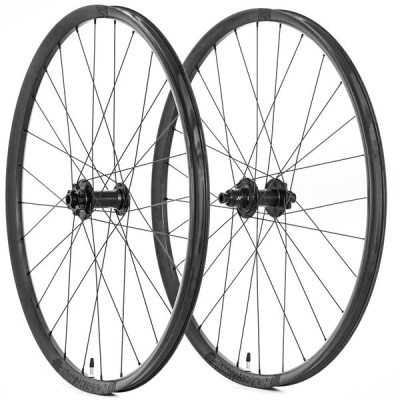
The System wheelsets pair the Hydra hub with proprietary one-piece machined aluminum straight-pull spokes that thread directly into the hub shell - no J-bend, no traditional stress point, no lateral flex you hadn't bargained for. Rim options split across the Enduro 305 for all-mountain and enduro riding and the Trail 280 for riders who want a lighter, more lively build without sacrificing structural honesty. Carbon and alloy rims are both in play depending on your budget and how much you care about rotating weight. If you want precision rather than compromise, i9 makes a strong case from the first pedal stroke.

Prices and availability can change quickly. Delivery charges are not always included in listed prices.
Final price, stock status and delivery terms are set by retailer. We may receive a commission on purchases made.
Axle Standards, Rotor Mounts and Getting Compatibility Right
Industry Nine MTB wheels are available across the main axle standards you'll encounter on modern bikes. Standard Boost sizing covers 15x110mm front and 12x148mm rear - compatible with the vast majority of trail and enduro frames sold in the UK over the last several years. If you're running a mullet setup or a dedicated enduro frame with a beefier rear end, check whether your bike calls for Super Boost Plus at 12x157mm; i9 offers hub configurations for that too, and it's worth verifying before you order rather than after.
Rotor mounting comes in both 6-bolt and Centerlock flavours. Centerlock is cleaner to set up and marginally lighter, but if your rotors are already 6-bolt, there's no performance reason to swap - an adapter sorts it. For freehub body compatibility (XD driver, Micro Spline, standard HG), bearing replacements, and tubeless setup, those are separate conversations. Check the i9 Freehub Bodies & Spares page for driver body options, the i9 Bearings section for replacement internals, and the i9 Tubeless Valves page when you're setting up a tubeless run.
System Wheels vs 1/1: Which Tier Makes Sense for You?
i9 splits its MTB wheel range into two distinct tiers, and the difference isn't just price - it's architecture. System Wheels are the headline act. They're built around the Hydra hub with its 690 points of engagement and six independently phased pawls producing that 0.52-degree pickup. The spokes are proprietary thick-walled machined aluminum, threaded directly into the hub flange - no nipple at the hub end, no J-bend fatigue point. The result is a wheel that's laterally rigid in a way that feels almost deliberate when you push through a corner.
The 1/1 Wheels are the workhorse option. They use a 90 points of engagement hub with dual-phased pawls - still faster than a lot of what's on the market, but noticeably less immediate than Hydra. Spokes are standard steel, either J-bend or straight-pull depending on the build, which means your local shop can true them without hunting for specialist tools. For riders who want i9 reliability without the System price tag, the 1/1 range is the honest answer.
Rim designations follow a consistent logic. The Enduro (E) designation covers all-mountain and enduro-focused builds - wider internal widths, more material in the sidewall. Trail (T) rims are the middle ground: aggressive enough for chunky trail riding, lighter enough that you notice it on longer days out. Grade (G) is the downhill-specific option, built for repeated big hits rather than climbing efficiency. Across all three, you can choose between alloy rims - durable, repairable, and easier on the wallet - and carbon rims, which cut rotating weight and damp trail buzz differently, though they demand more care around big rock strikes. Brands like ENVE and Reserve occupy similar carbon rim territory if you want to compare construction approaches.
Keeping i9 Wheels Running Through a UK Winter
UK riding eats bearing systems. Peak District grit works like grinding paste, and a wet November on any bridleway will stress-test hub seals in ways a dry Californian trail never would. The good news is that i9 hubs are built with proper seal integrity, but the Hydra system does need clean lubrication to stay sharp. The six pawls and their springs are precision parts - let contaminated, dried-out oil sit in there and you'll eventually get pawl skip, which feels like the rear wheel momentarily freewheeling mid-pedal-stroke. Not ideal on a greasy climb.
The go-to fix from mechanics who work on these regularly is Dumonde Tech Pro X freehub oil for standard service. If the volume of that Hydra buzz bothers you or your riding mates - and it is genuinely loud, by design - switching to Dumonde Tech Pro X grease rather than oil damps the sound significantly without affecting engagement. It's a five-minute job with the right tools, and worth doing at the start of winter.
Speaking of tools: System Wheels require a specific i9 spoke wrench for any truing work. Because the spokes thread into the hub shell rather than using a nipple at that end, you can't true them from the hub side the conventional way - adjustment happens at the rim nipple, but you need the correct key profile to avoid rounding off the alloy spoke ends. Pick up the right wrench from the i9 Tools page before your first service rather than improvising. If you're looking at upgrading your hubs separately from the wheel build, the i9 Hubs range covers standalone options too.
For riders comparing against other UK-popular options, Hope MTB Wheels and DT Swiss MTB Wheels both offer strong winter-capable builds with excellent UK parts availability - worth factoring in if proximity to a service network matters to you. i9's Asheville origin means parts occasionally take longer to reach UK shores, so keeping a spare set of pawls and springs in your toolkit isn't paranoia, it's planning.
Industry9 MTB Wheels FAQs
Are Industry Nine wheels worth the money?
For riders who spend time on technical UK trails - loose rock, wet roots, punchy steep sections - the Hydra hub's 0.52-degree engagement genuinely changes how you interact with the trail. System Wheels are expensive, but the stiffness and pickup are measurable, not marketing. If you're riding hard and often, the investment holds up. Occasional trail centre riders might find the 1/1 tier a more honest fit for their use case.
How loud are Industry 9 Hydra hubs?
Loud. The 690 points of engagement mean a lot of pawl-on-ratchet contact, and out of the box with standard freehub oil, the Hydra produces a high-pitched buzz that carries. It's a mechanical reality of the design, not a fault. If it bothers you or the people you ride with, packing the hub with Dumonde Tech Pro X grease instead of oil quietens things down noticeably while keeping engagement sharp.
Can you use standard spokes on Industry Nine wheels?
It depends which tier you're on. System Wheels use i9's proprietary machined aluminum spokes that thread into the hub shell - these are not interchangeable with off-the-shelf spokes, and replacement requires sourcing i9-specific parts. The 1/1 wheelsets use standard steel J-bend or straight-pull spokes, so your local wheel builder can work on them without any drama.