
Bontrager MTB Wheels
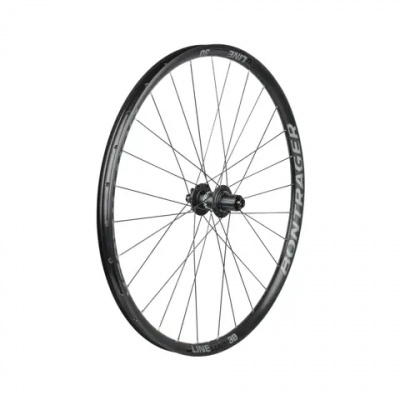
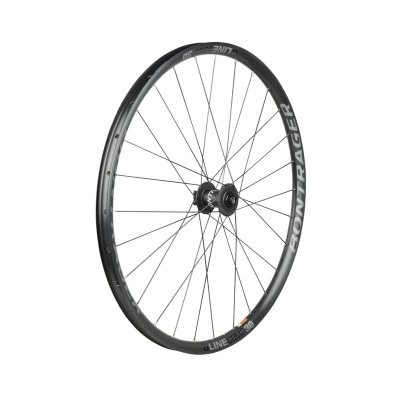
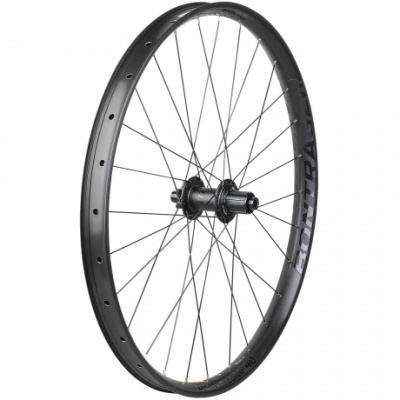
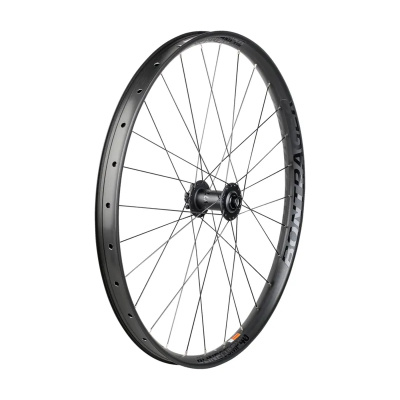
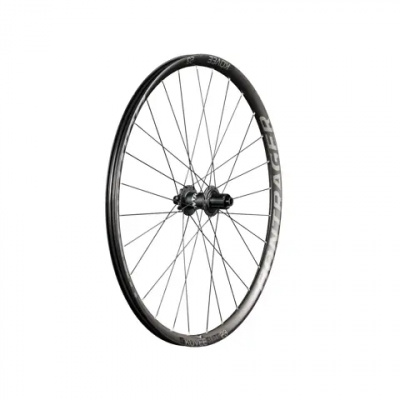
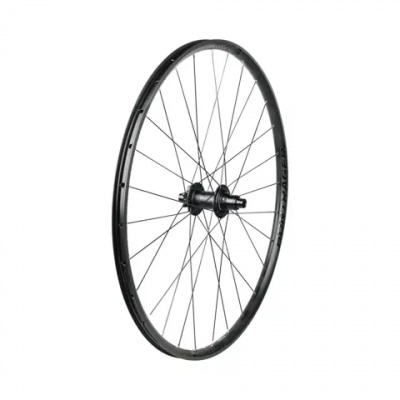
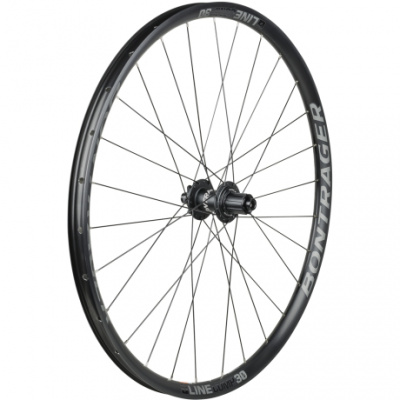
Bontrager MTB wheels split neatly into two camps: tough-as-nails alloy for riders who want reliability without fuss, and OCLV Mountain Carbon for those chasing weight savings without sacrificing the impact resistance you actually need on UK trails. What ties the range together is the Rapid Drive 108 hub system - 108 points of engagement via a 6-pawl mechanism, delivering a 3.3-degree pickup that translates to near-instant drive the moment you stamp on the pedals out of a tight, root-covered corner. That responsiveness is addictive, and once you've felt it you'll notice the lag on anything slower.
Every modern Bontrager MTB wheel also ships Tubeless Ready (TLR), so the rim profile and bead seat are already sorted - you're just adding tape, valves, and sealant. And if you're considering carbon, the Carbon Care Wheel Loyalty Programme gives original owners a no-quibble repair or replacement for structural damage in the first two years. Riding into a hidden rock step on a wet Welsh descent feels a lot less consequential with that safety net in place.
Whether you're building up a new rig or swapping out a tired stock wheelset, use the comparison tools and price listings below to find the right Bontrager set for your bike and your budget.
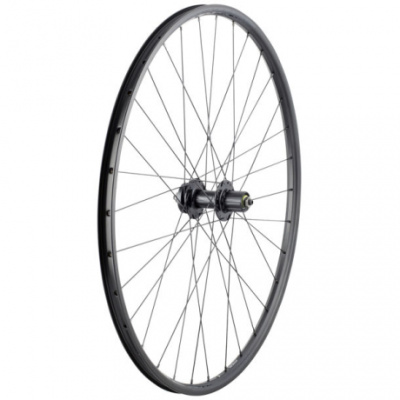
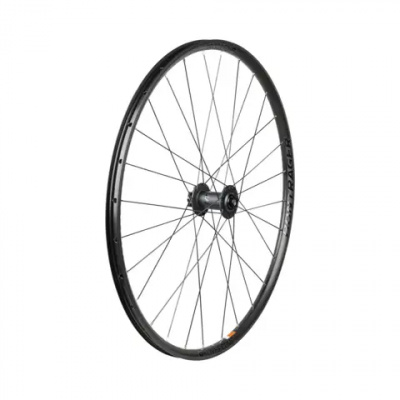
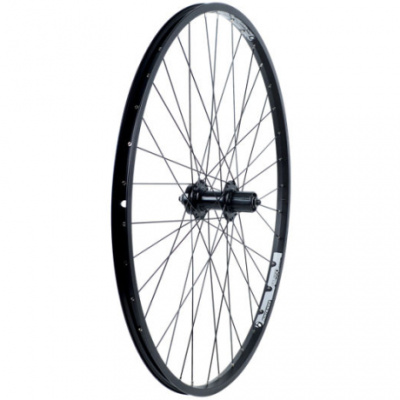
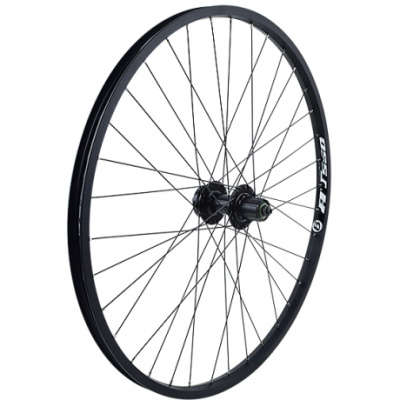
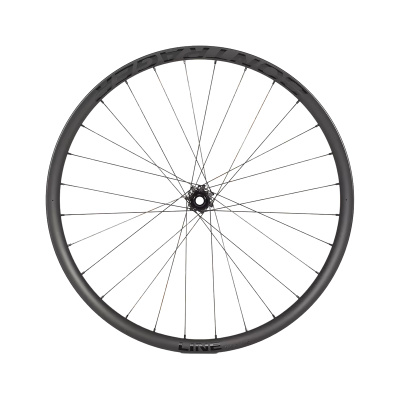
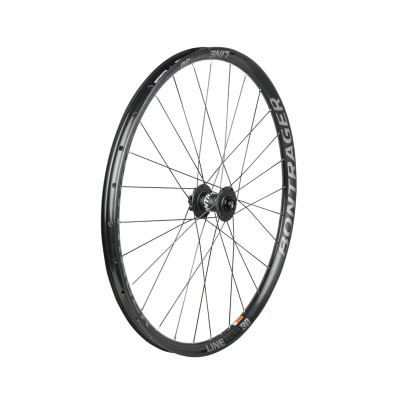
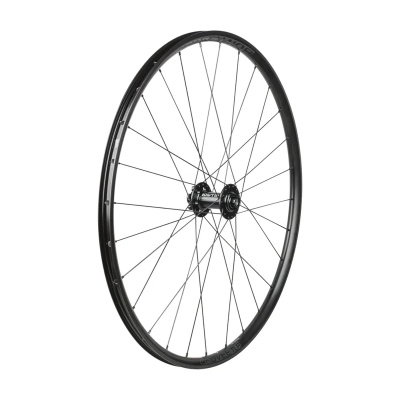
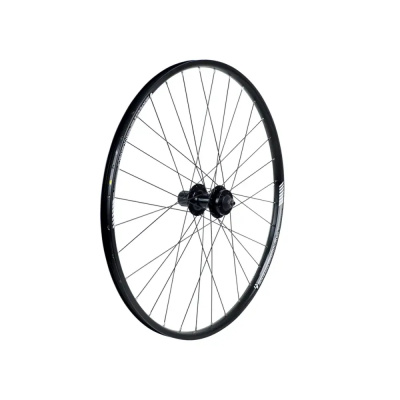
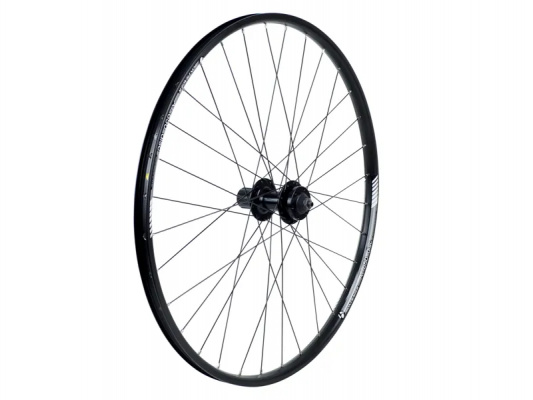
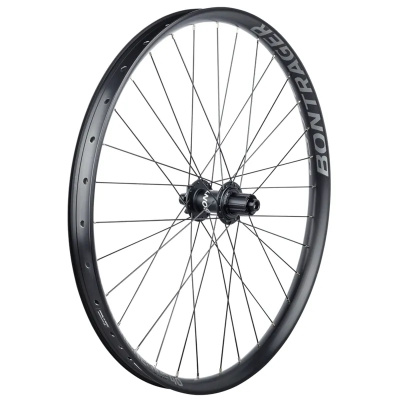
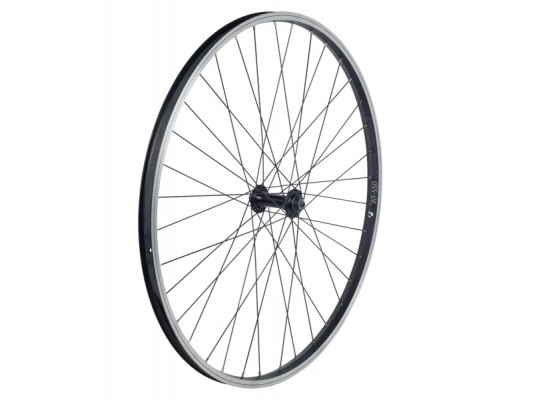
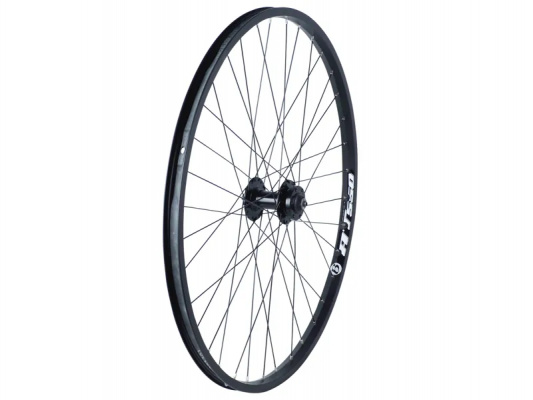
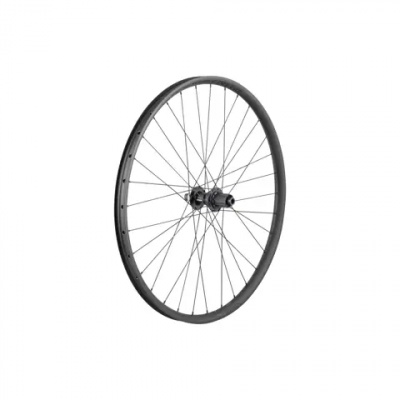
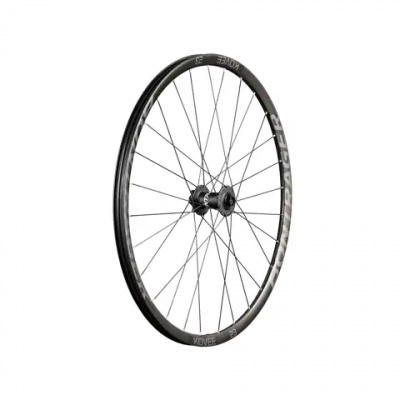
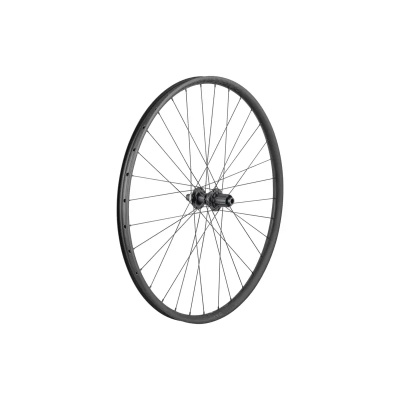
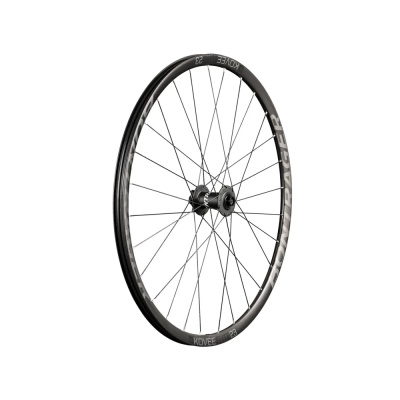
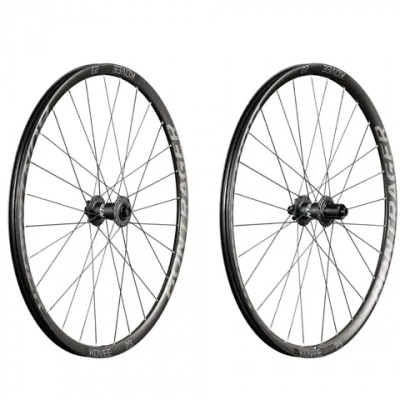
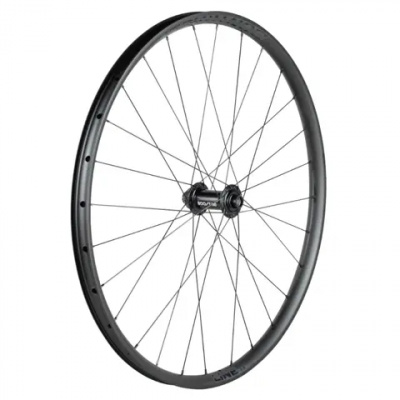
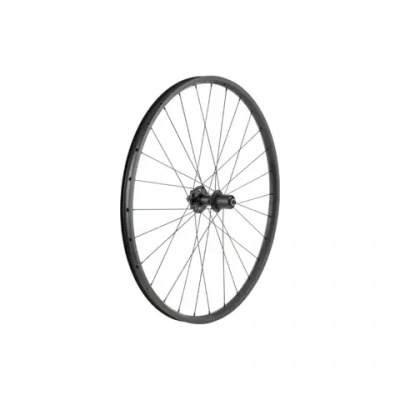
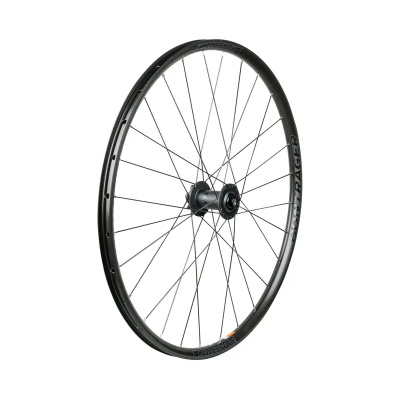
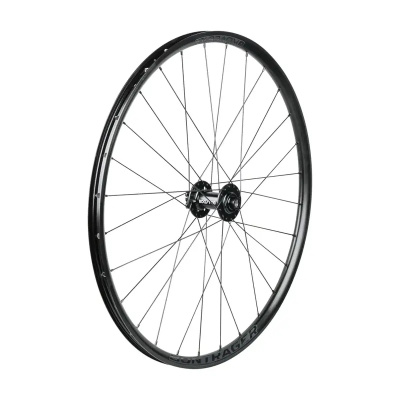
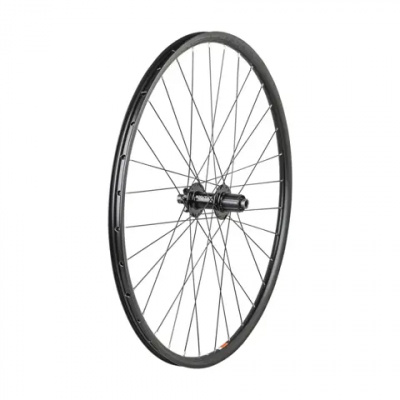
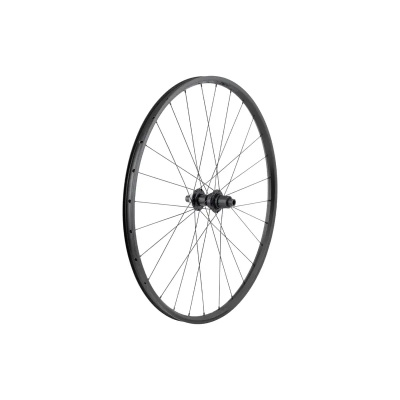
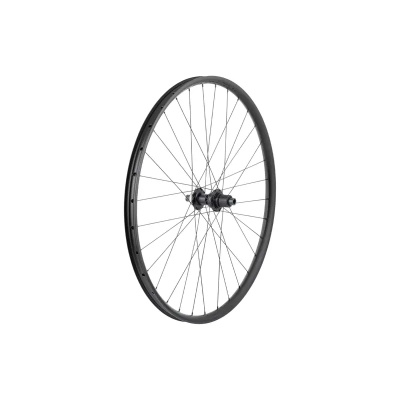
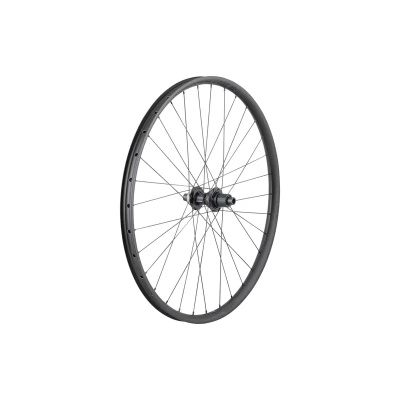
Prices and availability can change quickly. Delivery charges are not always included in listed prices.
Final price, stock status and delivery terms are set by retailer. We may receive a commission on purchases made.
Will They Fit Your Bike? Compatibility and Standards Explained
Most current Bontrager MTB wheels are built around Boost spacing - that's 110mm front and 148mm rear - which has been the dominant standard on trail and enduro frames for several years now. If your frame is pre-Boost, check carefully before you buy; some older Bontrager alloy options used standard 100mm/142mm spacing, but the majority of the current lineup assumes Boost as the baseline.
Freehub compatibility is where things get fiddly. Bontrager wheels are available with standard HG bodies for Shimano 10 and 11-speed drivetrains, Micro Spline bodies for Shimano 12-speed (including the larger 10-tooth smallest sprocket), and SRAM XD drivers for SRAM's 10-tooth-compatible cassettes. If you're running SRAM AXS or a 12-speed Eagle groupset, double-check which driver body is spec'd - it's an easy thing to overlook and a frustrating thing to get wrong when the wheel arrives. Freehub bodies are user-swappable on most Rapid Drive hubs, which does give you some future-proofing if you switch drivetrain down the line.
Brake rotor mounts come in both Centerlock and 6-bolt configurations depending on the model, so match that to your caliper and rotor setup before ordering. Centerlock is faster to swap rotors and marginally lighter; 6-bolt is more universally compatible with older or budget brake kits. Neither is meaningfully better on trail - it's purely a practical choice based on what you already own.
If you're not after a complete wheelset and instead need to replace a broken rim, swap out a hub shell, or source new spokes and nipples, we'd point you toward the dedicated component categories rather than building costs into a full wheel price. Similarly, if it's just a worn freehub body you're chasing, that's a separate search worth doing on its own terms.
Kovee vs Line: Choosing the Right Bontrager Family
Bontrager's MTB wheel range breaks into two distinct families, and picking the wrong one for your riding style is the most common mistake we see. The Kovee line is aimed at XC and light trail riding - think weight-conscious cross-country racing, marathon events, or fast-rolling hardtail builds where you're not regularly throwing the bike into chunky rock gardens. Kovee wheels tend to run narrower internal rim widths and prioritise low rotational mass above all else.
The Line family is where most UK trail and enduro riders will land. These are wider, heavier, and built with impact resistance as the primary brief. Internal rim widths in the Line range sit around 29 - 30mm, which gives tyre sidewalls meaningful support at the lower pressures you'll run on loose, wet Peak District grit or the off-camber roots you find all over the South Downs and Scottish trail centres. A narrower rim at the same pressure lets the tyre roll and fold under cornering load; the wider bead seat keeps things honest.
Within each family, Bontrager uses a consistent tier suffix. Comp is the entry point - durable alloy construction, sensible weight, no frills. It's the right answer if you're upgrading from genuinely poor OEM wheels and want a reliable platform without stretching the budget. Elite steps into OCLV Mountain Carbon - Bontrager's off-road-specific carbon layup that's engineered to handle lateral strikes rather than just vertical loads. The weight drop over Comp alloy is real, and the OCLV layup is notably more forgiving of rim strikes than some of the stiffer XC-oriented carbon you'll find from ENVE or comparable high-end options.
The Pro tier refines the OCLV construction further - marginally lighter, with upgraded hub internals and often a bump to the full Rapid Drive 108 engagement spec as standard rather than optional. If you're looking at the Bontrager Line Elite vs Pro question honestly, the Pro makes most sense for riders who'll notice the engagement improvement on technical climbs where half a pedal stroke matters. The RSL (Race Shop Limited) tier sits above all of it - the absolute ceiling of what Bontrager builds, with rim profiles and layups refined for racing weight and stiffness. Most riders don't need RSL. The ones who do already know.
For context, if you're weighing up the Line Pro against alternatives from Hope or DT Swiss, the Bontrager tends to win on hub engagement and warranty support; the competitors often edge it on serviceability for home mechanics who like easy access to internals.
Running Bontrager Wheels Through a UK Winter
The Rapid Drive 108 system is genuinely excellent - but it does have a sensitivity that's worth knowing about before November arrives. The 6-pawl design with fine engagement teeth means there's more contact surface working for you, but also more surface area for the grinding paste that forms when liquid mud mixes with grit on a proper British winter ride. Leave the hub unserviced through a full season and you'll start to feel - and hear - the pawls skipping under load. Not catastrophic, but deeply annoying on a steep climb.
The fix is straightforward: strip and regrease the Rapid Drive hub every three to four months if you're riding through winter regularly. Use a light, thin hub-specific grease - Dumonde Tech Fluid Lube or Bontrager's own hub grease works well - rather than a thick general-purpose bearing grease. Thick grease slows pawl spring return in cold temperatures and causes exactly the slip you're trying to prevent. It takes twenty minutes with a few basic tools and makes a noticeable difference to how crisp the pickup feels.
On the rim side, OCLV Mountain Carbon handles UK rocky descents better than its weight suggests it should. The layup absorbs lateral strikes - the kind you get clipping a gritstone edge on a Peaks descent or tagging a hidden root ball - without the catastrophic delamination risk that older or cheaper carbon constructions carry. That said, it's not indestructible; if you're regularly riding without a guide through boulder fields at speed, the Carbon Care programme is a useful backstop rather than a licence to be reckless.
All current Bontrager MTB wheels run the TLR rim strip system, which creates a reliable airtight bead seat for tubeless setups. The wider internal widths in the Line range (29 - 30mm) let you run meaningfully lower pressures - useful on wet, off-camber sections where grip is everything - without the tyre rolling off the bead or burping sealant mid-corner. Pair them with Bontrager MTB tyres if you want a system that's been matched from the factory, or run whatever compound suits your local trails. Either way, make sure you've got the right tubeless valves and fresh rim tape before you set up - it's one of those jobs where cutting corners on consumables costs you twice as long sorting a slow leak at 7am in a muddy car park.
If you want to see how the full Bontrager MTB range fits together beyond wheels alone, the Bontrager mountain bikes category gives useful context on how these wheelsets perform as part of a complete build.
Bontrager MTB Wheels FAQs
Are Bontrager MTB wheels tubeless ready?
Yes. All current Bontrager MTB wheels use their TLR (Tubeless Ready) system, which means the rim profile and bead seat are already set up for tubeless running. You'll need to add Bontrager-compatible rim strips, tubeless valves, and your choice of sealant to complete the conversion - but the hard work is done by the rim itself.
What is the Bontrager Carbon Care Wheel Loyalty Programme?
It's a two-year structural damage cover for original owners of Bontrager carbon wheels. If you damage a rim structurally while riding - a rock strike that cracks the carbon, for example - Bontrager will repair or replace it at no cost. It doesn't cover wear, crash damage to other components, or second-hand owners, but it's a genuine safety net for anyone committing to carbon on technical trails.
Can I upgrade a Bontrager Rapid Drive 54 hub to 108 points of engagement?
You can. The Rapid Drive 54 hub accepts three additional pawls and springs, doubling the engagement points to 108 and dropping the pickup angle to 3.3 degrees. It's a relatively simple workshop job and a worthwhile upgrade if you're finding the 54-point version sluggish on steep, technical climbs where precise power timing matters.