
Tifosi 11 Speed Cassettes
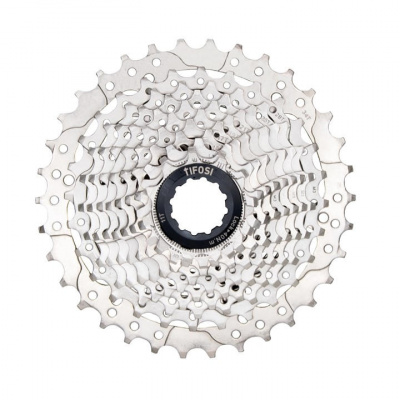
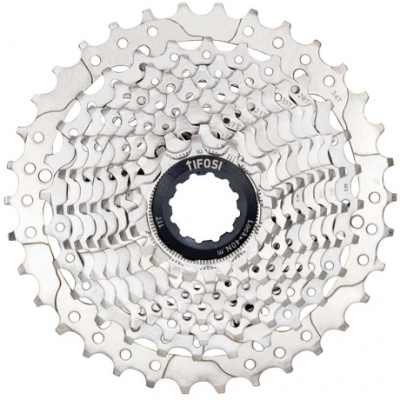
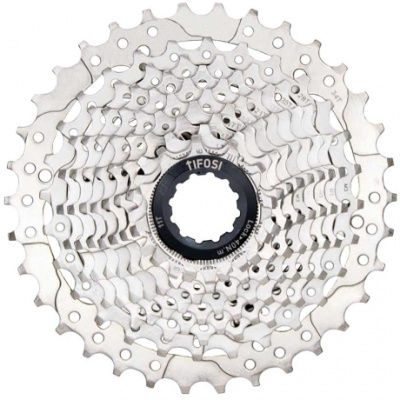
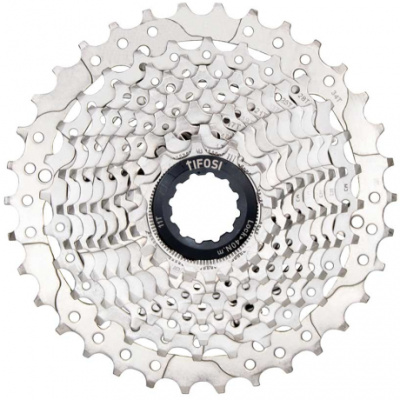
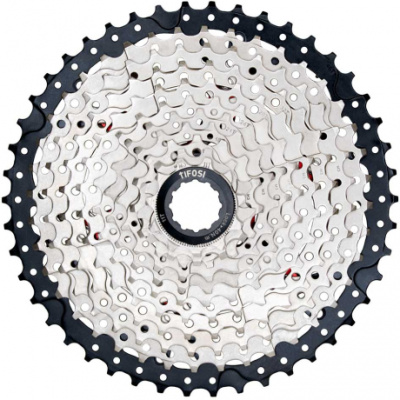
Tifosi 11 Speed Cassettes sit in a practical, no-nonsense bracket that makes a lot of sense when you're replacing a worn drivetrain and don't want to spend big on OEM parts. These are nickel-plated steel sprockets built to resist rust and take a proper hammering from UK winter grit - the kind of fine, abrasive muck that turns an unprotected cassette into scrap metal by February. That plating isn't just cosmetic; it genuinely slows the grinding wear that wet roads accelerate.
Tifosi manufactures separate versions for Shimano/SRAM HG and Campagnolo freehub splines, so you're not wrestling with adaptors or hoping for the best. Pick the right fitment for your hub and it slots straight in. The optimised shifting ramps mean chain pickup stays reliable even when you're pushing hard out of a junction or digging into a climb mid-ride.
If you're running a dedicated winter training bike, a high-mileage commuter, or simply want a dependable replacement that won't punish your wallet, Tifosi cassettes deserve a proper look. Drivetrain wear is inevitable - the question is how quickly it happens and how much you spend fighting it.

Prices and availability can change quickly. Delivery charges are not always included in listed prices.
Final price, stock status and delivery terms are set by retailer. We may receive a commission on purchases made.
Getting the Right Fit: Freehub Standards and Spline Patterns
Before you order anything, check what freehub body your rear wheel is running. This is the single most common purchasing mistake, and it's an easy one to avoid. Shimano HG freehub bodies use a splined pattern shared with SRAM, so Tifosi's Shimano-compatible cassette covers both. Campagnolo uses its own distinct Campagnolo freehub spline design - narrower splines, different geometry - and Tifosi produces a dedicated SKU for that too. The two are not interchangeable. Ordering the wrong one means it simply won't seat on your hub.
There's also a width consideration worth knowing. An 11-speed road freehub body is 1.85mm wider than the older 8/9/10-speed standard. If you're upgrading an older wheel to 11-speed, that hub body needs to match - you can't fit a Shimano 11-speed cassette or a Tifosi equivalent onto a 10-speed freehub without a conversion. For installation, you'll need a cassette lockring tool that matches your freehub standard - Shimano-pattern lockrings require a splined lockring socket, while Campagnolo uses a different tool entirely. Worth double-checking before you start; stripped lockrings are a miserable workshop problem.
If you're running a Campagnolo 11-speed groupset, make sure you select Tifosi's Campag-compatible version explicitly. The fitment detail will be in the product listing - don't assume.
Gear Ratios and Which Setup Suits You
Tifosi keeps things straightforward. Rather than a sprawling product hierarchy like you'd find comparing SRAM's 11-speed range across Force, Rival and Apex tiers, Tifosi focuses on a single durable tier with a choice of gear ratios to suit different riding demands. That simplicity is a strength - there's no confusion about which version is the "upgrade".
An 11-28T cassette works well for flatter routes and rolling roads where you want tighter sprocket spacing between gears and a more linear feel through the block. You stay in the zone more easily on undulating roads, with less hunting between gears. Move to an 11-32T and you're giving yourself a genuine bailout gear for steeper UK climbs - the kind of sustained 15% ramps you find in the Yorkshire Dales or heading out of certain Welsh valleys. The trade-off is slightly larger jumps between sprockets in the middle of the block, which some riders notice on tempo efforts.
One practical point: fitting a wider-range cassette like an 11-32T may require a medium or long-cage rear derailleur to handle the larger sprocket and take up chain slack correctly. You'll also need to check your chain length - a longer cage setup typically means a longer chain. If you're unsure, a quick chain-length check using the largest-chainring/largest-sprocket method (without going through the derailleur) will tell you whether you need to add a link. Get this wrong and you'll either drop the chain or risk snapping it on a climb.
Keeping It Running Through a UK Winter
UK roads in winter are genuinely hostile to drivetrains. The grit that coats B-roads from November onwards isn't just dirt - mixed with water and chain lube, it becomes an abrasive paste that works its way between sprocket teeth and chain rollers constantly. Nickel-plated steel sprockets resist this better than bare steel because the plating reduces the surface porosity that moisture and grit exploit. It won't make your cassette invincible, but it meaningfully slows the rate of drivetrain wear compared to uncoated alternatives.
The most important maintenance habit, though, is chain monitoring. Replace your chain at 0.5% wear using a chain checker tool - not 0.75%, not "when it starts skipping." By 0.75% the chain has already begun accelerating cassette wear, and a worn chain on a new Tifosi cassette will chew through the sprocket teeth faster than you'd expect. Chains are cheap compared to cassettes. Stay ahead of it.
For cleaning, a stiff brush worked between the sprockets with a decent degreaser does the job. Aerosol degreasers are fast but can strip bearing grease from the freehub if you're not careful - a drip-on degreaser with a brush gives you more control. Rinse thoroughly, dry where you can, and re-lube with a wet lube if you're riding through winter. Ceramic lubes are popular, but a quality wet lube is less fussy about application and holds up well in persistent rain. Compared to something like a Miche titanium sprocket cassette, Tifosi won't save you grams, but it will handle neglect and grime more forgivingly - which matters when you're back from a wet Sunday ride and motivation for a full clean is limited.
If you're running a bike with significant mud exposure on lanes and bridleways, rinse the cassette area specifically before the grit dries. Dried grit is harder to shift and more likely to score the sprocket flanks. A SunRace wide-range cassette might be worth comparing if your riding skews heavily off-road, but for road and mixed-surface use, Tifosi's construction holds up well through a standard UK winter season.
Pair the cassette with a quality chain and you've got a drivetrain combination that should see you comfortably through a winter's riding without constant parts replacement. Worth also considering the rest of your contact points - a reliable set of Tifosi sunglasses cuts glare on low winter sun, and if your setup runs forks, it's worth checking Tifosi's fork range for compatible options.
Tifosi 11 Speed Cassettes FAQs
Are Tifosi 11 speed cassettes compatible with Shimano?
Yes. Tifosi produces a dedicated Shimano/SRAM HG spline version of their 11-speed cassette that fits standard 11-speed Shimano freehub bodies directly. Just make sure you're selecting the Shimano-compatible SKU - the Campagnolo version uses a different spline pattern and won't fit.
Do I need a spacer for an 11 speed cassette?
On a standard 11-speed road freehub, no spacer is needed - the cassette seats correctly without one. If you're fitting onto a wider 12-speed or certain MTB-spec freehub bodies, a 1.85mm spacer behind the cassette brings the sprocket stack into the right position. Check your freehub spec first.
How long should an 11 speed cassette last?
In UK conditions, a Tifosi steel cassette will typically last 3,000 to 5,000 miles - but that figure depends heavily on chain maintenance. Replace your chain at 0.5% wear and you'll protect the cassette teeth. Run a chain past 0.75% stretch and you'll burn through a new cassette in a fraction of that mileage.