
SRAM 11 Speed Cassettes
A fresh SRAM 11 speed cassette is one of the most immediate drivetrain improvements you can make - worn cogs ghost-shift and fumble under load, while a new cassette snaps cleanly from gear to gear with that satisfying mechanical click you remember from day one. SRAM's 11-speed range splits across two distinct worlds: road groupsets (Rival, Force, Red) and MTB (NX, GX, X01, XX1), each with gear ratios tuned to what those bikes actually demand. Tight 11-28T or 11-32T spreads for road riders who want fast, precise steps between sprinting and climbing; wide 10-42T or 11-42T options for the trail riders who need that bail-out gear when a loose Welsh climb turns savage.
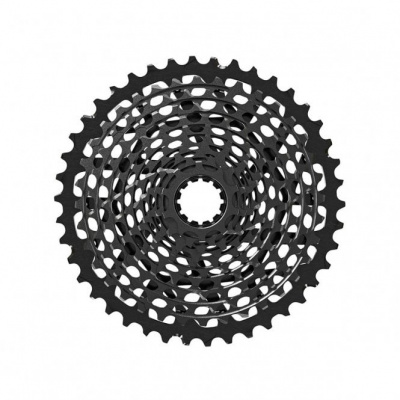
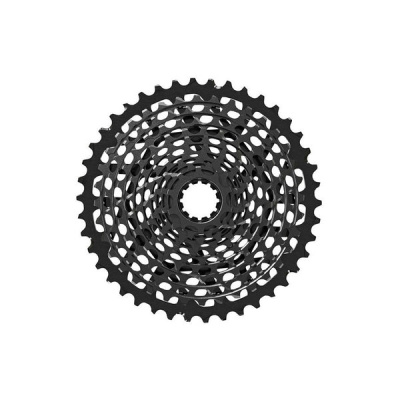
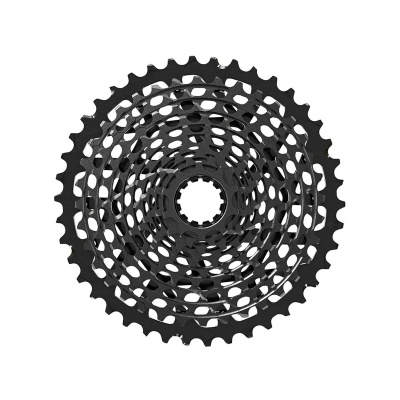
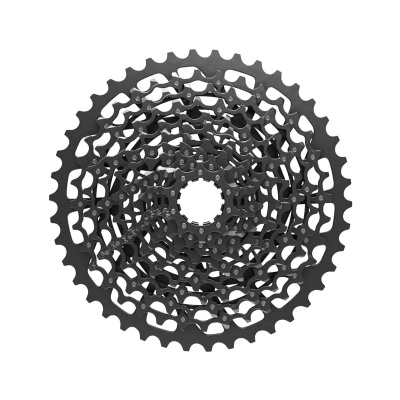
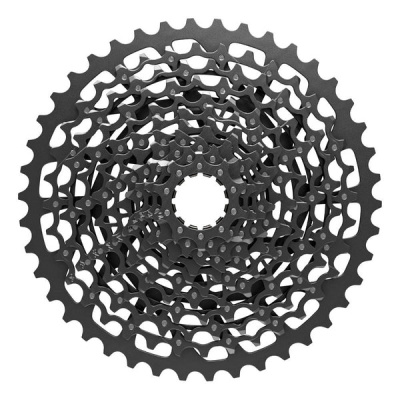
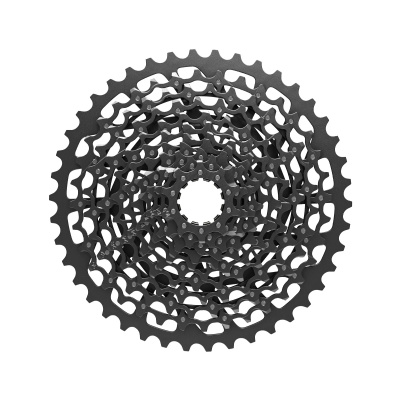
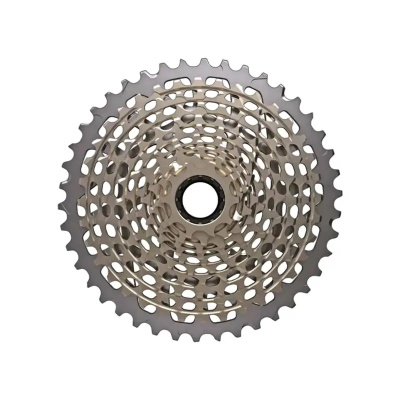
The range runs from budget-friendly stamped-steel PG cassettes right up to CNC-machined XG units that use X-Dome technology and Mini Cluster construction to shed serious grams and keep shifting clean in deep mud. PowerGlide II tooth profiles mean the shifting feels positive rather than vague, even when you're mashing up a Peak District drag in the rain. Compatibility is the thing to nail before you buy - freehub standard, derailleur capacity, and chain compatibility all need to line up. Check the details below, compare UK prices across the full range, and find exactly the cassette your drivetrain needs.
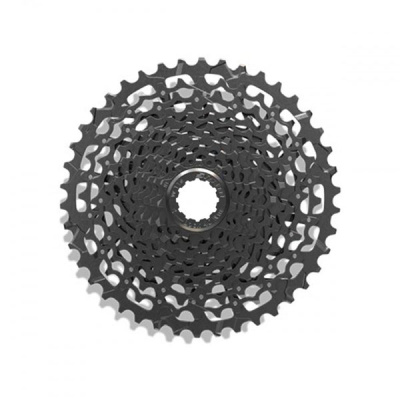
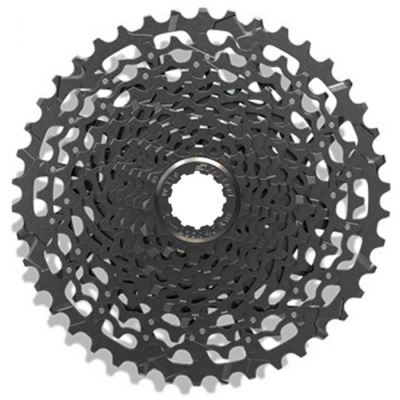
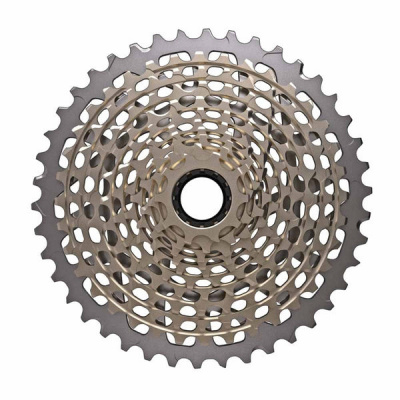
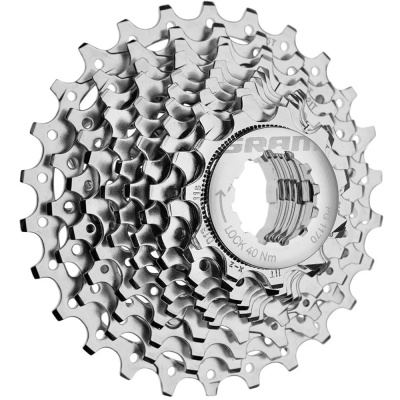
Prices and availability can change quickly. Delivery charges are not always included in listed prices.
Final price, stock status and delivery terms are set by retailer. We may receive a commission on purchases made.
HG vs XD Freehub: Getting Compatibility Right First
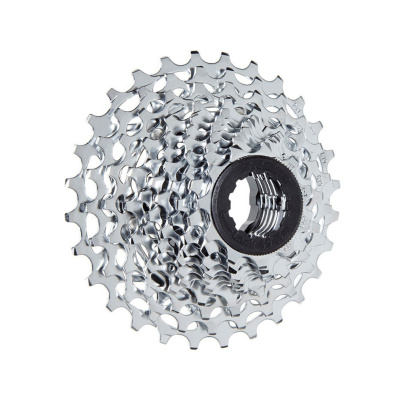
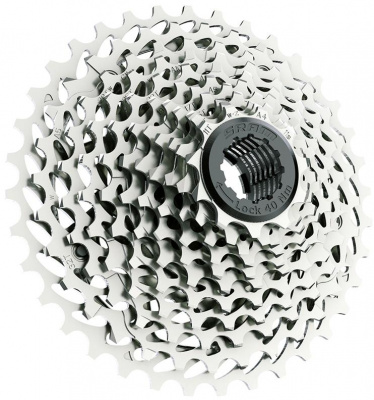
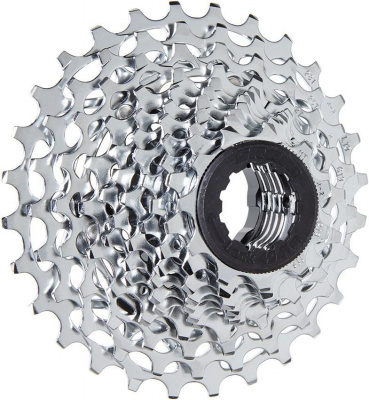
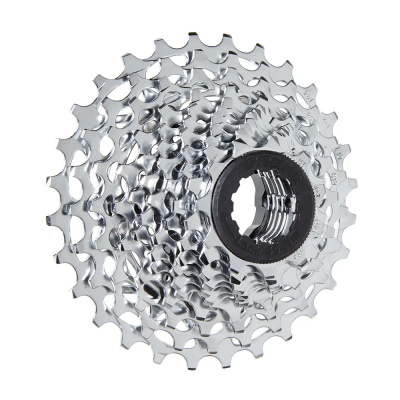
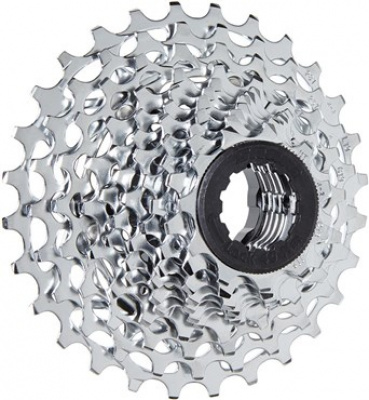
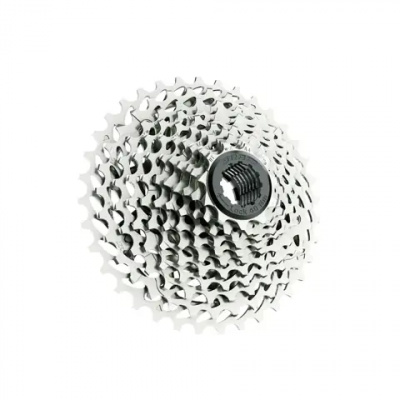
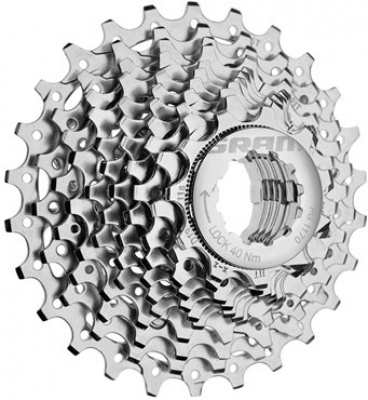
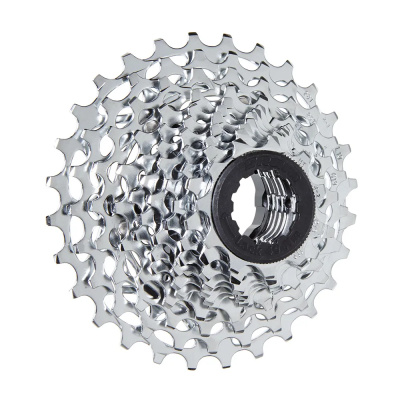
This is the one thing worth checking before anything else. SRAM's 11-speed cassettes split across two freehub standards, and fitting the wrong one simply won't work. The PG series - think PG-1130 at the NX and Rival end - uses a standard HyperGlide (HG) splined freehub, the same interface that Shimano has used for years. If your hub already runs an 11-speed Shimano cassette, a PG-series SRAM cassette will bolt straight on. Straightforward.
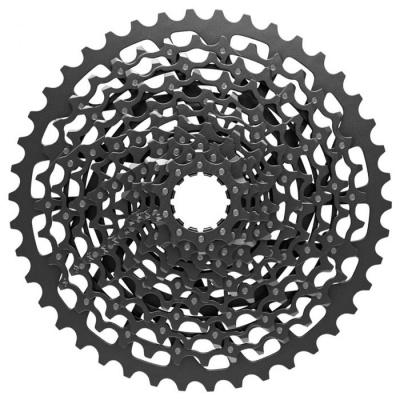
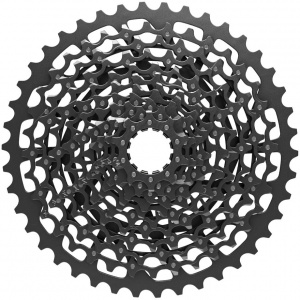
The XG series is a different story. Cassettes like the XG-1150 and XG-1195 start at a 10-tooth small cog, and that extra-small sprocket physically cannot fit over a standard HG freehub body - it needs a SRAM XD driver body, which has a threaded interface rather than splines. If your hub doesn't have one already, you'll need to swap the driver body before the cassette will fit. Worth factoring that into your budget. On the derailleur side, road and MTB rear mechs have different cable pull ratios and chain-wrap capacities, so a GX cassette with a 42T max won't play nicely with a road Force derailleur - always cross-reference your derailleur's specified range against the cassette you're buying. If your freehub needs attention, our SRAM tools listings cover the lockring and driver body kit options worth having to hand.
One more thing: SRAM and Shimano 11-speed cassettes share the same cog spacing, so cross-brand mixing between cassette and derailleur works - just respect cage length and total capacity limits.
PG vs XG: What You Actually Get at Each Price Point
The PG and XG labels aren't just marketing tiers - they describe genuinely different construction methods that produce genuinely different cassettes.
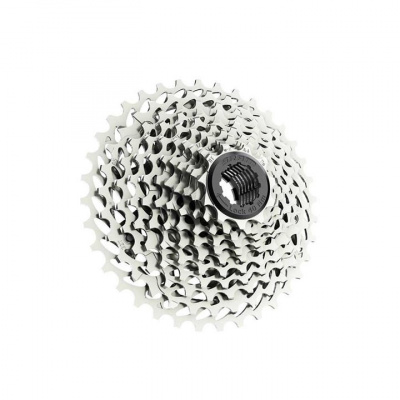
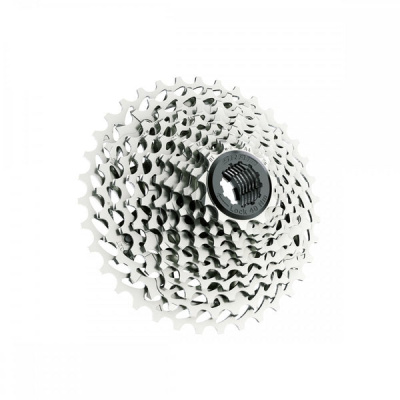
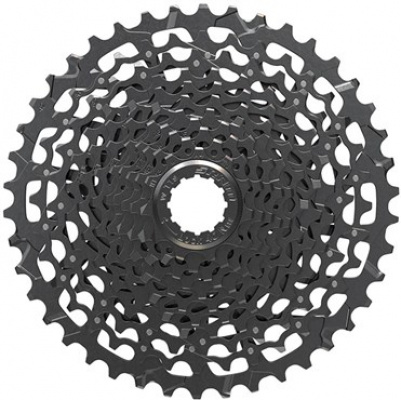
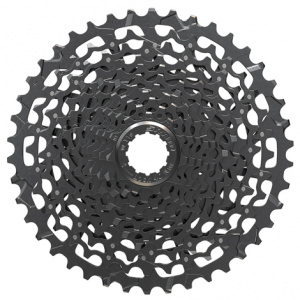
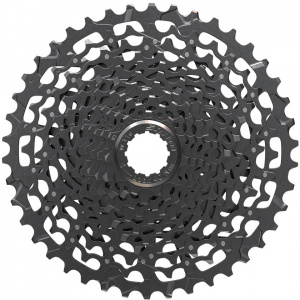
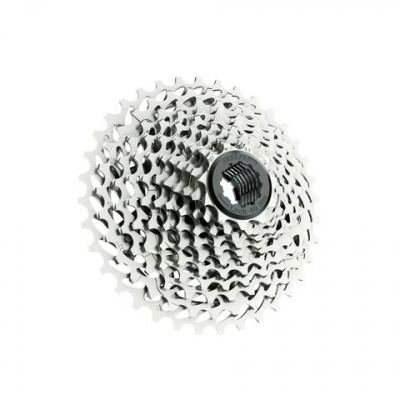
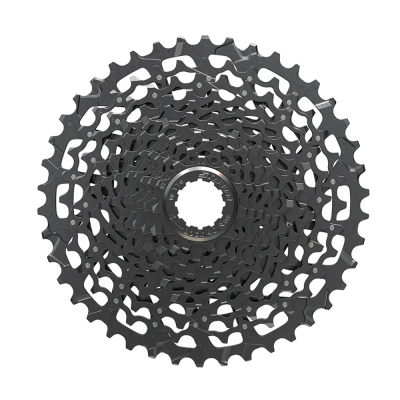
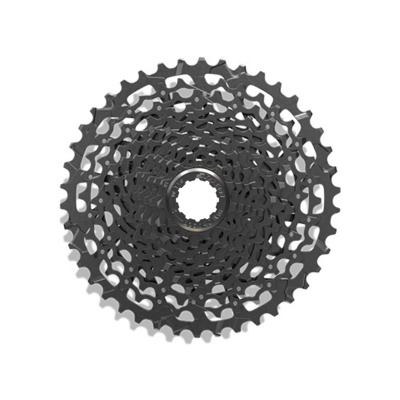
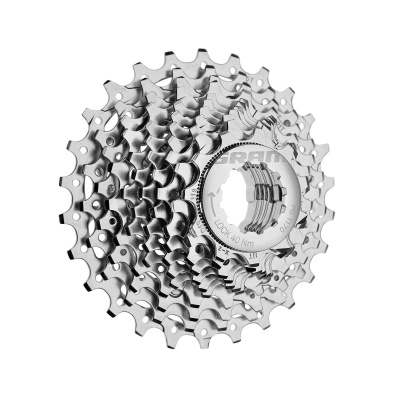
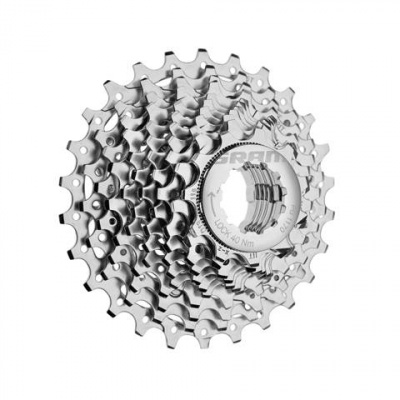
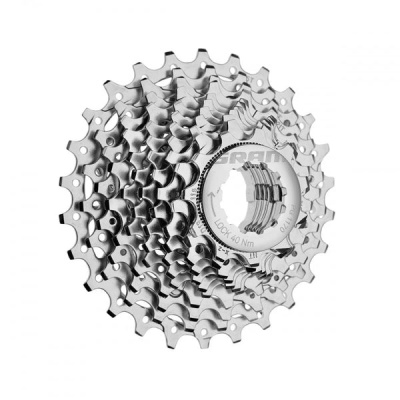
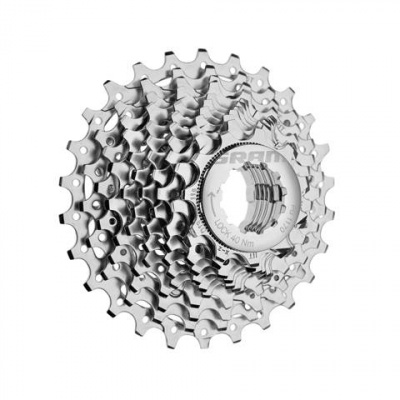
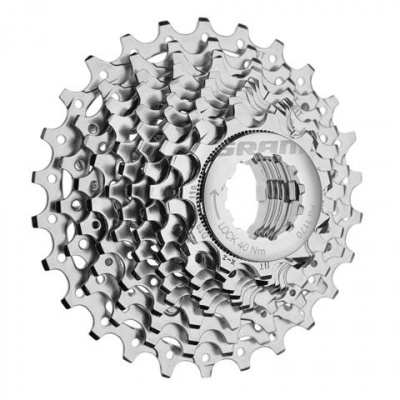
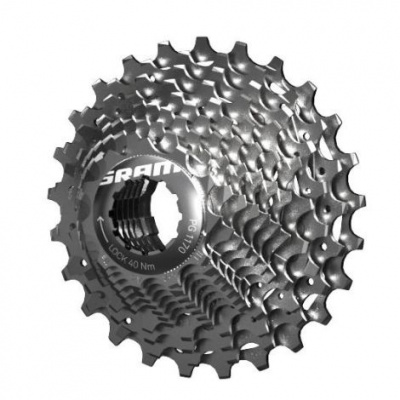
PG (PowerGlide) cassettes are built from stamped steel cogs pressed and pinned together. That process is efficient and produces a cassette that's tough, reliable, and well-priced. The NX Eagle PG-1130 and Rival-level equivalents sit here. Heavier than the premium options, yes, but that steel construction handles abuse well - daily commutes, winter grit, the kind of riding where you're not obsessing over grams. The PowerGlide II ramp and pin design still delivers positive indexing, so shifting is crisp even at this level. If you're building a solid workhorse road or trail bike without a boutique budget, PG is the sensible call.
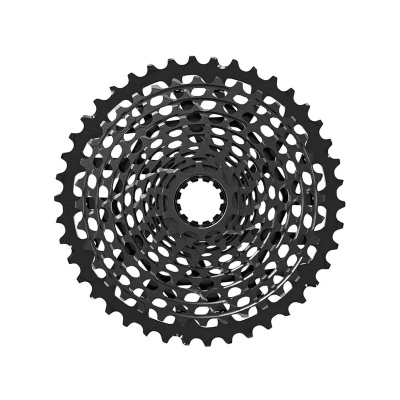
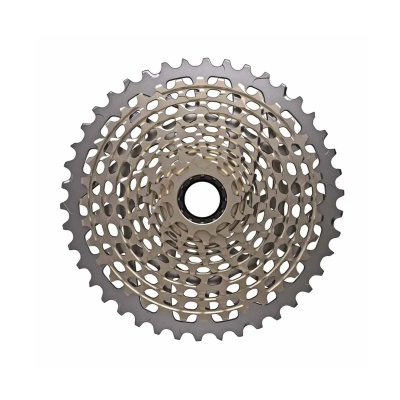
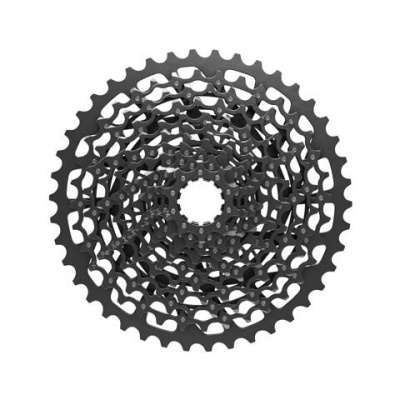
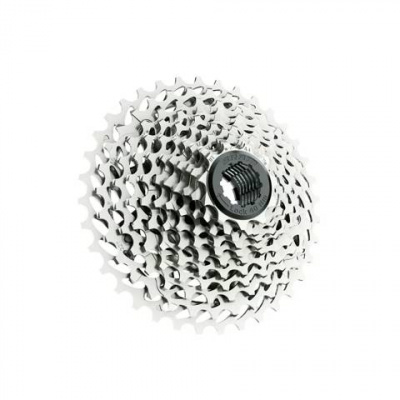
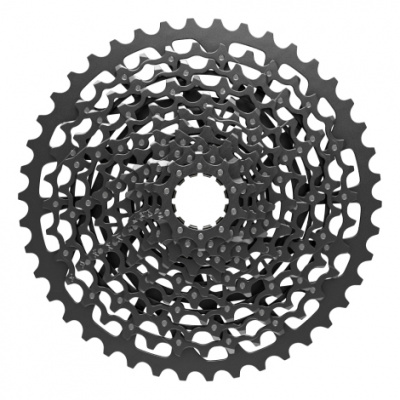
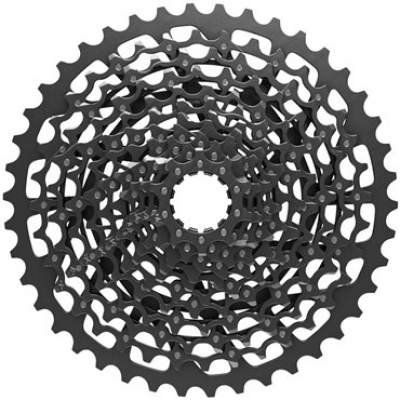
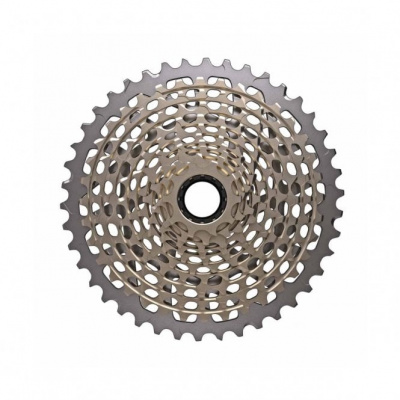
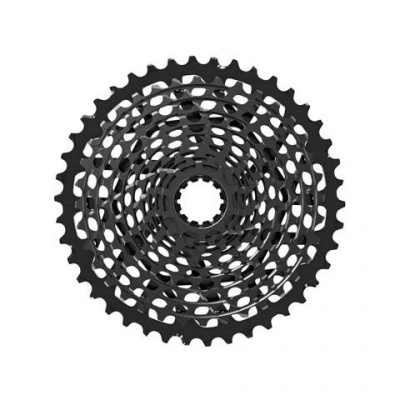
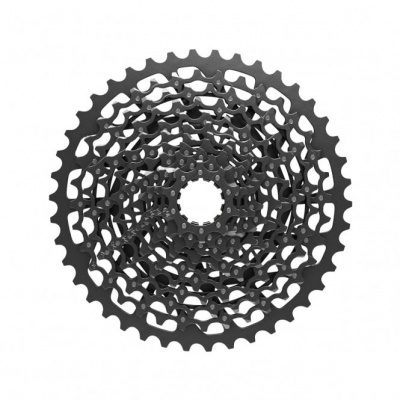
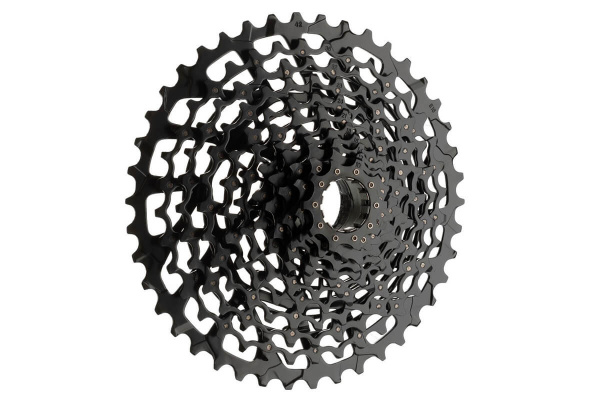
Move up to the XG series and the manufacturing method changes completely. X01 and XX1 cassettes use X-Dome technology - the entire cassette body is machined from a single CNC machined block of billet steel. That process removes all the material between cogs that doesn't need to be there, which does two things: it cuts weight aggressively compared to stamped construction, and it opens up the structure so mud has somewhere to go rather than packing in and causing chain skip. The GX-level XG-1150 and XX1-level XG-1195 both fall here, with the XX1 cassette sitting at the top of the weight-savings curve.
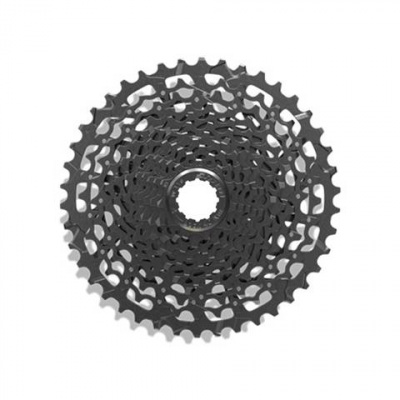
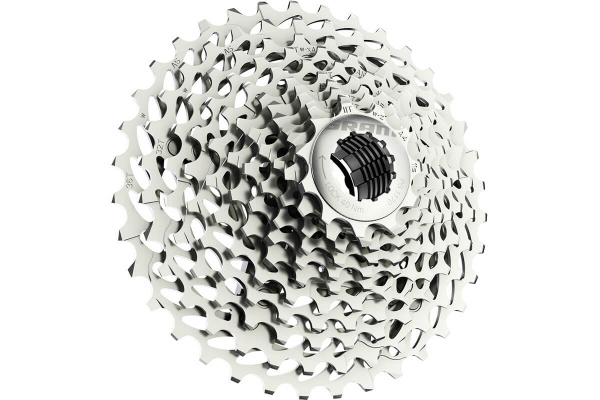
Mini Cluster construction appears across several mid-to-upper XG models as a hybrid approach - smaller cogs are CNC machined as a unit, larger cogs are pinned on separately. It's a weight and mud-clearance gain over full PG construction without quite hitting the cost of a full X-Dome unit. For riders who want a meaningful upgrade from PG without going full XX1 spend, it's a considered middle ground. Pair any of these with a matched SRAM 11-speed chain and the PowerGlide II profiles work as designed - mixing chain brands can blunt the shifting feel noticeably. If you want to compare construction approaches across brands, Sunrace 11-speed cassettes and e*thirteen 11-speed cassettes offer alternative takes on wide-range MTB gearing worth benchmarking against.
Keeping It Shifting Through a British Winter
UK conditions have a particular talent for accelerating drivetrain wear. Abrasive grit from salted roads and Peak District winter lanes turns chain lube into grinding paste within a single ride if you're not on top of cleaning - and once that paste gets into your cassette cogs, wear accelerates fast on stamped steel in particular.
Higher-end SRAM cassettes carry a Jet Finish - a black corrosion-resistant coating that handles damp and salt better than bare steel. It's not armour, but it meaningfully slows the surface corrosion that starts to roughen cog flanks and affects chain engagement. On open-architecture cassettes using X-Dome construction, thick Somerset Levels or Scottish Borders mud pushes clear of the cog gaps rather than compressing between sprockets and triggering chain skip mid-climb. That open design earns its keep in British conditions specifically.
The single most effective thing you can do to protect an expensive cassette is replace your chain before it stretches past 0.5% wear. A worn chain accelerates cog wear at a rate that makes the cost of regular chains look trivial against the cost of replacing a premium XG cassette. Check chain wear every 200 - 300 miles in winter, every 400 - 500 in summer. A basic chain wear indicator is a small outlay that saves real money. For the tools and spare components that make servicing straightforward, our SRAM tools and SRAM 11-speed rear derailleurs pages cover what you'll need to keep the whole drivetrain running cleanly. Don't neglect your chainrings either - cassette and chainring wear together, and replacing one without the other often means the new part wears faster to match the old one.
SRAM 11 Speed Cassettes FAQs
Can I use a SRAM 11-speed cassette with a Shimano derailleur?
Yes. SRAM and Shimano 11-speed cassettes use the same cog spacing, so they're cross-compatible at the shifting level. The key check is derailleur cage length - make sure your mech has enough capacity for the cassette's largest cog, and you'll get clean, accurate indexing.
Do I need an XD driver for a SRAM 11-speed cassette?
Depends on the cassette. XG-series cassettes (XG-1150, XG-1195) start at a 10-tooth small cog and require a SRAM XD driver body - they won't fit a standard HG freehub. PG-series cassettes use an 11-tooth small cog and fit standard Shimano/SRAM HG splined freehubs without any hub modification.
What is the difference between SRAM PG and XG cassettes?
PG cassettes are built from stamped steel cogs pinned together - durable, affordable, and compatible with standard HG freehubs. XG cassettes are CNC machined using X-Dome or Mini Cluster technology, saving significant weight, clearing mud more effectively, and accommodating a 10-tooth small cog via an XD driver body.