
SRAM 11 Speed Rear Derailleurs
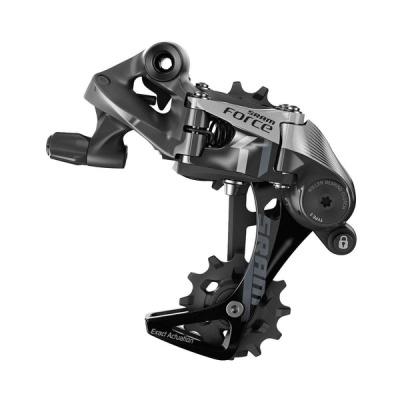
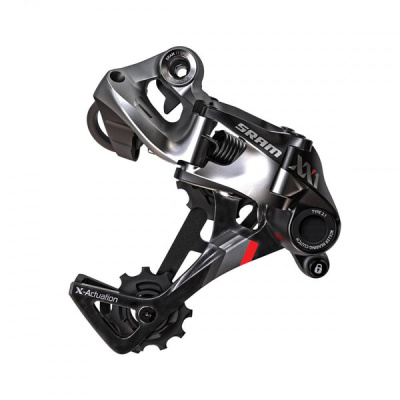
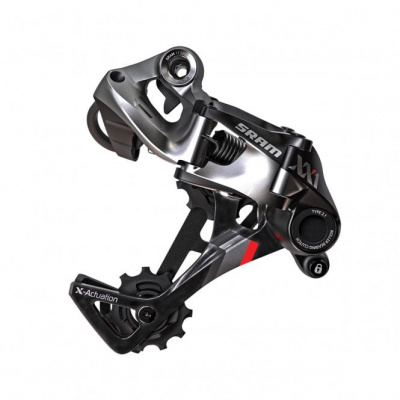
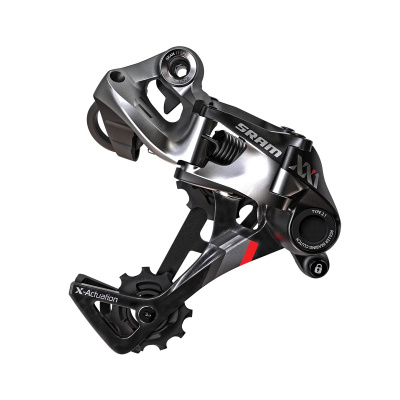
SRAM 11 speed rear derailleurs cover a wider spread of riding than most people realise - from sub-1kg road race mechs with ceramic jockey wheels through to clutch-equipped gravel units that shrug chain slap on Welsh bridleways. Getting the right one back on your bike restores that crisp, positive shift feel SRAM's 11-speed ecosystem is known for. Before you buy a replacement, though, the pull ratio question matters more than the price tag. Road and CX groups like Rival and Force run Exact Actuation, while MTB groups like GX and NX use X-Actuation - and those two are not interchangeable with each other's shifters. Get that wrong and you'll be back at the workbench inside a week.
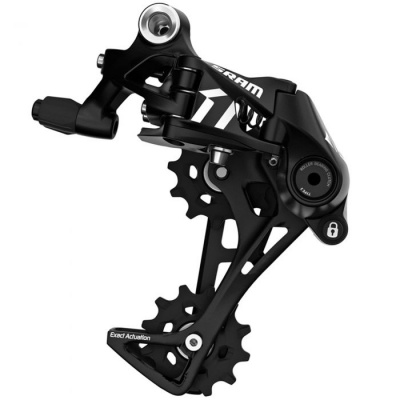
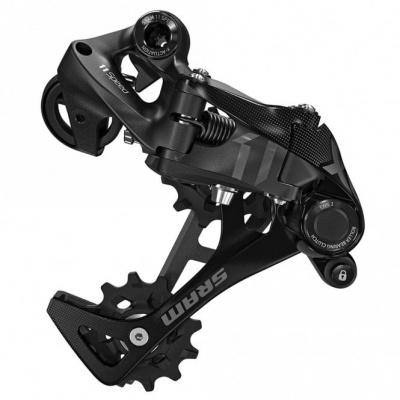
Beyond pull ratio, the Roller Bearing Clutch is the feature worth prioritising if you're on gravel or a hardtail. It keeps the chain tight against the chainring over rough ground, which matters when you're picking a line through rooty Peak District tracks or rattling across cattle grids. Cage Lock is a smaller win but a genuine one - push the cage forward, press the button, and the wheel drops out without the usual chain-wrestling. Browse the comparison below to find your exact mech, and check cage length against your cassette's largest sprocket before you check out.
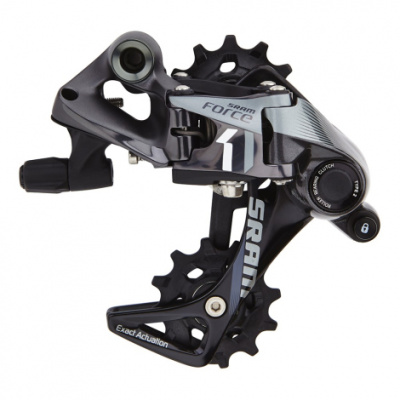
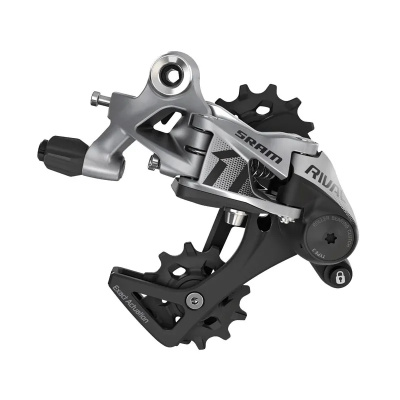
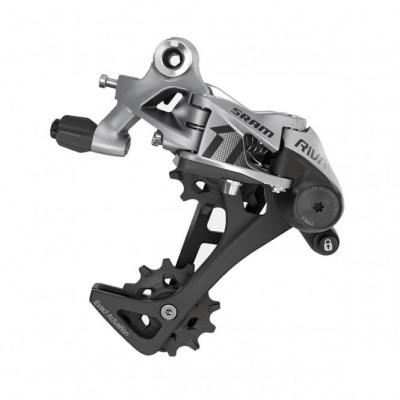
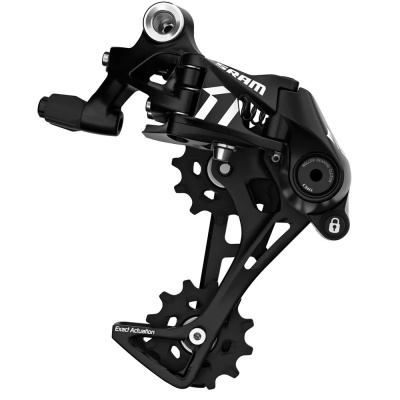
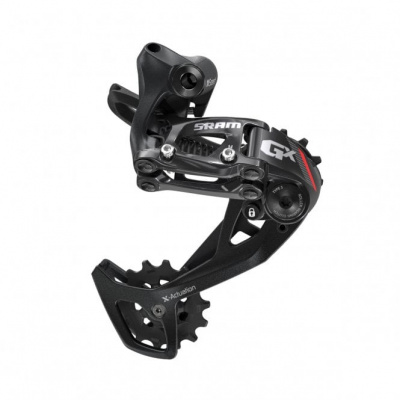
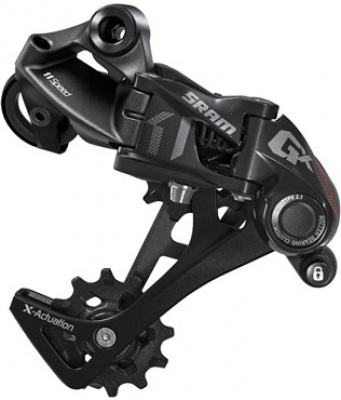
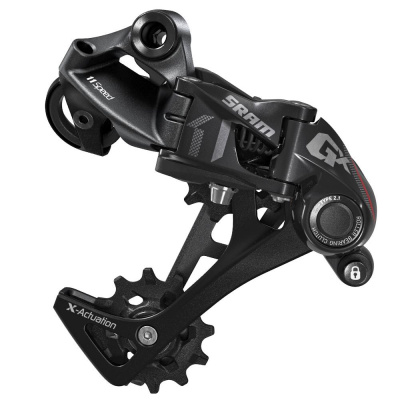
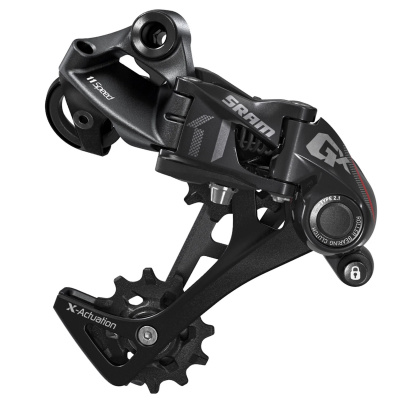
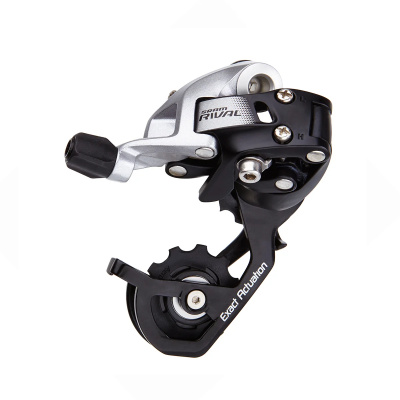
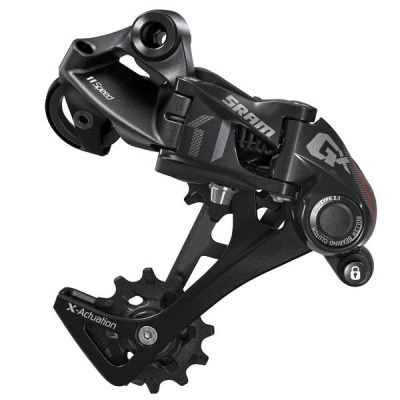
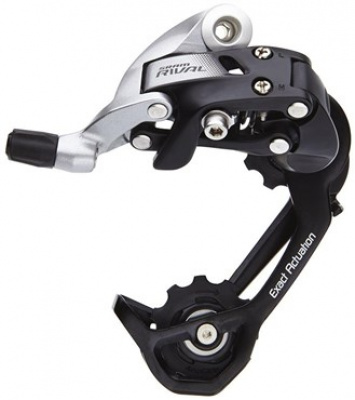
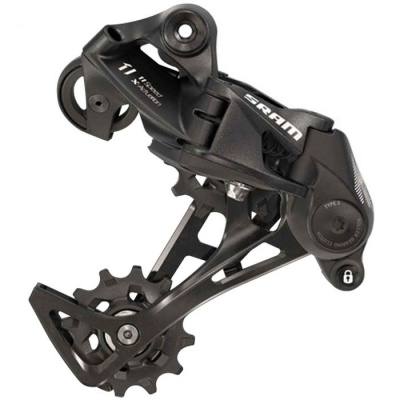
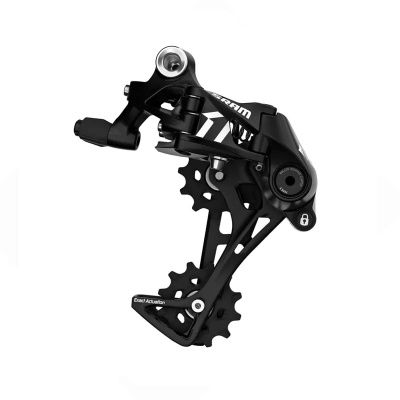
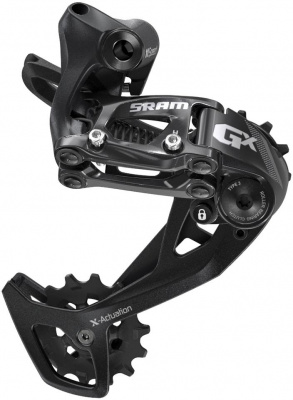
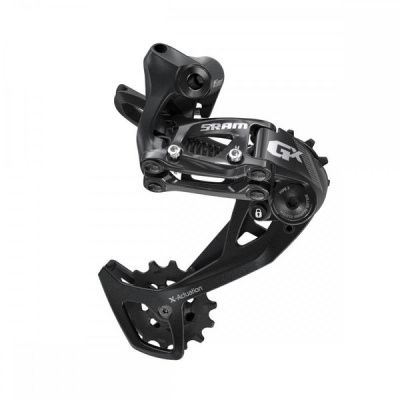
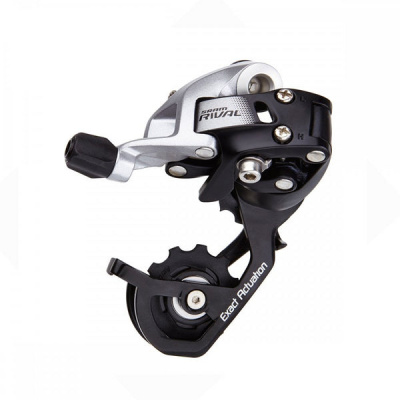
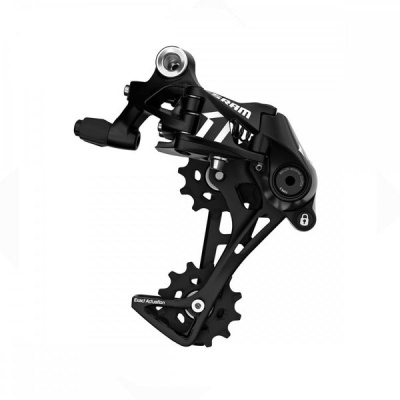
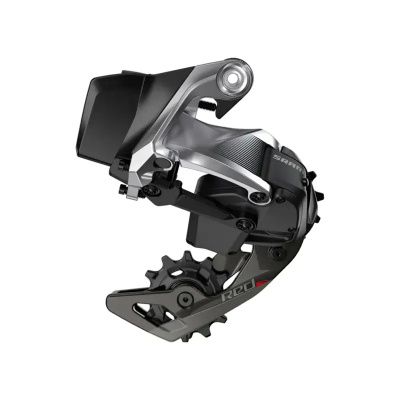
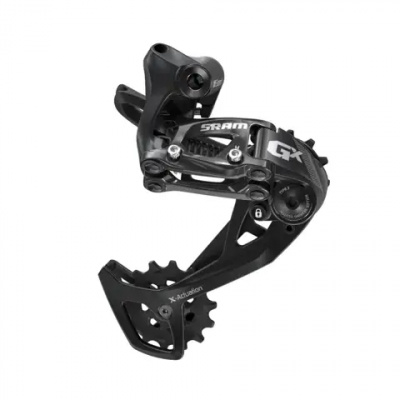
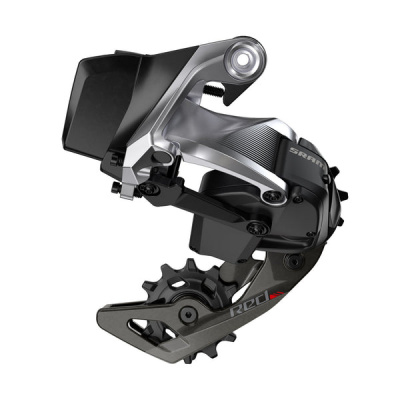
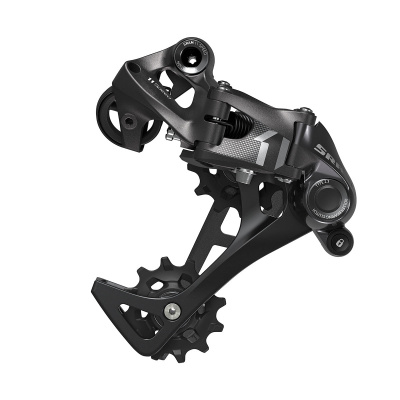
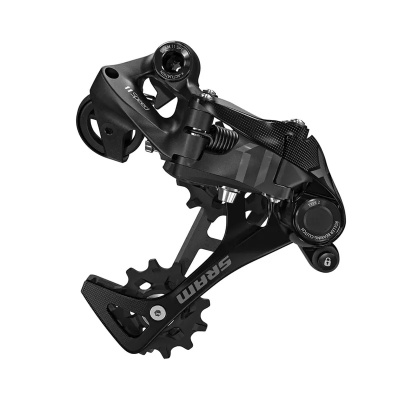
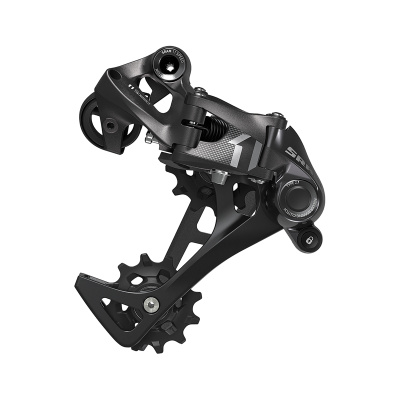
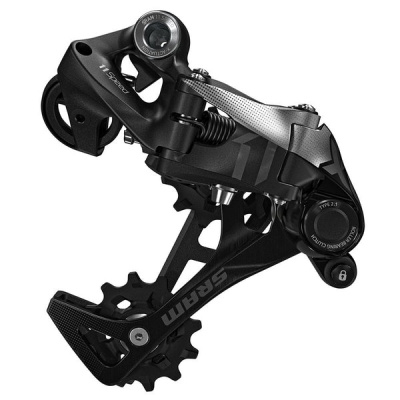
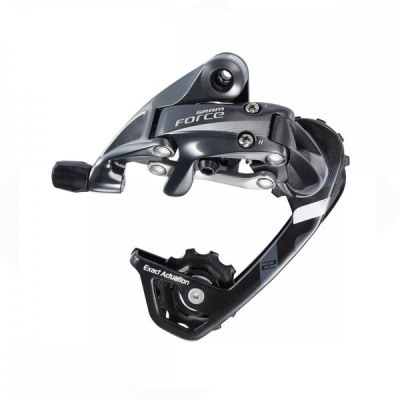
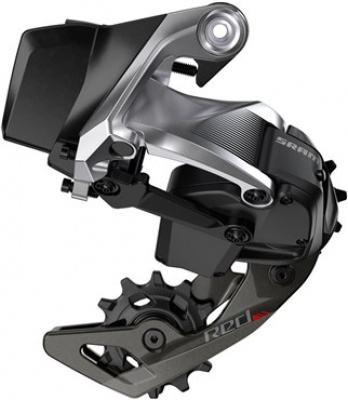
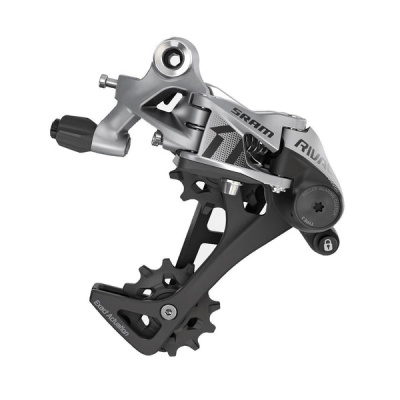
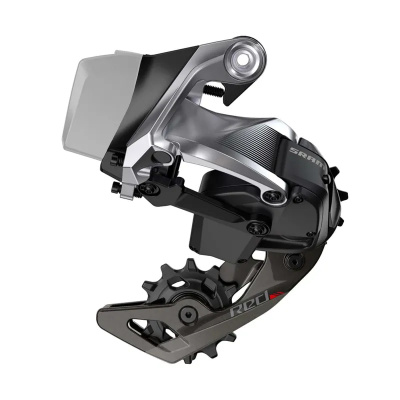
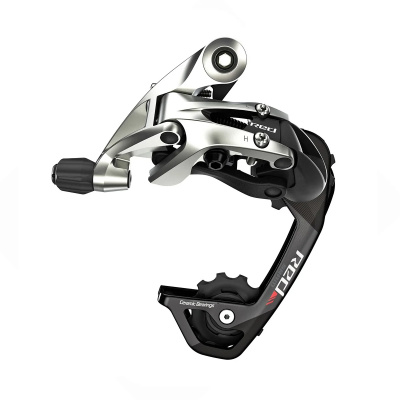
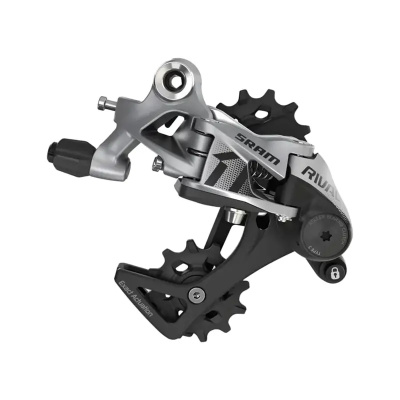
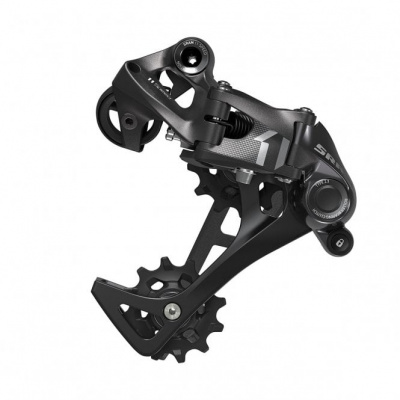
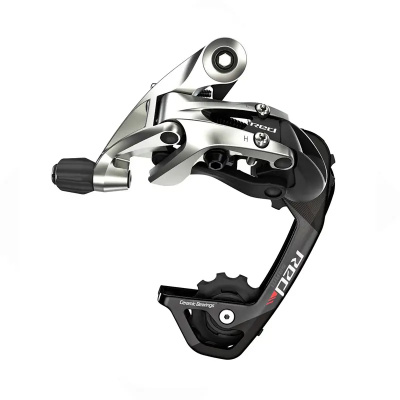
Prices and availability can change quickly. Delivery charges are not always included in listed prices.
Final price, stock status and delivery terms are set by retailer. We may receive a commission on purchases made.
Getting the Pull Ratio Right Before Anything Else
This is the one compatibility point that catches riders out most often. SRAM's 11-speed road and CX groups - Rival, Force, Red - use Exact Actuation, a 1:1 cable pull ratio tuned to road-specific shifter mechanics. The 11-speed MTB groups - NX, GX, X01, XX1 - use X-Actuation, a different pull ratio designed around trigger and grip shifters. Bolt an MTB derailleur onto a road frame with road shifters and the indexing will be off by enough to make every gear change feel like a lottery. The fix isn't a barrel adjuster tweak; it's the correct mech from the start.
Cage length is the second thing to check. Short cages handle cassettes up to 28T and suit compact road double or triple setups where chain wrap isn't a concern. Medium cages - often badged WiFLi on SRAM's road and gravel line - push capacity up to 36T, which is where most gravel riders with a 1x setup land. Long cages, found on 1x-specific MTB mechs, clear up to 42T or 46T cassettes. Running a cage that's too short for your cassette means the derailleur runs out of chain wrap and starts dropping under load on the big sprockets - not what you want grinding up a Dartmoor descent lane in the wet. If you're refreshing the whole drivetrain at the same time, pairing the new mech with fresh SRAM 11 speed cassettes and SRAM 11 speed chains means everything wears in together and you won't be diagnosing ghost shifts six months later.
Where Each Mech Sits in the Range
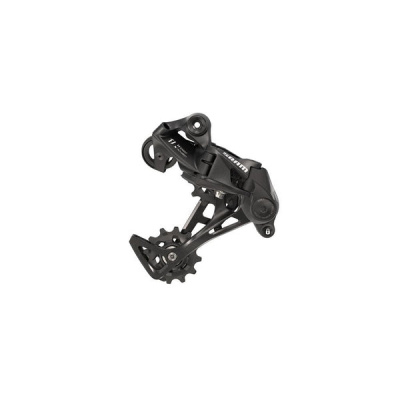
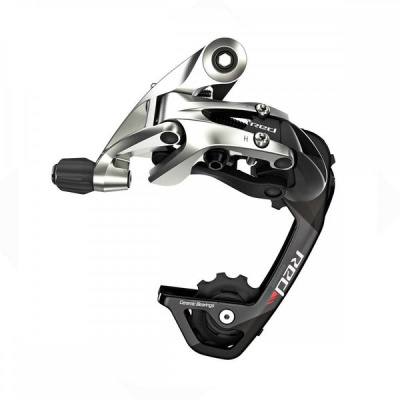
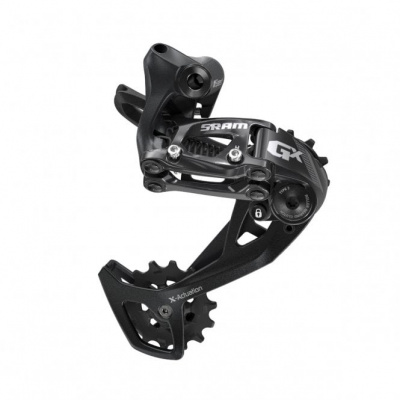
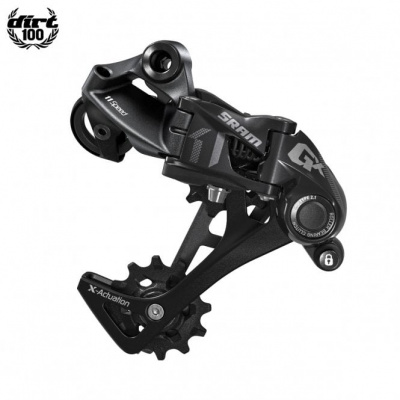
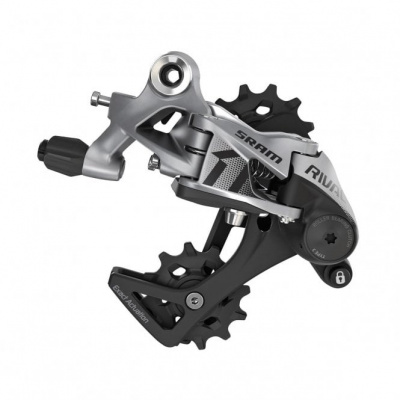
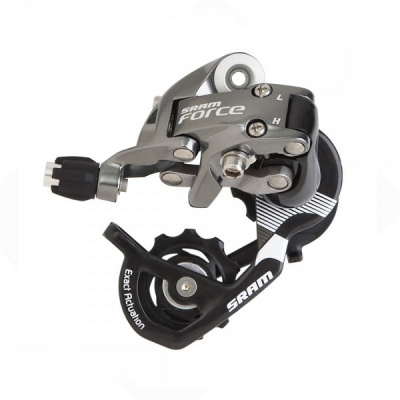
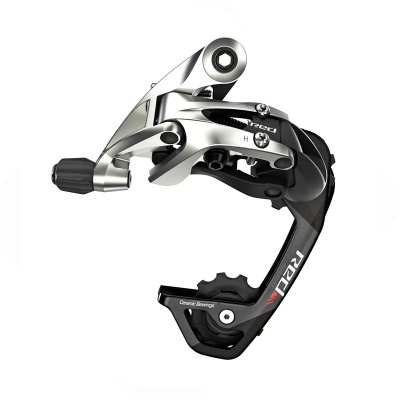
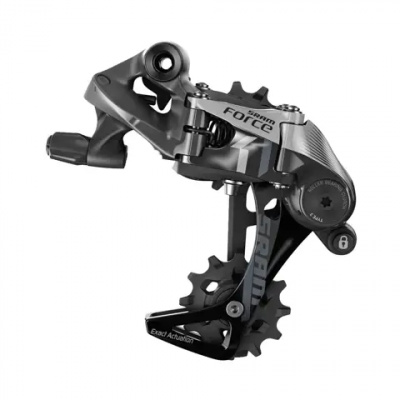
SRAM's hierarchy splits cleanly between road/gravel and MTB, and what the extra money actually buys you changes as you climb the ladder. On the road and gravel side, Apex 1 is the entry point for 1x setups - steel cage, workmanlike finish, does the job without fuss. Rival is the workhorse of the range: alloy construction, solid clutch, genuinely good shifting for the money, and the mech most riders on a budget should look at first for a SRAM 11v rear mech replacement. Force brings a carbon cage into the picture, shaving weight and adding a touch more stiffness for crisper shifts under load - you'll feel the difference most when sprinting out of corners. Red sits at the top: ceramic bearing jockey wheels, tighter manufacturing tolerances, and a weight saving that matters most if you're counting grams on a race build.
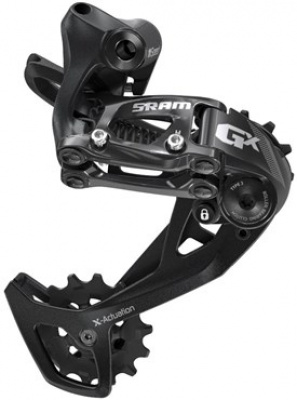
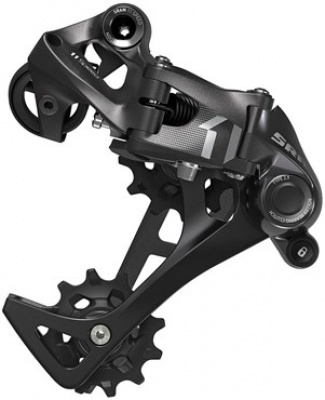
On the MTB side, NX is the accessible option - steel cage, no frills, but it indexes reliably and represents solid value if you're keeping a budget hardtail turning. GX is the one most riders point to as the best SRAM GX 11 speed mech long cage option for value: alloy cage, better sealed bearings than NX, and a clutch mechanism that holds up well to repeated use. The jump to X01 and XX1 gets you carbon cages, tighter tolerances, and jockey wheels with sealed cartridge bearings that genuinely resist grit better - meaningful on year-round riding, less so if the bike only comes out in summer. If you're also comparing platforms, Shimano 11 speed rear derailleurs and Campagnolo 11 speed rear derailleurs both offer strong alternatives, though neither mixes with SRAM shifters due to the different pull ratios. For a full groupset refresh rather than a single mech swap, it's worth browsing the SRAM groupsets page to see whether a complete upgrade stacks up financially.
Keeping a SRAM Mech Working Through a UK Winter
The lower jockey wheel goes first. That's not a prediction - it's just what happens when you ride through the kind of road grit and slurry that coats British lanes from October to March. The lower wheel sits closest to the cassette spray and takes the bulk of the contamination. On budget mechs with plain bushings, you'll feel the play developing within a season. Sealed cartridge bearing jockey wheels - standard on Force, X01, and XX1, optional upgrades on lower tiers - resist this significantly better. If you're running NX or Rival through winter, a set of aftermarket sealed jockey wheels is cheap insurance.
The Roller Bearing Clutch itself needs attention too. SRAM's Type 2.1 and Type 3 clutch mechanisms - found on most current 11-speed MTB and gravel mechs - are non-adjustable. If the clutch tension degrades to the point where the chain is bouncing again, the mechanism needs replacing rather than tweaking. The earlier Type 2 clutch had a user-adjustable friction pad; if you're on an older mech, that's the one where a pad swap might save you. Either way, pack the clutch chamber with appropriate grease during winter servicing - thick mud works into the parallelogram and accelerates wear on the pivot surfaces.
The b-tension pivot is easy to overlook during cleaning but worth attention every few rides in winter. Salt and grit pack into that pivot point and cause it to seize, which means the derailleur body stops rotating freely and your chain-to-cassette gap drifts. A seized b-tension screw is also a pain to free once it's properly corroded in. A quick rinse, a drop of penetrating oil, and manual rotation of the pivot takes thirty seconds. Don't skip it. If you're also running a front mech, the same logic applies - SRAM 11 speed front derailleurs share the same vulnerability at their mounting pivots in wet conditions.
SRAM 11 Speed Rear Derailleurs FAQs
Are all SRAM 11-speed rear derailleurs compatible with each other?
No - and this is the one to get right before buying. Road and CX groups (Rival, Force, Red) use Exact Actuation, a 1:1 pull ratio. MTB groups (NX, GX, X01, XX1) use X-Actuation, a different ratio entirely. You can't mix road shifters with MTB derailleurs and expect correct indexing. Some aftermarket pull-ratio adapters exist, but they're a workaround rather than a clean solution.
What is the maximum cassette size for a SRAM 11-speed derailleur?
Cage length dictates this. Short cage handles up to 28T, medium cage (WiFLi) manages up to 36T, and long cage 1x-specific mechs clear up to 42T or 46T depending on the model. Check your cassette's largest sprocket against the derailleur's stated max tooth capacity - running beyond it causes poor shifting and risks damaging the cage under load.
How do I use the SRAM Cage Lock feature for wheel removal?
Push the derailleur cage forward to slacken the chain, then press the Cage Lock button - it's stamped with a padlock icon. The cage locks in the extended position, giving you enough slack to lift the chain clear of the cassette and drop the wheel out without any fiddling. Press the button again once the wheel is back in to release the lock and return the cage to normal tension.