
Shimano 11 Speed Rear Derailleurs
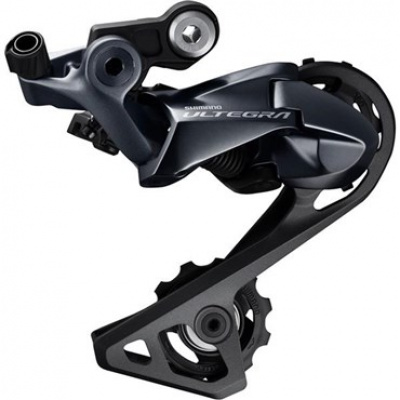
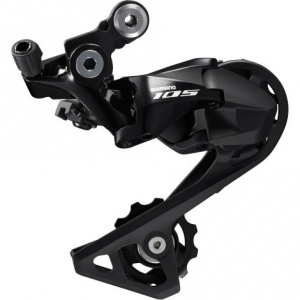
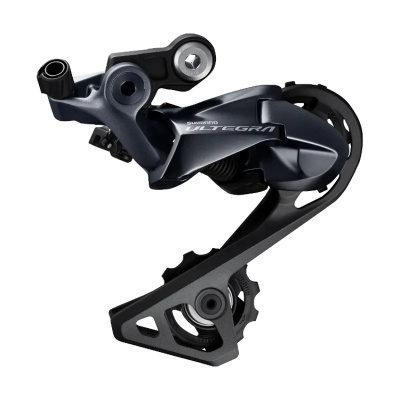
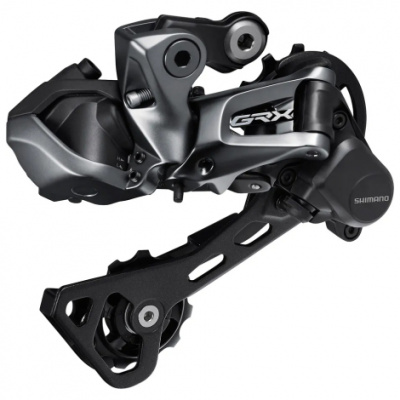
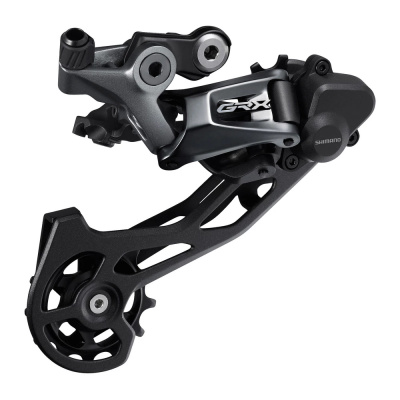
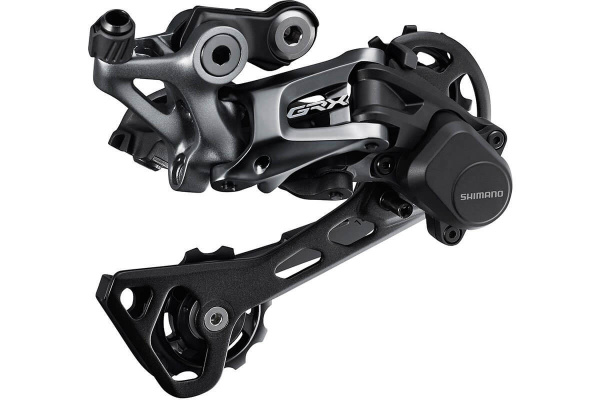
A Shimano 11 speed rear derailleur sits at the centre of one of cycling's most mature, reliable drivetrain ecosystems - and whether you're replacing a mud-caked mech after a winter on the South Downs or speccing a fresh gravel build, there's a tier here that fits. Road riders get the 105, Ultegra, and Dura-Ace ladder. MTB riders have Deore through to XTR. Gravel sits neatly in the GRX family. Each line shares core Shimano engineering but differs meaningfully in weight, weather sealing, and cage construction.
Compatibility matters more here than almost anywhere else in a drivetrain build. Shimano's 11-speed MTB and road mechs use different cable pull ratios - mix them carelessly and your shifting will be a mess. Cage length selection (SS, GS, or SGS) depends on your cassette range and whether you're running one or two chainrings up front. Get those two things right first, then look at tier.
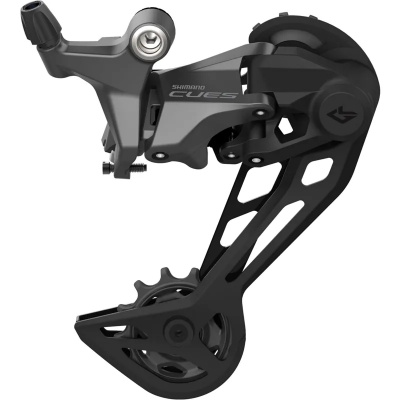
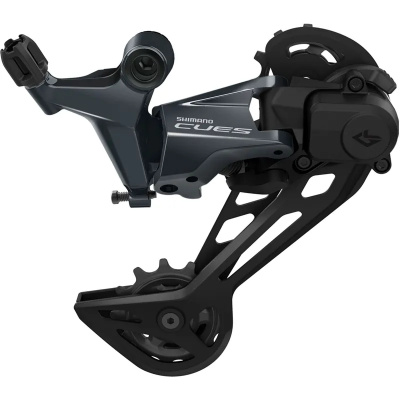
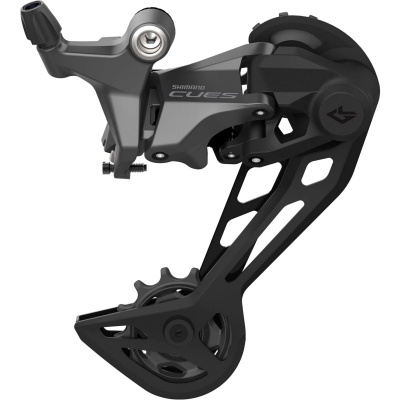
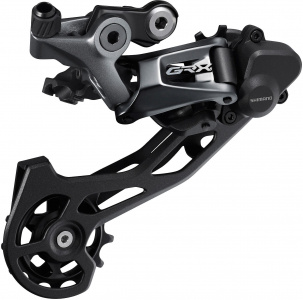
The Shadow RD+ clutch - fitted to MTB and GRX mechs - kills chain slap on rough ground and all but eliminates dropped chains on technical sections. It's a genuine functional difference, not a badge. Use our filters to match cage length, pull ratio, and direct mount compatibility, then compare UK prices across the full Shimano 11-speed range below.
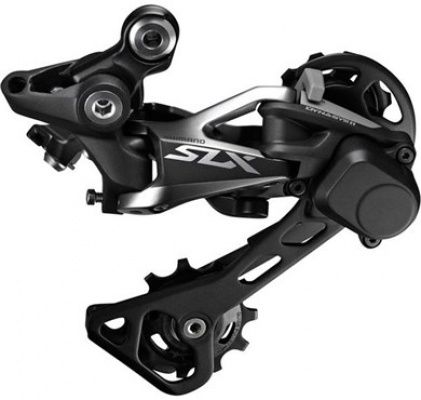
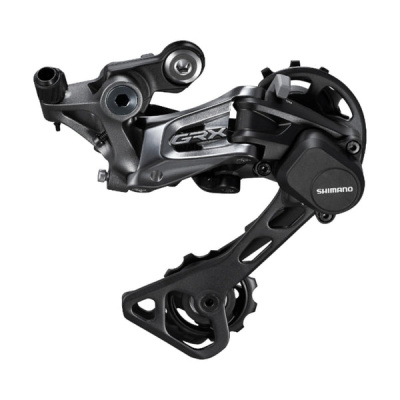
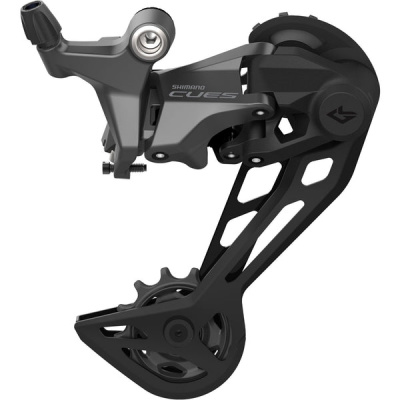
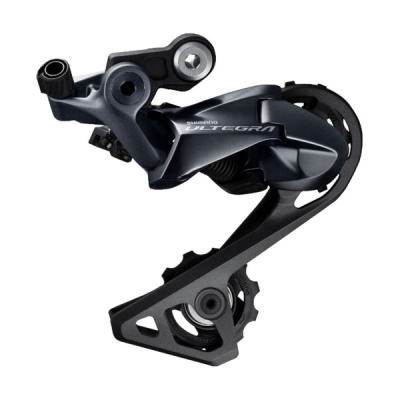
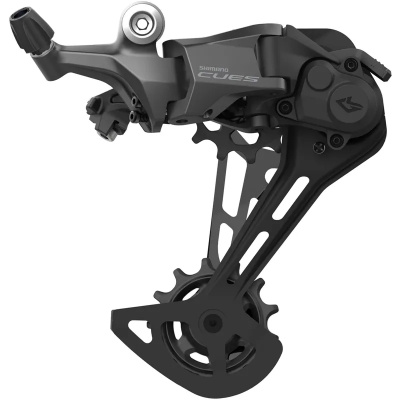
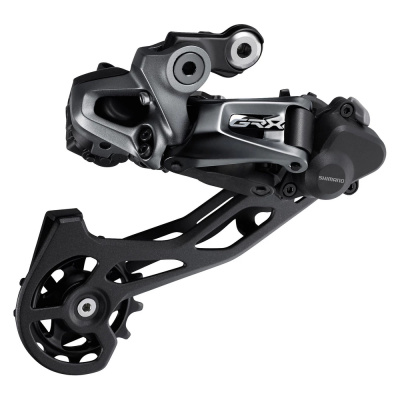
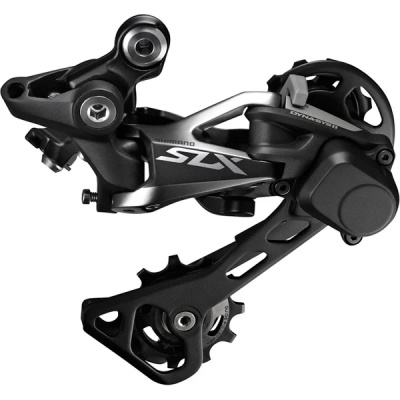
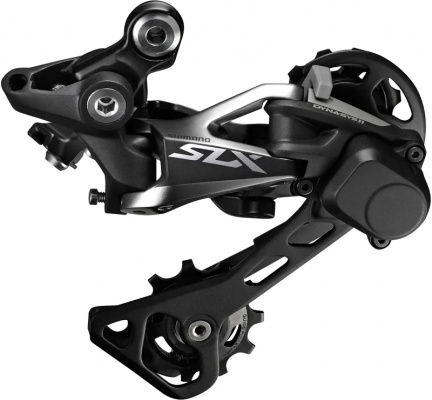
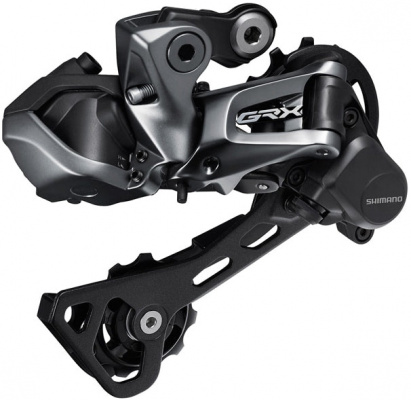
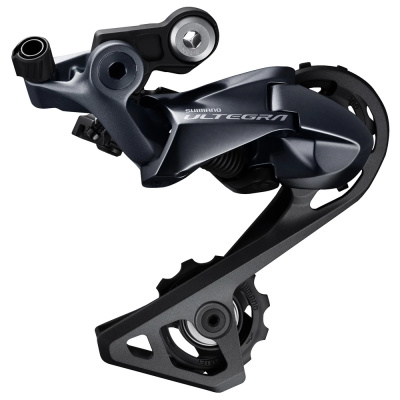
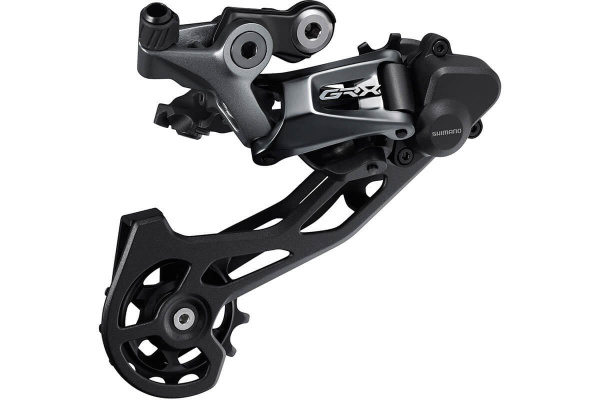
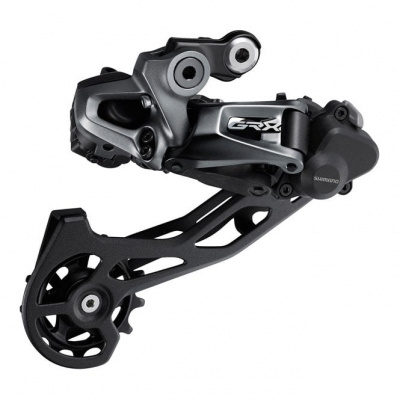
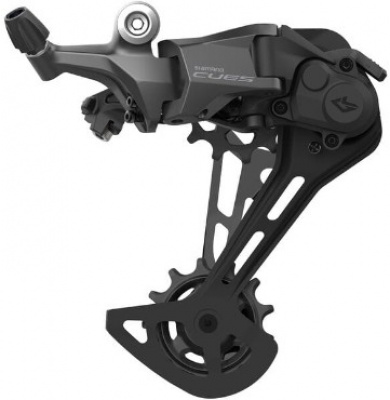
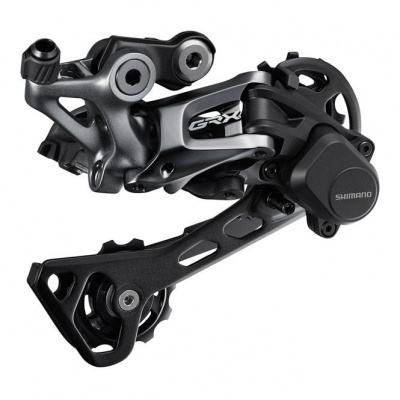
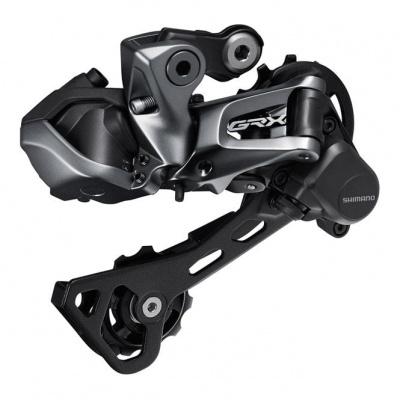
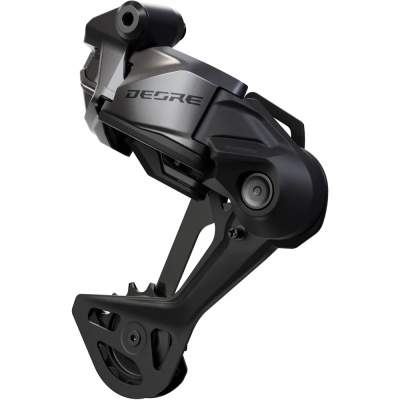
Prices and availability can change quickly. Delivery charges are not always included in listed prices.
Final price, stock status and delivery terms are set by retailer. We may receive a commission on purchases made.
Cable Pull Ratios, Cage Lengths, and Getting Compatibility Right
The single most important thing to understand about Shimano 11 speed derailleur MTB vs road compatibility is that the two systems are not interchangeable. Shimano's MTB mechs use Dyna-Sys11, a cable pull ratio calibrated for the longer lever throws of MTB shifters. Road and GRX shifters pull a different amount of cable per click. Put an XT mech behind a 105 STI lever and the indexing will be out - not slightly out, properly wrong. The fix, if you're determined to mix systems, is a third-party pull ratio adapter like a Wolf Tooth Tanpan, but it's an extra complication most riders don't need.
Cage length is the next decision. Shimano uses SS (short), GS (medium), and SGS (long) - though not every tier offers all three. Short cages suit tight cassette ranges and single-chainring road setups with limited chain slack to manage. GS is the middle ground: fine for 11-32T cassettes and many 1x gravel builds, with better ground clearance than a long cage on technical ground. SGS is what you need for wide-range MTB cassettes like 11-46T, or any 2x drivetrain where you need enough total capacity to absorb the chain slack difference between your biggest and smallest sprockets combined front and rear. To calculate total capacity, add the difference in chainring sizes to the difference in cassette cog sizes - your chosen mech's stated capacity needs to equal or exceed that number. Get it wrong and you'll either drop the chain on the small-small combination or bottom out the cage on the large-large.
Direct mount compatibility is worth checking too. Direct mount mechs attach to a dedicated hanger on the frame rather than via a conventional bolt-and-hanger arrangement, giving a stiffer interface that tightens up shifting accuracy - particularly useful on full-suspension bikes where flex in a standard hanger can introduce inconsistency. Not all frames support it, so check yours before speccing up.
If you're comparing Shimano against other groupset makers, SRAM 11-speed rear derailleurs use their own pull ratios and are equally incompatible with Shimano shifters, while Campagnolo 11-speed rear derailleurs are a separate system entirely - closed ecosystem, full stop.
How the Product Tiers Stack Up
The best Shimano 11v rear mech for you depends on what you're actually getting for the price jump between tiers - and it's worth being honest about where the gains are real versus marginal.
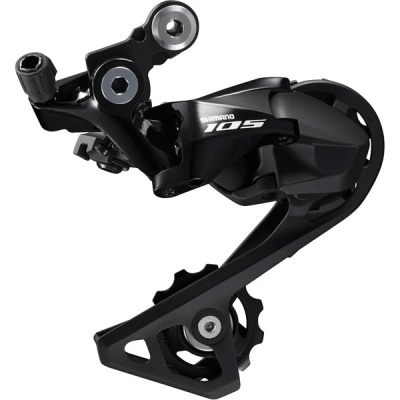
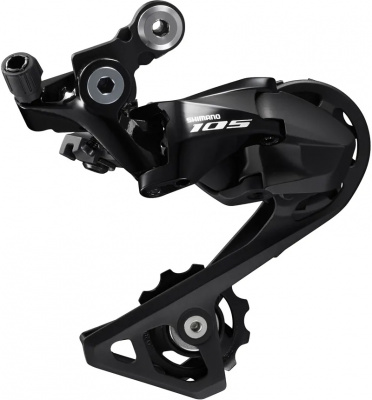
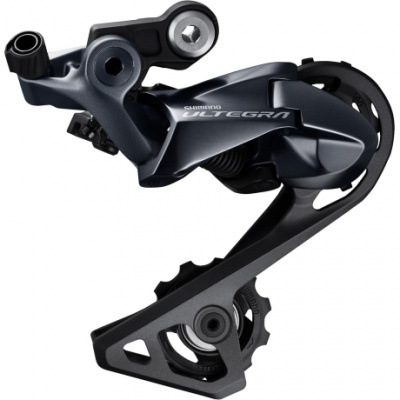
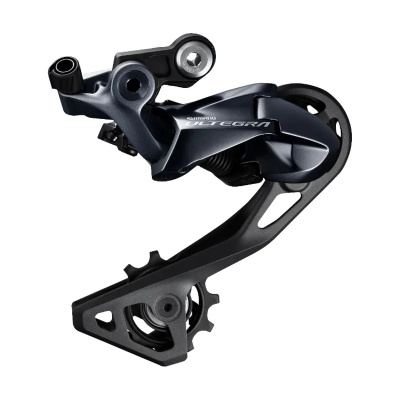
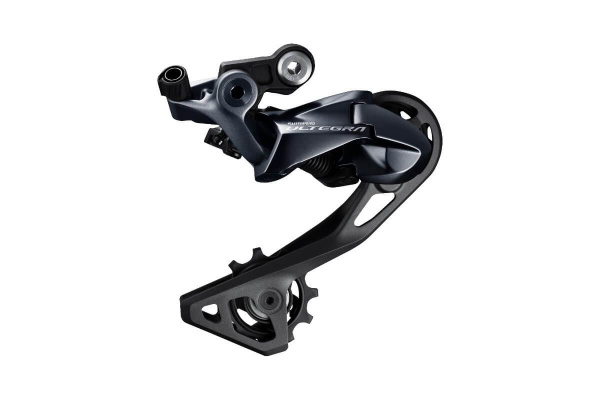
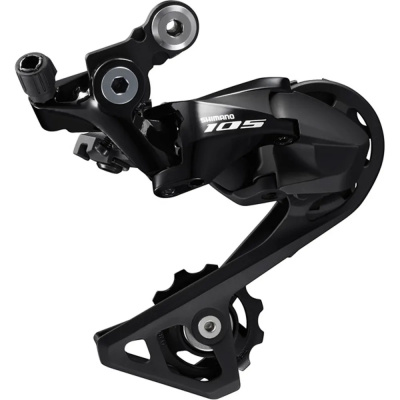
On the road side, 105 is the workhorse. Aluminium construction, solid shifting, and enough durability to survive years of British winter commuting if you keep it clean. The cage is stiffer than it looks and the parallelogram geometry is proven. Step up to Ultegra and you're buying lighter materials, a more refined feel through the lever, and marginally better weather sealing. The shifting quality difference is real but modest on a smooth road - on a cold, wet February ride in the Peak District, a clean 105 mech will shift just as crisply as a dirty Ultegra one. Dura-Ace brings titanium hardware, a meaningfully stiffer cage, and weight savings that matter to racers but are largely academic for most sportive riders.
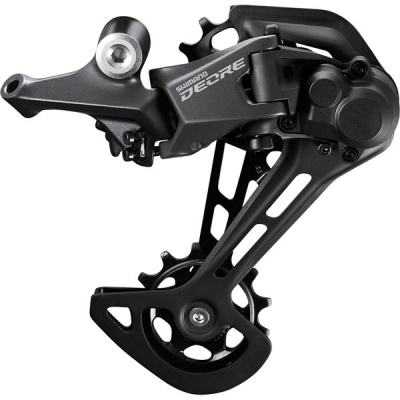
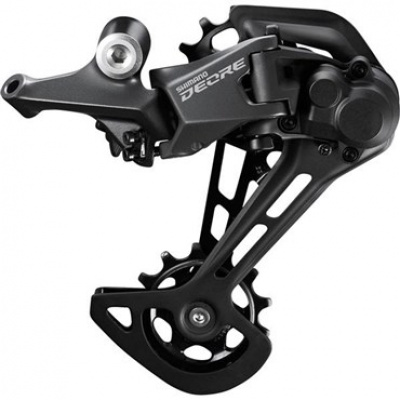
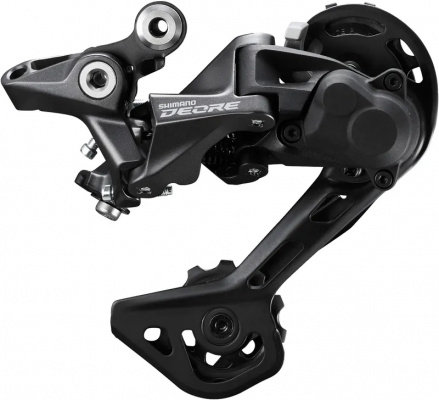
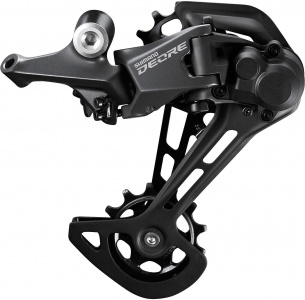
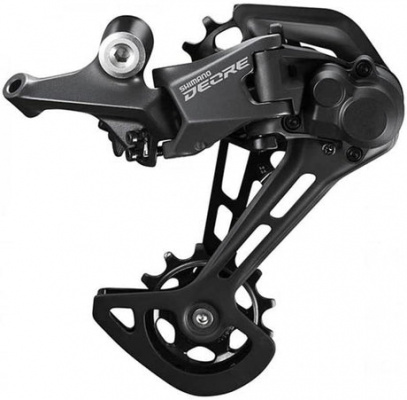
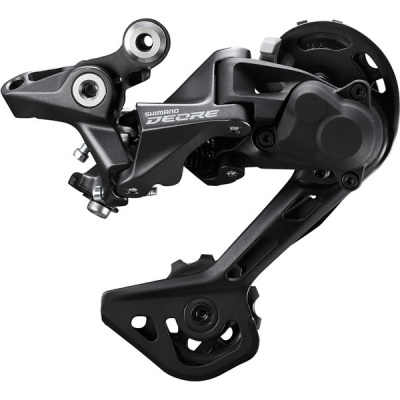
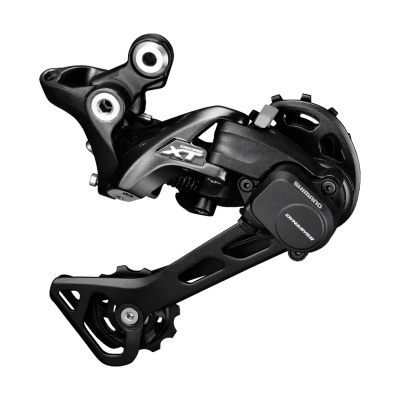
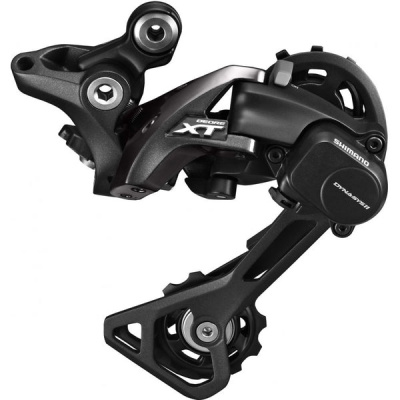
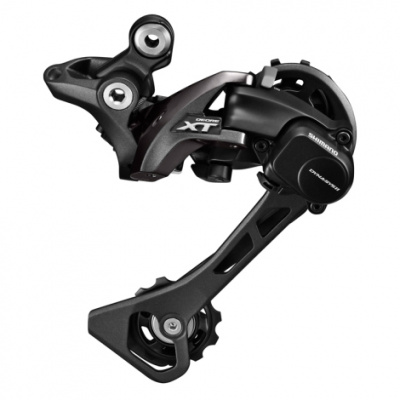
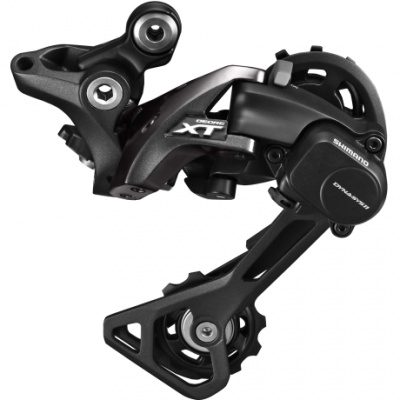
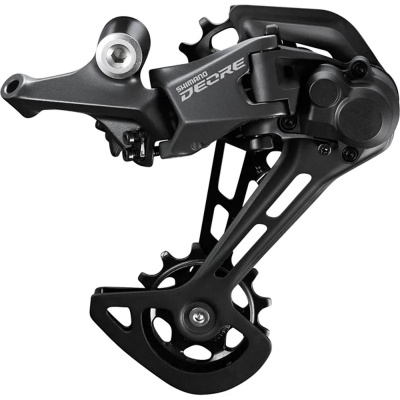
On the MTB side, Deore uses heavier steel construction in the cage, which takes a knock better than you'd expect but adds weight. SLX refines the materials without a dramatic price jump and is the point where Shadow RD+ becomes standard. XT is where sealed bearing jockey wheels appear - and in UK conditions, that matters. Unsealed bushings in gritty winter mud become notchy and slow within a season; the sealed bearings in XT and above resist ingress meaningfully longer. XTR is for weight-obsessed builds: carbon cage inserts, tighter tolerances, and a price that's hard to justify unless every gram genuinely counts.
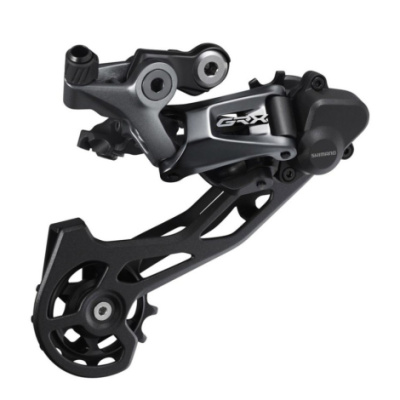
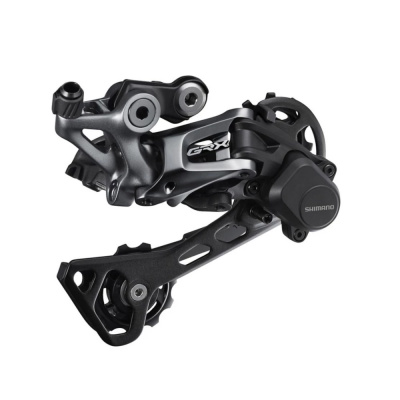
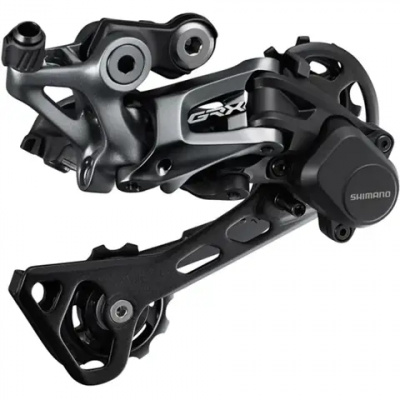
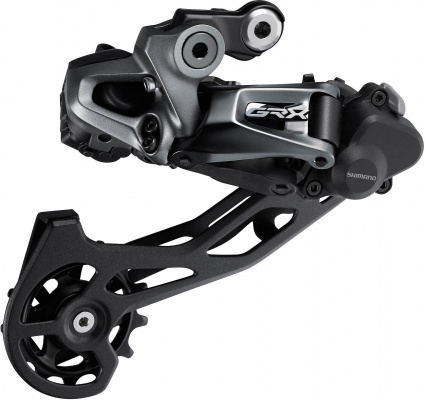
The Shimano GRX 11 speed rear derailleur range sits separately from both road and MTB lines. GRX 400 is the entry point - mechanical shifting, solid construction, Shadow RD+ clutch on the rear mech. GRX 600 refines the materials and shifts more crisply under load. GRX 810 is where the cage gets noticeably stiffer and the overall weight drops; it's the one to pick if you're building a serious gravel setup that'll see extended Scottish Highlands miles or loaded bikepacking routes. All GRX mechs are tuned to GRX shifters - don't mix in road STIs and expect clean indexing.
Pair any of these mechs with a matching Shimano 11-speed cassette and Shimano 11-speed chain and you're building within a system that's been refined over years of real-world use. If you're also replacing the front mech, our Shimano 11-speed front derailleurs page covers the full range.
Keeping a Shimano Mech Running Through a UK Winter
UK riding chews through derailleurs faster than the marketing materials suggest. Grit from wet lanes coats everything, and the first casualty is usually the jockey wheel bushings on lower-tier mechs - they go notchy fast if they're not sealed. That alone makes XT or Ultegra worth the step up for riders who ride through winter rather than around it.
The Shadow RD+ clutch is a genuine asset on rough ground, but it needs attention. The clutch cam inside the housing relies on specific grease - standard chain lube does nothing useful here. Every six months or so, pull the clutch cover off (two screws, straightforward job), clean out any contaminated grease, and re-pack with the correct Shimano clutch grease. Water and grit work their way into the housing over time, and a seized clutch mechanism is harder to shift against than it sounds; you'll feel it in your lever before the shifting degrades visibly. Stay ahead of it and the mechanism lasts well.
For worn jockey wheels, pulley cages, or hanger-related spares, we'd point you to our dedicated jockey wheels and derailleur spares pages rather than cover every part combination here - the options vary significantly by mech generation and cage type.
One thing worth doing before every muddy ride: flip the clutch lever to the off position before removing the rear wheel. It releases tension from the cage and makes wheel changes far less of a wrestle - especially with the SGS cage on a wide-range MTB setup.
Shimano 11 Speed Rear Derailleurs FAQs
Can I use a Shimano 11-speed MTB derailleur with road shifters?
No. Shimano's 11-speed MTB mechs use the Dyna-Sys11 cable pull ratio, which is calibrated for MTB shifters. Road and GRX shifters pull a different amount of cable per click, so the indexing won't align. If you need to mix the two systems, a third-party pull ratio adapter - such as a Wolf Tooth Tanpan - is the accepted workaround, though it adds complexity.
What is the difference between GS and SGS cage lengths on Shimano derailleurs?
GS (medium cage) handles moderate cassette ranges and 1x setups with less chain slack to manage - and it sits higher off the ground, which helps on technical riding. SGS (long cage) is needed for wide-range cassettes like 11-46T or any 2x drivetrain, where the cage has to absorb significantly more chain slack between gear combinations. Check your drivetrain's total tooth capacity before choosing.
How do I adjust the clutch on a Shimano 11-speed rear derailleur?
Remove the clutch cover using a 2mm hex key to access the internals. Use a 5.5mm spanner on the friction adjustment bolt: clockwise increases clutch tension for stronger chain retention, anticlockwise reduces it if lever effort feels too heavy. If the mechanism feels stiff or gritty rather than smooth, the clutch cam likely needs cleaning and re-greasing with Shimano-specific clutch grease before adjusting.