
Shimano 11 Speed Chains
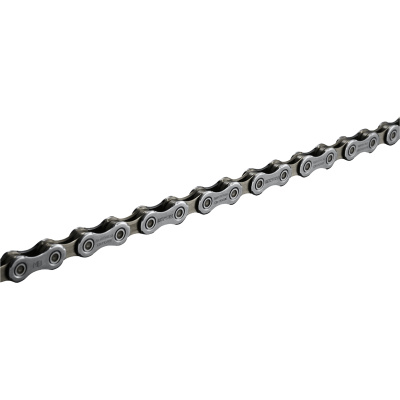
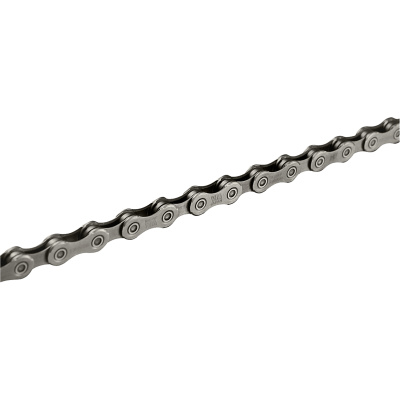
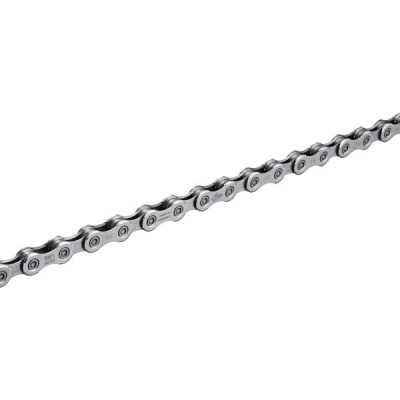
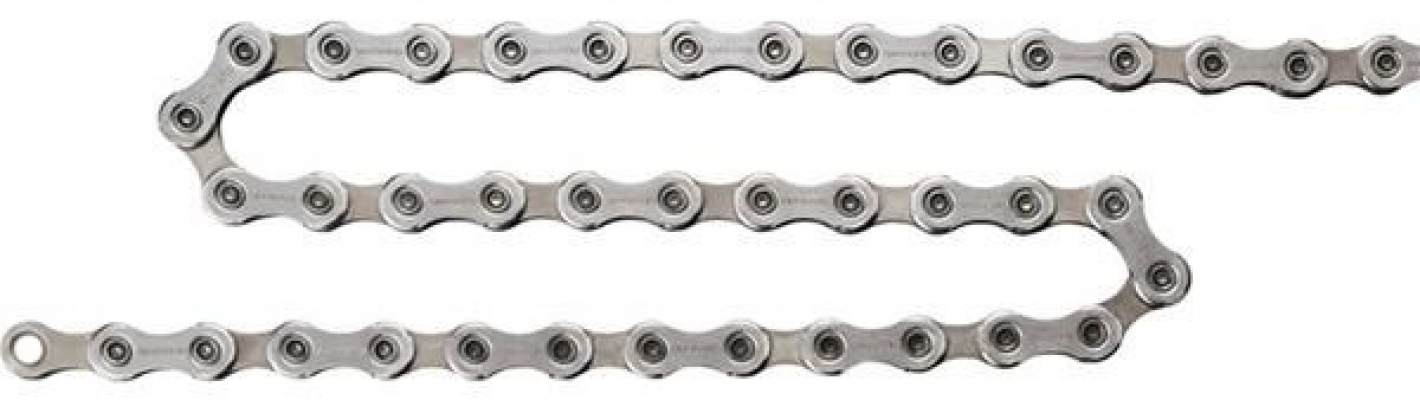
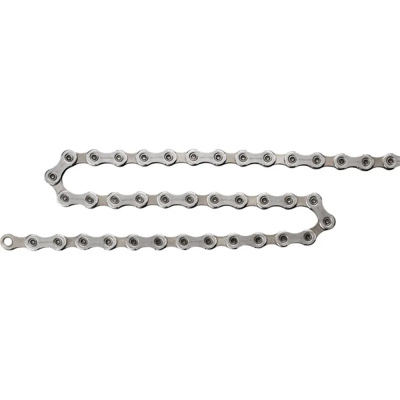
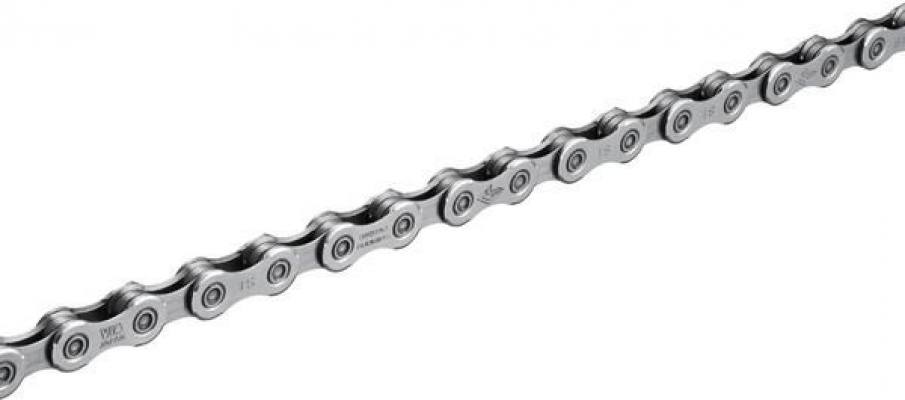
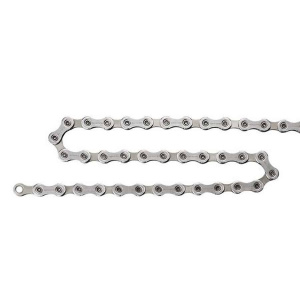
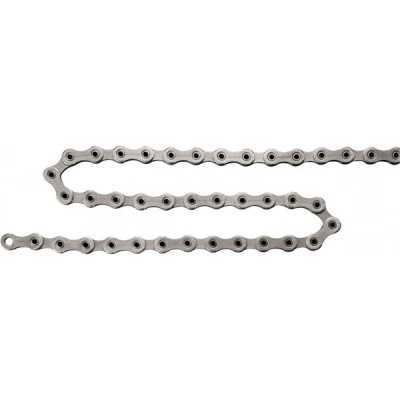
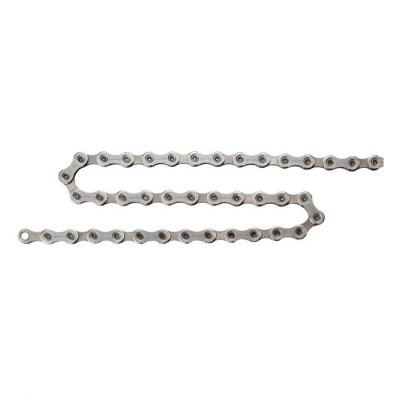
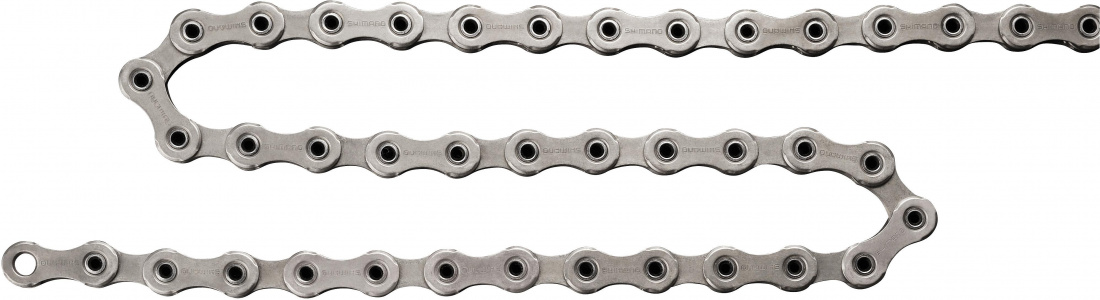
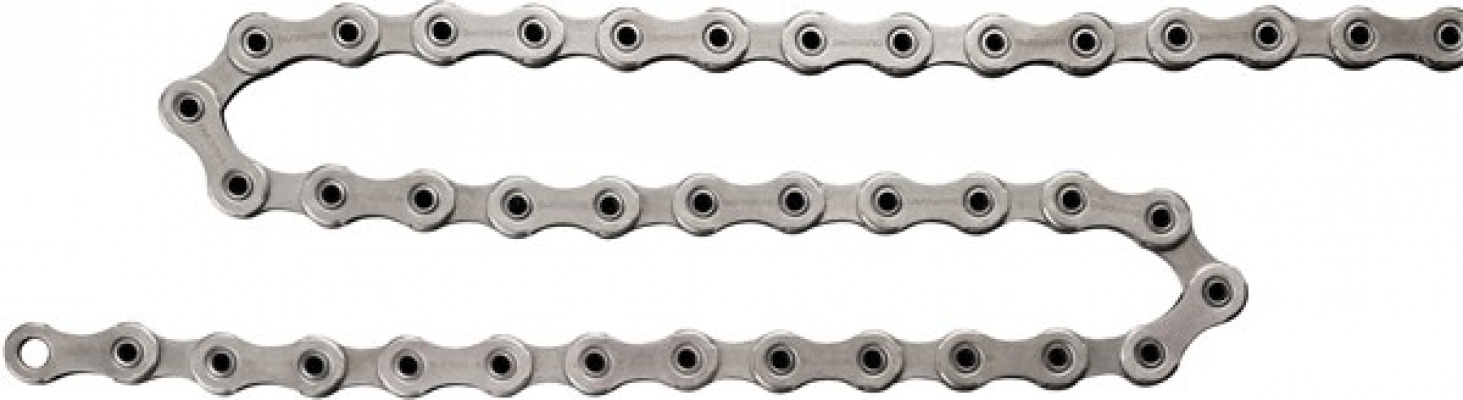
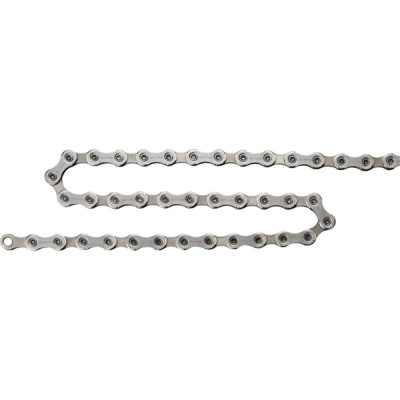
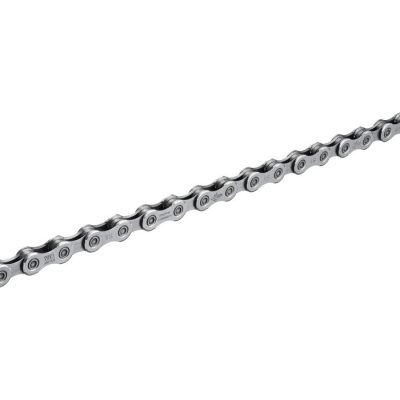
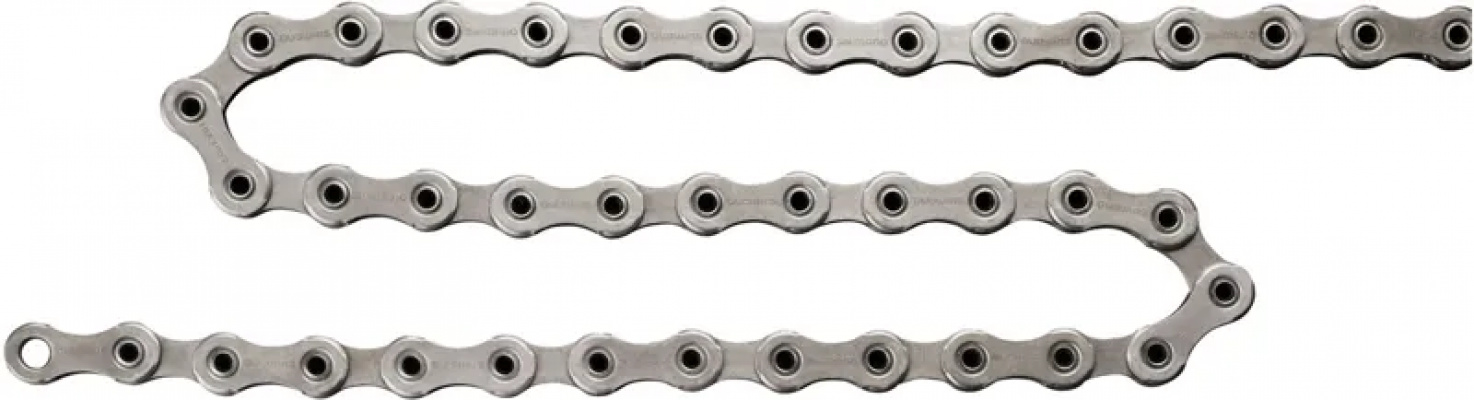
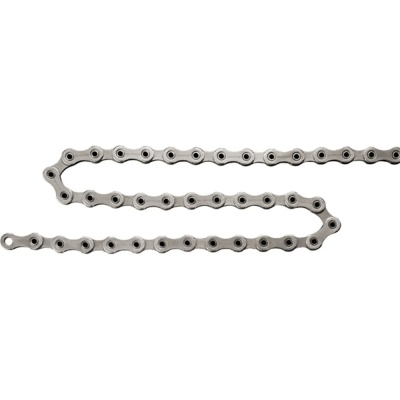
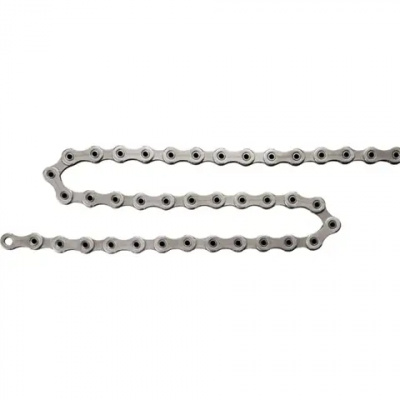
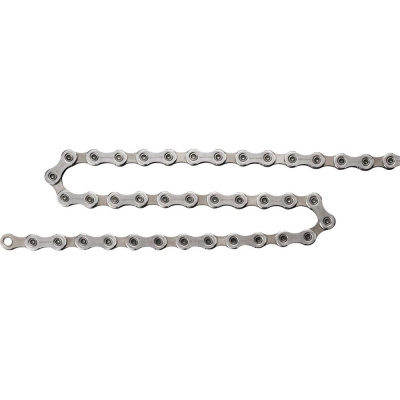
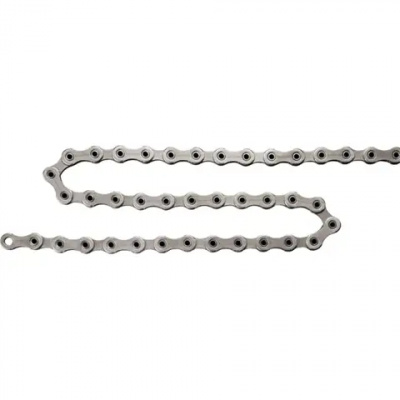
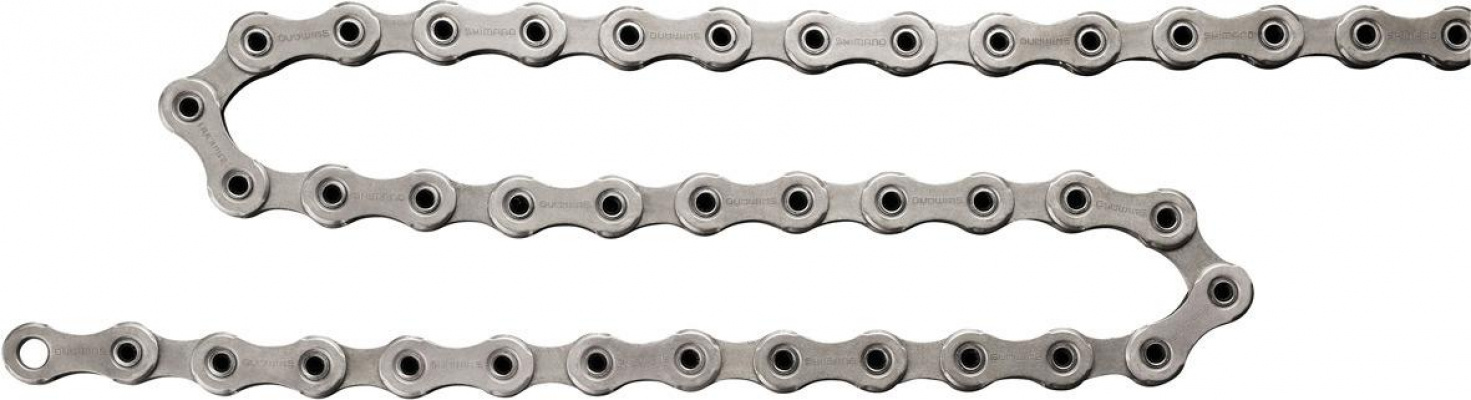
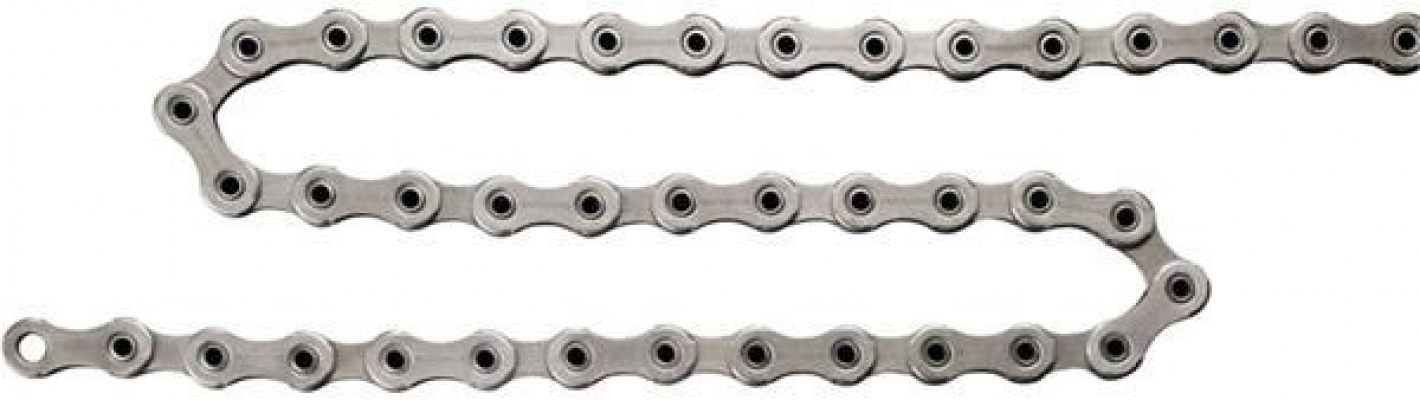
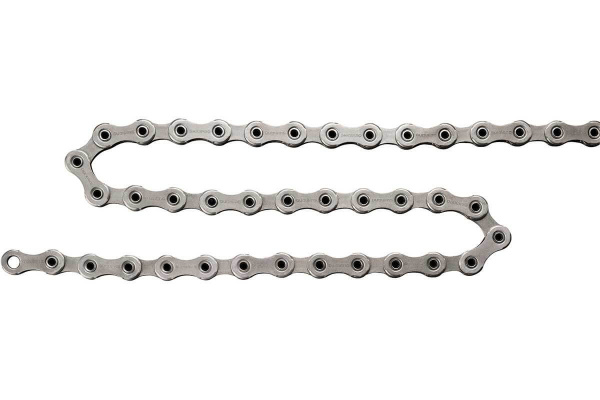
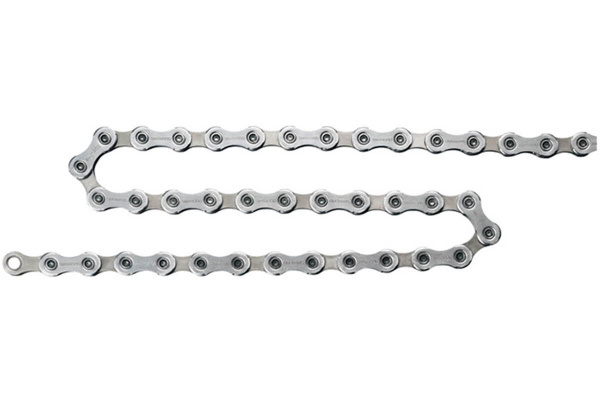
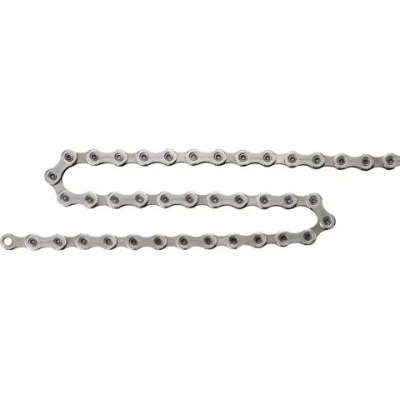
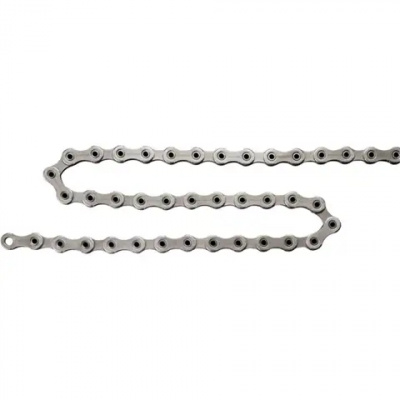
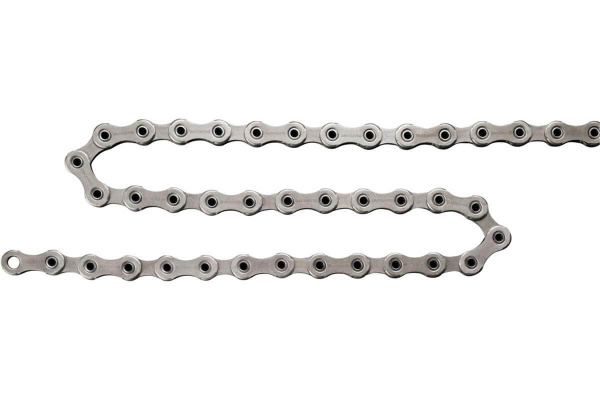
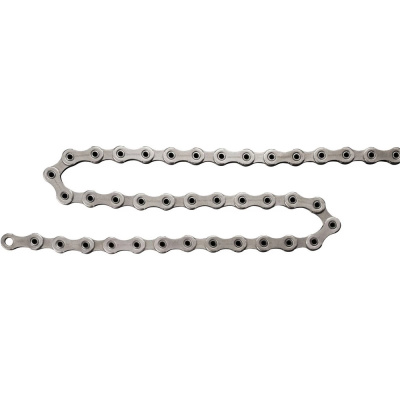
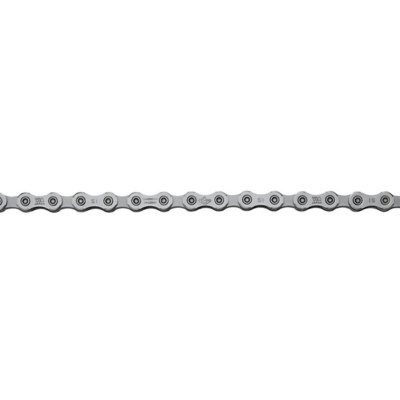
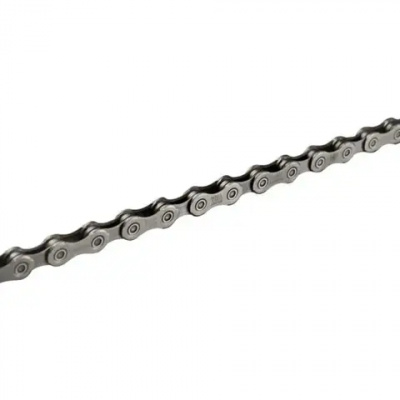
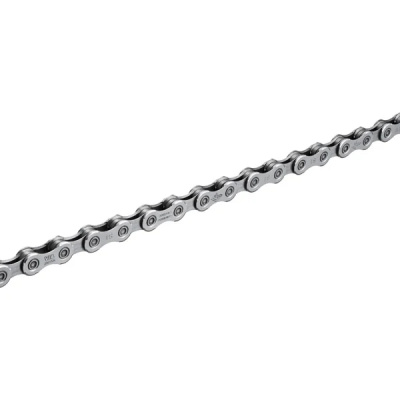
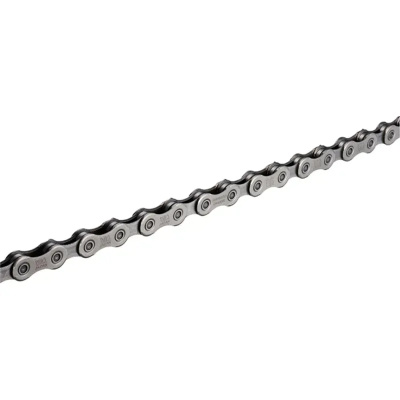
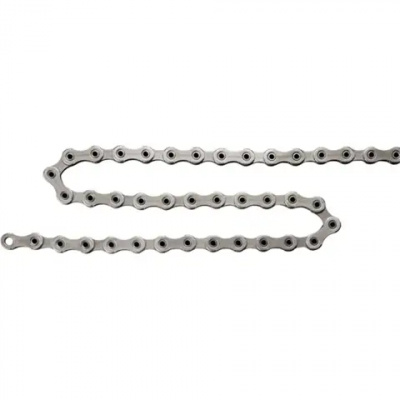
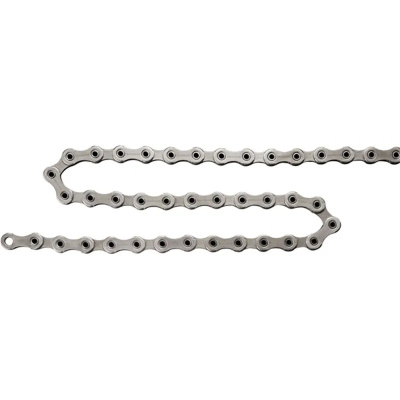
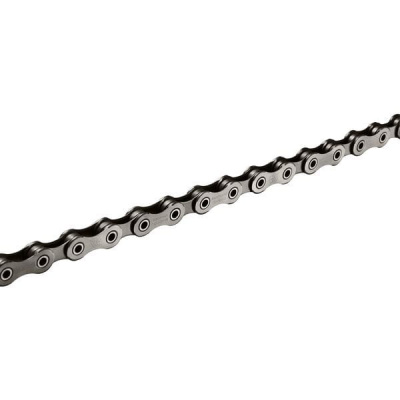
A genuine Shimano 11 Speed Chain is the simplest way to restore that crisp, factory-fresh feel to a drivetrain that's started skipping or dragging. Shimano's 11-speed chains aren't just a loop of metal - they're precision components built around HG-X11 and HG-EV asymmetric plate geometry, engineered so each link guides cleanly over every sprocket tooth at speed. Get the chain wrong and you're fighting your groupset; get it right and shifting becomes near-invisible.
At the heart of the range sits Shimano's SIL-TEC surface treatment - a PTFE-based coating that cuts friction, sheds mud, and slows the corrosion that UK winters accelerate. If you've ever watched road grit turn a chain orange over a single wet commute, you'll know why that coating matters. Whether you're running 105, Ultegra, Dura-Ace, SLX, XT, or XTR, there's a specific chain tier designed to match your groupset's tolerances and your riding conditions. Browse the price-compared selection above to find the right replacement - then read on to make sure you're picking the correct spec for your setup.
Prices and availability can change quickly. Delivery charges are not always included in listed prices.
Final price, stock status and delivery terms are set by retailer. We may receive a commission on purchases made.
Getting the Fit Right: Compatibility and Directional Rules
The good news first: current Shimano 11-speed chains - the HG601, HG701, and HG901 - are universally compatible across Shimano's entire 11-speed road and MTB ecosystem. That means an HG701 bought for an Ultegra groupset will fit an XT drivetrain without issue. Most chains ship as 116L, which suits the majority of road and gravel setups; longer-cage MTB drivetrains sometimes need a 126L, so count your links before cutting.
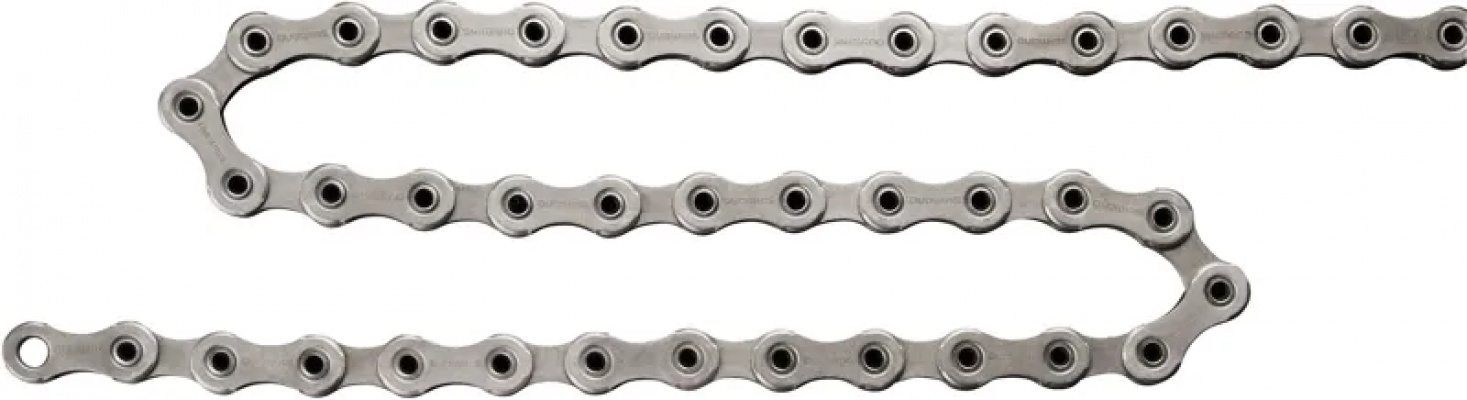
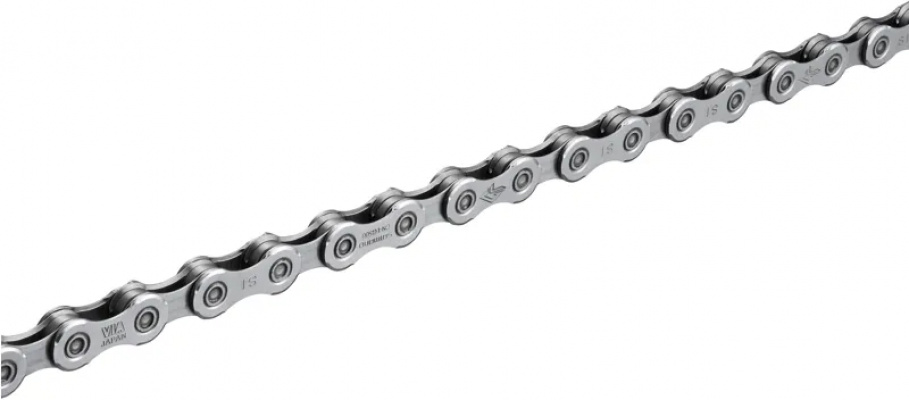
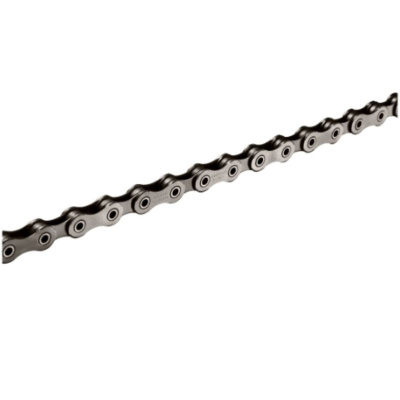
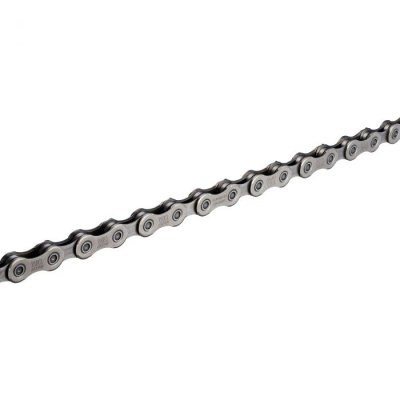
Now the critical bit that catches people out: Shimano 11-speed chains are strictly directional. The asymmetric plates are shaped to engage Hyperglide sprocket profiles in one specific orientation. Fit them backwards and you'll get sluggish shifts and drivetrain noise that no amount of derailleur adjustment will cure. The rule is simple - the side with the stamped Shimano logos faces outward, away from the bike. Check it before you push the connecting pin or close the Quick-Link.
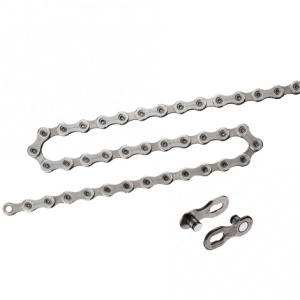
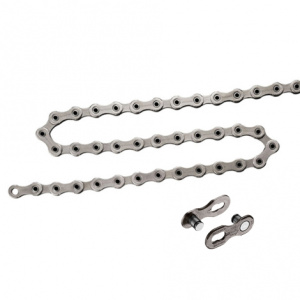
Need a replacement master link? View our dedicated Chain Quick Links collection for compatible SM-CN900 units and alternatives.
What You're Actually Paying For Across the Range
Shimano's chain hierarchy isn't arbitrary - each tier adds a measurable functional difference, and understanding where the money goes helps you pick the right one rather than just defaulting to the cheapest.
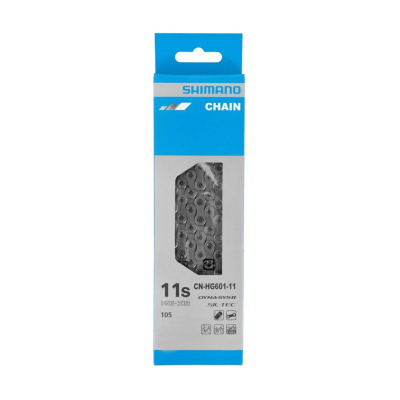
The HG601 (105 and SLX level) applies SIL-TEC treatment to the inner plates only. That's still a genuine improvement over uncoated chains - less friction on the rollers that contact the sprockets - but the outer plates remain exposed to the elements. For dry summer riding or indoor training, it's entirely capable. On a wet Peak District bridleway or a salted winter commute, the exposed outer plates will show wear faster.
Step up to the HG701 (Ultegra and XT) and SIL-TEC extends to the outer plates as well. That full-coverage coating is the meaningful upgrade for UK conditions - the whole chain repels water and resists the corrosive cocktail of road salt and clay mud that shortens drivetrain life through autumn and winter. If we had to pick one tier as the practical choice for year-round British riding, HG701 is it. The weight difference over HG601 is negligible; the durability gain in foul weather is not.
The HG901 (Dura-Ace and XTR) adds hollow pins to reduce weight and extends SIL-TEC to the rollers themselves. Roller coating is where friction reduction is most impactful - the rollers are in constant contact with the cassette teeth under load. For racers where every watt counts, or XTR builds where gram-counting is part of the brief, the HG901 makes sense. For everyone else, the price premium over HG701 is harder to justify unless longevity and outright smoothness are the priority.
Worth noting: brands like KMC 11 speed chains and SRAM 11 speed chains are viable alternatives if you're running a mixed drivetrain, but for a stock Shimano groupset, staying within the Hyperglide ecosystem keeps shifting geometry exactly as the engineers intended.
Making Your Chain Last: UK Conditions and What They Do to Drivetrains
British roads and trails are hard on chains. Grit and sand act like grinding paste between the rollers and side plates - every pedal stroke works it deeper into the gaps, accelerating drivetrain wear faster than mileage alone would suggest. A chain that looks fine to the eye can already be destroying your cassette.
The practical fix is a chain checker. Replace the chain when it reads 0.5% wear - not 0.75%, which is the figure often quoted but leaves the cassette in the firing line. A fresh chain costs a fraction of a replacement 11 speed cassette, so swapping early is basic drivetrain economics. Some riders keep two chains and rotate them every 200 miles; it sounds fussy but halves the wear rate on both.
Lubrication matters as much as the chain itself. A quality wet lube in winter keeps the rollers protected against salt and water ingress - dry or wax lubes shed too quickly in persistent UK rain to offer meaningful protection between October and March. Clean the chain before re-lubing rather than topping up over old grime; that grit-paste problem only compounds if you don't.
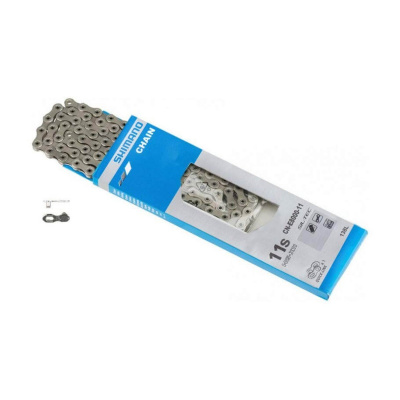
If you're setting up a new chain or removing one for a deep clean, make sure you have the right chain tools - a decent chain whip and breaker make the job straightforward rather than a knuckle-scraping ordeal. The SM-CN900 Quick-Link that ships with most Shimano chains is officially rated as single-use, so keep a spare to hand if you're planning regular removal.
Shimano 11 Speed Chains FAQs
Are Shimano 11-speed road and MTB chains interchangeable?
Yes. The HG601, HG701, and HG901 are all cross-compatible across Shimano's 11-speed road, gravel, and MTB drivetrains. Just check the link count - most road setups use 116L, while longer-cage MTB configurations may need 126L. Count before you cut.
Are Shimano 11-speed chains directional?
They are, and it's worth taking seriously. Shimano 11-speed chains use asymmetric plates designed to engage Hyperglide sprocket profiles in one orientation only. The stamped Shimano logos must face outward, away from the bike. Fitting them backwards causes poor shifting and drivetrain noise that no derailleur tweak will fix.
Do Shimano 11-speed chains come with a quick link?
Most current Shimano 11-speed chains include an SM-CN900 Quick-Link for tool-free joining. One important detail: Shimano officially rates these as single-use only. If you remove the chain for cleaning, replace the Quick-Link rather than reusing the old one - it's cheap insurance against a link failure mid-ride.