
KMC 11 Speed Chains
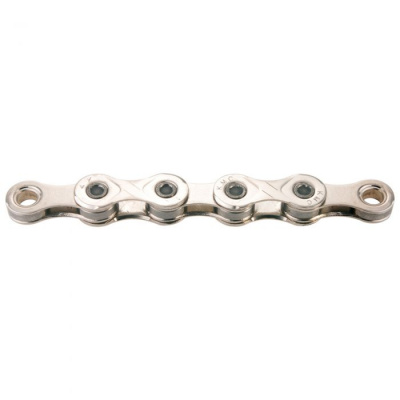
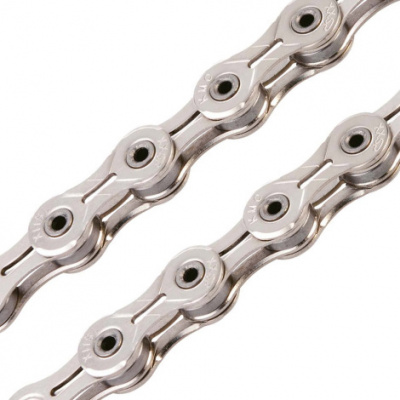
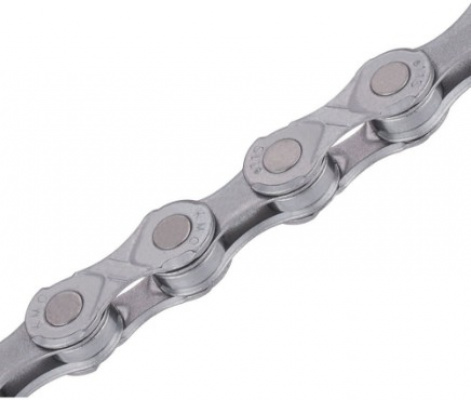
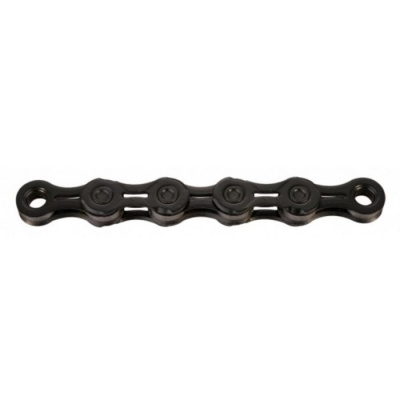
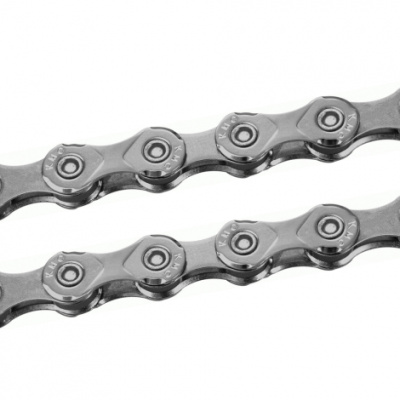
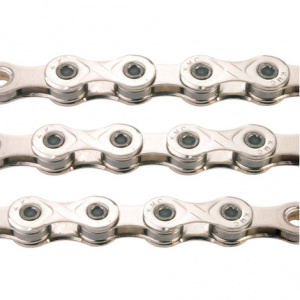
KMC 11 speed chains have earned their place on workshop benches and race bikes alike - not through marketing noise, but because they simply work across virtually every drivetrain you're likely to own. Whatever's bolted to your frame, a KMC will slot straight in: Shimano, SRAM, or Campagnolo 11-speed systems all play nicely here, right out of the box. That broad compatibility comes down to KMC's X-Bridge technology, where precisely chamfered inner and outer plates guide the chain onto each sprocket tooth cleanly, so shifts feel crisp rather than vague. You're not chasing a split-second hesitation mid-climb.
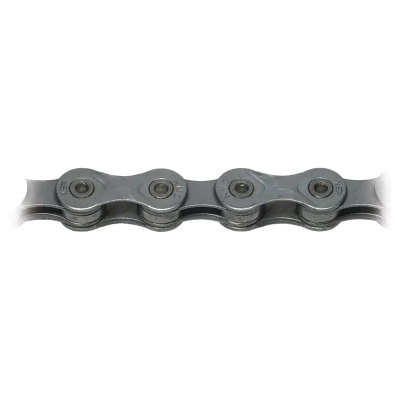
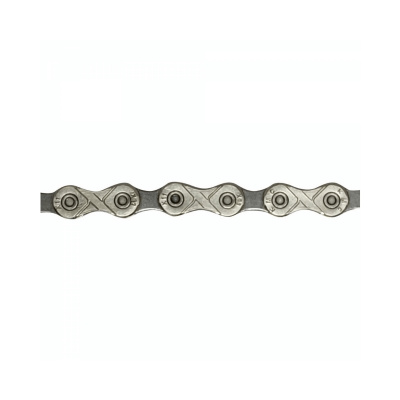
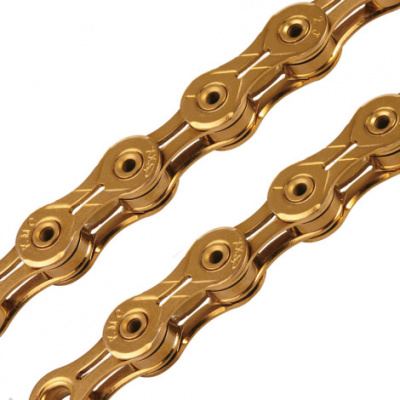
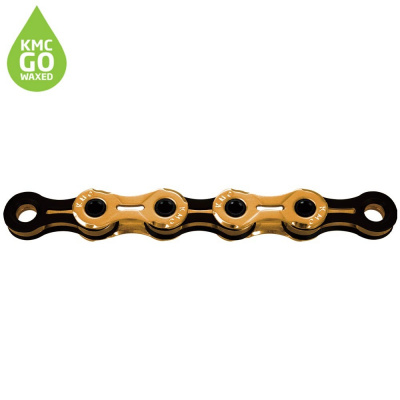
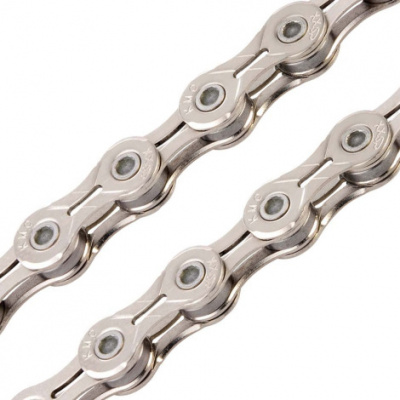
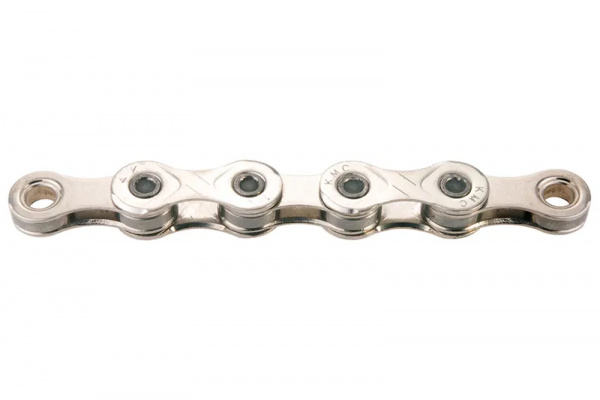
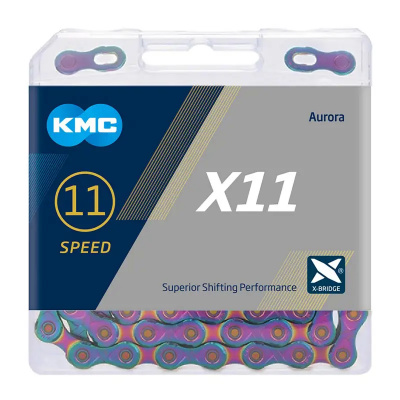
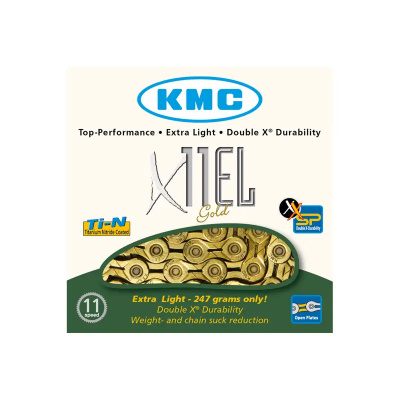
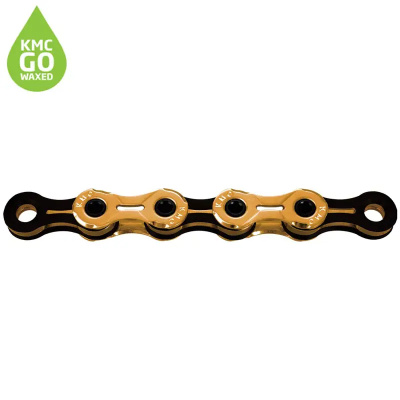
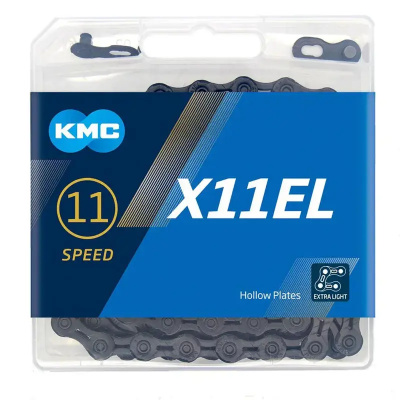
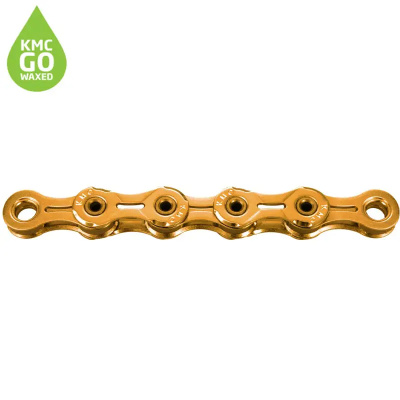
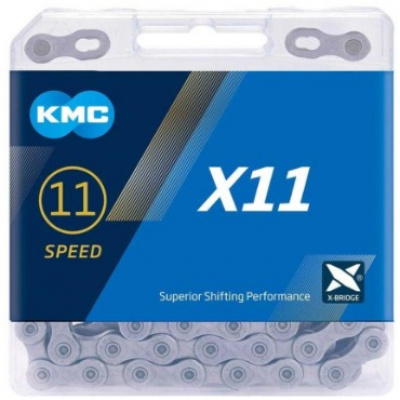
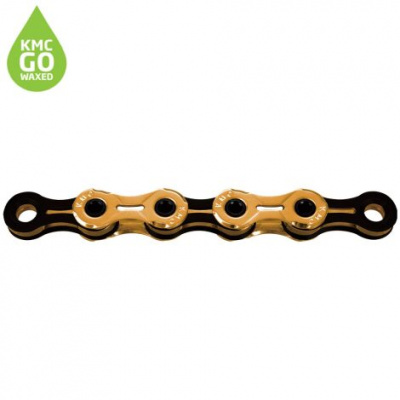
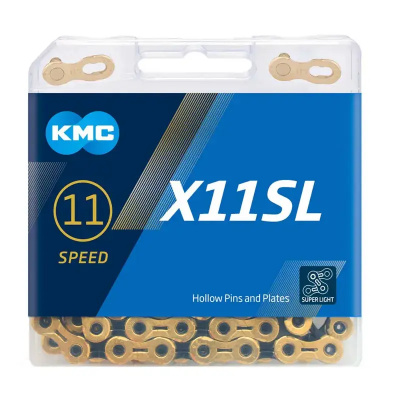
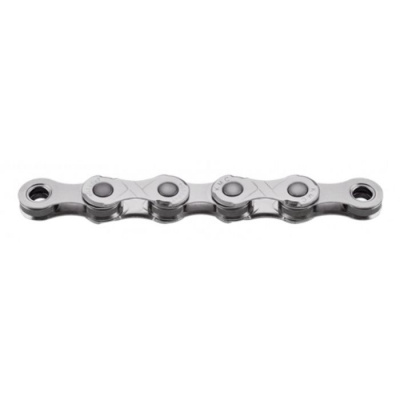
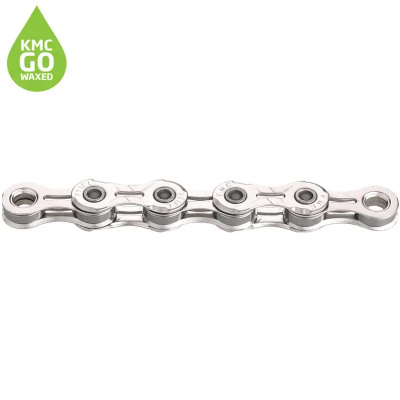
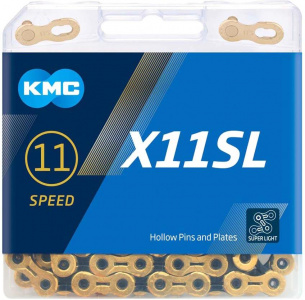
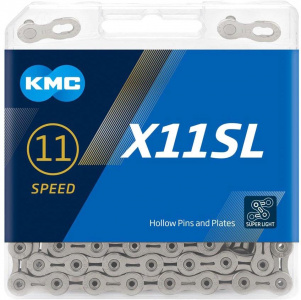
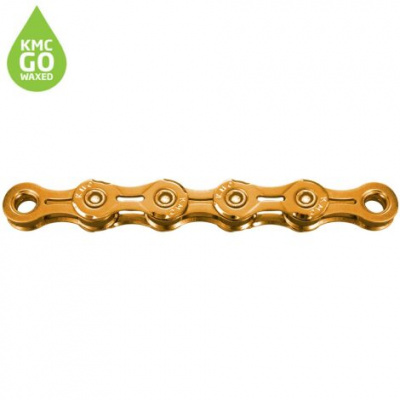
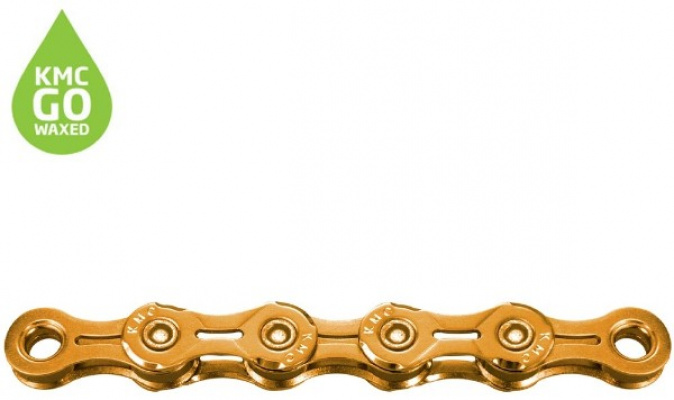
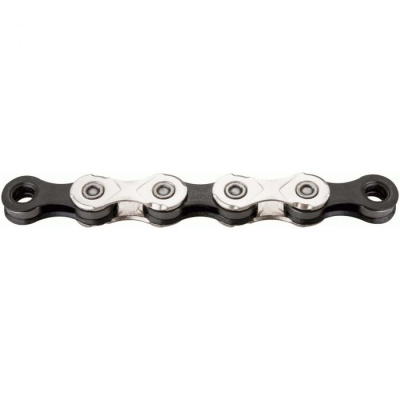
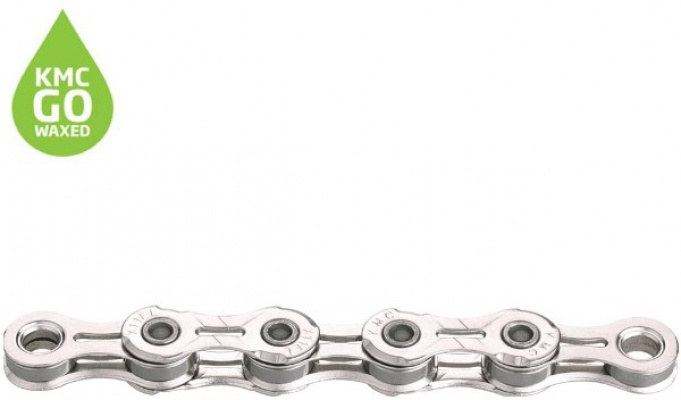
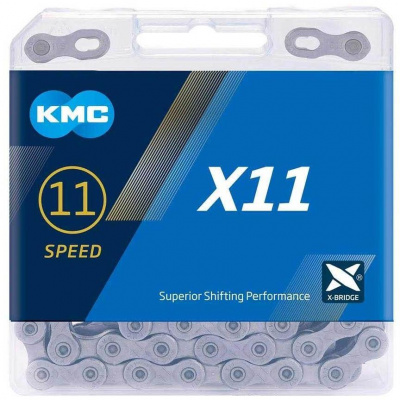
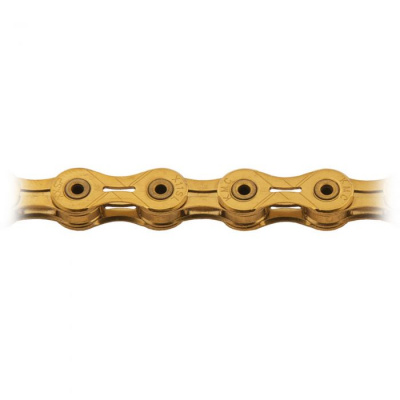
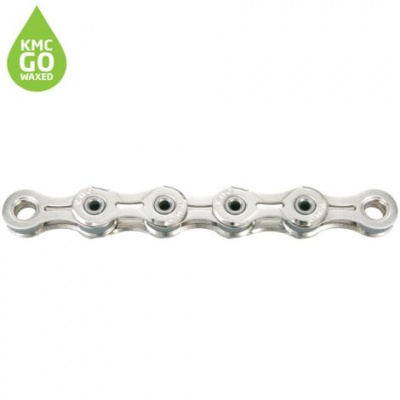
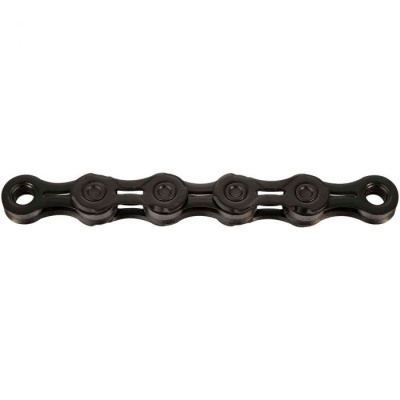
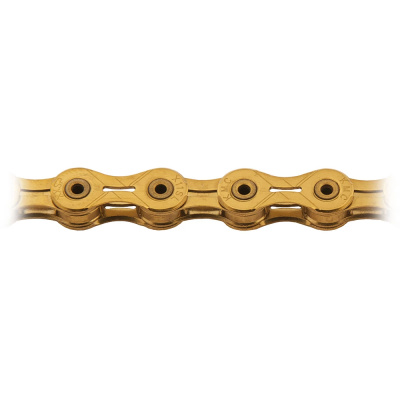
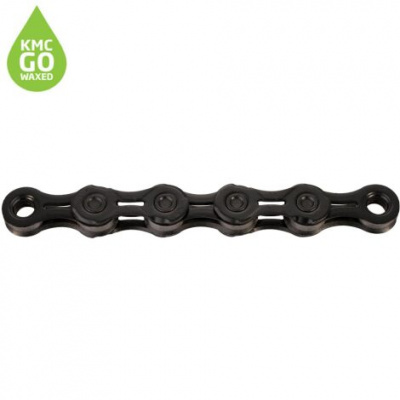
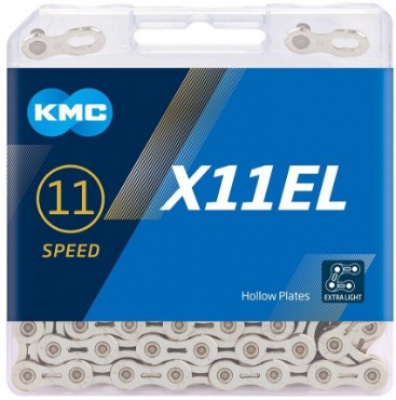
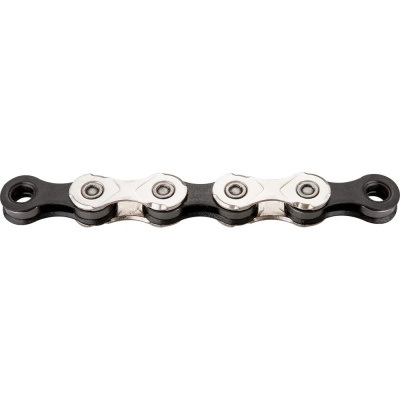
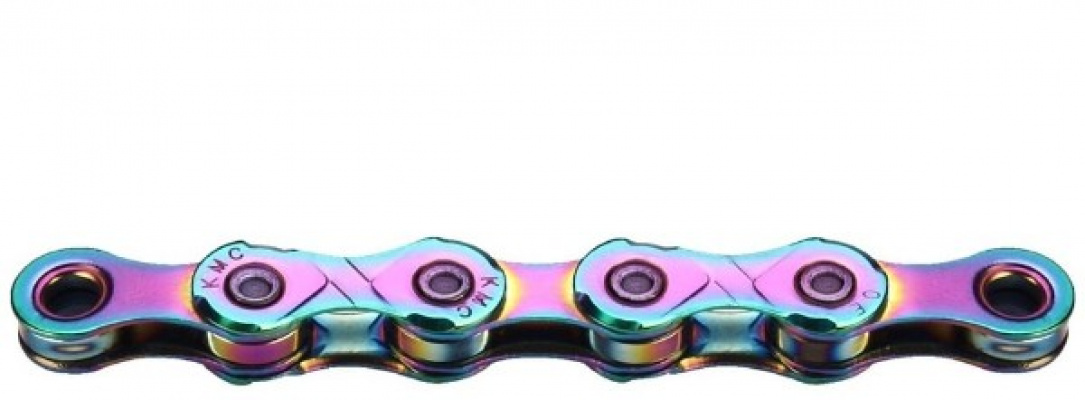
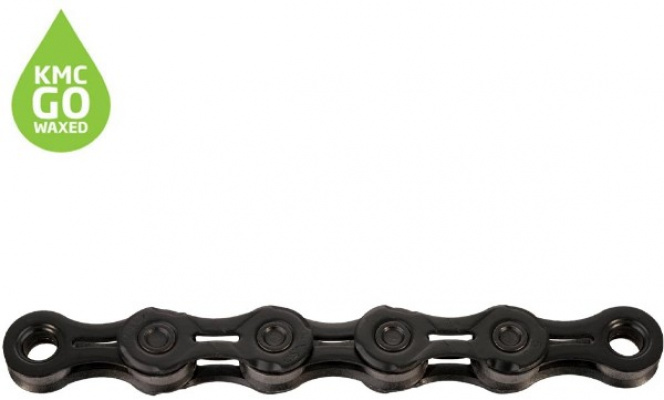
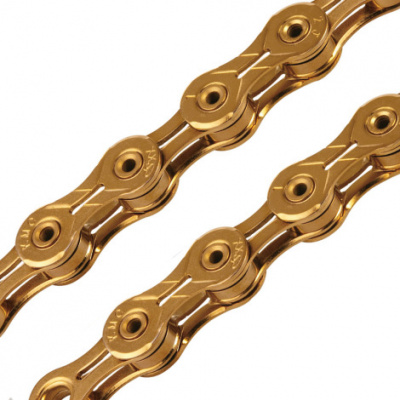
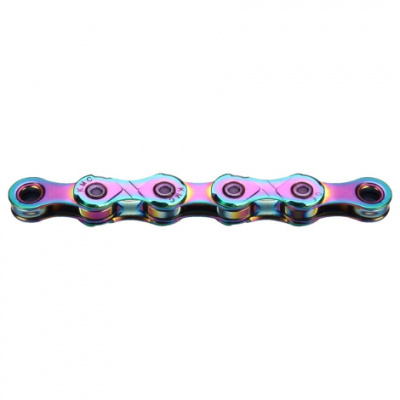
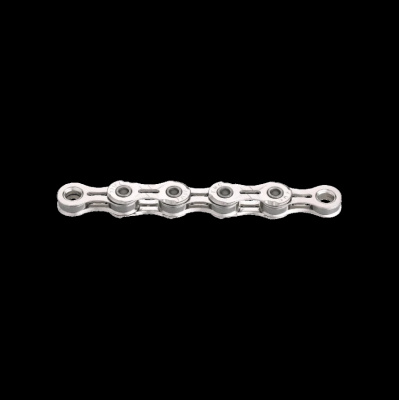
The range spans four clear tiers. The workhorse X11 handles daily abuse with Double X Durability - a proprietary Stretch Proof treatment on pins and plates that keeps wear at bay for longer than you'd expect at the price. Step up and the X11EL shaves grams via hollow plates; the X11SL goes further still with hollow pins and a Ti-N gold coating that cuts friction noticeably. For e-bike riders running mid-drive motors, the dedicated E11 handles the high-torque loads that would shorten a standard chain's life considerably. Every chain ships with KMC's MissingLink, so fitting takes minutes rather than messing about with chain tools. If you're replacing a worn chain on a wet Welsh weekend, that matters.




Prices and availability can change quickly. Delivery charges are not always included in listed prices.
Final price, stock status and delivery terms are set by retailer. We may receive a commission on purchases made.
Will a KMC 11-Speed Chain Fit Your Bike?
Short answer: almost certainly yes. KMC 11 speed chains run a standard 1/2" x 11/128" pitch with a 5.65mm pin length - the geometry that underpins every major 11-speed platform on the market. That means full compatibility with Shimano groupsets from 105 through Ultegra, Dura-Ace, XT, and XTR, as well as SRAM road and off-road setups - Red, Force, Rival, XX1, X01 - and Campagnolo 11-speed throughout. There's no fiddling with shim plates or worrying about inner link clearance.
One detail worth knowing before you start threading the chain through: standard KMC X11 chains are non-directional. Unlike some Shimano-branded chains that have a specific orientation, you can run a KMC either way and shifting stays consistent. Handy when you're doing a quick roadside swap in fading light. The MissingLink 11 (CL555) supplied with each chain is the connection point to pay attention to, though - check whether the version included with your specific model is the reusable type or single-use. The reusable MissingLink can be separated and refitted a handful of times with no performance penalty; the single-use variant is designed to be replaced each time you open the chain. If in doubt, pick up a fresh MissingLink before your next service rather than risk a fatigued link mid-ride.
X11 vs X11EL vs X11SL: What You're Actually Paying For
KMC structures its 11-speed range sensibly, and understanding what changes between tiers stops you either over-spending or buying the wrong tool for the job.
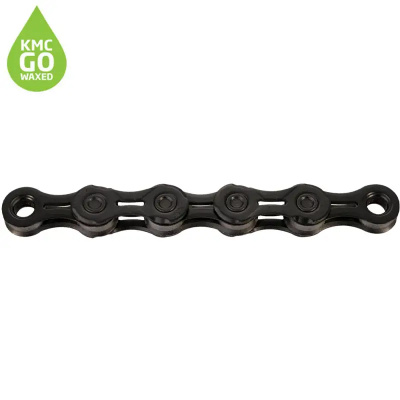
The X11 is the foundation - solid pins, solid plates, Double X Durability Stretch Proof treatment applied to both. It's the chain that just gets on with it through winter miles, commutes, and mixed-surface riding where you'd rather not think about drivetrain weight. Comparable offerings from Connex and Wippermann sit in the same bracket, though KMC's Double X Durability treatment gives it a measurable edge in pin wear resistance over bare steel alternatives.
The X11EL (Extra Light) hollows out the inner and outer plates. The overall architecture stays the same - same pin treatment, same chamfered plate edges from X-Bridge technology - but the material removal brings weight down meaningfully without any structural compromise for normal road or trail loads. A sensible middle ground if you're building a lightweight sportive bike without stretching to a flagship chain.
The X11SL (Super Light) goes the full distance: hollow pins, hollow plates, and the addition of Ti-N gold coating. Titanium Nitride is a hard, low-friction surface treatment - the same principle used on quality drill bits and surgical tools - and on a chain it reduces the metal-to-metal friction between link and sprocket, which translates to marginally lower drivetrain losses and noticeably extended service life. For riders chasing marginal gains on a road race or time trial setup, it's the sensible pick at the top of the KMC line-up.
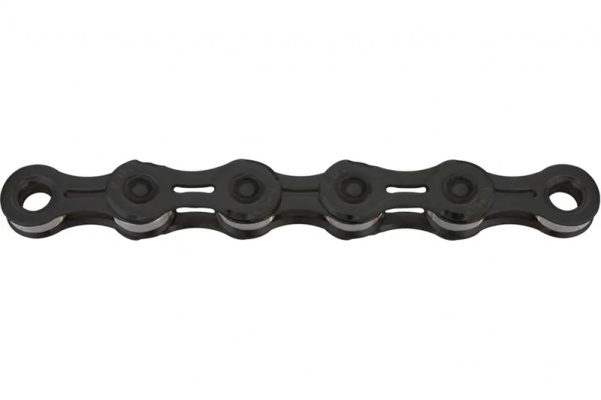
Two specialist variants complete the picture. The E11 is built specifically for mid-drive e-bikes, where motor torque figures can be three to four times what a human leg produces alone - that stress concentrates at the chain pins, and the E11's reinforced construction handles it without accelerating wear at the rate a standard chain would. The DLC 11 (Diamond Like Coating) sits at the performance extreme: an exceptionally hard surface treatment that outperforms even Ti-N in friction reduction and wear resistance, aimed squarely at race-day use where every watt counts.
Keeping Your Chain Alive Through a UK Winter
British roads and trails do a specific kind of damage. Mud laced with grit and silica acts like grinding paste between your chain rollers and cassette sprockets - invisible, relentless, and expensive when it finally wears through a cassette you'd rather not replace yet. Rain compounds the problem by washing out whatever lubricant you started with, leaving bare metal to corrode between rides.
KMC's answer to that is EcoProTeQ - EPT for short. It's an electrochemical anti-rust treatment applied to the chain's steel that the company rates at 650 hours of salt spray resistance in standardised testing. That's a meaningful number in practice: an EPT-treated chain left in a damp garage or strapped to a bike through a wet Scottish winter won't surface rust between rides the way an untreated chain will. If you're riding year-round in the Peak District, the Brecon Beacons, or anywhere north of Birmingham with regularity, an EPT model is worth specifying.
Rust protection buys you time, but it doesn't replace lubrication. Once you've got the chain on, use a wet-weather lubricant and reapply before conditions demand it rather than after. To keep everything running quietly, have a look at KMC's own oil and lube range - they're formulated around the chain's specific surface treatments.
On wear monitoring: check your chain with a dedicated wear indicator tool every 500 miles or so, more frequently in winter. Replace at 0.5% stretch - not 0.75%, not "when it starts skipping." Catching it at 0.5% means your cassette and chainrings are almost certainly fine. Leave it to 0.75% and you're often replacing three components instead of one. A chain checker costs a few pounds; a cassette costs considerably more. If you're already considering moving to a 12-speed setup at some point, our KMC 12-speed chain range is worth a look before you commit to another 11-speed cassette.
KMC 11 Speed Chains FAQs
Are KMC 11 speed chains directional?
No. Standard KMC 11-speed chains, including the X11 series, are non-directional - you can fit them either way without affecting shift quality. It makes installation straightforward compared to some directional alternatives. Just make sure the MissingLink is properly engaged before you ride.
Are KMC 11 speed chains compatible with Shimano and SRAM?
Yes, KMC 11-speed chains are compatible with Shimano, SRAM, and Campagnolo 11-speed drivetrains. The 1/2" x 11/128" pitch and 5.65mm pin length match all three standards, and X-Bridge technology's chamfered plates ensure clean, precise engagement across different cassette tooth profiles.
How long does a KMC 11 speed chain last?
Typically 1,500 to 3,000 miles, depending on conditions and how diligently you maintain it. Wet, gritty UK riding chews through chains faster - check wear with an indicator tool every 500 miles and replace at 0.5% stretch. An EPT-coated model will hold up better between services in damp conditions.