
Campagnolo 11 Speed Chains
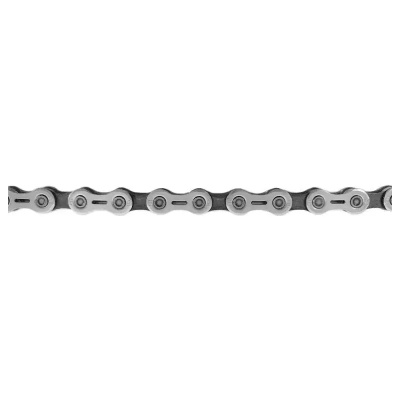
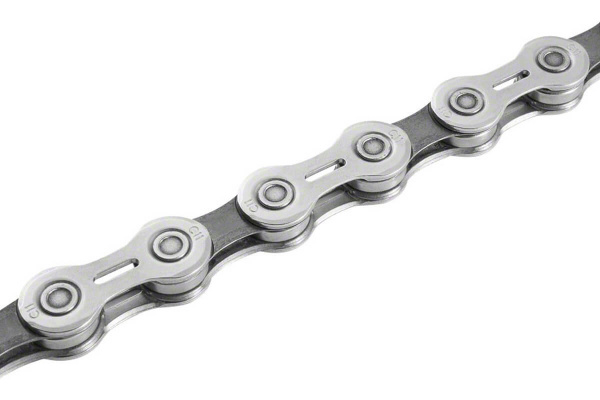
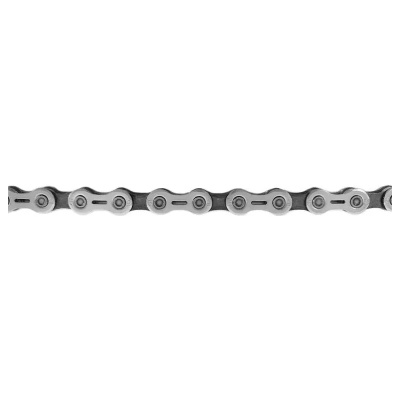
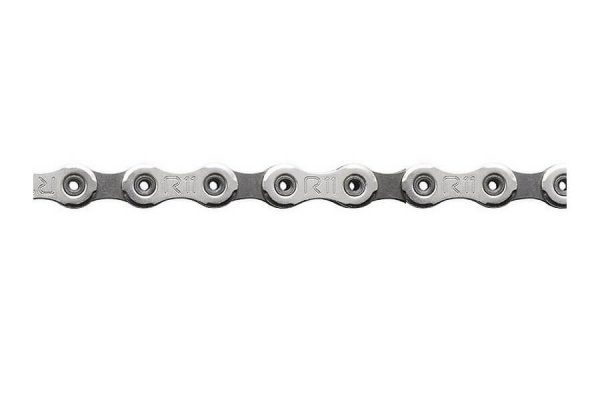
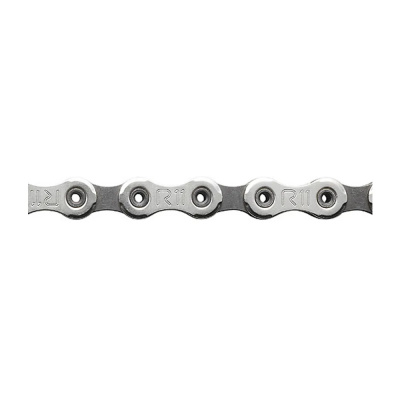
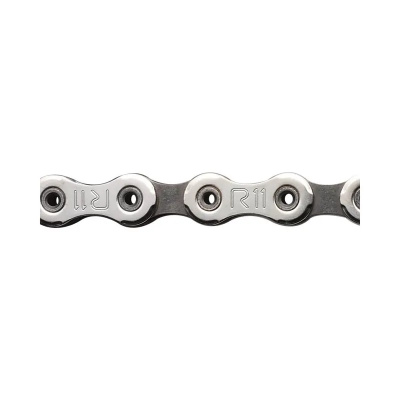
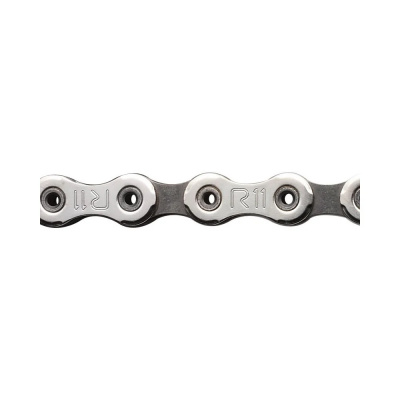
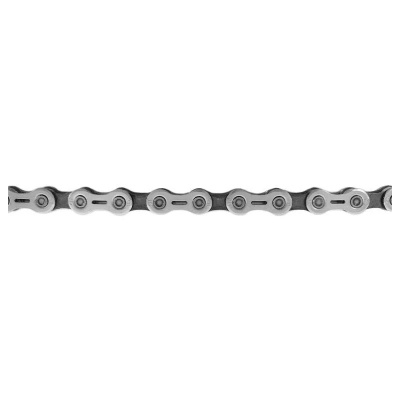
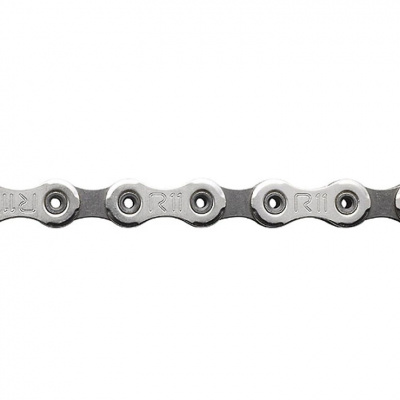
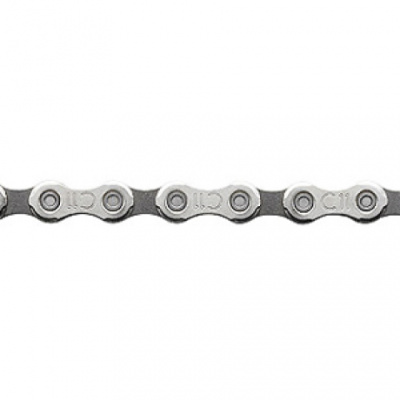
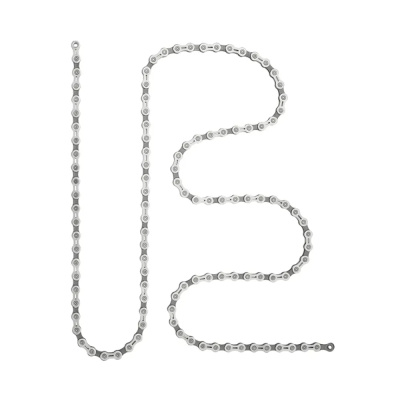
A genuine Campagnolo 11 speed chain is one of those components where cutting corners costs you more in the long run. Campagnolo engineers their 11-speed chains to a precise 5.5mm width, profiled specifically to move cleanly across the tight cassette spacing of their own groupsets - and that specificity matters the moment you click into the drops and start working through the gears. You get crisp, hesitation-free shifts because the chain and cassette are speaking the same language.
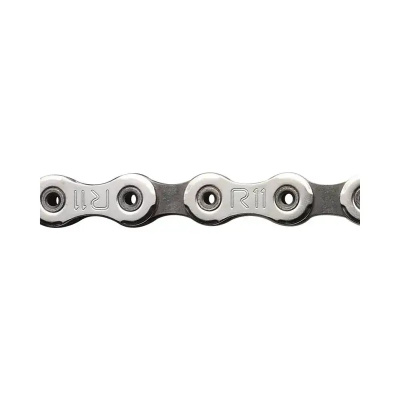
Every chain in the range carries Campagnolo's Ni-PTFE anti-friction treatment, a dry-film coating baked into the link plates and rollers that cuts friction and buffers against the grit and damp that UK roads dish out year-round. Joining is handled by the Ultra-Link fastening system, which requires a specific peening tool but delivers a joint that won't rattle loose mid-ride. Whether you're replacing a worn chain on a Super Record race build or keeping a Potenza winter bike turning over, matching the chain to the groupset is simply the right call for drivetrain health and longevity. The cost of a new chain is nothing beside the cost of a worn Campagnolo cassette.
Prices and availability can change quickly. Delivery charges are not always included in listed prices.
Final price, stock status and delivery terms are set by retailer. We may receive a commission on purchases made.
Compatibility, Width, and What Happens When You Mix Brands
Campagnolo 11-speed chains run at 5.5mm width - that's the external measurement across the link plates, dialled in to match the cassette sprocket spacing Campagnolo uses on their 11-speed systems. The chain pitch (the distance between pins) is the same 1/2-inch standard shared across the industry, which means a Shimano 11-speed chain will physically fit and turn over without jamming. That's where the good news ends.
Shimano and SRAM 11-speed chains are profiled and chamfered for their own cassette tooth geometry. Drop one onto a Campagnolo drivetrain and shifts become sluggish off the ramp - there's a woolliness to the engagement that you notice immediately on fast changes under load. Chain noise increases too, because the rollers aren't seating cleanly. It's not catastrophic, but it's a steady tax on your shifting feel and accelerates wear on expensive Campagnolo 11-speed cassettes. Stick to the right chain.
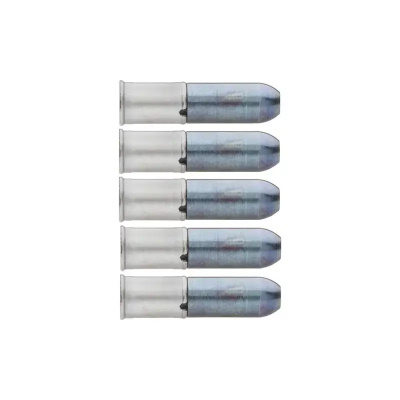
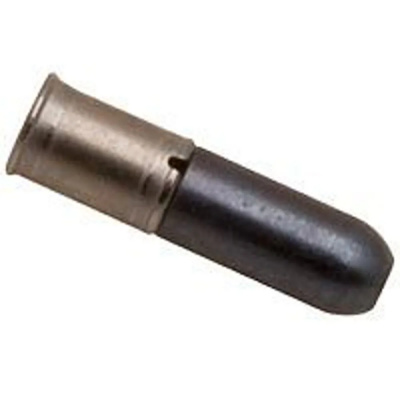
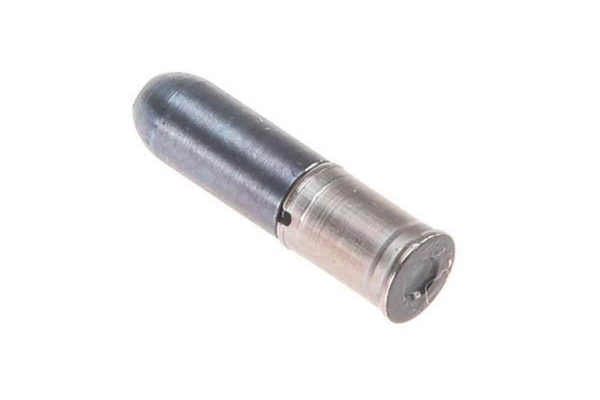
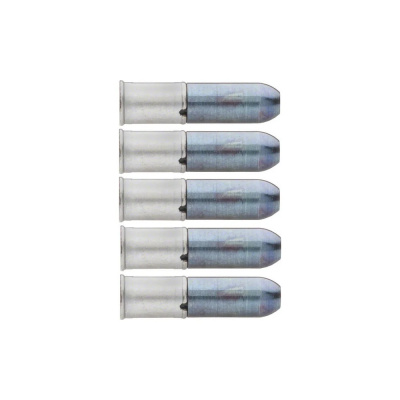
On installation: Campagnolo's Ultra-Link fastening system uses a directional pin that must be properly peened to cold-rivet the link closed. You'll need a compatible Campagnolo chain tool to do this correctly - improvising with a generic tool risks an under-set pin that can work loose. More recent chain iterations and aftermarket options do support 11-speed C-Links, which make roadside fixes and workshop chain swaps far more straightforward. If quick-release links are a priority for your maintenance routine, it's worth confirming compatibility before you buy. For split-link options, our chain quick links section is worth a browse.
Record, Chorus, Potenza - Which Tier Do You Actually Need?
Campagnolo stack their 11-speed chain range in line with the wider groupset hierarchy, and the differences are real - though perhaps not in the way you'd expect.
At the top, the Campagnolo Record 11 speed chain and Super Record equivalent use hollow pins and thinner, shaped link plates to shave weight. On a race bike where every gram is counted and argued over in the car park, that matters. The hollow pins aren't a structural compromise - tensile strength is maintained, and Campagnolo's testing backs that up - but they do mean these chains reward careful maintenance. Keep them clean, lubed, and monitored for wear, and they'll perform beautifully across a full season of racing or fast sportive miles.
The Campagnolo Chorus 11 speed chain and the Potenza and Centaur equivalents use solid pins throughout. You pick up a few grams, but in return you get a chain that's genuinely more forgiving of inconsistent cleaning schedules and the kind of winter miles where your bike comes back looking like it's been dragged through a ploughed field. Shifting performance is functionally identical - the same Ni-PTFE treatment, the same 5.5mm width, the same compatibility with Campagnolo 11-speed cassettes and 11-speed rear derailleurs. For riders who put in serious miles on a year-round training bike, the mid-tier chains arguably offer better value per kilometre.
The honest summary: if you're building or maintaining a lightweight race bike, go Record or Super Record. If your bike gets ridden in all weathers and cleaned when you remember, Chorus or Potenza will serve you better over time without any real sacrifice in how the drivetrain feels under your feet.
Keeping a Campagnolo Chain Alive in UK Conditions
British roads in autumn and winter are essentially a chain-destruction machine. The mix of road grit, salt, and standing water turns the lubricant on your chain into an abrasive paste - and on a narrow 11-speed chain with tight tolerances, that paste gets to work fast. A chain that's running dry and dirty can lose a measurable amount of service life within a single wet ride.
Campagnolo's Ni-PTFE anti-friction treatment gives the chain a meaningful head start here. The polytetrafluoroethylene coating bonds to the metal surfaces of the rollers and plates, reducing metal-on-metal friction and providing a barrier against surface corrosion. It's not a substitute for regular cleaning and lubrication, but it does mean the chain handles the inevitable lapses in a maintenance schedule better than an untreated chain would.
On wear monitoring: the 0.5% elongation mark is where you replace a Campagnolo 11-speed chain, full stop. Most quality chain wear indicators will show this clearly. Push past it and the stretched links start riding up over the cassette teeth, wearing the ramps and valleys of sprockets that cost considerably more to replace than the chain itself. Check wear every 300 - 400 miles if you're riding through winter, more frequently if rides are consistently wet and muddy. A basic chain checker costs next to nothing and saves you from a much more expensive conversation at the workshop. Standard 11-speed chains come with 114 links, which suits most road bike configurations, but check your frame's chainstay length if you're building up something unusual. KMC 11-speed chains are a popular alternative for riders who prefer a quick-link system from the outset, though for a pure Campagnolo drivetrain, the OEM chain remains the cleanest choice for compatibility and shifting feel.
Campagnolo 11 Speed Chains FAQs
Can I use a Shimano 11-speed chain on a Campagnolo 11-speed drivetrain?
Technically it'll turn over - the chain pitch is identical - but Campagnolo's 11-speed chains are profiled to a specific 5.5mm width for their own cassette geometry. A Shimano chain introduces slightly woolly shifting, more drivetrain noise, and accelerated wear on your cassette. It's a false economy. Use the correct chain.
Do Campagnolo 11-speed chains use a quick link?
Traditionally, Campagnolo used the Ultra-Link pin system, which requires a specific peening tool to cold-rivet the link properly - skip the right tool and you risk a failed joint. Newer versions and some aftermarket options do support 11-speed C-Links for easier swaps. Check the specific chain before you buy if quick links matter to your maintenance setup.
How long does a Campagnolo 11-speed chain last?
In typical UK conditions, plan for 1,500 to 3,000 miles before the chain reaches 0.5% elongation and needs replacing. Winter riding, inconsistent cleaning, and dry-chain miles all push you toward the lower end of that range. Check wear regularly - catching it at 0.5% protects your cassette and chainrings from premature wear.