
Shimano 11 Speed Front Derailleurs
A Shimano 11 Speed Front Derailleur is one of those components that rewards getting right first time - bodge the spec and you'll be fighting your shifts every time you hit a long drag or a technical climb. Whether you're swapping out a worn mech on a winter road bike, stepping up to Ultegra on your summer build, or putting together a GRX gravel rig that can handle whatever the Peaks or the Quantocks throw at it, Shimano's 11-speed front mech generation is a genuine step forward from what came before.
The headline change is the toggle-link design on mechanical models - it cuts the effort needed to push that chain across the ramps and buries a cable tensioner directly in the derailleur body, which is handy when UK damp starts working cable stretch into your drivetrain. Before you click buy, though, two checks are non-negotiable: your frame's mounting standard (braze-on tab or smooth seat tube needing a band-on clamp) and whether your chainline matches your crankset. Get those wrong and no amount of fettling at the roadside will save you.
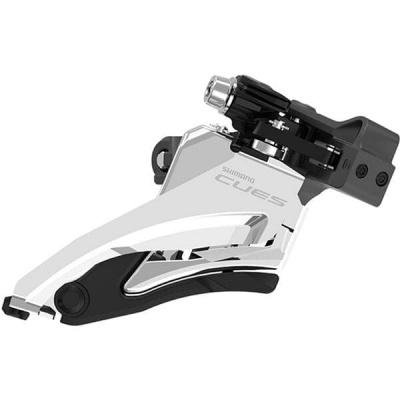
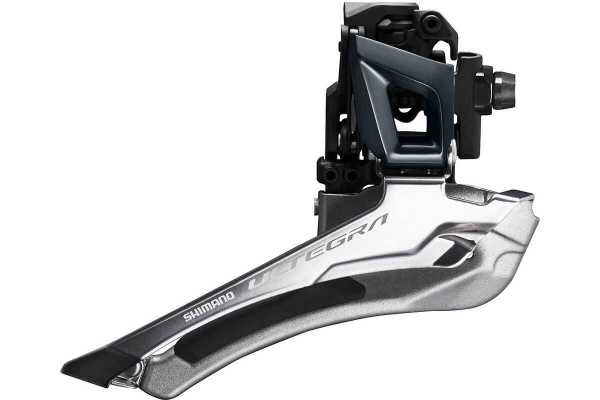
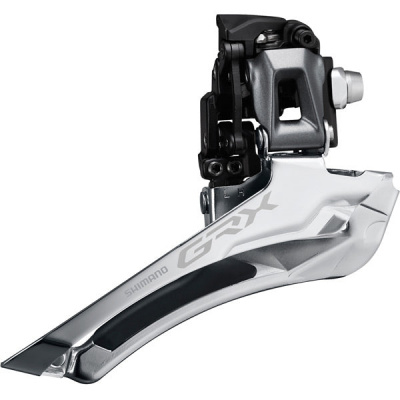
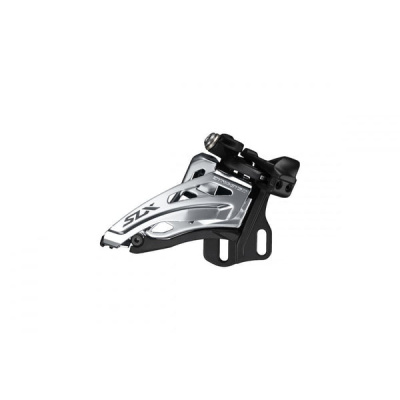
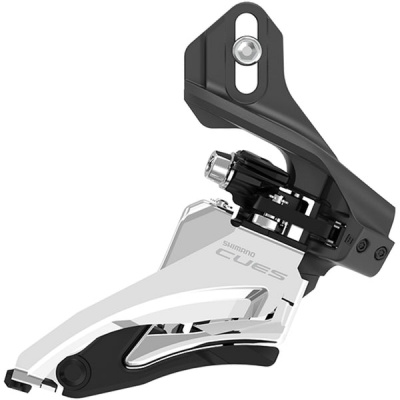
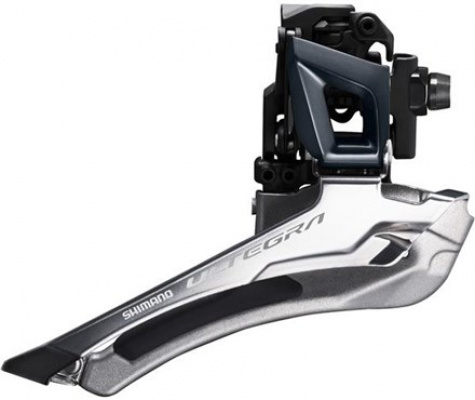
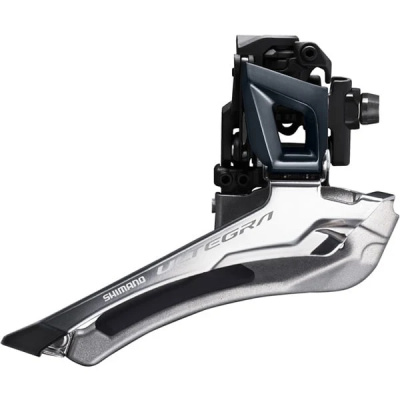
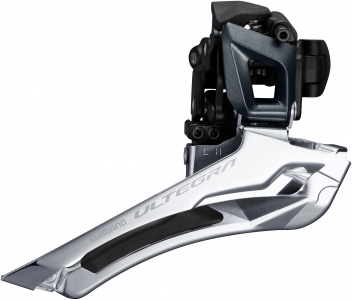
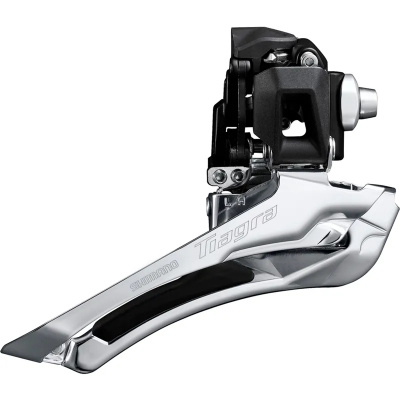
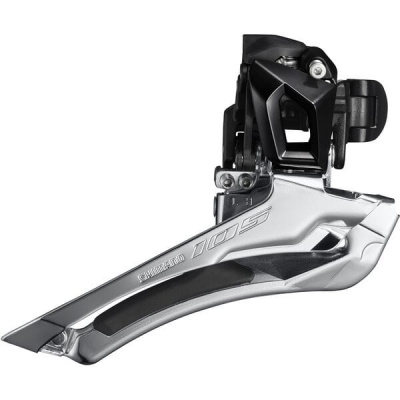
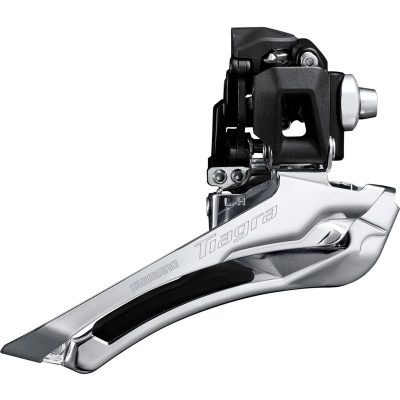
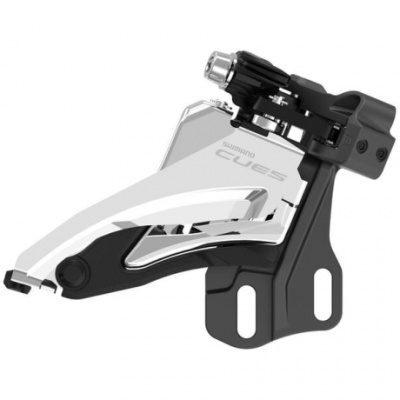
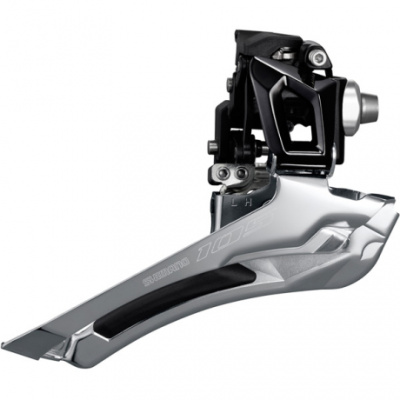
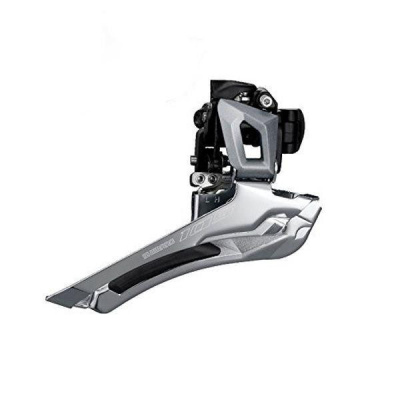
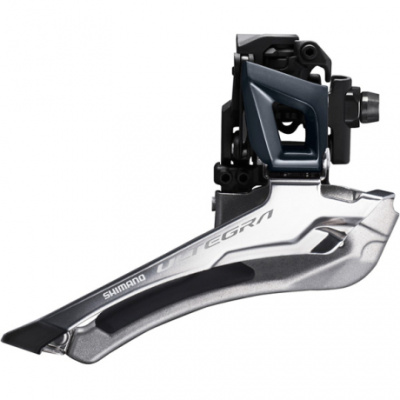
Prices and availability can change quickly. Delivery charges are not always included in listed prices.
Final price, stock status and delivery terms are set by retailer. We may receive a commission on purchases made.
Compatibility Basics: Mount, Clamp, and Chainline
The first fork in the road is your frame's seat tube. If there's a brazed metal tab already on the tube, you need a braze-on front derailleur - it bolts straight on, clean and low-profile. If the tube is bare and round, you need a band-on derailleur with the correct clamp diameter: 31.8mm is the most common on modern alloy and carbon road frames, while older steel or oversized tubes may need 34.9mm. If your frame has a braze-on tab but you only have a clamp-style mech to hand, a Shimano derailleur clamp adapter fixes that in seconds - worth keeping one in the workshop.
Chainline is where things get more nuanced. Shimano's road mechs - 105, Ultegra, and Dura-Ace - are designed around a standard road chainline. The FD-RX810 and its GRX siblings shift that line 2.5mm outboard to accommodate wider tyre clearance on gravel frames. That difference matters: fit a road front derailleur to a GRX crankset and you'll chase a perfect setup that simply doesn't exist. Always match the mech to the crankset family, not just the speed rating. Most 11-speed road front derailleurs handle a top gear range of 46 - 53T, so check your outer chainring size sits within that capacity window before committing.
Shimano's 11-Speed Range: What Actually Separates the Tiers
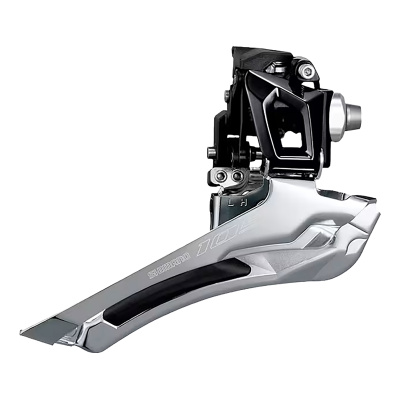
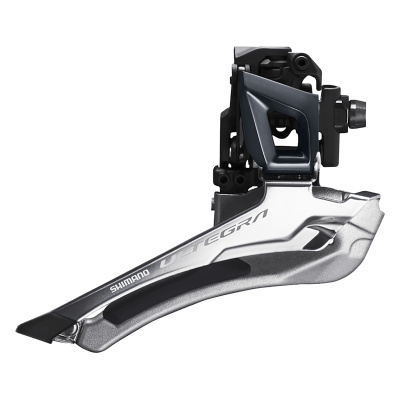
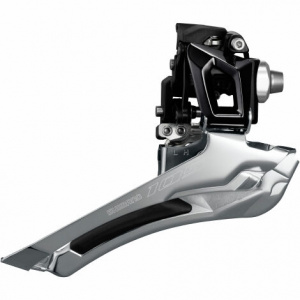
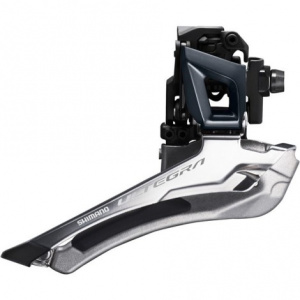
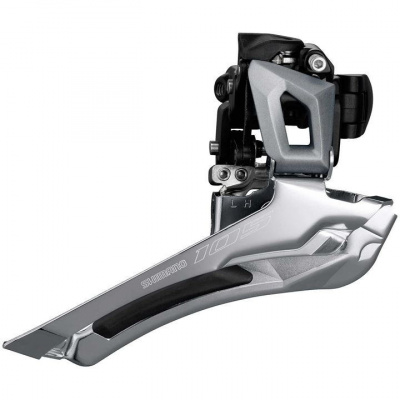
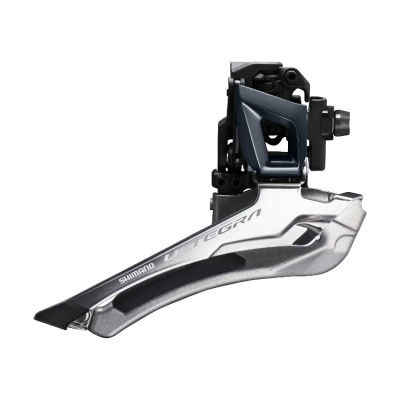
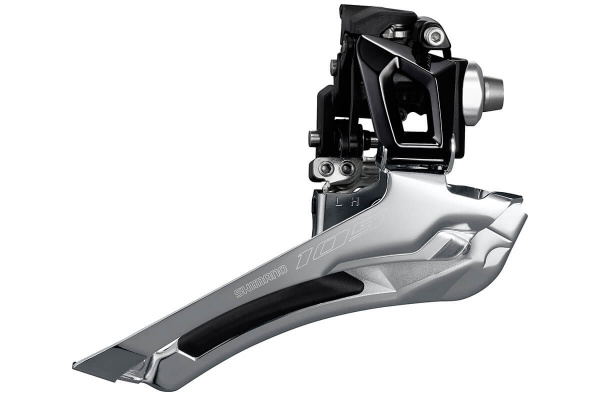
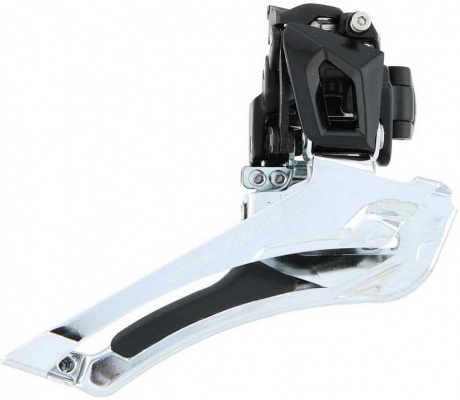
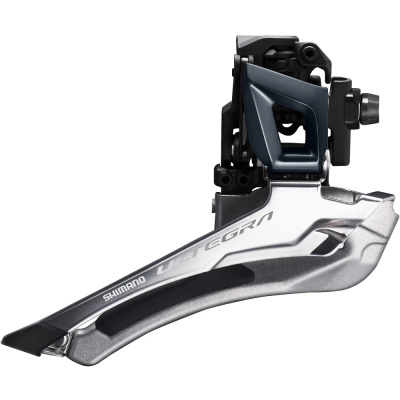
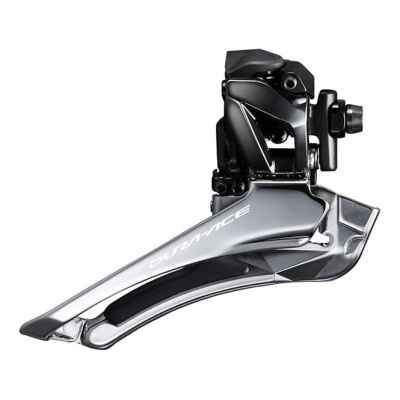
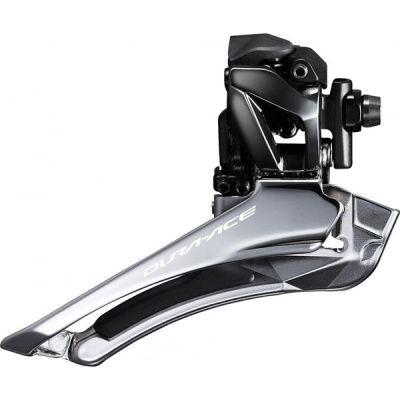
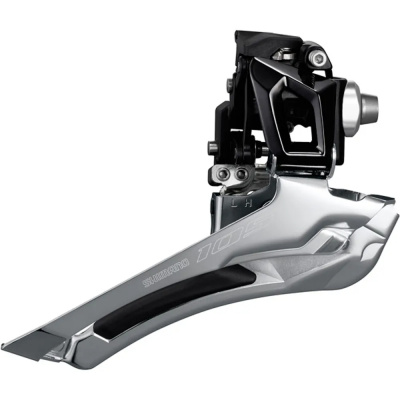
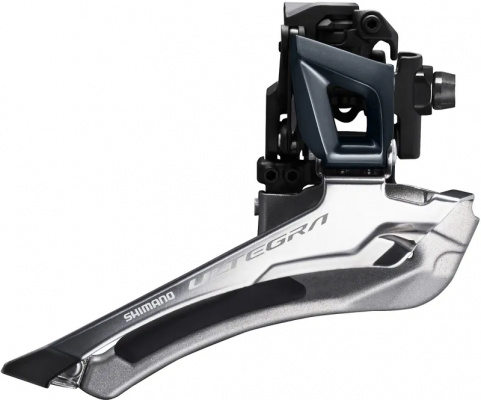
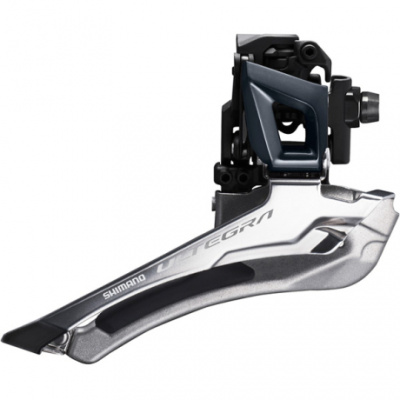
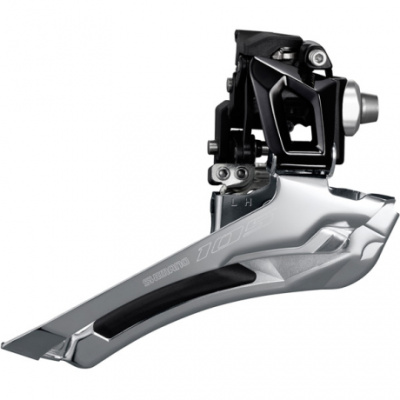
Spend a few minutes with Shimano's 11-speed lineup and a clear picture emerges. The FD-R7000 (105) and FD-R8000 (Ultegra) share the same toggle link construction - the geometry and the shifting action are, to all practical purposes, identical. The difference is in the cage plates: 105 uses heavier steel, Ultegra moves to aluminium with a nickel-plated finish. That saves a small but measurable amount of weight and adds a bit of corrosion resistance, relevant if you're running this mech on a bike that sees regular winter miles. Dura-Ace (FD-R9100) refines the cage material and tolerances further, but again, the mechanical principle is the same toggle-link system.
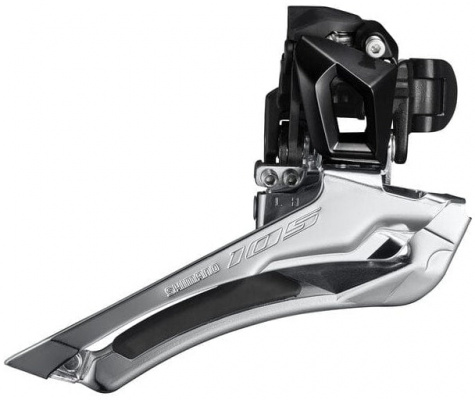
If the weight gap between 105 and Ultegra doesn't matter to you - and on most real-world rides it genuinely doesn't - the Shimano 105 11 speed front mech upgrade is an entirely logical choice. You're getting the same shift quality for less outlay. The best Shimano 11 speed front derailleur for road use will come down to your budget and how fussy you are about cage finish, not some fundamental performance ceiling.
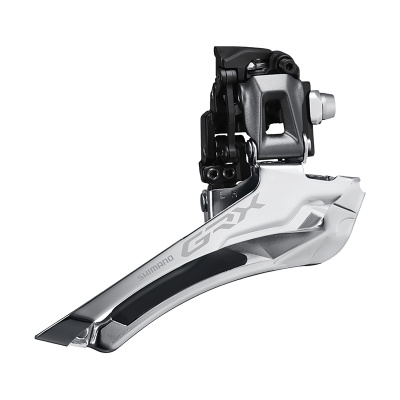
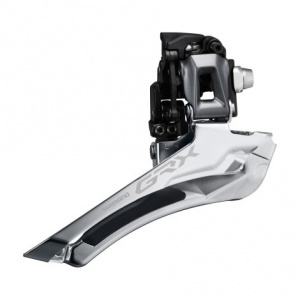
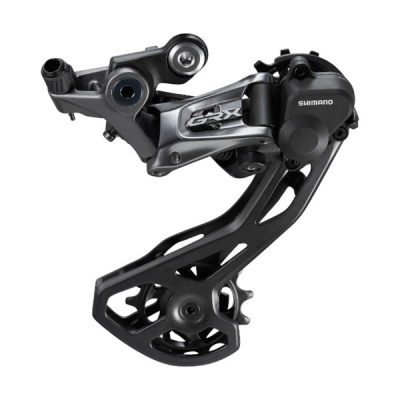
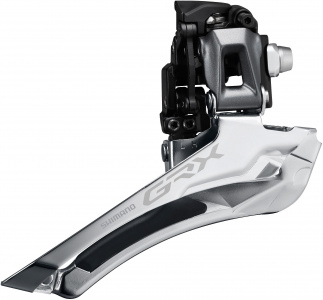
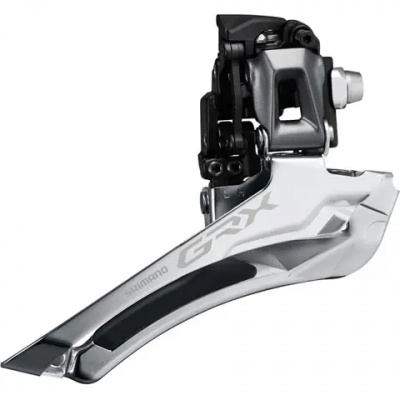
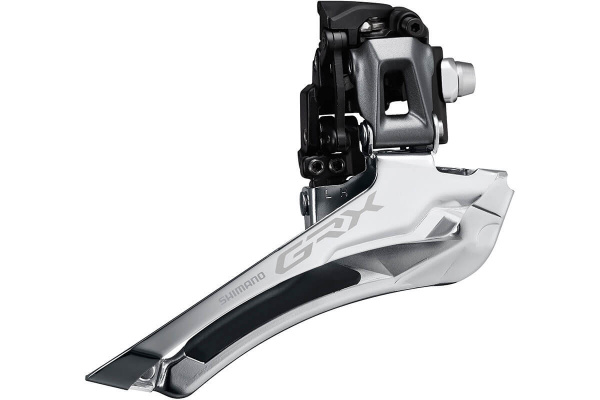
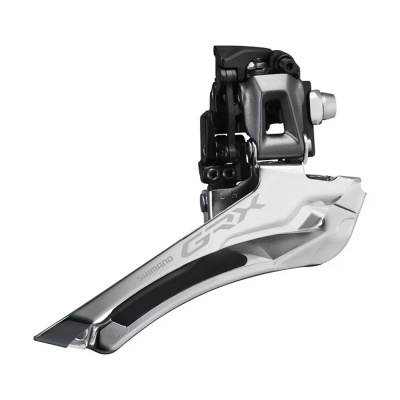
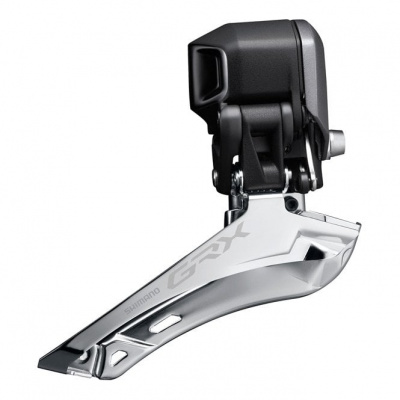
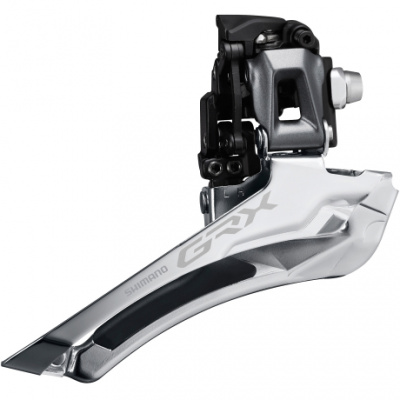
For gravel riders, the Shimano GRX 11 speed front derailleur (FD-RX810 for the mechanical 1x/2x setup) is the correct choice. The wider pivot stance creates more clearance between the cage and the tyre, which matters when you're carrying mud through a cyclocross section or pushing down a moorland bridleway that hasn't dried out since October. Comparing it to a standard Campagnolo 11-speed front derailleur on a gravel build, GRX's dedicated geometry is a practical advantage rather than a marketing point.
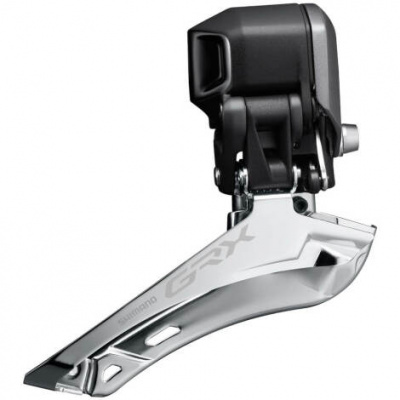
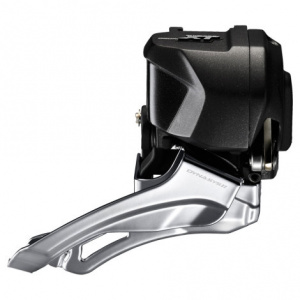
Di2 electronic variants deserve a mention. Shimano's Di2 electronic shifting front mechs add Auto-Trim technology, which automatically micro-adjusts the cage position as you shift through the rear cassette. That eliminates chain rub in cross-chain gears without you touching anything - a genuinely useful feature on longer road rides where you're not paying constant attention to your front mech position. If you're pairing a Di2 front mech with an 11-speed Shimano cassette, the auto-trim function earns its place quickly. The Shimano Ultegra 11 speed front derailleur Di2 version (FD-R8050) is arguably the sweet spot of that electronic range - lighter than R9150 Dura-Ace Di2, and more refined than the entry-level 105 Di2 option.
If you're weighing up alternatives, SRAM's 11-speed front derailleurs use a different pull ratio and actuation system, so mixing Shimano levers with SRAM mechs isn't straightforward. Stick within the Shimano ecosystem for mechanical setups and you'll save yourself a lot of headaches.
Keeping It Working Through a UK Winter
Road salt is insidious. It works into the pivot pins of a front derailleur gradually, and by February you'll notice the return spring feeling sluggish - the cage doesn't snap back smartly after an upshift, and shifts start feeling woolly rather than positive. It's not dramatic, it just gets worse incrementally until you're cross-chaining and losing your chain on a wet descent.
The fix is straightforward and takes ten minutes. Flush the pivot points with a light degreaser - a fine-tipped bottle helps you get it into the joints without soaking the rim braking surface or disc rotor. Follow up with a wet lube on those same pins once they've dried. Do this every few weeks through winter and the derailleur will stay crisp well into spring. A stiff, tired pivot spring is almost always a maintenance issue rather than a worn-out component.
On mechanical setups, wet weather accelerates cable stretch, and that's where the integrated cable tension adjustment on the toggle-link mechs earns its keep. There's a small 2mm hex bolt built into the derailleur body - no inline barrel adjuster needed, just a quick turn with an Allen key. If you're mid-ride and the front mech starts hesitating on the upshift, that bolt is your first port of call. Having the right Shimano tools in your workshop makes this a two-minute job rather than a frustrating one. The mechanical pull ratio on these mechs is calibrated for Shimano's own shifters, so if cable tension is set correctly at the start of the season, you're typically making small corrections rather than wholesale re-cables.
Shimano 11 Speed Front Derailleurs FAQs
Are all Shimano 11-speed front derailleurs cross-compatible?
Not across all families. Road mechs (105, Ultegra, Dura-Ace) and GRX gravel mechs run different chainlines - GRX sits 2.5mm further outboard to clear wider tyres. Fit a road mech to a GRX crankset and the shifting will never be right. Always match your front derailleur to the crankset it'll run with, not just the speed count.
Do I need a braze-on or band-on front derailleur?
Check your seat tube. A brazed metal tab means you need a braze-on derailleur. A plain round tube means band-on, sized to the tube diameter - 31.8mm or 34.9mm covers most road and gravel frames. If your frame has a braze-on tab but you're fitting a clamp-style mech, a simple adapter sorts it without drama.
How do I adjust the cable tension on a modern Shimano 11-speed front derailleur?
Modern toggle-link mechs like the FD-R7000 and FD-R8000 have a built-in 2mm hex tension bolt on the derailleur body - you don't need a separate barrel adjuster in the cable run. Route the cable, set approximate tension, then use that bolt to fine-tune. It's particularly useful mid-season when UK damp has worked a bit of stretch into the cable.