
Sunrace 11 Speed Cassettes
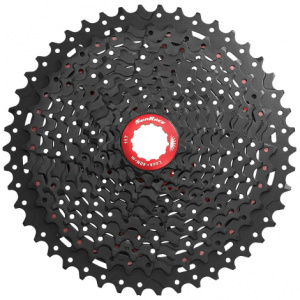
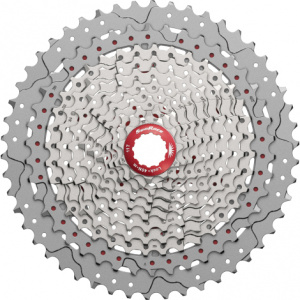
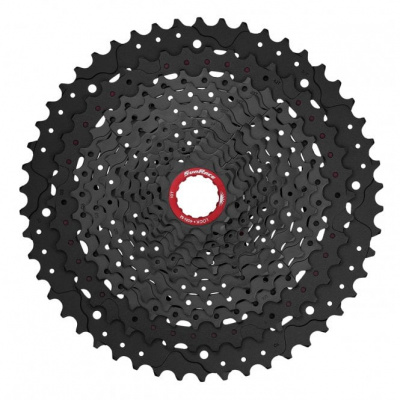
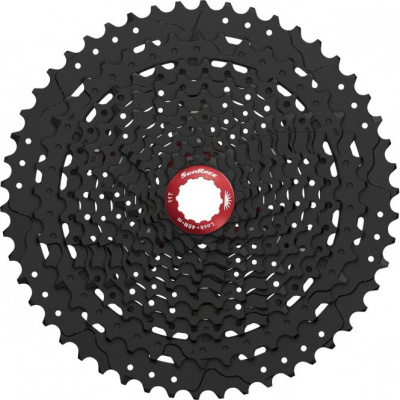
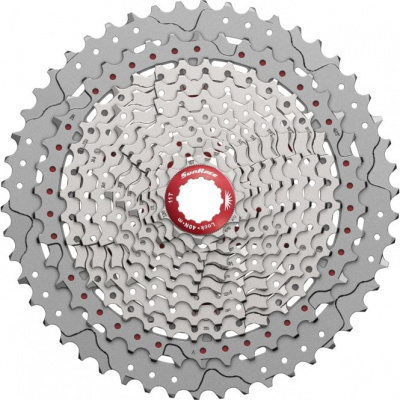
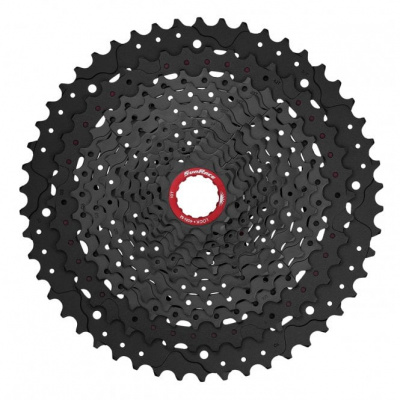
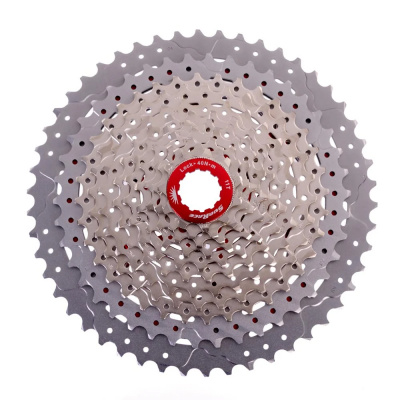
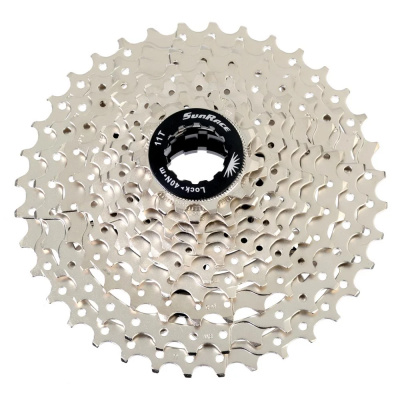
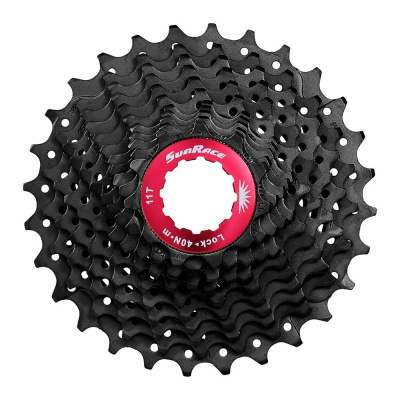
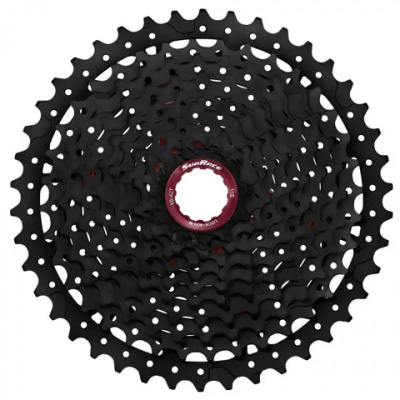
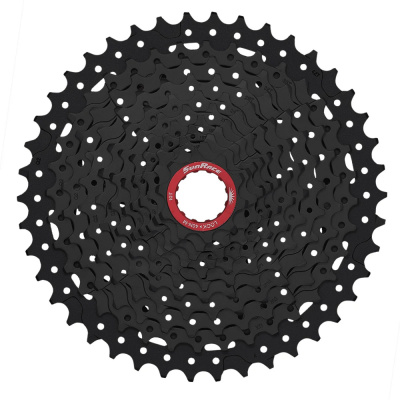
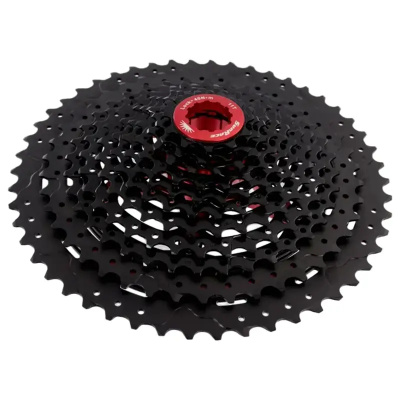
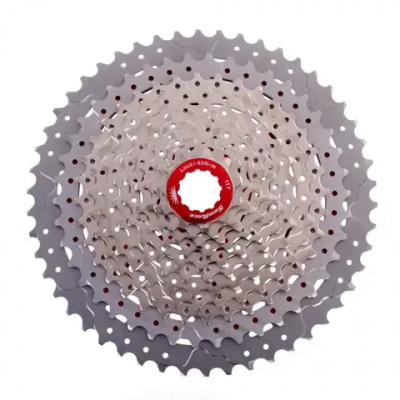
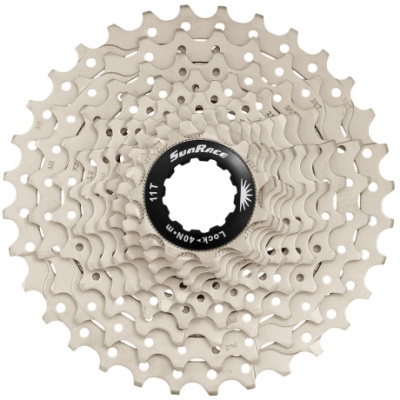
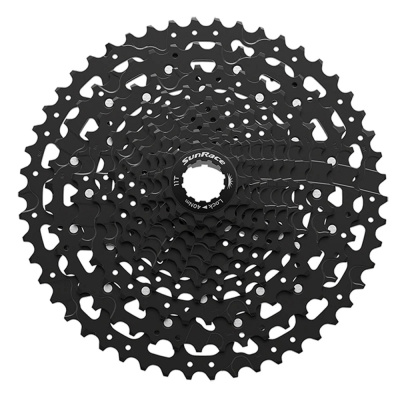
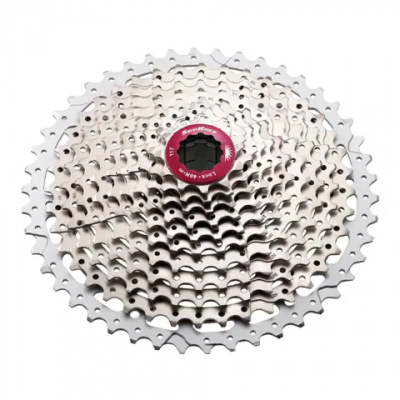
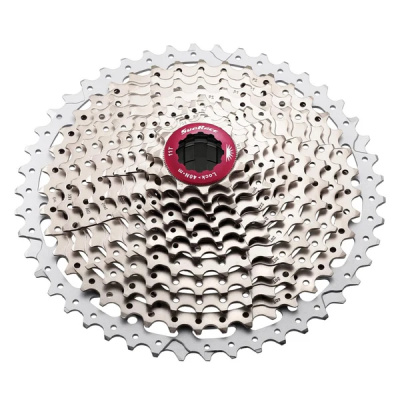
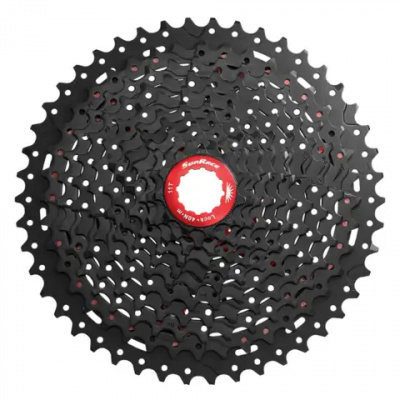
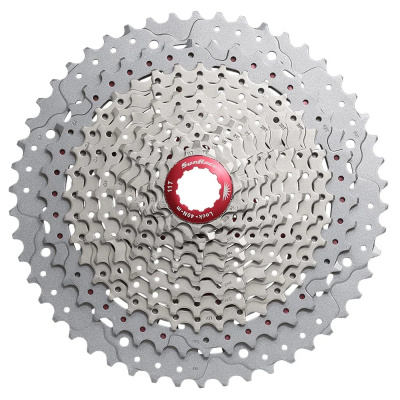
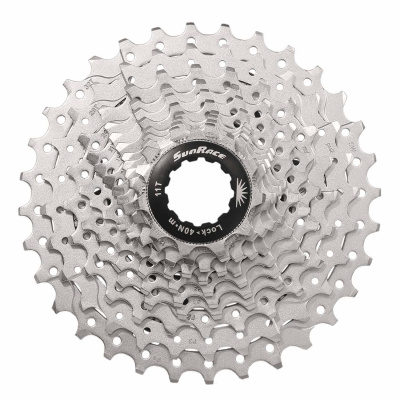
Sunrace 11 Speed Cassettes have quietly become the go-to choice for riders who want a wide-ratio 1x11 setup without binning a perfectly good freehub. Ranges stretch to a massive 11-50T, giving you the climbing gears you need for the steeper stuff - think Hardknott Pass gradients or relentless Highland switchbacks - without the cost and faff of moving to a proprietary SRAM XD or Shimano MicroSpline freehub body. These cassettes slot straight onto a standard Shimano HG splined freehub, which covers the vast majority of bikes already out there.
Sunrace's Fluid Drive Plus technology profiles each cog with optimised shift ramps so the chain moves cleanly between gears even when you're grinding under load - not just spinning on the flat. That's a genuine functional difference, not badge engineering. The range splits neatly between the all-steel MS series, which is built to absorb winters and e-bike torque without complaint, and the lighter MX series, which uses alloy spiders to shed weight and protect your freehub body. Whether you're replacing a cassette that's finally given up after a grim season of Peak District mud, or speccing a gravel build from scratch, there's a Sunrace option worth comparing.
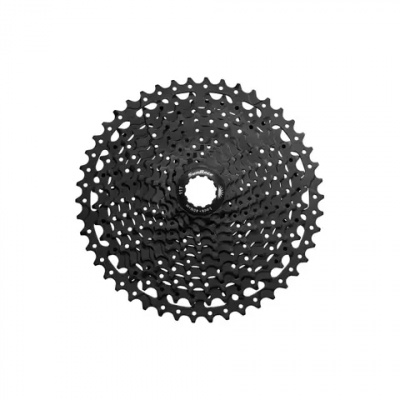
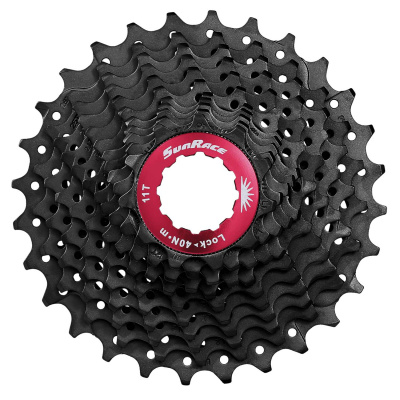
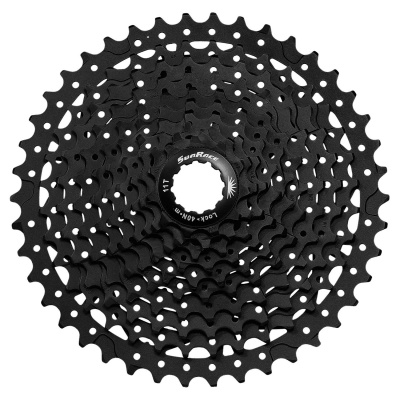
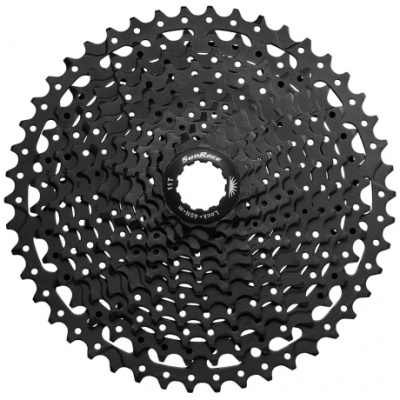
Prices and availability can change quickly. Delivery charges are not always included in listed prices.
Final price, stock status and delivery terms are set by retailer. We may receive a commission on purchases made.
Will It Fit? Compatibility Explained
The short answer: if your bike runs a standard Shimano HG splined freehub, a Sunrace 11 speed cassette will drop straight on. That covers an enormous proportion of MTB, gravel and road bikes sold in the UK over the last decade. What it won't cover is SRAM's XD driver - used on Eagle and older 11-speed X-Dome cassettes - or Shimano's MicroSpline body found on XT M8100 and above. Check your freehub before you buy. One quick visual tells you everything: HG bodies have the distinctive spline pattern; XD bodies look like a smooth threaded cylinder.
Beyond the freehub, the bigger consideration when running a Sunrace 11 wide ratio cassette up to 46T or 50T is your rear derailleur. A short or medium cage simply won't have enough wrap capacity. You need a long-cage SGS derailleur - Shimano XT, GX Eagle in a pinch on a mixed build, or similar - and you'll need to revisit your b-tension screw adjustment to keep the guide pulley clear of that enormous low cog. Get the b-tension wrong and shifting in the easy gears becomes sluggish at best, a skipping mess at worst. It's a five-minute job with a derailleur alignment gauge once you know what you're doing.
On the shifter and derailleur side, Sunrace 11-speed cassettes are fully cross-compatible with both Shimano and SRAM 11-speed groupsets. The cog spacing and cable pull ratio match up cleanly. Riders running Shimano 11-speed or SRAM 11-speed drivetrains can both benefit without any additional adapters. If you're only after a replacement lockring or a single worn cog, head to our Cassette Spares section - swapping individual components rather than a whole cassette can make sense when the rest of the block still has life in it.
MS vs MX: Knowing Which Series to Pick
Sunrace's 11-speed range divides into two clear tiers, and understanding the difference saves you either overspending or buying the wrong tool for the job. The MS series - the CSMS8 being the most widely stocked example - uses all-steel cogs pinned together into a solid, chunky block. It's heavier than the competition at that price point, but that weight comes with a payoff: steel cogs resist the kind of accelerated wear that kills alloy alternatives when grit gets involved. E-bike riders and anyone commuting or riding year-round through winter take note. The MS series handles torque and abuse without drama.
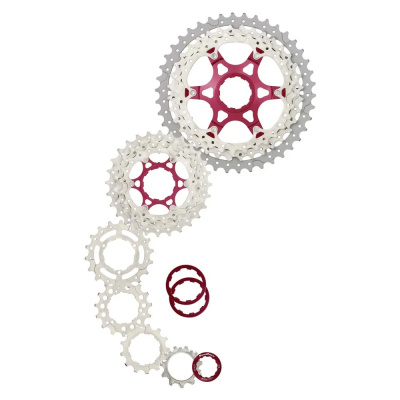
The MX series, typified by the CSMX8, is where the engineering gets more interesting. Dual Alloy Spider Design replaces the solid steel construction with alloy carrier spiders for the mid-range cogs, cutting meaningful grams from the overall package and - critically - preventing the cassette from digging into alloy freehub bodies under repeated hard loading. The largest cog is machined from A7075 aluminium, the same grade used in higher-end groupsets, which balances weight savings against the durability demands of that low gear. If you're running a dedicated trail or gravel bike and weight is a factor, the MX series is the sensible step up. If you're hacking through winter or running an e-MTB, the MS series will likely outlast it and cost you less when it's time to replace.
Both series share Sunrace's Fluid Drive Plus gear profiling - the ramp and pin geometry that guides the chain from cog to cog under load. It's the kind of detail that makes a difference when you're halfway up a climb and need a gear shift to actually happen cleanly rather than hesitate. For context, e*thirteen and Miche occupy similar ground in the value-to-performance bracket, but Sunrace's HG compatibility and wider retail availability give it a practical edge for most UK buyers.
UK Winters, Drivetrain Wear and Keeping It Running
A wet October ride in the Brecon Beacons or a muddy November bash around Cannock Chase does more damage to a drivetrain than a full summer of dry riding. Grit suspended in mud acts as a grinding compound between chain and cog, and most riders underestimate how quickly that eats into a cassette. Sunrace's all-steel lower-tier cassettes hold up notably well in these conditions compared to cassettes that use alloy cogs throughout - there's simply more material to wear through before shifting degrades.
The single most effective thing you can do to protect a new cassette is fit a new chain at the same time. A worn chain has stretched links that accelerate wear on fresh cogs at a disproportionate rate - you can lose weeks of cassette life in just a few muddy rides. Check chain wear with a basic checker before you buy; if it's past 0.75%, it's coming off with the old cassette. Pairing your new Sunrace cassette with a fresh Sunrace chainring and matching chain from a compatible 11-speed set keeps the wear rates consistent across the drivetrain and makes the next service interval more predictable.
Cleaning intervals matter too. After every muddy ride, a quick rinse and re-lube of the chain goes a long way. Let dried mud cake around the cassette and you're accelerating wear on every cog simultaneously. A narrow brush gets into the cog spacing easily - no special tools needed. If you're running a Sunrace chainset alongside, the cog-to-ring mesh stays consistent and you get the full benefit of Fluid Drive Plus shifting across the whole drivetrain.
Sunrace 11 Speed Cassettes FAQs
Are Sunrace 11 speed cassettes compatible with Shimano and SRAM?
Yes. Sunrace 11-speed cassettes use the same cog spacing and cable pull requirements as both Shimano and SRAM 11-speed drivetrains, so they work with either brand's shifters and derailleurs without modification.
What freehub body do I need for a Sunrace 11 speed cassette?
You need a standard Shimano HG splined freehub body. Sunrace 11-speed cassettes won't fit SRAM XD drivers or Shimano MicroSpline bodies - check your hub before ordering.
Do I need a longer chain when upgrading to a Sunrace 11-50T cassette?
Almost certainly yes. Moving from an 11-42T to an 11-46T or 11-50T increases the circumference of the low gear significantly, and your existing chain will likely be too short to wrap it safely. Fit a new, correctly sized chain at the same time.