
Miche 11 Speed Cassettes
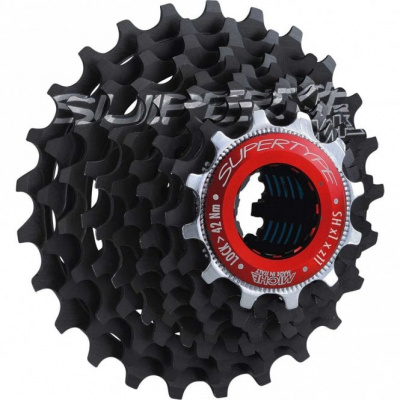
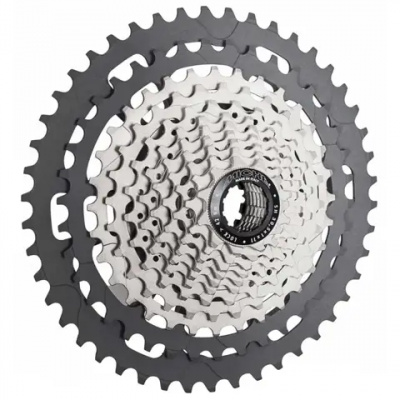
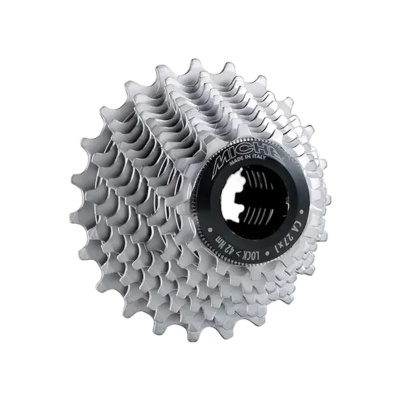
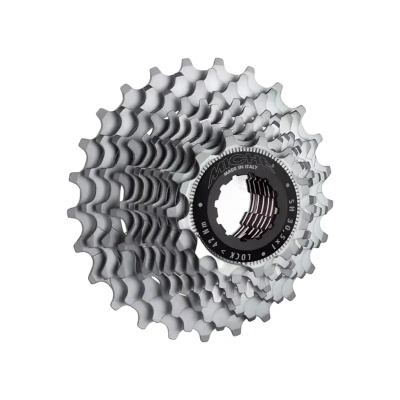
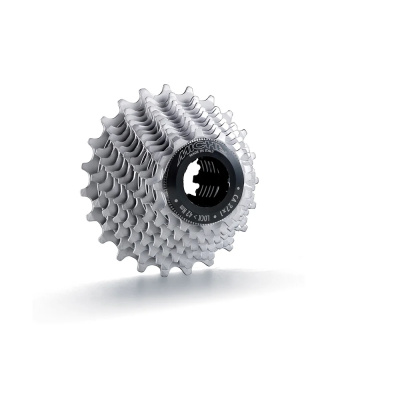
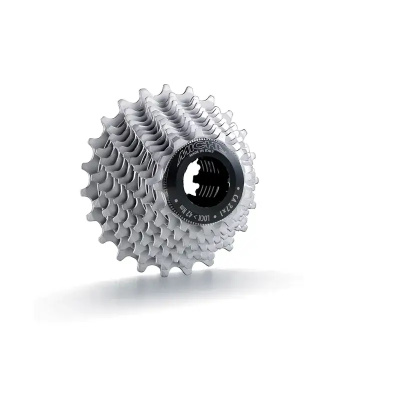
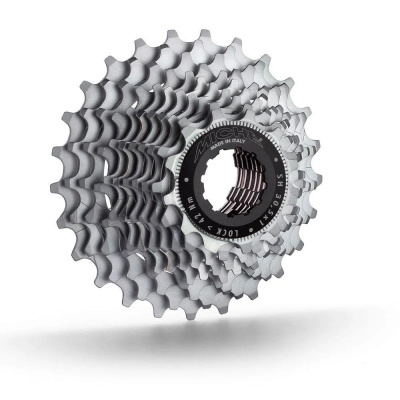
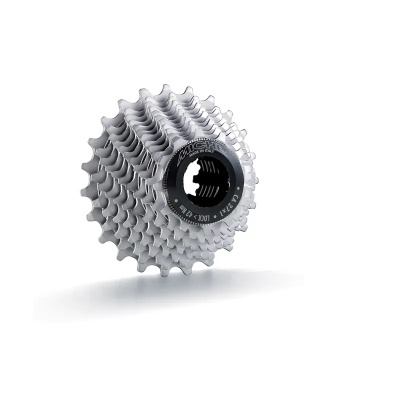
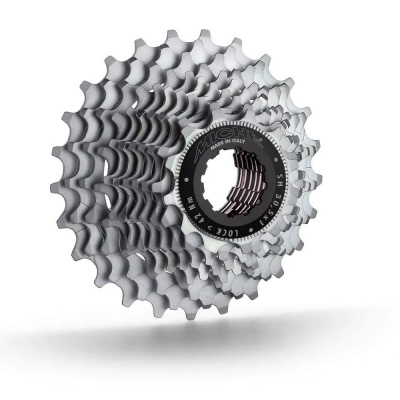
The Miche 11 speed cassette does something no Shimano or Campagnolo block will let you do: replace only the sprockets you've actually worn out. For UK riders grinding through winter base miles, that's not a minor convenience - it's a genuine cost-saver. When your 15T and 17T are shot from months of grit-laden roads and the rest of the block is fine, you swap those specific cogs and move on. No binning a perfectly good cassette.
Miche produces two distinct 11-speed ranges. The Miche Primato 11 speed cassette uses nickel-plated steel throughout, making it the natural choice for training and winter riding where durability matters more than grams. The Miche Light 11 speed cassette brings AL 7075-T6 alloy into the largest cog and lockring, trimming weight for summer climbing without compromising the drivetrain contact points that actually wear.
Critically, Miche manufactures separate versions for Shimano HG and Campagnolo freehub bodies - a detail that matters enormously if you're running a Campag groupset and don't fancy paying Chorus prices every season. The opaque chrome and nickel finish also gives these cassettes a fighting chance against the salt and damp that defines riding in Britain for roughly nine months of the year.
Prices and availability can change quickly. Delivery charges are not always included in listed prices.
Final price, stock status and delivery terms are set by retailer. We may receive a commission on purchases made.
Shimano HG or Campagnolo: Getting the Right Fit First Time
This is the one thing worth double-checking before you buy. Miche's 11-speed range splits cleanly into two compatibility families, and mixing them up means a cassette that won't seat properly or shift cleanly. The Shimano version is built around standard HG splines - the same interface used by Shimano 11 speed cassettes and compatible with SRAM freehub bodies too. Slide it on, torque the lockring, and your existing 11-speed Shimano or SRAM derailleur will index it without drama.
The Campagnolo version is a different animal. It uses the deeper, narrower Campagnolo spline pattern that only seats on a Campag-specific freehub body. You can't force a Campag-fit cassette onto an HG freehub - it physically won't go. What makes the Miche a compelling Miche 11 speed Campagnolo cassette alternative is that it costs meaningfully less than a genuine Chorus or Record block while still using the correct spline geometry and spacer stack to match Campagnolo's derailleur pull ratios precisely.
Those spacers matter more than they might look. Shimano and Campagnolo derailleurs move the chain by different amounts per click, so the spacing between sprockets has to be calibrated accordingly. Miche uses specific spacers - often colour-coded or stamped - to ensure the inter-sprocket gaps match your system's pull ratio. Fit the wrong spacer stack and you'll get ghost shifts regardless of how carefully you index the derailleur. Lockring threads also differ: Shimano uses a standard thread, Campagnolo a different pitch, so the cassette removal tool you use also needs to match. Check both before you order. If you're running a Campagnolo hub, Miche's own hub range is worth a look as a natural pairing.
Primato vs Light: Choosing Your Tier
Think of these two ranges as training tyre versus race tyre logic applied to cassettes. The Miche Primato 11 speed cassette uses nickel-plated steel for every sprocket across the block. Steel wears more slowly under load, handles grit better, and doesn't creak or flex when you put real torque through it on a long drag. If you're doing the bulk of your miles October through March - roads like a wet gravel car park, chain lube turning grey within twenty minutes - Primato is the practical call.
The Miche Light 11 speed cassette takes the same construction and swaps the final large-position sprocket and lockring for hard-anodized AL 7075-T6 alloy. That's the cog you're using most when the road kicks up - a lighter component there where rotational mass is furthest from the axle makes a noticeable difference on steep climbs. The middle sprockets, where most wear actually accumulates, remain nickel-plated steel. You get a weight reduction where it counts without sacrificing the durability of the gears you're pedalling hardest.
Who should choose what? If the bike rarely sees dry tarmac and you're logging big base miles, Primato's steel construction and lower price point make sense. If you're building a summer race or sportive wheelset - pairing it with Miche road wheels, say - the Light's alloy touches shave grams in the right places. The shifting ramps are consistent across both ranges, so you're not compromising on feel either way. Compare with what Sunrace 11 speed cassettes offer at a similar price bracket if you want a broader picture, though Miche's individual sprocket system gives it a clear practical edge for high-mileage riders.
UK Conditions, Wear Patterns, and Making the Most of Individual Sprockets
British roads in winter are essentially a slow-motion grinding machine for drivetrain components. Grit and road salt bond to chain lube and work their way between the chain rollers and sprocket teeth. The middle of the block - typically the 15T through 19T range - takes the heaviest punishment because that's where most riders spend the majority of their time on flat and rolling roads. A conventional cassette becomes landfill the moment those cogs are too worn to shift cleanly, even if the big climbing sprockets are barely touched.
Miche's Individual Sprocket System cuts through that logic entirely. Because the sprockets aren't pinned or riveted to a carrier spider, you can pull the block apart, identify the worn cogs, and replace only those. Order a replacement 15T and 17T, restack the cassette, torque the lockring, and you're back on the road. Over a full winter season, that approach can save a significant amount versus buying two or three complete cassettes. It also makes it practical to build a custom ratio 11 speed cassette - useful if your regular route has a specific climb that sits awkwardly between two stock gear steps.
For maintenance, the nickel-plated steel finish resists corrosion better than bare steel, but it's not impervious to the salt-laden air you get on coastal rides or the spray off a wet A-road. Degrease the cassette properly every few weeks in winter, dry it before re-lubing the chain, and the finish will last. More importantly, monitor chain wear with a checker and replace the chain at 0.5% stretch. Running a worn chain beyond that point accelerates sprocket wear dramatically - a fresh chain on a worn cassette will skip, and no amount of indexing fixes that. Always fit a new chain when you replace the cassette; fitting a used chain on new sprockets causes premature wear almost immediately. Check our Miche 12 speed cassettes and Miche 10 speed cassettes if your drivetrain sits outside the 11-speed standard. For riders weighing the full aftermarket cassette landscape, Campagnolo 11 speed cassettes and SRAM 11 speed cassettes are the natural OEM alternatives, though neither offers the same sprocket-by-sprocket replacement flexibility.
Miche 11 Speed Cassettes FAQs
Are Miche cassettes compatible with Shimano 11 speed?
Yes. Miche produces a dedicated Shimano-compatible 11-speed cassette built around standard HG splines, which also fits SRAM freehub bodies. The key is selecting the correct variant - the Campagnolo version uses a different spline pattern and spacer stack, and the two are not interchangeable.
Can I use a Miche cassette on a Campagnolo 11 speed drivetrain?
Yes. Miche makes a dedicated Campagnolo-fit 11-speed cassette with the correct deeper spline pattern for a Campag freehub body. It uses specific spacers calibrated to Campagnolo's derailleur pull ratios, so shifting stays accurate. It won't fit a standard Shimano HG freehub.
Can you replace individual sprockets on a Miche cassette?
Yes, and it's one of the main reasons riders choose Miche. The sprockets are individual rather than riveted to a carrier, so you can disassemble the block, swap only the worn cogs - typically the 15T to 19T range after a hard winter - and restack the cassette. It's a practical way to extend the life of a cassette significantly.