
Surly MTB Tyres
Surly MTB tyres occupy a peculiar and well-earned corner of the market - they didn't follow the plus-size and fat bike revolution, they started it. While other brands were still debating whether 2.4 inches was bold, Surly were already pressing 4.8-inch rubber and rewriting what a mountain bike could float over. The focus here has never been chasing grams. It's about traction you can lean on, casings that laugh off South Downs flint, and volumes of rubber that find grip where narrower tyres simply spin and sink.
The range splits neatly between aggressive trail rubber - the Dirt Wizard being the go-to for steep, loamy British singletrack - and the wider, expedition-ready fat bike options like the Nate and Edna, which run at pressures so low they feel more like suspension than tyres. In between sits the Knard, a fast-rolling option that suits bikepacking riders who need volume without the rolling resistance penalty of a full mud-plugger.
Most modern Surly tyres use tubeless ready beads, and you can choose between a robust 60tpi casing or a supple 120tpi depending on whether durability or trail feel matters more to you. Compare UK prices across the full lineup below.
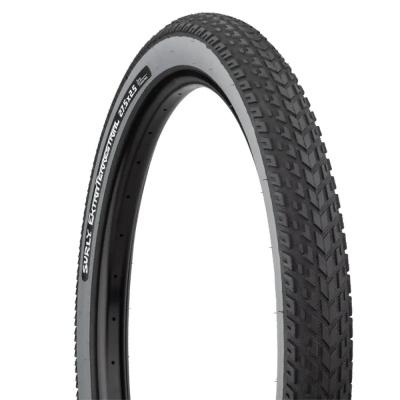
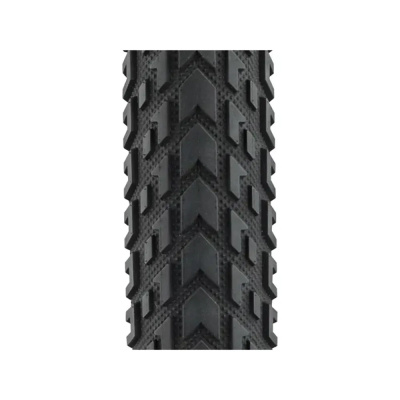
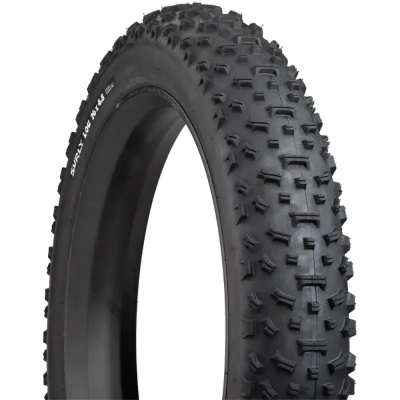
Prices and availability can change quickly. Delivery charges are not always included in listed prices.
Final price, stock status and delivery terms are set by retailer. We may receive a commission on purchases made.
Fitting High-Volume Rubber: Clearance, Rims and Spacing
Before you get excited about tyre choice, sort your clearance situation first. Surly's plus-size tyres - those running between 2.8 and 3.0 inches - need internal rim widths in the i35mm to i45mm range to hold the tyre profile correctly. Drop them onto a standard 25mm internal rim and the sidewalls pinch inward, ruining the rounded footprint that makes plus-size rubber worth running in the first place. Hard cornering on an under-width rim also risks burping or rolling the tyre entirely. Get the rim width right and the whole thing clicks into shape.
Fat bike rubber - the 3.8-inch to 4.8-inch stuff used on models like the Nate and Edna - needs dedicated fat rims, typically 65mm to 100mm internal width. Frame and fork clearance becomes the real limiting factor here. Boost (148mm rear) spacing handles most plus-size builds, but genuine fat bike setups often require Super Boost or dedicated fat-specific dropouts. Check your frame's published tyre clearance figure, then subtract 5mm as a working margin for mud and cable routing. Tight frame clearances that look fine in a dry showroom clog solid in Peak District clay.
Tubeless tape width matters more on fat rims than anywhere else. A standard 25mm or 30mm tape strip won't cover a 65mm internal channel. You need tape that matches or slightly exceeds the internal rim width, applied in two overlapping passes on the widest rims. Fat bike tyres also need a disproportionately large volume of sealant to seal properly - more on that below. If you're building up a Surly mountain bike from scratch, the frame and fork will already be specced for the intended tyre width, which simplifies the whole process considerably.
Tread Patterns and Casings: What's What in the Surly Lineup
The Dirt Wizard is the one most UK trail riders reach for first, and with good reason. Its large, widely spaced knobs are designed to shed clay and wet loam quickly - the gaps between knobs are as important as the knobs themselves when you're riding anything from Welsh red routes to North York Moors bridleways in November. It runs in both 26-inch, 27.5-inch and 29-inch diameters across plus and standard widths, which gives it unusual versatility in the Surly range.
The Knard sits at the opposite end of the aggression scale. Its low-profile, closely packed tread rolls efficiently on hardpack and gravel, making it a natural fit for bikepacking builds or long-distance riders who spend more time on doubletrack than rooted woodland singletrack. It's one of the tyres that helped define the 29+ standard alongside Surly's broader plus-size work - a significant contribution that WTB and others have since built on with their own plus offerings.
For fat bikes, the Nate is the mud-orientated choice - open, aggressive tread that clears gloop at the low pressures fat riding demands. The Edna runs a tighter, more versatile pattern suited to mixed surfaces including packed snow, gravel and soft ground. Both measure 4.8 inches wide and are tubeless ready, though they demand a serious sealing setup to work properly.
Casing choice cuts across the whole range. The 60tpi option uses thicker individual threads woven less densely, which produces a heavier but noticeably more resistant sidewall - the right call on rocky trails where flint or sandstone edges could slash a finer casing. The 120tpi casing uses finer threads at higher density, giving you a lighter, more pliable tyre that conforms around wet roots and irregular surfaces with noticeably better feel. If you're on a pointed, rocky trail like the gritstone edges of the Dark Peak, the 60tpi is the safer bet. If you're riding smoother, wetter trails where sensitivity matters more than armour, the 120tpi rewards you. Brands like Maxxis and Continental offer similar casing tier choices, so the trade-off logic translates if you're shopping across brands. The folding bead on higher-spec Surly tyres also saves a small but real amount of weight over wire bead versions - worth knowing if you're building a light bikepacking setup rather than a bomber winter trainer.
Running Surly Rubber Through UK Winters: Sealant, Mud and Maintenance
Standard tubeless sealant guidance doesn't scale to fat and plus-size tyres. A 29-inch trail tyre in a conventional 2.3-inch width might need 60ml to 80ml of sealant to seal reliably. A 29+ tyre needs around 120ml as a starting point, and a fat bike tyre in the 4.8-inch range can need 200ml or more. The internal air volume is simply much larger, and the sealant needs to coat the entire casing. Skimping here is the most common reason a fat bike tyre refuses to seat tubeless. Top up every three to four months, or more frequently if you're riding through winter when temperature swings accelerate sealant drying.
The Dirt Wizard's knob spacing is not accidental. Deep UK mud - the kind that builds into solid platforms on shallow-knobbed tyres within half a lap - packs briefly into the Dirt Wizard's open channels before centrifugal force flings it clear on the next revolution. It's not magic; it's geometry. That said, if you're running it in chalk country like the South Downs, the 60tpi casing is worth prioritising. Chalk flint is sharp enough to slice a sidewall on a single unlucky strike, and the thicker 60tpi construction absorbs that risk better than the more supple 120tpi option.
Wet roots - abundant on most British woodland trails from October through April - are where low-pressure, high-volume tubeless setups genuinely earn their keep. The tyre deforms around the root rather than skimming over it, and the contact patch stays on the ground rather than bouncing clear. To make that work, your rim needs to be tubeless ready with the correct internal width, taped properly, and running enough sealant to keep the setup airtight under flex. Check the Surly hub compatibility if you're building up a dedicated fat bike wheel - the hub flange spacing affects which rim widths work cleanly. If you're pairing a Surly tyre with a non-Surly frame, also verify the Surly frame clearance figures as a reference point for what the tyres are designed to work within. For a broader look at what else sits in the plus-size and fat-adjacent space, Teravail makes a useful comparison - their Coronado and Ehline offer a different take on the same high-volume tubeless brief.
Surly MTB Tyres FAQs
Are Surly tyres tubeless compatible?
Most current Surly mountain and fat bike tyres use tubeless ready beads, so yes - but you need a compatible tubeless rim, correctly sized rim tape covering the full internal channel, and enough sealant to coat the larger casing volume. Fat bike tyres in particular need 200ml or more to seal reliably. Don't shortchange the sealant.
What is the difference between 60tpi and 120tpi Surly tyres?
TPI refers to how many threads are woven per inch of casing. The 60tpi uses thicker threads, producing a heavier but tougher sidewall that resists cuts from sharp rocks and flint - good for gritstone or chalk-flint trails. The 120tpi uses finer threads for a lighter, more supple casing that conforms better to wet roots and uneven surfaces, giving you more feel and grip on technical wet trails.
Do Surly plus-size tyres fit standard mountain bike rims?
Not ideally. Surly plus-size tyres in the 2.8 to 3.0 inch range need internal rim widths of roughly 35mm to 45mm to hold the correct profile. Standard trail rims at 25mm to 30mm internal width will pinch the tyre, flatten the contact patch, and increase the risk of the tyre rolling under hard cornering. You need wider rims to get the geometry - and the grip - working as intended.