
Teravail MTB Tyres
Teravail MTB tyres have carved out serious respect among trail riders by doing something refreshingly straightforward: obsessing over ride feel, compound quality, and casing honesty rather than chasing spec-sheet numbers. Where a lot of tyre brands offer you one casing and call it done, Teravail gives you a genuine choice - Light & Supple for compliance and low weight, or Durable for protection against the sharp stuff. That distinction matters more than most riders realise until they're patching a slashed sidewall on a wet Welsh descent.
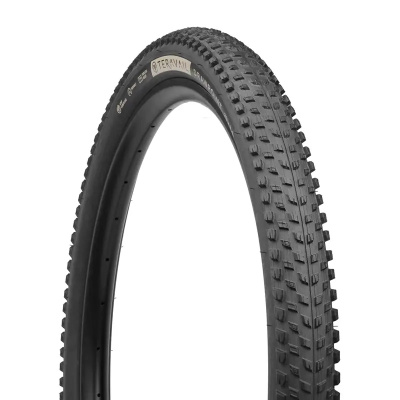
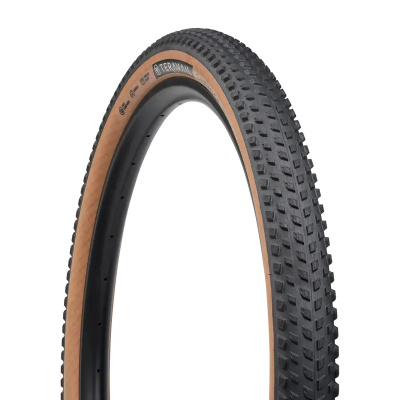
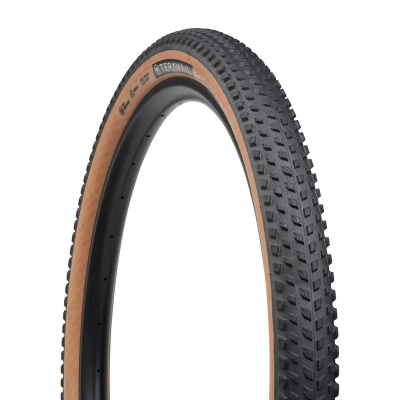
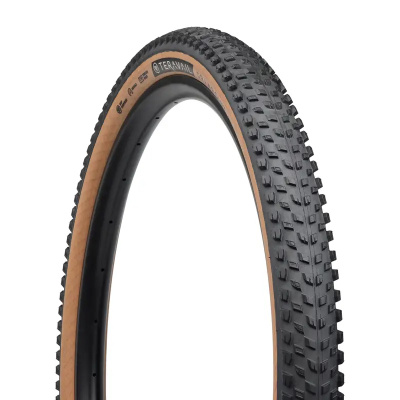
The range covers three clear MTB roles. The Kessel is the aggressive, dig-in enduro option. The Honcho sits in the trail-all-rounder slot. The Ehline rolls fast enough for downcountry and XC days when you want pace without sacrificing confidence. Each comes in both casing flavours and with a choice of rubber compound - Grip Compound for wet roots and slick rock, or Fast Compound where rolling speed takes priority over raw grip.
For UK riders dealing with Peak District grit, Lakeland slate, or the relentless wet-root lottery of most British trail centres between October and April, getting that casing and compound combination right is the difference between a setup that works and one that just looks good in the shed. Browse the latest prices across the full Teravail MTB range below.
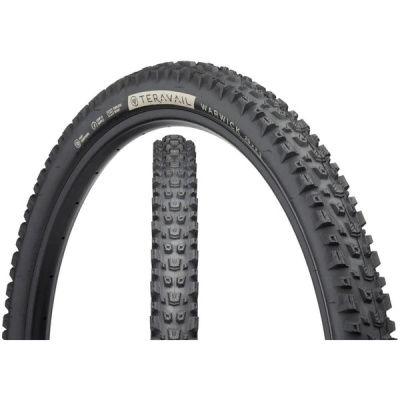
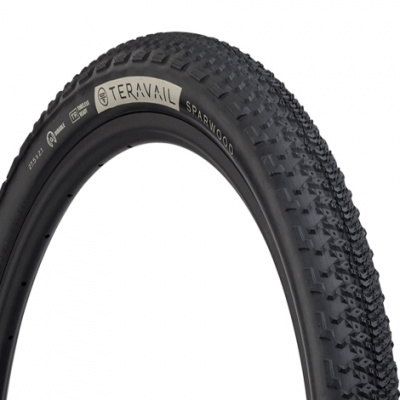
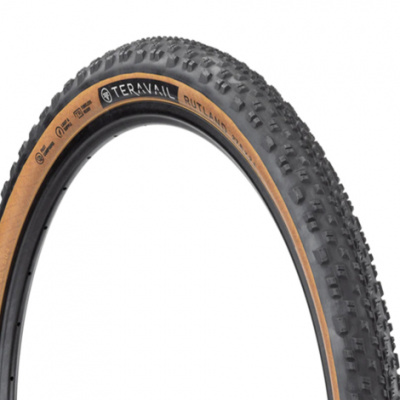
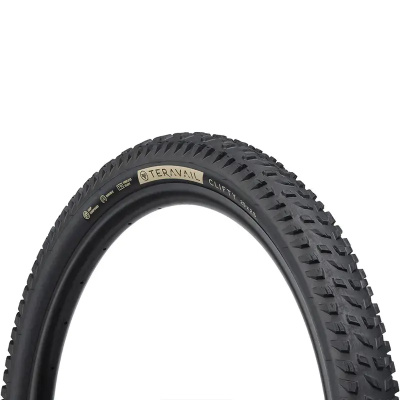
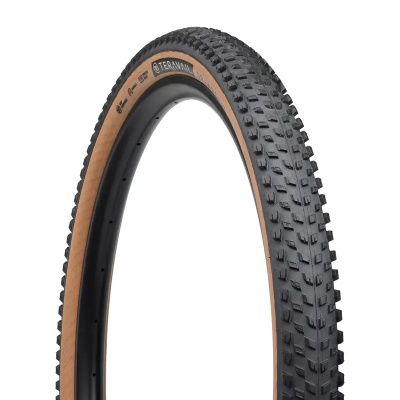
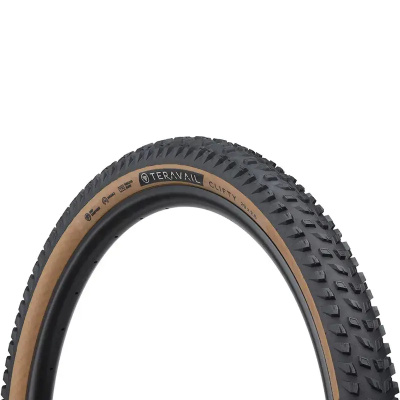
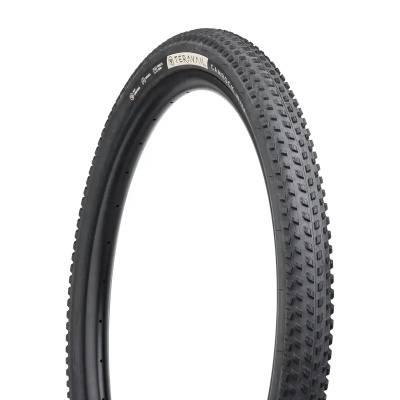
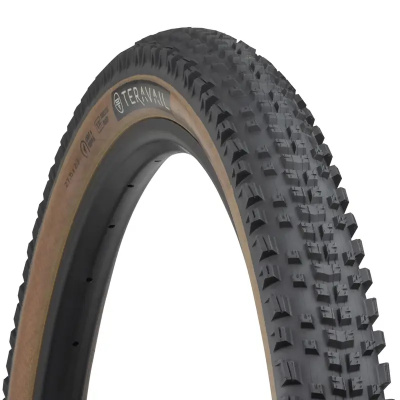
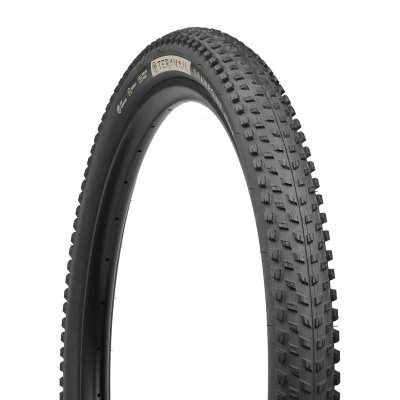
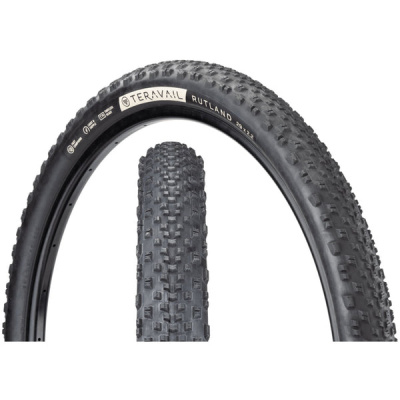
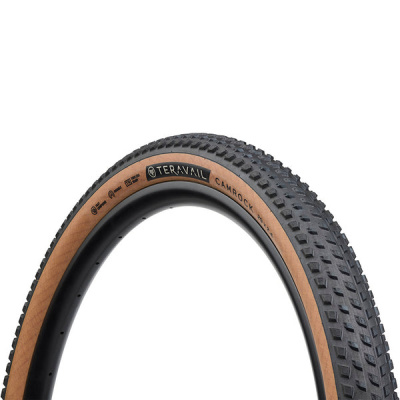
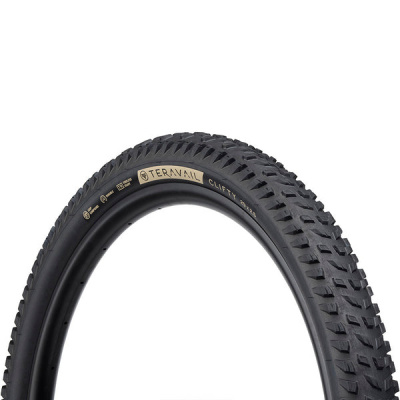
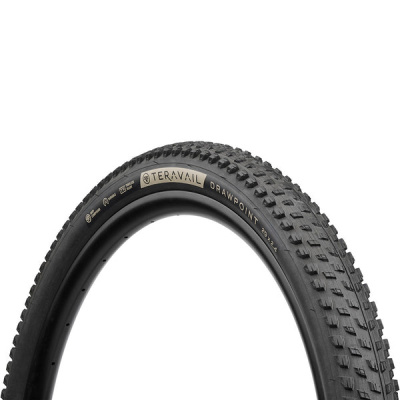
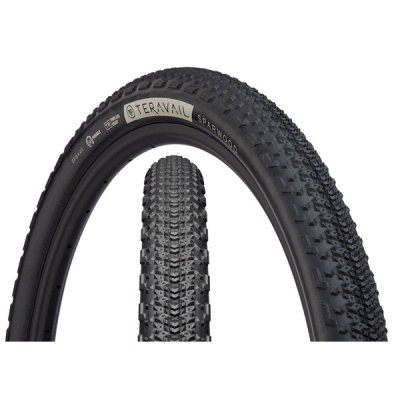
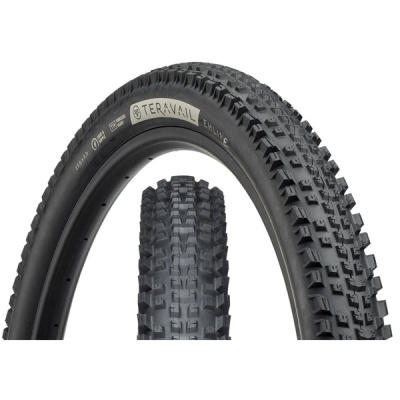
Prices and availability can change quickly. Delivery charges are not always included in listed prices.
Final price, stock status and delivery terms are set by retailer. We may receive a commission on purchases made.
Getting the Fit Right: Rim Width, Bead Seating, and Tubeless Basics
Teravail MTB tyres are built around modern internal rim widths - the sweet spot is broadly 25mm to 35mm internal. Run a 2.6" tyre on an older sub-25mm rim and the casing can't open up properly; you end up with a rounded, lightbulb profile that wanders and squirms when you lean into a corner. Check your rim specs before you buy. It sounds obvious, but it's the kind of thing that only becomes obvious after a confusing first ride.
All current Teravail mountain bike tyres are tubeless ready, with a folding bead designed to seat against a tubeless-prepped rim. The Light & Supple casing seats relatively easily with a decent track pump - though a high-volume floor pump or a blast from a compressor makes the job far less frustrating. The Durable casing is stiffer by design, so a compressor is worth having to hand, especially on first fit. Get the bead seated evenly before you start worrying about pressure; an uneven seat is how you end up with a wobble at speed that feels like a buckled wheel until you figure out what's actually going on.
Internal rim width also affects your effective tyre width once inflated. A 2.4" Kessel on a 30mm internal rim will measure wider than the same tyre on a 25mm rim - worth knowing if you're working around tight frame clearances. Running pressures vary by rider weight, casing, and conditions, but most UK trail riders on a Durable casing are starting around 22 - 26psi front, 24 - 28psi rear as a baseline, then adjusting from there. The Light & Supple casing rewards slightly higher pressures to protect the sidewall on rocky ground.
Kessel, Honcho, and Ehline: Which One's Actually for You
The Teravail Kessel is the aggressive one. Tall, widely spaced lugs, pronounced shoulder blocks, and available with the soft Grip Compound - it operates in the same territory as a Maxxis Assegai or DHF. Loose-over-hard, steep chutes, chunk that demands you commit - this is where the Kessel earns its keep. In Durable casing it's a serious enduro front tyre. In Light & Supple it saves meaningful weight if you're running it on mellower long-travel trail days where protection matters slightly less than feel.
The Teravail Honcho is the one most UK trail riders will end up on. Ramped centre knobs keep rolling resistance honest on the flat connectors between the good bits, while the angular shoulder lugs grip when you tip it into a berm or drag a corner on wet hardpack. Think of it as the tyre that works on a Tuesday evening loop around the local woods and still holds up at a proper trail centre at the weekend. Compared to WTB's trail-oriented options, the Honcho tends to feel more planted in muddy conditions thanks to the Grip Compound's softer durometer - though Continental fans used to the Trail King will find the Honcho sits in a similar versatile bracket.
The Teravail Ehline is built for pace. Tighter, lower-profile tread, Fast Compound on the centre, and a profile that suits hardpack, dry loam, and cross-country-style riding where rolling resistance is the metric you care about. Pair it with a Honcho up front and you've got a quick-rolling rear with grip where it counts. It's worth noting that if you're after Teravail's off-road pedigree on drop bars, we have a separate page covering Teravail gravel and cyclocross tyres - the MTB range isn't the right tool for that job.
On casing choice: the Light & Supple casing uses uncoated sidewalls that flex with the trail surface. You feel more. The tyre moulds over small rocks and roots rather than skipping off them. It's lighter too, which matters on a longer climb. The trade-off is sidewall vulnerability - thin, uncoated sidewalls and sharp flint or slate don't mix well. The Durable casing wraps a woven nylon composite reinforcement through the sidewall and under the tread cap. It adds some weight and slightly firms up the ride, but it doesn't slash. For anything resembling technical rocky riding in the UK - the Peak District, Snowdonia, the Glyders, the South Downs on a dry day when the flint's sitting proud - Durable is the sensible call.
UK Conditions, Sealant Habits, and Keeping Tubeless Running Properly
British trails are genuinely hard on tyres. Sharp flint in the chalk downs, broken slate edges on Welsh descents, and gritstone edges in the Peak District will find weaknesses in a sidewall that softer, more rounded rock simply won't. If you're riding any of those regularly, the Durable casing isn't a luxury - it's just the right spec. The Light & Supple tan sidewalls look great, but a slash on a remote trail is a bad day out. Save the Light & Supple for lower-consequence riding or race days where weight is the priority and you're willing to accept the risk.
On tubeless maintenance: Teravail's supple casings - particularly the Light & Supple - can weep sealant slightly more than heavily vulcanised tyres in the first couple of weeks. This is normal. Top up your tubeless sealant after the first fortnight of riding, then settle into a 3 - 4 month refresh cycle through the season. In winter, cold temperatures accelerate sealant drying, so check levels more frequently. Spin the wheel before you head out on a ride you haven't done for a few weeks - you'll hear if the sealant has dried out. A tyre that won't seal a small puncture isn't a tyre problem at that point, it's a maintenance one.
If you're building a complete bike around Teravail rubber, it's worth thinking about bar and stem compatibility too - Teravail makes handlebars and stems that reflect the same philosophy of honest, well-engineered components without unnecessary fuss. Getting your cockpit dialled alongside your tyre choice is the kind of detail that adds up over a long day in the saddle.
One last practical note: TPI (threads per inch) affects both weight and compliance. Higher TPI casings in the Light & Supple range flex more easily, which is why they feel so alive under you on rooty singletrack. Lower TPI in the Durable casing contributes to its toughness. Neither is universally better - it's a deliberate trade-off, and Teravail is at least upfront about which direction each casing is tuned.
Teravail MTB Tyres FAQs
Are Teravail tyres tubeless ready?
Yes - every current Teravail MTB tyre is tubeless ready. Make sure your rim is properly taped and use a quality sealant. The Light & Supple casing may need a slightly more generous initial sealant charge to become fully airtight, and it's worth topping up after the first couple of weeks of riding before settling into a regular refresh cycle.
What is the difference between Teravail Light and Supple vs Durable casings?
Light & Supple uses uncoated sidewalls to keep weight down and let the tyre conform to the trail - you feel more of what's underfoot, in a good way. Durable adds a woven nylon composite layer through the sidewall and tread cap to resist slashing and pinch damage. For rocky UK riding - Peak District grit, Welsh slate, South Downs flint - Durable is the more practical choice.
Which Teravail tyre is best for aggressive trail riding?
The Teravail Kessel. It runs tall, widely spaced lugs with pronounced shoulder blocks, and in Grip Compound it hooks up well on loose, steep, and technical ground. In Durable casing it makes a strong enduro front tyre. If you're riding anything consequence-heavy - long descents, rocky technical lines - the Kessel in Durable is where we'd start.