
Teravail Gravel And Cyclocross Tyres
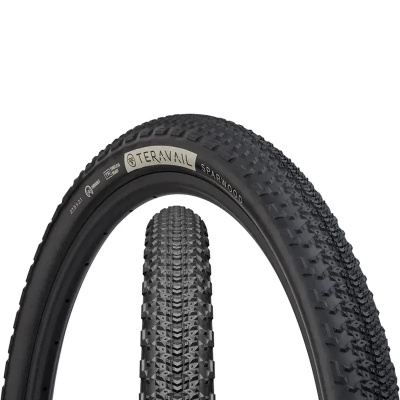
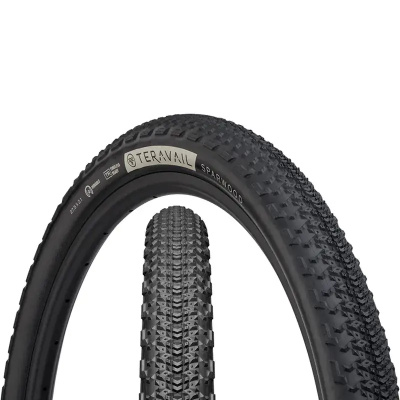
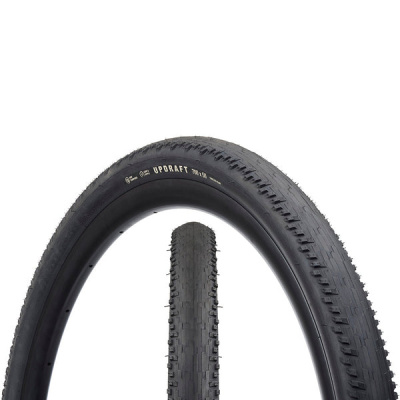
Teravail gravel and cyclocross tyres sit in a bracket where tread design and casing choice genuinely matter - not just on paper, but on the kind of mixed-surface riding that defines a British weekend out. Sharp South Downs flint, claggy Chilterns clay, wet chalk descents: the range is engineered with enough specificity that picking the right model actually changes your day. Teravail builds around two casing philosophies - Light and Supple for riders chasing feel and low rolling resistance, and Durable for those who'd rather not nurse a slashed sidewall home. Both are tubeless ready across the range, which means you can drop pressure into genuinely useful territory without the pinch-flat penalty. The tread lineup covers a proper spread: the Cannonball for mixed-surface all-rounder duty, the Rutland for winter mud and wet gravel, the Washburn for hardpack and tarmac-heavy routes, and the Sparwood for loaded bikepacking miles. Available in 700c and 650b, with widths to suit modern gravel frames and CX bikes alike. Use the listings below to compare across models, sizes, and casing tiers - and find the tyre that actually fits what you're riding.
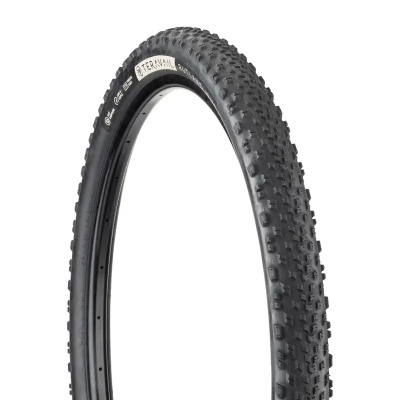
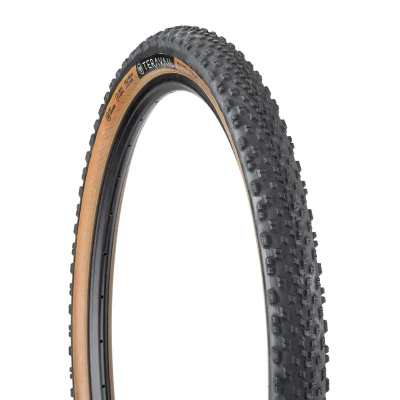
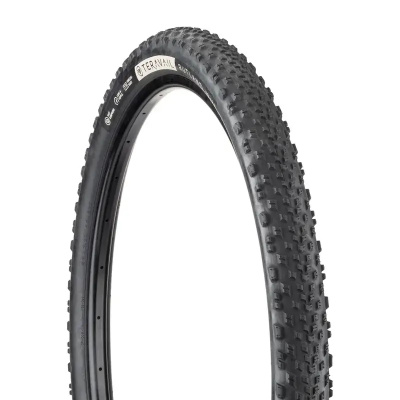
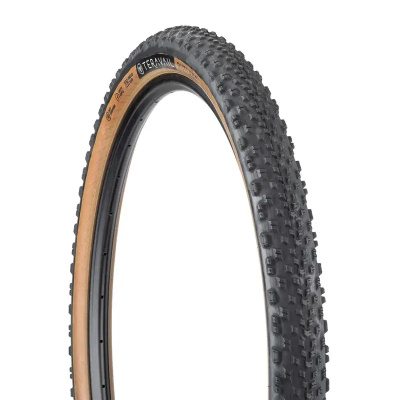
Prices and availability can change quickly. Delivery charges are not always included in listed prices.
Final price, stock status and delivery terms are set by retailer. We may receive a commission on purchases made.
Fitting Teravail Tyres: Rim Standards and Frame Clearance
All current Teravail gravel and cyclocross tyres are tubeless ready, and most are hookless rim compatible - but that last point needs a caveat. Hookless compatibility depends on the rim manufacturer's own pressure limits, which typically cap lower than hooked equivalents, often around 72.5 psi for gravel widths. Check your rim's spec sheet before you pump up, not after. Teravail publish their own hookless guidance per model, so it's worth a quick cross-reference if you're running a modern aero gravel wheelset.
The choice between 700c and 650b is largely a frame and geometry question. A 700c x 40mm tyre on a short-clearance CX frame might leave you with barely enough mud gap to function in winter - aim for at least 4 - 5mm of clearance between tyre and frame at the tightest point, more if you're regularly riding through the Peak District's clay-heavy bridleways. Drop to 650b and you gain volume and a lower bottom bracket, which can feel planted on technical descents, though taller riders sometimes notice a slightly dead steering response on faster gravel roads. Rim width matters too: a 21mm internal width is a reasonable minimum for 40mm+ tyres; go narrower and you're compromising the tyre's intended profile and contact patch shape.
If you're comparing against the broader gravel tyre market, WTB and Maxxis both offer hookless-ready options with similar width ranges - useful benchmarks when you're checking rim compatibility across brands.
Treads and Casings: What Each Teravail Model Actually Does
Start with the casing, then choose the tread - that's the order that makes sense with Teravail. The Light and Supple casing uses a high-TPI construction with no puncture belt between the rubber and the inner casing. The result is a tyre that conforms to the ground, drops rolling resistance, and feels genuinely lively on hardpack. The trade-off is vulnerability: a sharp flint edge or a jagged root can slash the sidewall in a way that sealant won't fully save you from. It's a casing for riders who know their routes and aren't regularly crossing flint-heavy chalk downs in the dark.
The Durable casing changes that calculation entirely. A woven nylon composite layer runs bead-to-bead, sitting between the outer rubber and the inner casing. That's bead-to-bead puncture protection in a meaningful sense - not just a central strip. It adds weight, and you'll notice fractionally more resistance on smooth tarmac sections, but on anything involving South Downs chalk tracks or the rocky bridleways of the Yorkshire Dales, it's the version that gets you home consistently. Think of it like choosing winter tyres for a car: slightly slower, significantly more capable when conditions turn.
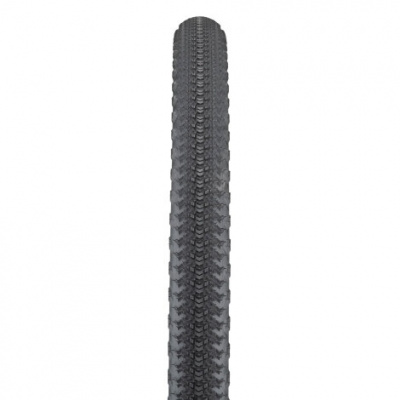
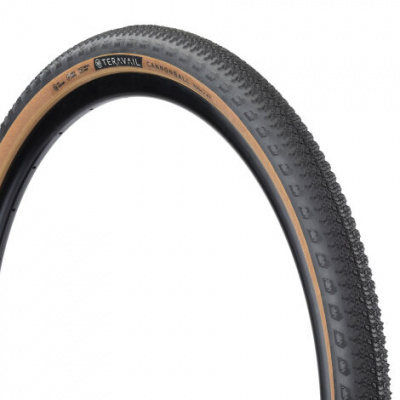
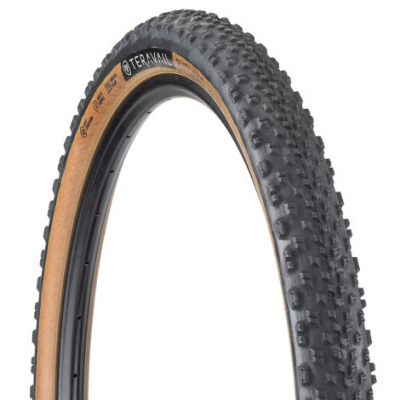
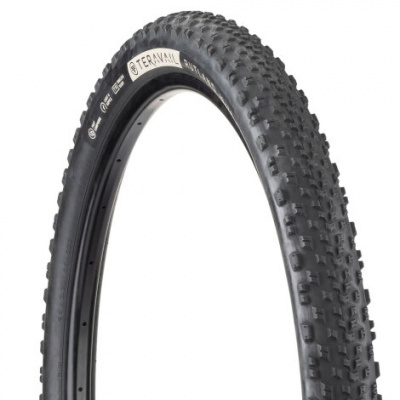
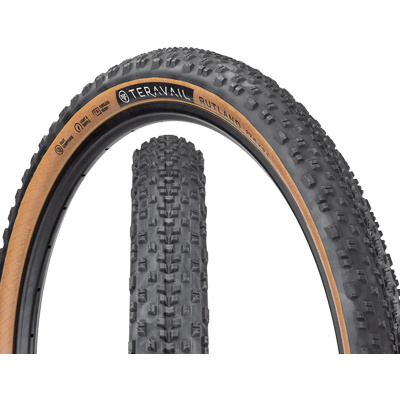
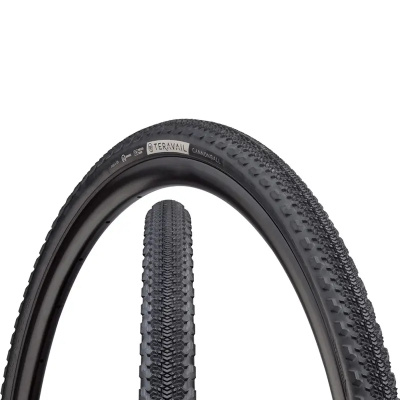
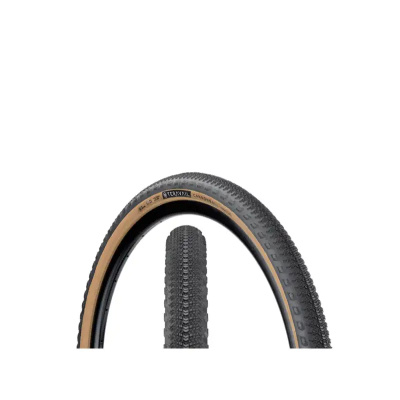
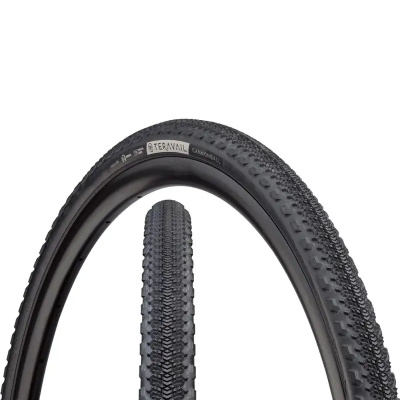
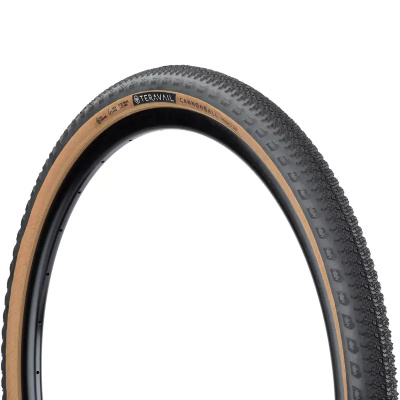
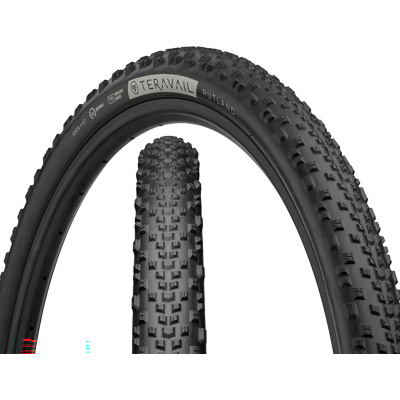
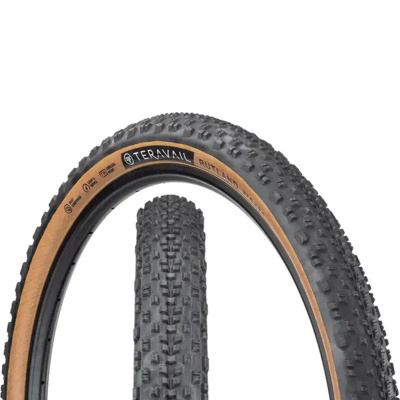
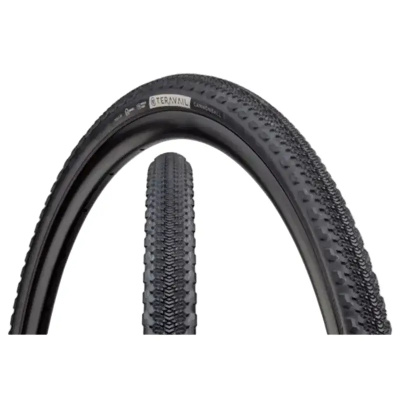
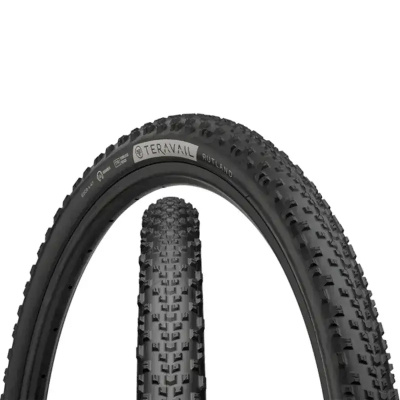
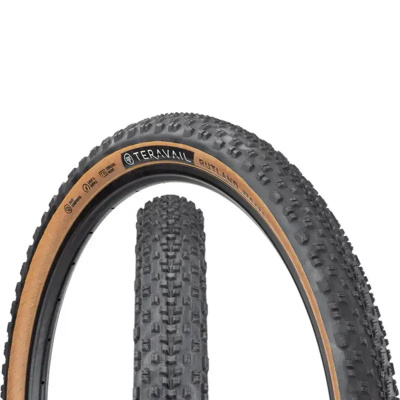
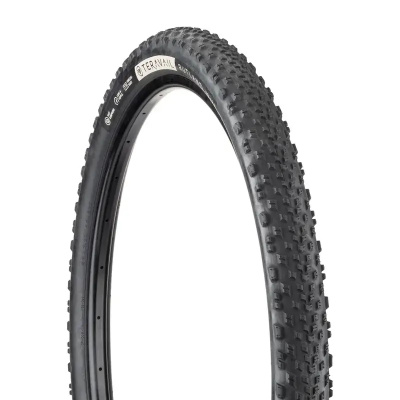
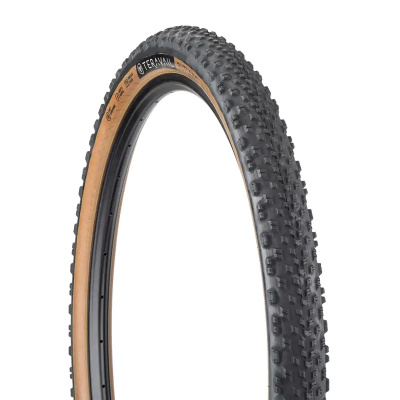
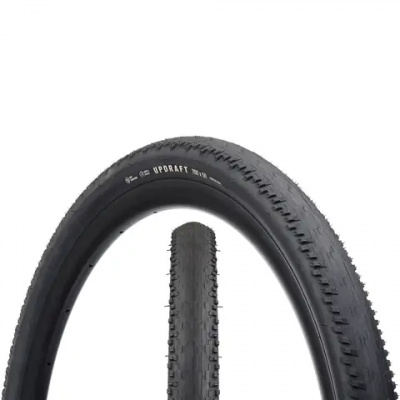
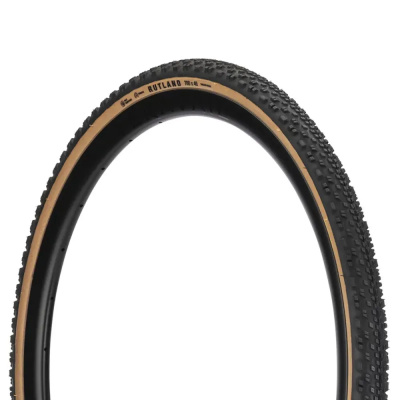
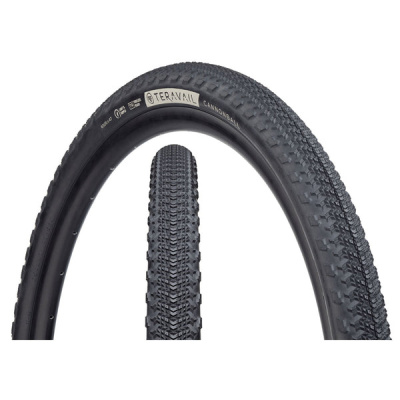
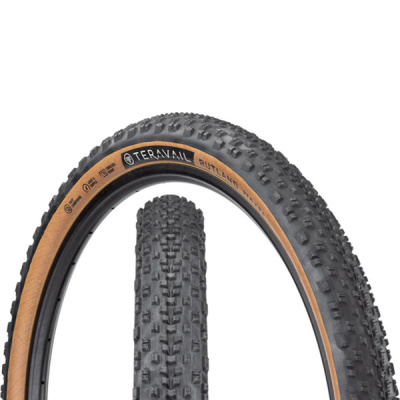
On the tread side, the Cannonball is Teravail's mixed-surface all-rounder. Ramped centre knobs keep rolling speed up on hardpack, with enough shoulder bite to hold a line in loose gravel. It's the tyre you'd spec if your rides blend lanes, bridleways, and byways without a clear bias. The Rutland goes further into aggressive territory - wide knob spacing designed to shed the sticky, peanut-butter mud you find in the Chilterns or on a wet Welsh track, with pronounced shoulders for braking traction when roots are involved. It's the tyre most relevant to best Teravail tyres for UK winter searches, and the answer holds up on technical ground.
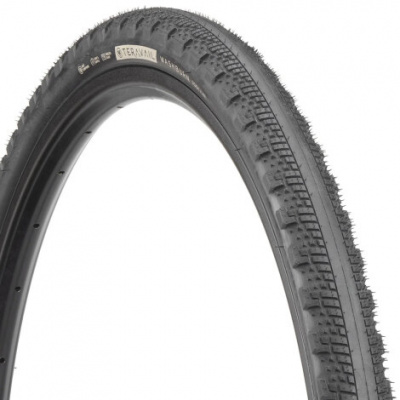
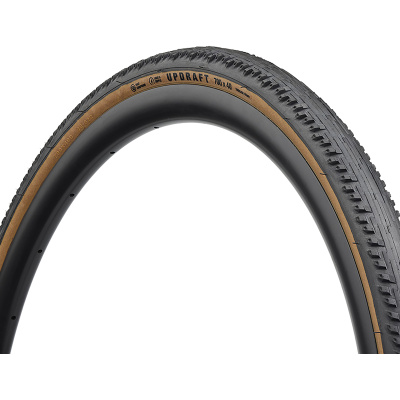
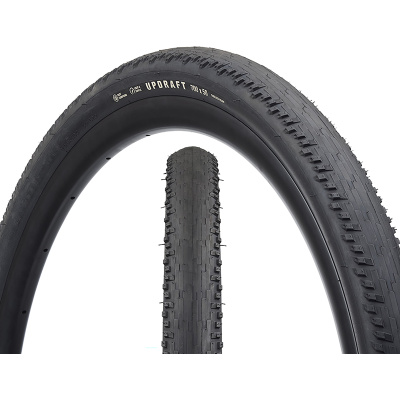
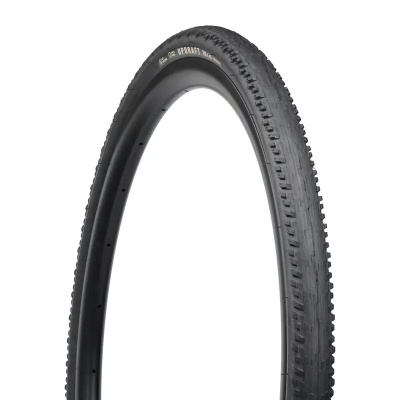
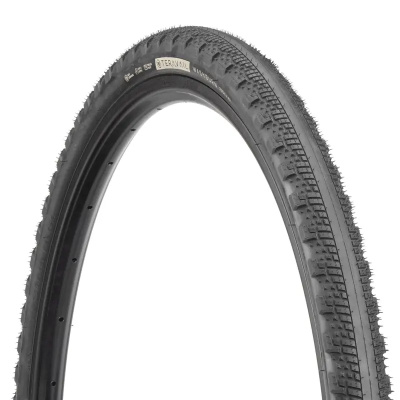
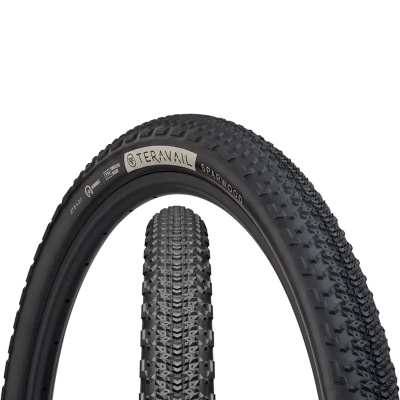
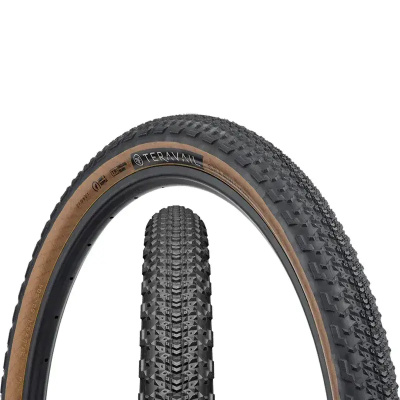
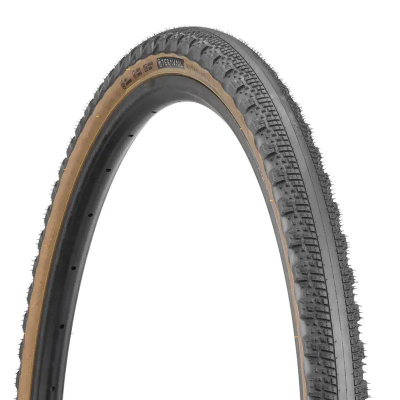
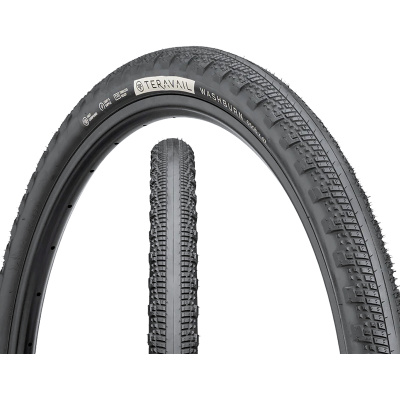
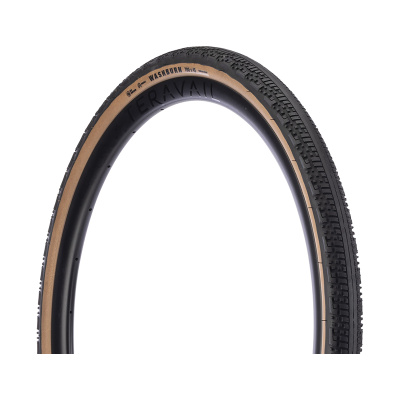
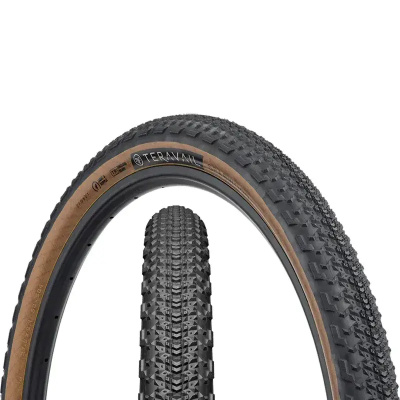
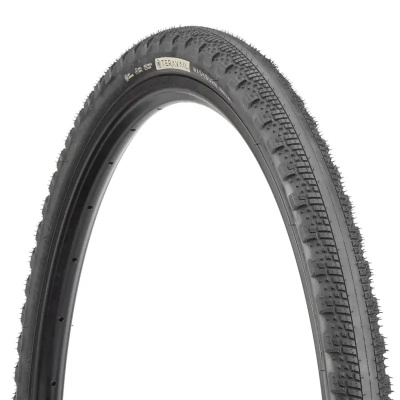
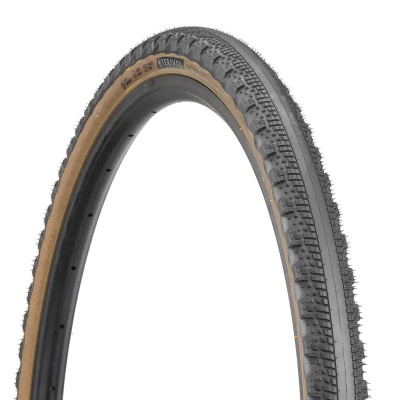
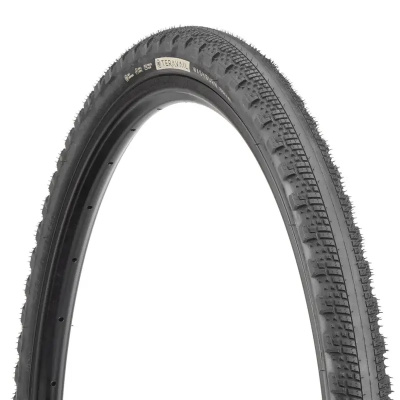
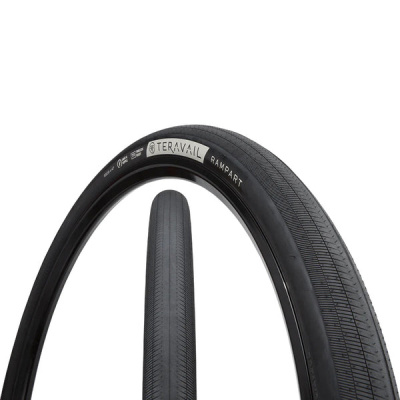
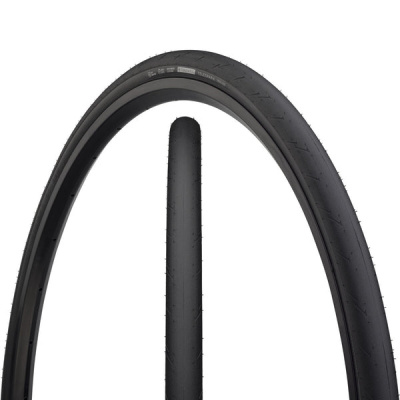
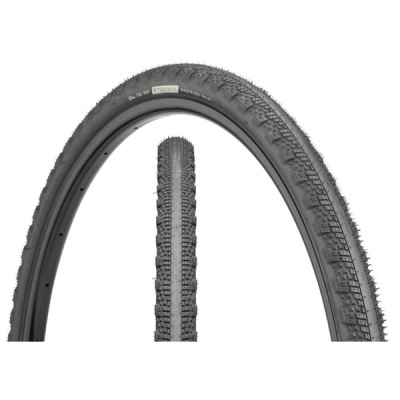
The Washburn 700c runs a semi-slick centre row with lateral file tread - fast on hardpack and tarmac connectors, still competent when the gravel is dry and packed. It's a natural fit for riders whose routes are 70% lane and 30% gravel track, or for CX courses with significant paved sections. The Sparwood sits at the loaded-touring end: wider, more voluminous, and built around sustained mileage comfort rather than race-day pace. For riders also looking at Teravail's off-road range beyond gravel, the Teravail MTB Tyres page covers the trail-specific models separately.
If you're weighing the Teravail Cannonball vs Rutland decision specifically: Cannonball if your winter rides stay on packed gravel and lanes; Rutland if you're genuinely going into the mud. They're not interchangeable and the Rutland's open spacing will feel draggy on dry hardpack.
Alternatives worth comparing: Panaracer GravelKing variants cover similar ground in the semi-slick and knobbed categories, and Vittoria offer graphene-infused compounds if rolling resistance is the primary obsession. Neither splits the casing choice as cleanly as Teravail does.
Keeping Teravail Tyres Running Through a UK Winter
Tubeless gravel tyres demand a bit more attention than a clincher-and-tube setup, and UK conditions accelerate that maintenance cycle faster than many riders expect. Sealant degrades - and in a wet British winter, between regular washing and cold temperatures, you're looking at top-ups every three to four months rather than the six months some manufacturers suggest. Shake the wheel before a ride; if you can't hear any liquid movement, add sealant before you go, not after you get a flat in a layby.
On pressure: dropping 2 - 3 PSI below your usual setting makes a tangible difference on wet chalk and exposed roots. You're increasing the contact patch, letting the tyre deform slightly around obstacles rather than bouncing off them. With a Durable casing, you can push that lower pressure further with less sidewall roll risk than you'd get from the Light and Supple version. A torque wrench and valve core tool are worth keeping in your workshop - a loose valve core is one of the most common causes of tubeless pressure loss, and it takes thirty seconds to fix if you catch it early.
For flint-specific routes - the South Downs Way being the obvious example - the Durable casing isn't optional, it's practical. Sidewall slashes on Light and Supple tyres in that environment are a question of when, not if. Carry a tubeless plug kit either way; plugs handle small punctures that overwhelm sealant, and they weigh nothing. Pair the tyres with a quality sealant and, if you're building a setup from scratch, Teravail's own handlebar and bar tape options are worth a look for keeping the overall contact points consistent.
Teravail Gravel And Cyclocross Tyres FAQs
Are Teravail gravel tyres tubeless ready?
Yes, every current Teravail gravel and cyclocross tyre is tubeless ready. You'll need a compatible tubeless rim, a quality sealant, and a tubeless valve - seat the bead carefully and top up sealant every three to four months, especially through a wet UK winter.
What is the difference between Teravail Light & Supple and Durable casings?
Light and Supple uses a high-TPI construction with no puncture belt, giving you lower rolling resistance and a more responsive ride feel - best on smoother, predictable surfaces. Durable adds a woven nylon composite layer running bead-to-bead, which resists sidewall slashes from sharp flint and rocky ground, at the cost of a small weight and rolling penalty.
Which Teravail tyre is best for mud and wet gravel?
The Teravail Rutland is the right call for wet and muddy UK conditions. Its widely spaced centre and shoulder lugs clear sticky clay and mud efficiently, and the shoulder knob placement gives you braking grip and cornering confidence on wet roots and loose gravel. Pair it with the Durable casing for winter use.