
Sr Suntour Suspension Forks
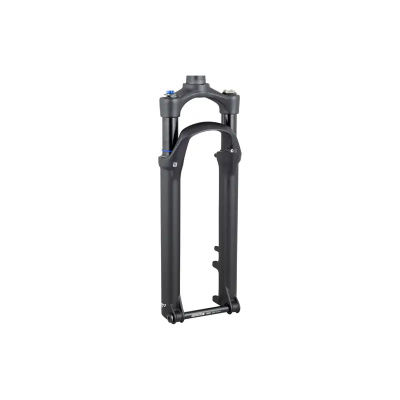
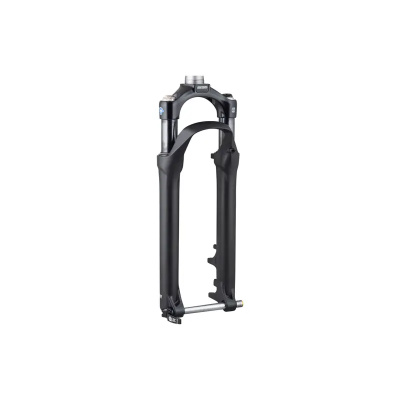
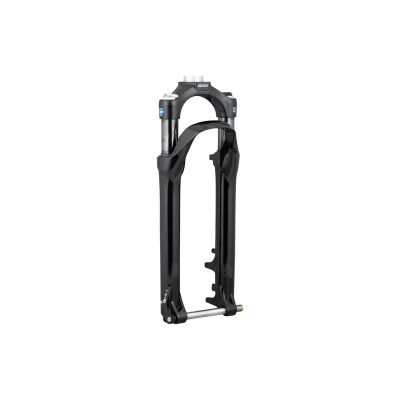
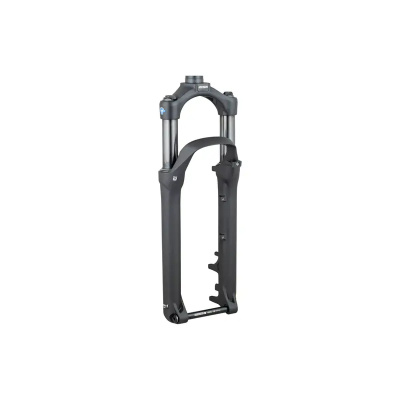
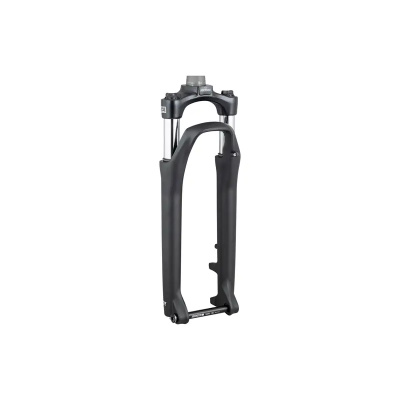
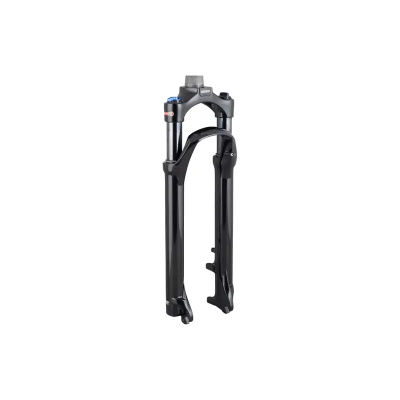
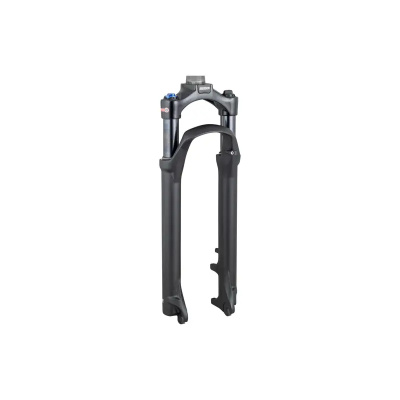
SR Suntour suspension forks have quietly put capable, tuneable front-end kit on more mountain bikes than any other brand on the planet - and that reach goes well beyond the entry-level coil forks you'll find on half the hardtails in any car park. Their high-end air forks, including the Enduro World Series-proven Durolux and the trail-focused Auron, sit in a bracket where the performance-to-price ratio is genuinely difficult to argue with. Both are built around the PCS damping cartridge and the Q-Loc thru-axle system, two pieces of engineering that keep things consistent and practical rather than fussy. Whether you're dropping a replacement fork onto a budget hardtail or speccing a full enduro build for UK trail centres, SR Suntour gives you a clear, honest range to work through. The lineup runs from no-frills recreational coil forks at the bottom through to proper air-sprung trail and gravity forks that genuinely compete with the likes of RockShox and Fox on paper and on the trail. Sensible servicing intervals, widely available spares, and a damping philosophy built around real-world consistency make SR Suntour forks worth understanding properly before you buy.
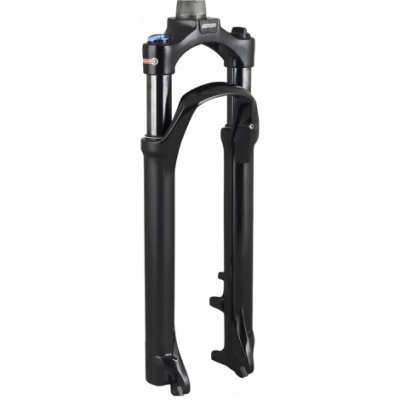
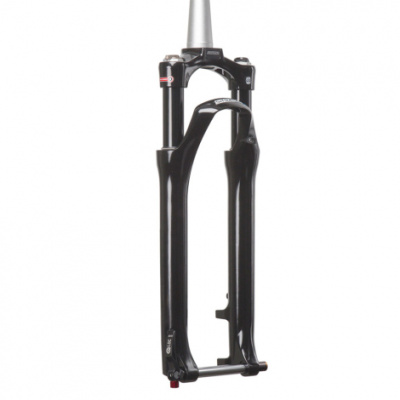
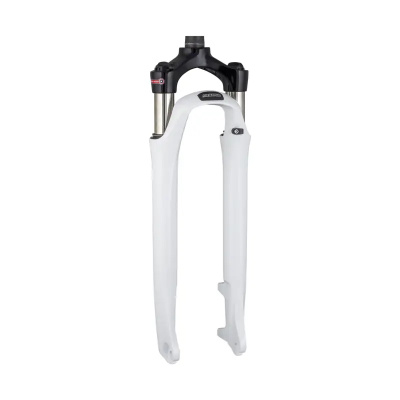
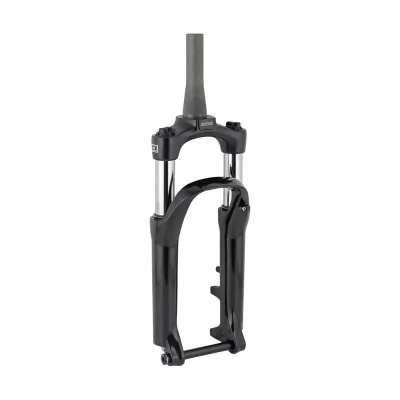
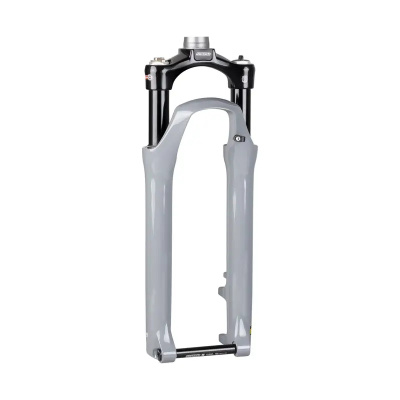
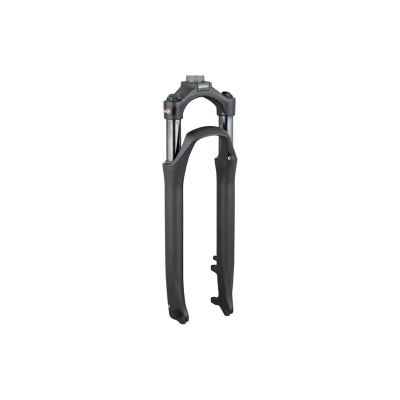
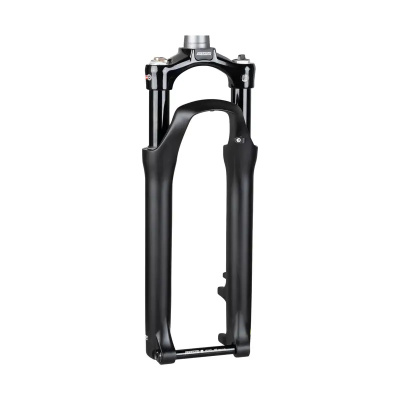
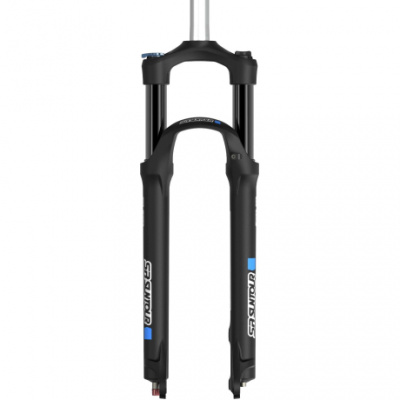
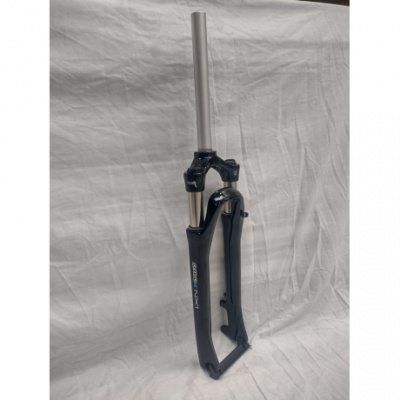
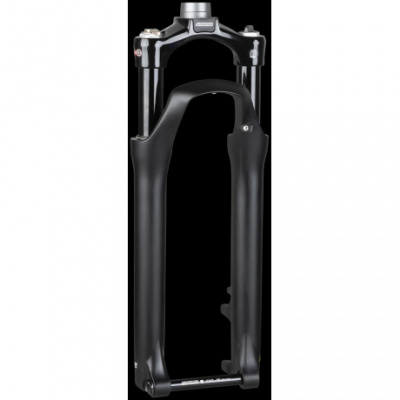
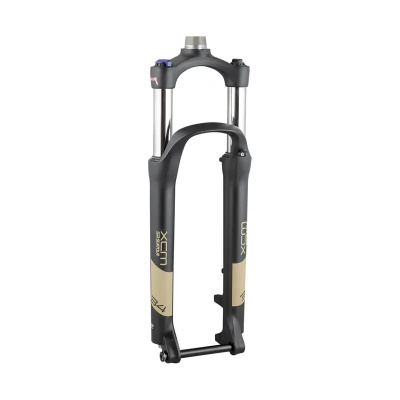
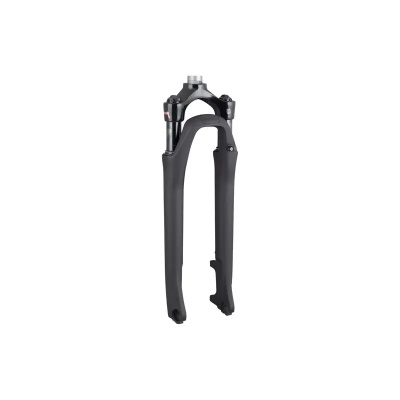

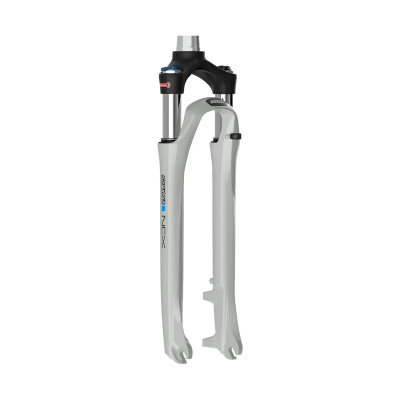
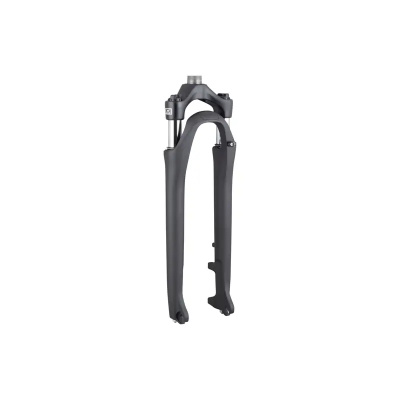
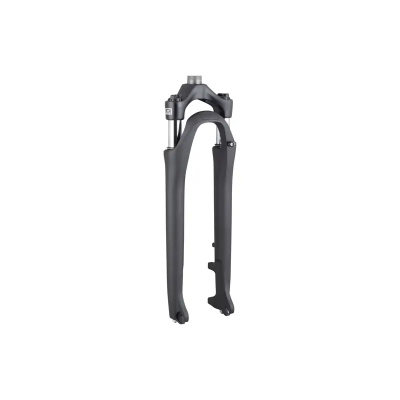
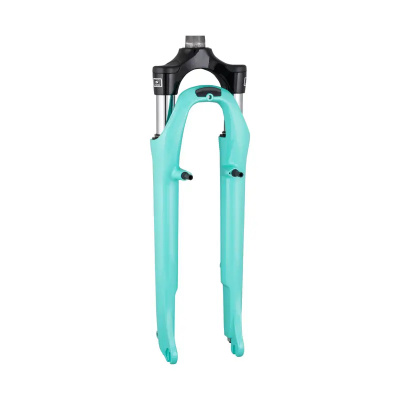
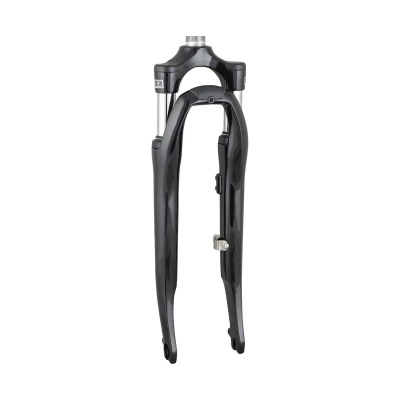
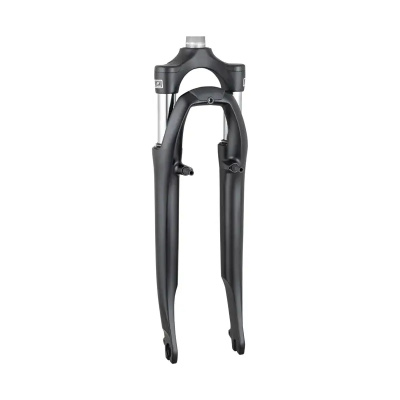
Prices and availability can change quickly. Delivery charges are not always included in listed prices.
Final price, stock status and delivery terms are set by retailer. We may receive a commission on purchases made.
Decoding the SR Suntour Fork Lineup
Think of the SR Suntour range as three distinct tiers, and picking the wrong one for your riding is the most common mistake. At the base you've got the XCT, XCM, and XCR - coil-sprung forks designed for light recreational use, gravel paths, and entry-level hardtails. They do that job reliably. What they're not built for is actual trail riding; the damping is minimal, stanchion diameters are modest, and the preload-only adjustment gives you limited tuning range. Treat them as factory fitment rather than a conscious upgrade choice.
The more interesting territory starts with the enthusiast air forks. The Raidon and Epixon sit in the XC and light trail bracket - relatively lightweight, 100 - 120mm of travel, and aimed at riders who want a responsive air spring without paying for a brand-name chassis. The Auron steps into aggressive trail and all-mountain use, with 130 - 160mm of travel, a stiffer chassis, and proper low-speed compression adjustment. At the top, the Durolux is the enduro fork - 160 - 180mm, 35mm or 38mm stanchion diameter options, and the full PCS damper spec. The Rux handles downhill duty with coil or air options and geometry to match.
When you're reading trim levels, the acronyms matter. A fork badged with EQ carries the Equalizer negative air spring system, which we'll cover in the next section. PCS denotes the Piston Compensator System cartridge - the premium damping unit. Not every model in the range gets both, so check the spec sheet rather than assuming a model name tells the whole story. The difference between a base Auron and a fully specced Auron RC2 EQ is substantial in terms of how the fork actually rides.
The SR Suntour Tech Philosophy
The PCS (Piston Compensator System) cartridge is the core of SR Suntour's performance argument. The fundamental problem with cheap dampers is cavitation - when the fork moves fast through a rough section, the oil can't keep up, it foams, and you lose damping consistency. The PCS cartridge uses a compensator piston to maintain oil pressure during rapid hits, which keeps the damping working as tuned rather than going vague exactly when you need it most. It's the same principle used in high-end cartridges from Marzocchi and others, just delivered at a different price point.
The EQ (Equalizer) system addresses a different problem: small-bump sensitivity at the top of the travel. In a standard air fork, the negative spring chamber needs to be manually bled to match the positive chamber pressure - a step many riders skip. The EQ system equalizes those chambers automatically, so the fork starts moving from rest with far less stiction. That translates to a fork that tracks roots and loose rocks rather than skating over them. It's a detail that separates an air fork that feels lively from one that feels wooden in the first 20mm of travel.
Then there's the Q-Loc thru-axle. Proprietary axle systems get a bad reputation, usually deservedly, but this one earns its place. The push-and-twist action is fast once you've done it twice - no threading required - and it's more reliable in muddy conditions than a standard threaded axle that's picked up grit. If you're the sort of rider who pulls a wheel to load a car or fix a trailside puncture regularly, you'll notice the difference. The Hollow Crown Technology used across the upper range removes material from the crown casting where it isn't structurally needed, keeping stiffness where it counts while trimming weight from a part of the fork that adds up quickly.
Rebound damping is adjusted via a dial at the base of one lower leg, and low-speed compression sits on the top cap - standard placement, nothing unusual to learn. Set your sag using a shock pump through the Schrader valve on air forks, targeting around 20 - 25% of travel for trail use and slightly more for enduro. That's the same process you'd follow on any air fork.
Living with an SR Suntour Fork in the UK
UK winters are not kind to suspension forks. Abrasive grit, standing water, and the kind of mud that gets into everything mean your fork's seals and lower legs are working harder than they would in dry conditions. SR Suntour's wiper seals hold up well, but the real advantage is how straightforward it is to drop the lowers for a clean and re-grease. You need basic tools, a foam ring replacement every season, and about 30 minutes. That's it. Compared to forks where a lower-leg service requires more specialist knowledge or a dealer visit, the SR Suntour approach suits the home mechanic well - and if you're riding the Peaks or anything in North Wales through winter, you should be doing that service at least once a season.
Mud clearance around the arch is worth checking against your tyre width. The Durolux and Auron both have generous arch geometry, and running a 2.4" or 2.5" tyre in claggy Welsh conditions shouldn't cause packing issues. Tighter arch forks - more common on XC-oriented models like the Epixon - are less forgiving if you're pushing tyre width. Check the stated tyre clearance before you order.
Spare parts and upgrade cartridges are genuinely available in the UK, which matters more than it sounds. Some brands make lower-leg kits a six-week wait. SR Suntour has enough UK distribution that you can usually get foam rings, seals, and oil through a local dealer or online without a lengthy delay. If you're considering Manitou or DVO as alternatives at a similar performance level, parts availability is worth factoring into that comparison. For SR Suntour e-bike forks, the brand offers specific e-MTB variants with reinforced lower legs and revised geometry to handle the added weight - worth seeking out rather than fitting a standard fork to a heavy e-MTB build.
As a broader point on the budget MTB forks SR Suntour question: the entry coil forks are what most people picture when the brand comes up, but they represent a fraction of what's available. If you want a proper performance upgrade without paying for a brand name, the Durolux RC2 EQ sits in a bracket where the actual ride performance is considerably closer to RST's top tier than the price gap suggests. We'd always say: buy on spec, not on badge.
Sr Suntour Suspension Forks FAQs
Are SR Suntour forks any good for mountain biking?
Yes - though the brand's reputation is often shaped by its entry-level coil forks rather than its full range. The Durolux and Auron are genuinely capable air forks that compete with premium alternatives at a significantly lower price. They're reliable, well-damped with the PCS cartridge, and easy to service at home. For all-mountain and enduro use, they're a legitimate choice, not a compromise.
How do I adjust the suspension on my SR Suntour fork?
On air forks, use a shock pump on the Schrader valve to set sag - aim for roughly 20 - 25% of travel as a starting point. Rebound damping is adjusted via the dial on the lower leg; turn it in for slower rebound, out for faster. Low-speed compression sits on the top cap. Coil forks use a preload adjuster on the crown to firm or soften the spring rate slightly.
What is the difference between SR Suntour XCM and XCR?
The XCM is a basic, heavier coil fork suited to light recreational use and smooth paths - minimal damping, basic internals. The XCR is a step up with lighter magnesium lowers, larger stanchion diameters, and air-spring options on some versions, making it a more credible choice for actual trail riding. If you're riding anything technical, the XCR is the minimum; for proper singletrack, look at the Epixon or above.