
Fox Suspension Forks
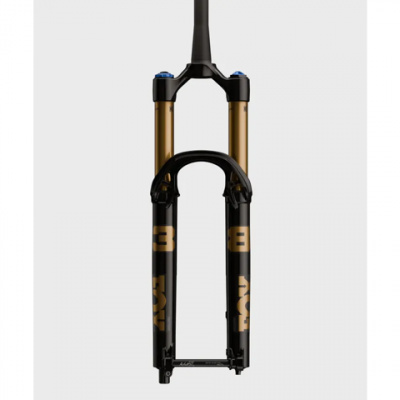
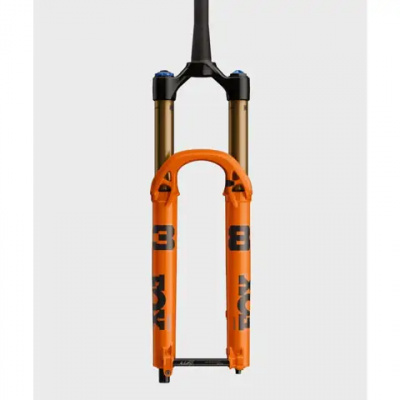
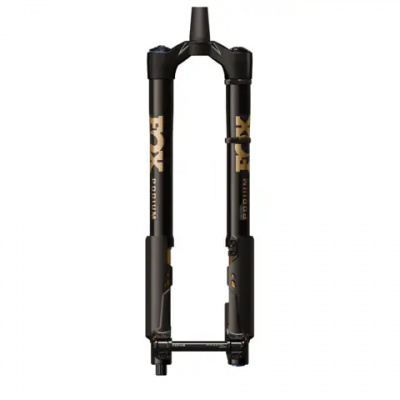
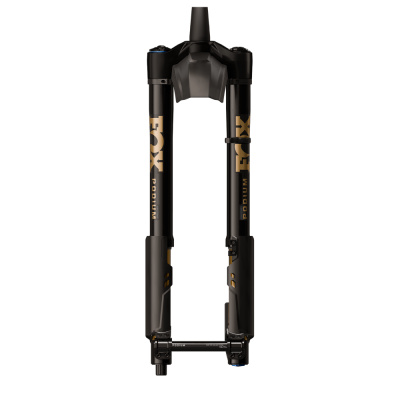
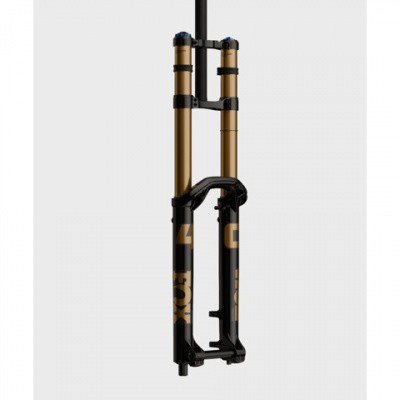
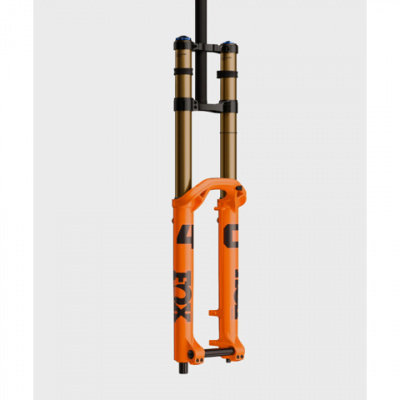
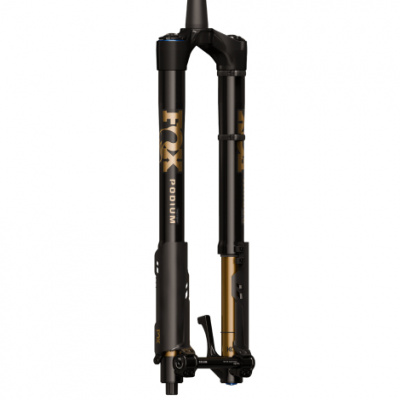
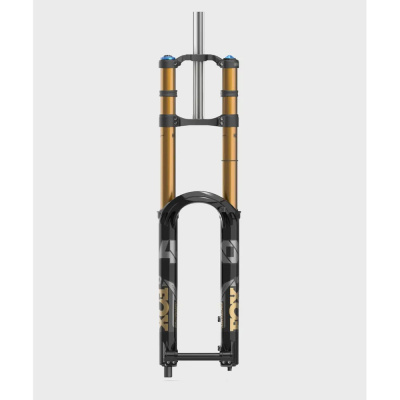
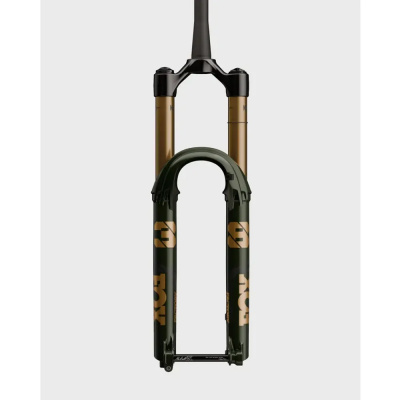
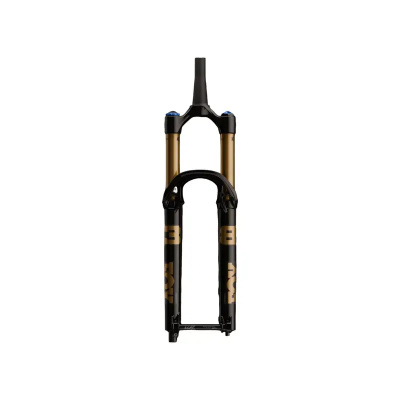
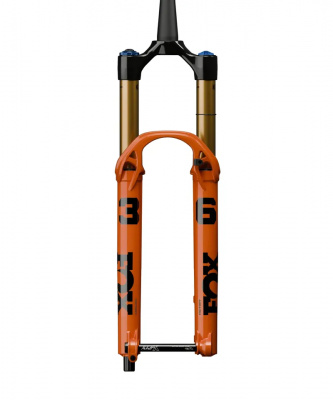
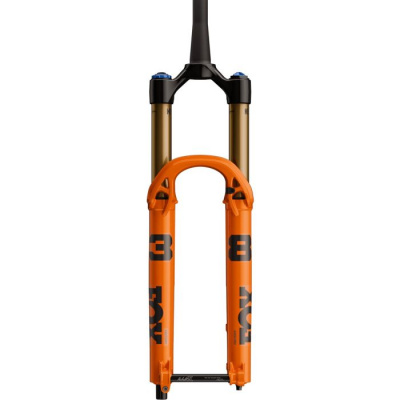
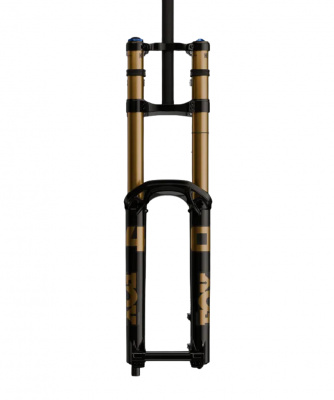
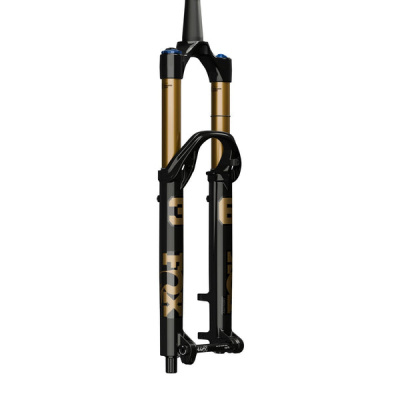
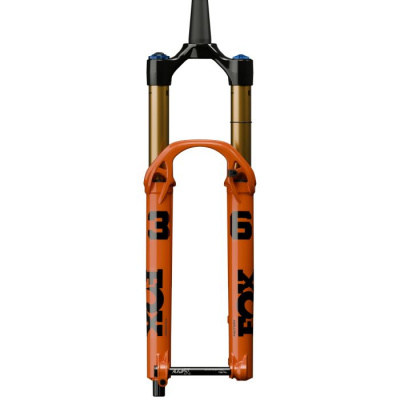
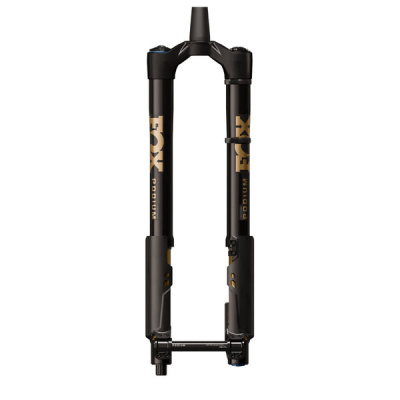
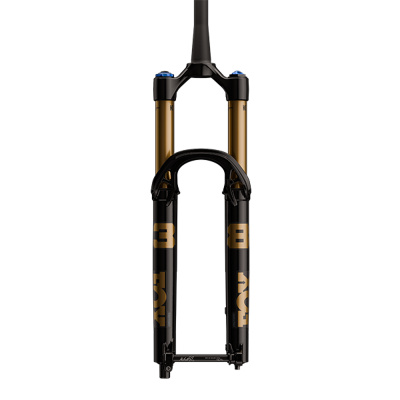
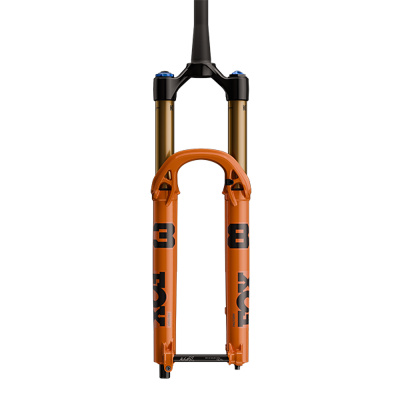
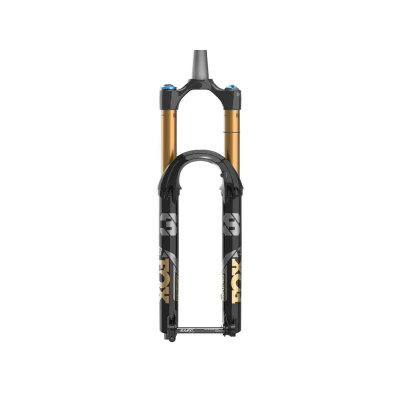
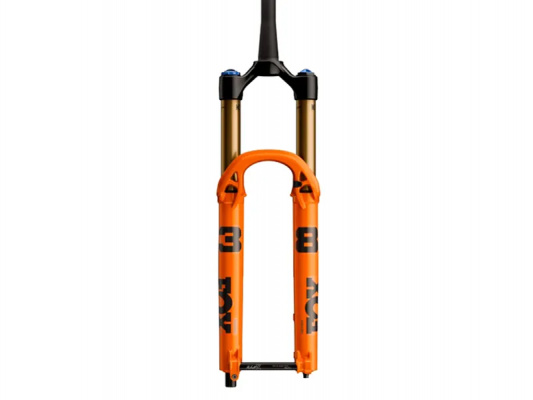
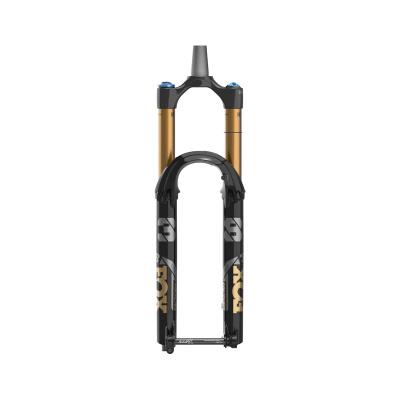
Fox suspension forks have long set the benchmark for mountain bike control, and those distinctive Kashima-coated gold stanchions are still the first thing riders clock when they're eyeing up a build. Whether you're speccing a nimble downcountry 29er or a full-send enduro rig for something like the Tweed Valley's chunkier lines, Fox's chassis engineering and genuinely tunable damping give you the kind of front-end feedback that changes how you read a trail. The range stretches from the featherweight 32 for cross-country racers through to the 40 for dedicated downhill, with the 34, 36, and 38 covering the middle ground that most of us actually ride. Trim levels matter here too - Factory, Performance Elite, and Performance each represent a real step in damper sophistication and stanchion finish, not just a badge. Fox Float forks use an air spring across the board, keeping weight low and adjustability high. The EVOL air spring and GRIP damper family - now extending to GRIP X and GRIP X2 - are where Fox earns its reputation, particularly for riders dealing with the kind of steep, rooty, and frequently sodden conditions you find across the UK. Browse the full range below.
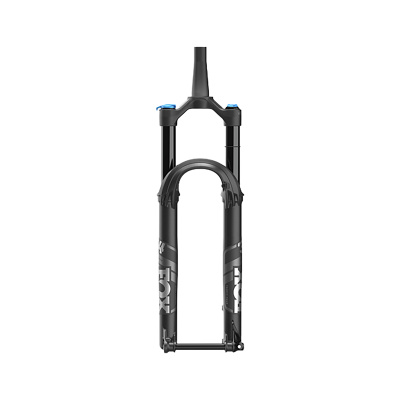
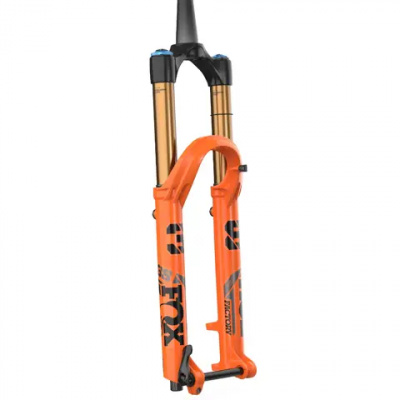
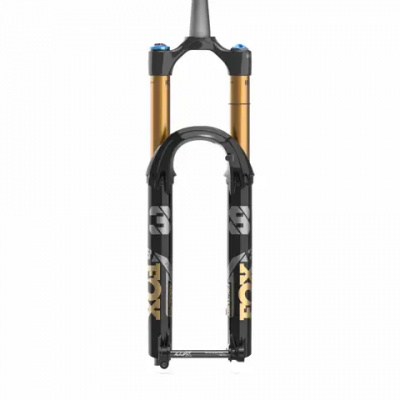
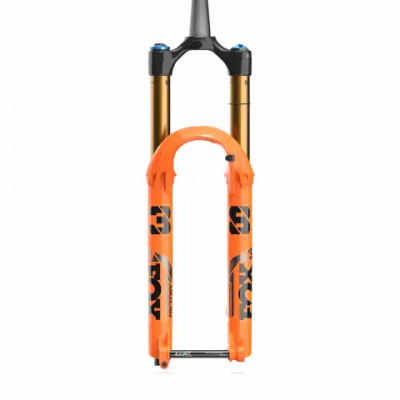
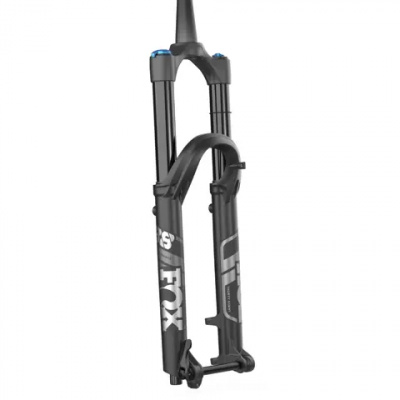
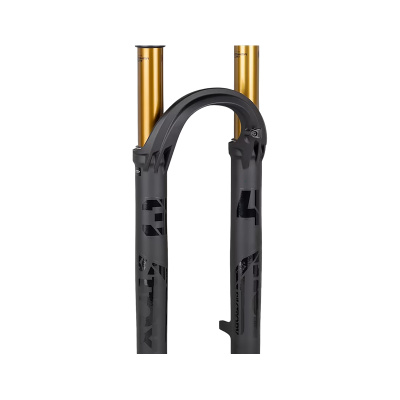
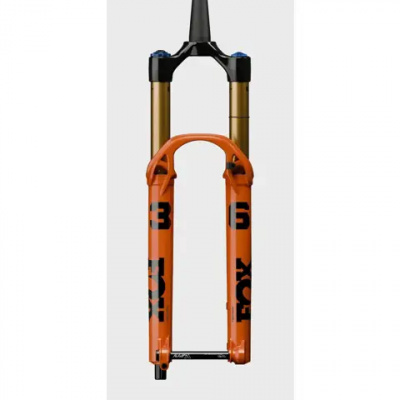
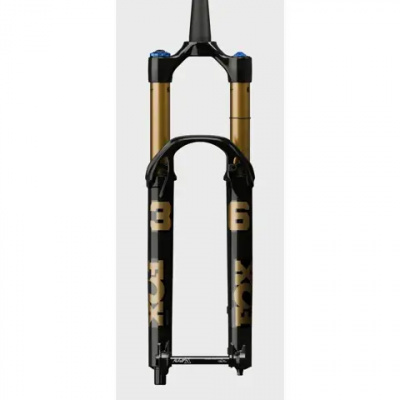
Prices and availability can change quickly. Delivery charges are not always included in listed prices.
Final price, stock status and delivery terms are set by retailer. We may receive a commission on purchases made.
Decoding the Fox Fork Lineup
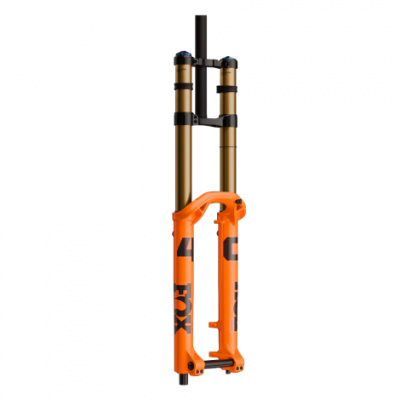
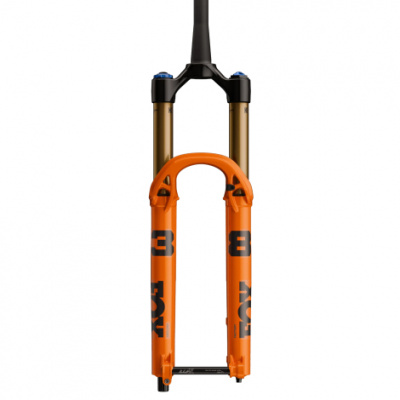
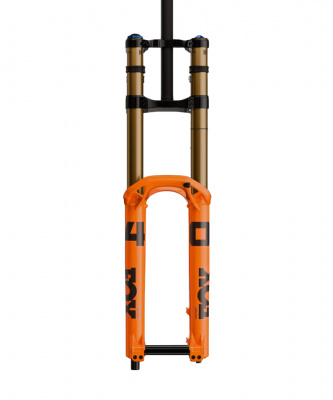
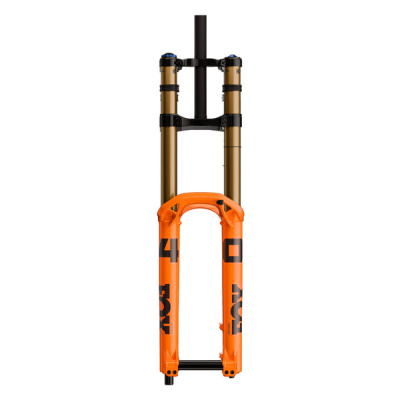
Start with the chassis number, because that's the real architecture decision. The Fox 32 runs 32mm stanchions and is built for cross-country - light, fast, and at home on short-travel hardtails or XC full-suspension frames. Step up to the Fox 34 and you're in trail territory: 34mm stanchions, travel typically between 120mm and 150mm, and a chassis stiff enough to handle proper singletrack without feeling nervous on steeper descents. The Fox 36 pushes into all-mountain use - thicker legs, more travel headroom, and the kind of composure that suits riders who push hard on both the climbs and the rough stuff coming down. Then there's the Fox 38, Fox's enduro-specific chassis with 38mm stanchions, designed explicitly for high-speed, high-consequence riding. And at the top sits the Fox 40 - a dedicated downhill fork, not designed to be pedalled uphill, full stop.
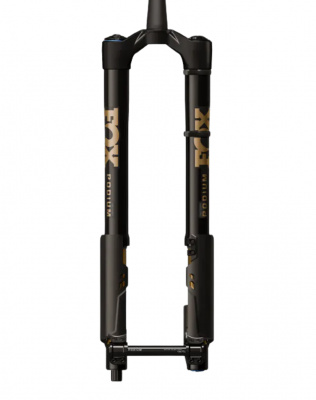
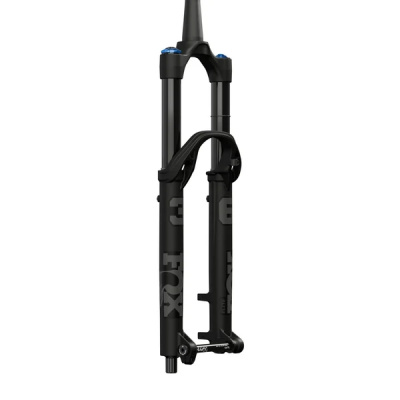
Trim levels cut across all those chassis numbers. Factory is the flagship: Kashima-coated stanchions, the top-tier damper (usually GRIP X2 on current models), and the lightest build quality Fox produces at each chassis size. Performance Elite drops the Kashima for black anodised stanchions but keeps the same high-spec damper, making it a genuinely strong value proposition if you're not bothered about the gold finish. Performance uses black stanchions and a simpler GRIP damper - still a well-built fork, just with fewer compression adjustment options. Rhythm is OEM-spec only, heavier, and rarely appears as an aftermarket purchase. Most upgrade buyers are choosing between Factory and Performance Elite, and that's where the real conversation sits. For the rear end of your suspension package, our Fox Rear Shocks page covers the matching shock options to complete your setup.
The Fox Tech Philosophy
Fox Float forks use an air spring across every model in the range - the EVOL (Extra Volume) air spring being the significant development here. Standard air springs can feel poppy and progressive in a way that loses small-bump sensitivity, but the EVOL design increases the negative air chamber volume, which softens the initial stroke so the fork moves through the first few millimetres with noticeably less resistance. On rooty trails - think the kind of chattery ground you get on Cannock Chase or the Peak District's gritstone edges - that translates to better traction and less arm fatigue over a long ride.
The damper story is where Fox has done the most iterative work. The original GRIP damper is a cartridge-based unit offering rebound adjustment and a basic compression tune - reliable and consistent, but limited in its range. The GRIP X adds more compression control, effectively bridging the gap to the top tier. The GRIP X2, found in Factory and Performance Elite builds, is the full-fat version: independent high-speed and low-speed compression adjustment, plus rebound control. High-speed compression governs how the fork behaves when it hits something hard and fast - a square-edged rock or a steep compression. Low-speed compression controls the fork's resistance to rider-induced forces like braking and body weight shifts. Getting both dials set correctly for your weight and riding style makes a significant difference to how planted the front wheel feels mid-corner. It's not set-and-forget; it rewards riders who spend ten minutes in the car park dialling it in before a ride.
Lower leg bleeders are a detail worth understanding, particularly if you're riding big mountain descents or long chairlift-accessed runs at places like Glencoe or Nevis Range. As altitude changes, air pressure builds inside the lower legs relative to the outside atmosphere, which creates drag on the stanchions. The bleed ports - small valves on each lower leg - allow you to equalise that pressure with a simple push before you drop in. It's a minor but genuinely useful feature on longer Alpine-style days.
The Kashima coat deserves a mention beyond its visual appeal. It's a hard anodising process with a molybdenum disulphide infusion that measurably reduces friction between the stanchion surface and the wiper seals. In back-to-back testing covered by trusted outlets, Kashima-coated forks show a lower breakaway force than bare anodised stanchions - which is most noticeable on slow, technical moves where you want the fork to react to tiny inputs rather than sitting locked until a bigger hit arrives.
Living with Fox Forks in the UK
British riding conditions are genuinely hard on suspension forks in a way that Californian trail centre marketing rarely acknowledges. Gritty, wet mud - the kind you pick up on a December ride in the Brecon Beacons or a damp autumn session in the Forest of Dean - gets drawn up past the wiper seals and starts working away at your stanchions. You won't notice it immediately, but over a season of neglect it scores the surface and wrecks the seals. Fox recommends a full service every 125 hours, but in honest UK conditions a basic lower leg service every 50 hours is more realistic if you want to protect your investment. That means draining the old oil, cleaning the seals, inspecting the foam rings, and refilling - not a complex job, but one that needs doing.
Fox's integrated mudguard mounts, present on most current models, are worth using rather than ignoring. A Fox mudguard fitted to the crown cuts down the debris thrown directly into the fork seals on wet days - it won't eliminate the problem, but it slows the ingress meaningfully on particularly sloppy rides. Think of it as cheap insurance between services.
For keeping your fork properly set up and serviced, you'll want a quality shock pump for air pressure adjustments and access to the right hydraulic fluid and spare seals. Fox-specific workshop tools make lower leg services significantly less frustrating - the seal driver in particular is worth having if you're doing your own maintenance rather than relying on a shop. We'd also point you toward comparing Fox's range against alternatives from RockShox, Marzocchi, and Öhlins if you're weighing up options - each takes a different approach to damper tuning and spring rate.
Fox Suspension Forks FAQs
What is the difference between Fox Factory and Performance forks?
The Factory tier gets you Kashima-coated stanchions - that gold finish isn't just cosmetic, it genuinely reduces friction - plus the top-spec GRIP X2 damper with full high and low-speed compression adjustment. Performance models use black anodised stanchions and a simpler GRIP damper. The chassis stiffness is identical at each size; you're paying for surface finish and damper sophistication.
How often should I service my Fox suspension fork?
Fox's official guidance is a full service every 125 hours or once a year. In practice, UK riding - gritty mud, wet roots, persistent drizzle - means a lower leg service every 50 hours is the smarter call. It's a straightforward job: drain the oil, clean the foam rings and seals, refill. Doing it regularly keeps your stanchions scratch-free and your seals lasting far longer.
Which Fox fork is best for enduro riding?
The Fox 38 is the obvious choice - 38mm stanchions built specifically for the demands of enduro racing and aggressive all-mountain riding, where chassis stiffness under hard braking and through rough, fast sections genuinely matters. If your riding mixes longer climbing days with technical descents and you want something slightly lighter, the Fox 36 in 160mm travel is a well-proven alternative.