
Rockshox Suspension Forks
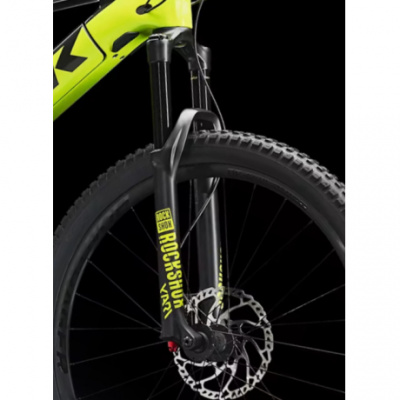
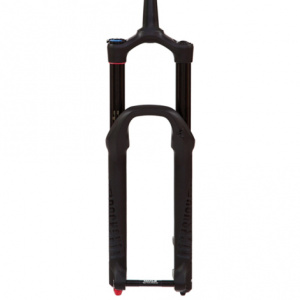
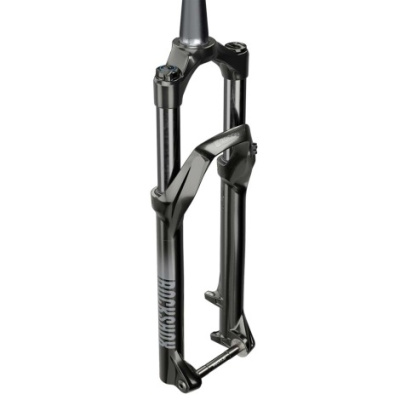
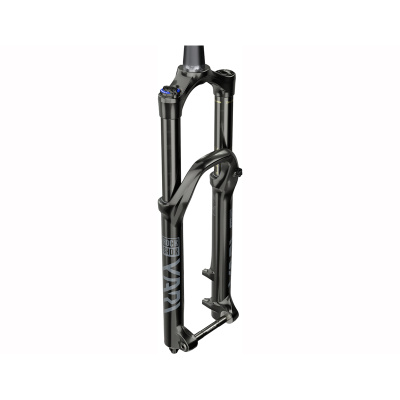
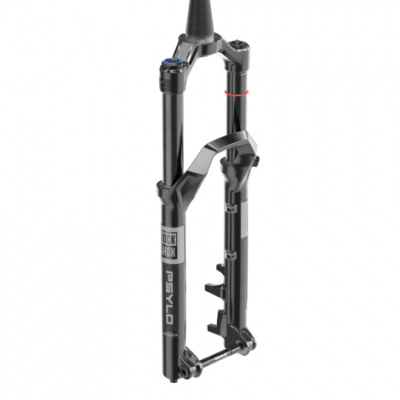
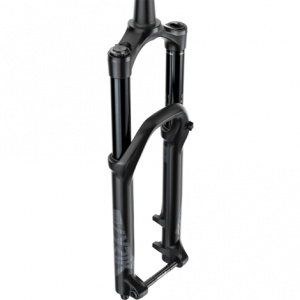
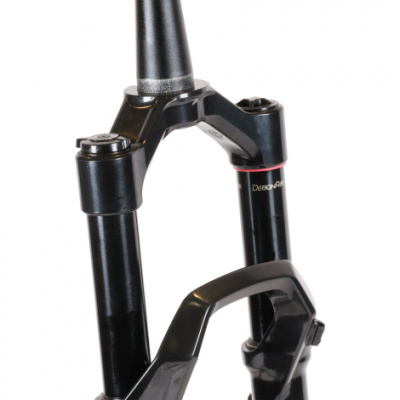
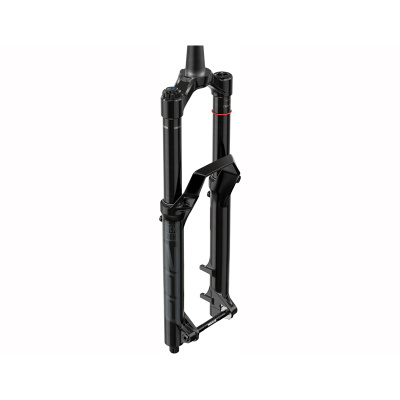
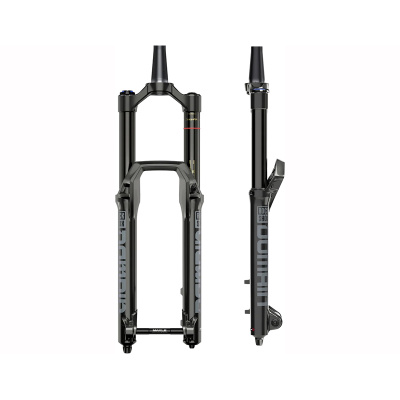
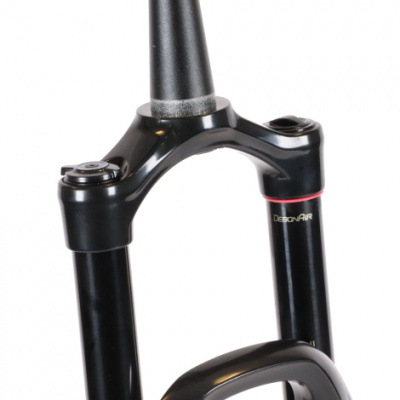
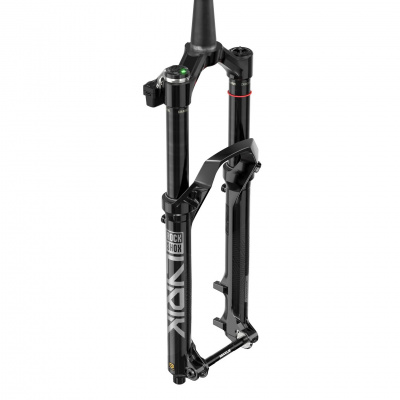
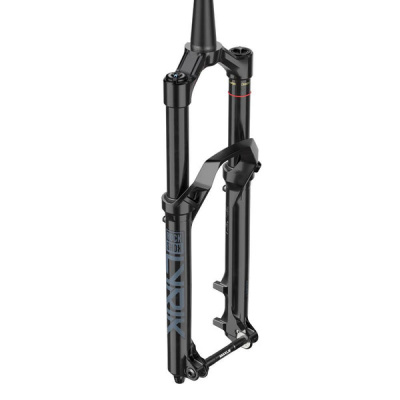
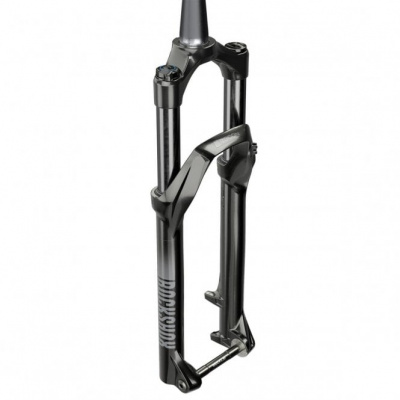
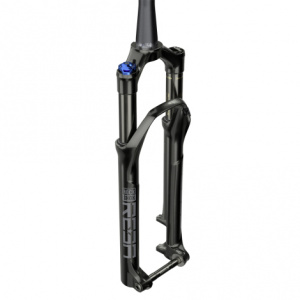
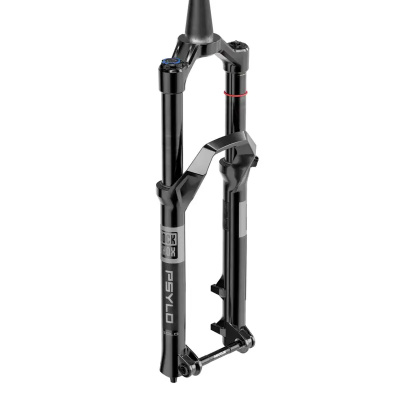
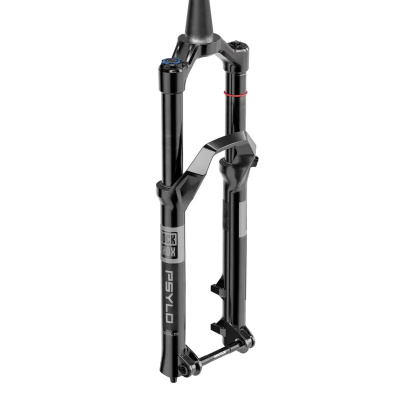
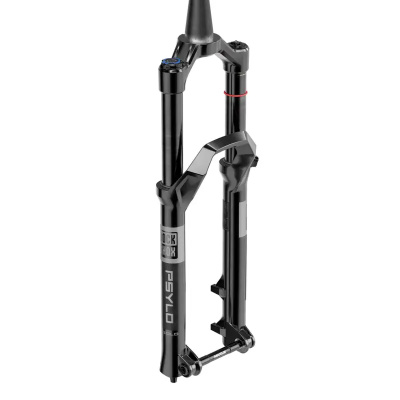
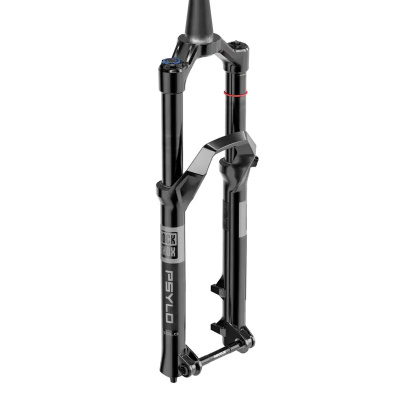
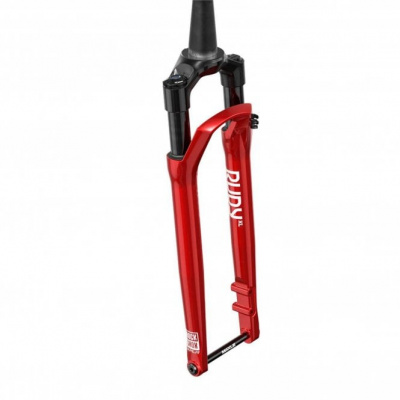
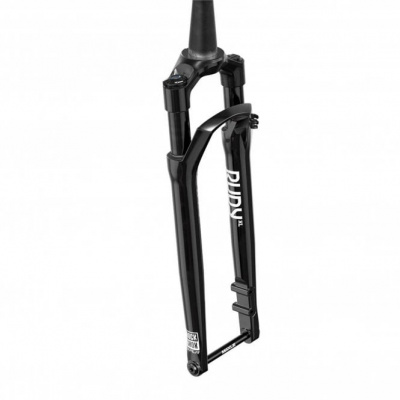
Rockshox suspension forks sit at the top of the pile for a reason - across XC, trail, enduro, and downhill, there's a chassis in the range that fits how you ride and where you ride it. Whether you're threading singletrack in the Peaks on a nimble Pike or pointing a Zeb at something steep and rocky in the Tweed Valley, the lineup covers serious ground. What makes Rockshox genuinely compelling isn't just breadth - it's the depth of tuning on offer. The Charger 3 damper lets you dial high and low speed compression independently, the DebonAir+ spring keeps the fork riding higher in its travel when gradients bite, and ButterCups take the sting out of high-frequency trail chatter that quietly wrecks your hands and arms over a long day out. Trim levels run from Base through to Ultimate, so you're not paying for tech you don't need. Before your first ride, get a Rockshox shock pump and set your sag properly - it makes a bigger difference than most riders expect. We've pulled together the UK prices and specs so you can compare models and find the right fork without the guesswork.
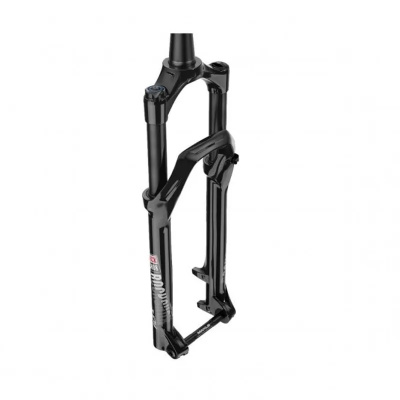
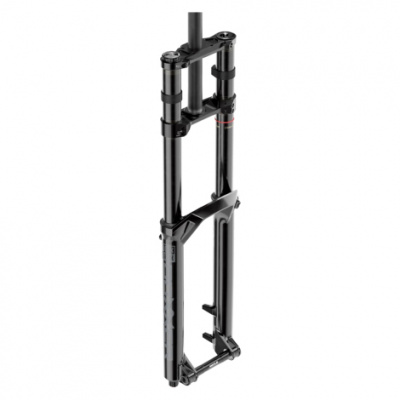
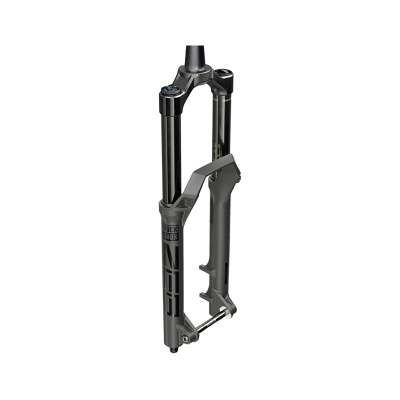
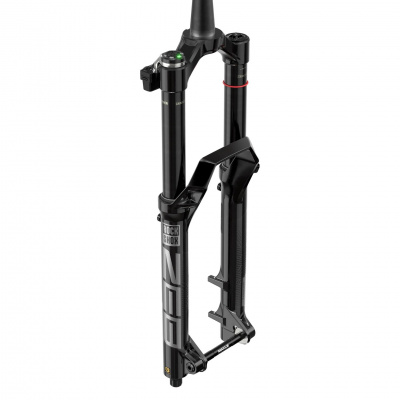
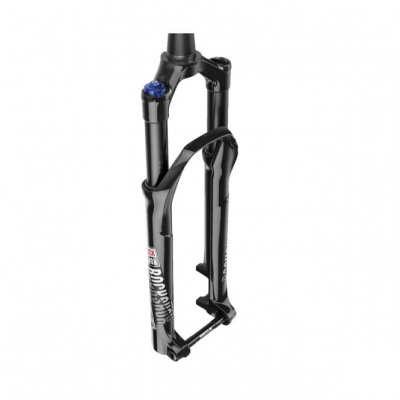
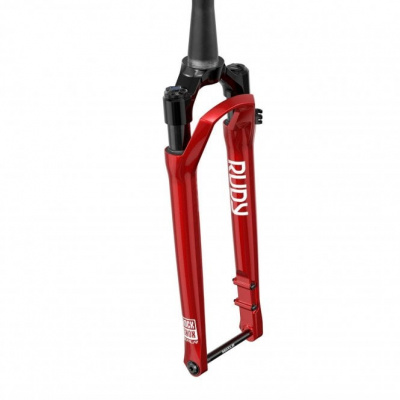
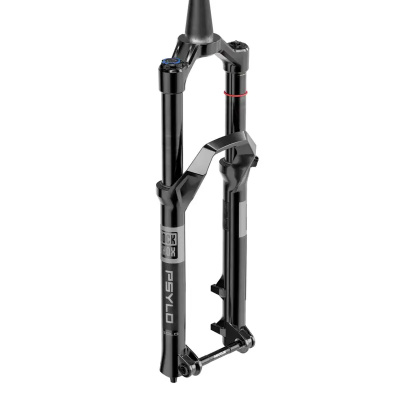
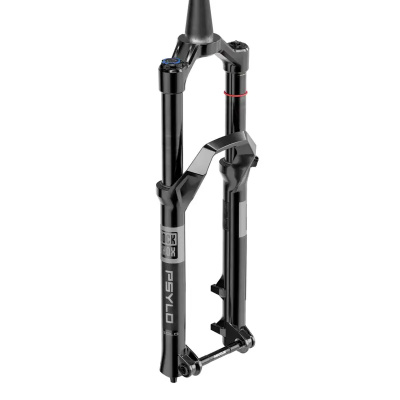
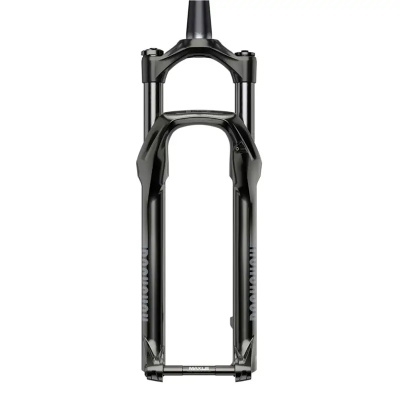
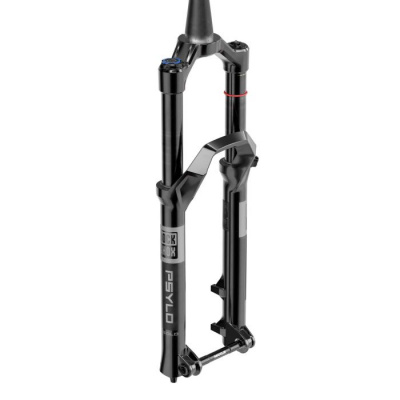
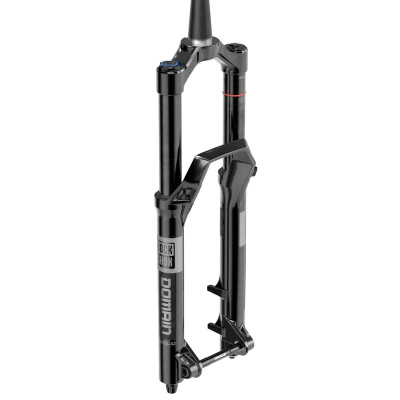
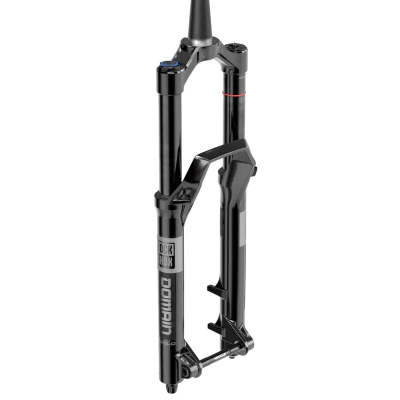
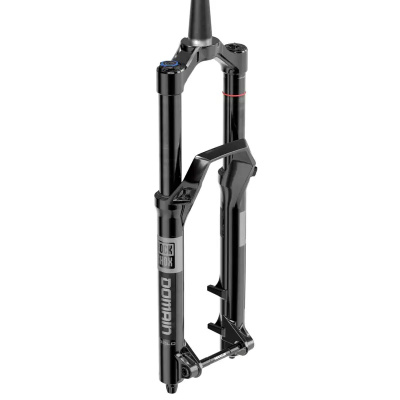
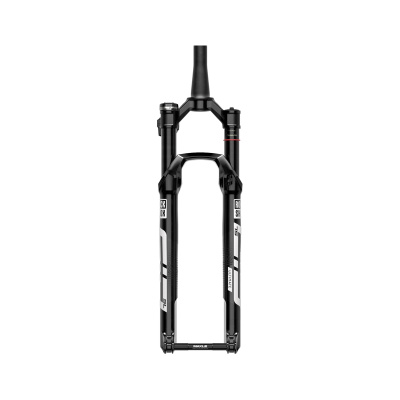
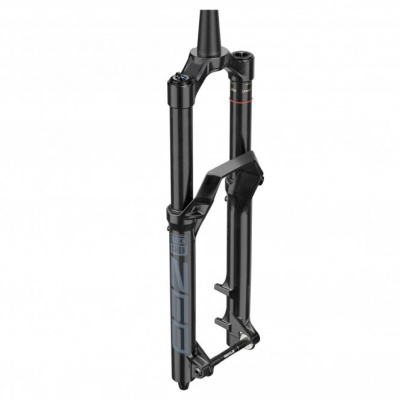
Prices and availability can change quickly. Delivery charges are not always included in listed prices.
Final price, stock status and delivery terms are set by retailer. We may receive a commission on purchases made.
Decoding the Rockshox Fork Lineup
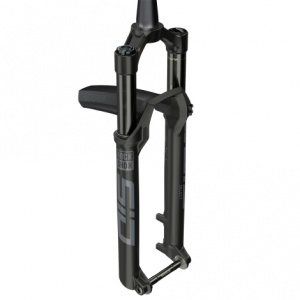
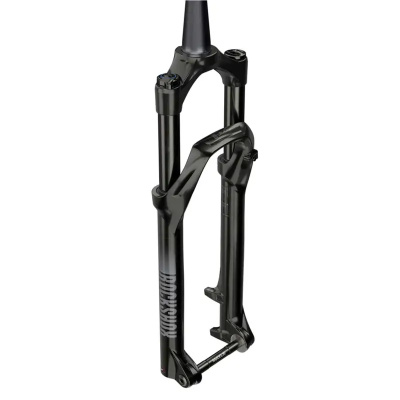
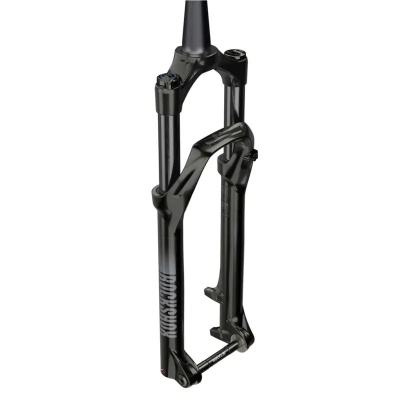
Rockshox MTB forks UK riders can choose from span five distinct chassis families, each aimed at a specific slice of the sport. The SID runs 32mm or 35mm stanchions and is the XC weapon - light, fast, efficient. The Pike steps up to 35mm stanchions with up to 140mm of travel, making it the go-to for trail riders who want lively handling without unnecessary mass. It's where most riders in the UK end up, and for good reason.
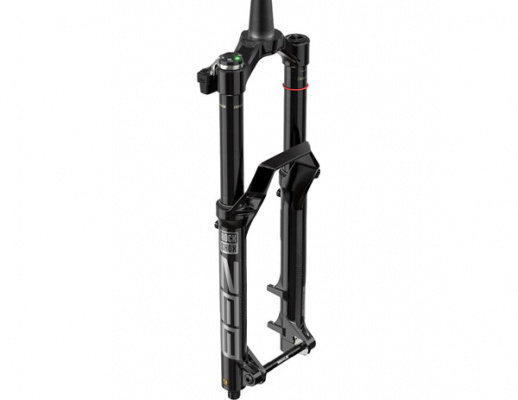
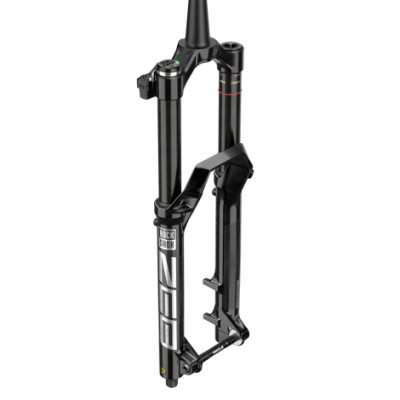
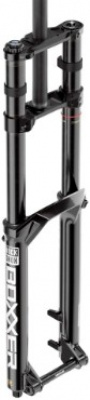
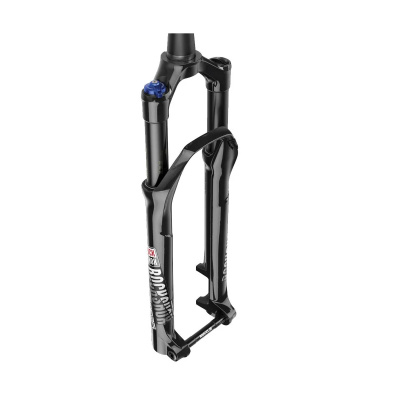
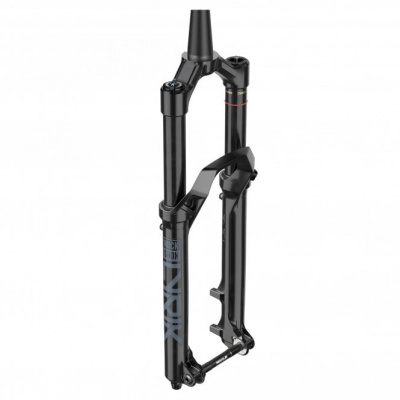
Move to rougher ground and the Lyrik makes more sense. It shares the 35mm stanchion diameter with the Pike but runs a stiffer chassis and stretches travel to 160mm. That extra rigidity pays off when you're braking hard into a rocky corner on a steep Welsh descent - there's noticeably less flex in the system. The Zeb goes bigger still with 38mm stanchions, built for enduro riding where the hits are heavy and consistent. Then there's the Boxxer, a 38mm dual-crown fork for full-on downhill use - not something you're bolting onto a trail bike.
Trim levels follow a clear hierarchy: Base and Rush sit at the entry end with simpler damping, Select adds rebound and compression adjustment, Select+ refines that further, and Ultimate is where the good stuff lives - Charger 3 damper with independent high and low speed compression, plus ButterCups. If budget allows, the jump to Ultimate is worth it for regular riders.
What the Tech Actually Does for You
The Charger 3 damper is the headline act, and it earns the attention. Most dampers treat high speed compression - the big hits, drops, and sudden impacts - and low speed compression - body weight shifts, braking, and slow compressions - as linked. Change one and you affect the other. Charger 3 separates them with independent circuits, so you can firm up the low speed to prevent dive under hard braking without making the fork crash through rock strikes. For riders on steep, slick trails in Wales or Scotland, that separation is genuinely useful rather than a spec-sheet boast.
The DebonAir+ air spring addresses a problem that riders often don't clock until they switch to it: standard air springs can feel like they drop into a hole in the mid-stroke, leaving you without support when the gradient steepens. DebonAir+ optimises the air volume to keep the fork riding higher in its travel, giving you more suspension left in reserve when you need it most. It's a quieter improvement than the damper changes but you notice it on long descents.
ButterCups are small compliance pucks built into the top cap and crown. They're designed to absorb high-frequency vibration - the constant buzz from gritty, rooted surfaces - before it transmits into your hands and arms. Arm pump is a real problem on longer days out, and ButterCups take a measurable edge off it. Not a replacement for good technique, but a genuine help. Torque Caps are worth mentioning here too: if your front hub is compatible, pairing Torque Cap-compatible hubs from Rockshox's own hub range with a Torque Cap-compatible fork increases the clamping interface and meaningfully stiffens the front end - you can feel the difference in steering precision on off-camber sections.
Compared to Fox suspension forks, Rockshox tends to offer a plusher initial stroke out of the box, while Fox's GRIP2 damper has traditionally appealed to riders who prefer a firmer, more controlled feel from the top of the travel. Neither is objectively better - it's a real preference split, and worth demoing if you can. Öhlins suspension forks sit at the premium end with their coil-and-oil TTX dampers, while Marzocchi suspension forks offer a more accessible price point for riders not needing top-spec damping.
Running a Rockshox Fork Through a UK Winter
UK riding conditions are hard on suspension. Gritty, wet mud from October through to April works its way past fork seals faster than most people plan for, and once abrasive material gets onto the stanchion surface it starts scoring the seals and the stanchions themselves. The 50-hour lower leg service interval that Rockshox quotes isn't conservative padding - it's a realistic number for British winter riding. Strip the lowers, clean everything out, and refill with the correct weight of oil. It's a straightforward job with the right tools and it keeps the fork feeling as it should.
If you're doing a lot of muddy miles, it's worth checking whether your fork is running SKF wiper seals - these are an upgrade over standard seals and do a noticeably better job of keeping contamination out. A full damper and air spring service every 200 hours keeps the internals in good shape, but don't wait on the lower leg service thinking you can stretch it - you can't, not here.
On the Rockshox Pike vs Lyrik question that often comes up before a fork upgrade: if you're mostly on trail-centre blue and red runs with the occasional black, the Pike is the right call - lighter, more efficient on the climbs, still capable going down. If you're regularly riding steeper, rougher ground and prioritise descending performance, the Lyrik's stiffer chassis justifies the weight penalty. Think about the riding you actually do, not the riding you aspire to on optimistic days.
The Rockshox Zeb vs Fox 38 comparison is a live debate in most enduro-focused car parks. The Zeb runs slightly more progressive with DebonAir+ and feels plush from the top of the stroke; the Fox 38 with GRIP2 is tunable in a more granular way but asks more of the rider to set up well. Both are genuinely excellent. Your choice probably comes down to which feel you prefer and what's spec'd on your bike already. DVO suspension forks are another option in this bracket that don't get enough attention - worth a look if you want something off the beaten path.
One practical note on a Rockshox fork travel upgrade: increasing travel changes your fork's axle-to-crown height, which alters your head angle. Going from 130mm to 150mm will slacken the front end noticeably. Check your frame manufacturer's recommended travel range before ordering - most publish this and it's worth five minutes of research before spending money.
Rockshox Suspension Forks FAQs
Which is better RockShox Pike or Lyrik?
It depends on where you ride. The Pike is the lighter, more efficient option with up to 140mm of travel - well matched to trail riding and mixed-terrain days. The Lyrik runs a stiffer chassis with 140 - 160mm of travel, better suited to consistently rough, aggressive descending. If steep and technical is your regular rather than your occasional, go Lyrik.
How often should I service my RockShox fork?
A lower leg service every 50 hours of riding is the standard recommendation - in UK winter conditions, treat that as a firm deadline, not a rough guide. Mud and grit get past seals quickly and cause real damage if left. A full damper and air spring service should follow every 200 hours.
What do RockShox Bottomless Tokens do?
Bottomless Tokens reduce the air volume inside the fork's air spring, making the compression ramp up more progressively as you push deeper into the travel. The practical result: you can run lower tyre pressures for better small-bump sensitivity early in the stroke without the fork smashing through the bottom on big hits or drops. Add tokens gradually - one at a time - until the feel is right.