
RST Suspension Forks
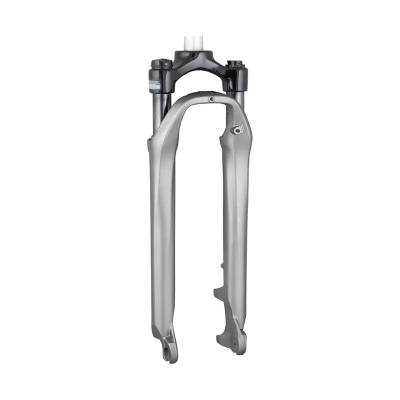
RST suspension forks have been doing the unglamorous, essential work of keeping front wheels tracking through grim conditions since the brand - Rapid Suspension Technology - first started shipping forks to OEM manufacturers decades ago. They're not chasing Enduro World Series podiums, and they know it. What they do instead is deliver genuinely capable coil and air-sprung forks at prices that make upgrading a worn-out stock fork feel like a sensible decision rather than a financial commitment. Whether you're replacing the flexy, creaky fork that came on your first hardtail, speccing up a dirt jumper, or looking for something tough enough to handle the extra load of an e-bike chassis, RST has a model in the range. The lineup runs from basic recreational coil forks - solid on bridleway roots and fireroad compressions - right through to stiffer, more adjustable air-sprung options with proper damping control. For UK riders dealing with winter grit, sodden Peak District descents, or wet-season pump track sessions, that breadth matters. Compare the best UK prices on RST forks using the listings below.
Prices and availability can change quickly. Delivery charges are not always included in listed prices.
Final price, stock status and delivery terms are set by retailer. We may receive a commission on purchases made.
Decoding the RST Suspension Fork Lineup
RST's range is broader than most people realise, and picking the wrong family is an easy mistake. Start at the entry level and you've got recreational MTB forks - the Gila, Blaze, and Omega - all coil-sprung, typically offering 80 - 120mm of travel, and designed for riders who want something dependable on light cross-country loops rather than anything particularly aggressive. The RST Blaze 29er fork sits in this bracket and suits hardtail riders running bigger wheels who need a straightforward, low-maintenance front end. Stanchion diameters here are generally 30 - 32mm: adequate for the job, not overbuilt.
Step up and you reach the XC and trail air forks - the First and Aerial models. These drop some weight, add a proper air spring for easy sag adjustment, and bring better mid-stroke support. If you're doing regular trail centre days and you've outgrown the coil entry-level stuff, this is where RST mountain bike forks start to make real sense. They won't match a RockShox suspension fork for refinement at equivalent travel, but they close the gap more than the price difference suggests.
Then there's the dirt jump range - arguably where RST has built its strongest reputation. The RST Dirt fork is the accessible entry point: coil-sprung, quick-release axle, designed for riders learning to session a local kicker spot or a modest jump line. The RST Space fork is the serious step up - air-sprung, 20mm thru-axle for a noticeably stiffer chassis, and built to take the repeated impact loads that aggressive jump riding demands. If you're running a proper jump bike and the fork is a performance component rather than an afterthought, the Space is the one worth comparing. Finally, RST's growing e-bike fork range deserves a mention. Heavier chassis loads from motor and battery systems put more stress on stanchions and dampers than a standard MTB fork expects, and RST e-bike suspension forks are built to spec for that reality with reinforced lowers and appropriate damping tuning.
The RST Tech Philosophy
RST's engineering approach is pretty straightforward: give riders meaningful adjustability without the complexity that inflates costs on premium forks. Their OCR (Open-bath Compression Rebound) damping system, found on the higher-end models, is the clearest expression of that. Open-bath damping means the oil circulates more freely through the damper cartridge, which gives you more consistent feel across a wider range of temperatures and riding speeds compared to cheaper foam-and-grease setups. External dials for low-speed compression and rebound adjustment mean you can tune the fork's behaviour without cracking the lowers open - turn the rebound dial one click and feel the difference on the next rooty descent. That's a genuinely useful feature at the price point RST is operating in.
The TnL (Turn and Lock-out) system handles climbing efficiency. It's a hydraulic lockout - not a cheap friction pin - which means it actually firms the fork up properly on long fireroad climbs or road transfers between trail sections. Some budget forks offer a lockout lever that barely changes anything; TnL does the job. Remote versions via Smart Remote lockout levers let you flip between open and locked from the handlebar, which is worth having if you're doing mixed-profile rides with frequent transitions. Compare that to something like an SR Suntour suspension fork at a similar price and the functional lockout gives RST a practical edge for trail use.
At the more affordable end of the range, coil springs and MCU (Micro-Cellular Urethane) elastomers keep things simple. MCU stacks are low-maintenance and light, but they offer very limited tuning - you're mostly stuck with whatever spring rate came in the box, unless you swap out MCU pucks. The AIR spring systems on mid-range and above models change that picture: pump in more pressure with a standard shock pump and you stiffen the feel; let some out and you open it up. For riders who've moved beyond set-and-forget, it's a straightforward way to dial in sag properly. On a coil fork, preload adjustment is all you get, and that's a fairly blunt instrument by comparison. Steerer tube compatibility matters here too - check your head tube spec before buying, as RST forks span both tapered and straight steerer options across the range.
Living with an RST Fork in the UK
British riding conditions are genuinely hard on budget suspension components. Gritty Welsh winter mud, the particular brand of iron-oxide slop you get in the Peak District after November rain, and the salt residue that coats everything near any A-road during a cold snap - all of it finds its way past fork seals faster than the manufacturers' service intervals suggest. With RST forks specifically, keeping the stanchions wiped down after every ride isn't fussy behaviour, it's just sense. Letting dried mud work against the wiper seals accelerates wear noticeably, and replacement seals, while cheap, are a faff to fit if you've left it too long.
Cold weather is worth flagging for riders on elastomer or basic coil setups. Below about five degrees, MCU pucks stiffen up and the fork's initial stroke loses that compliance it has on a mild October morning. You'll feel it on the first few drops off a kerb or a root crossing - the fork just feels wooden until it warms through. RST's air models handle cold better; air pressure drops slightly in the cold (roughly 1 - 2 PSI per 10°C drop, as a rough rule), so check your sag with a shock pump at the trailhead if you've had a frost, rather than relying on a summer-set pressure. It takes two minutes and saves you wondering why the fork feels odd all morning.
Thru-axle versus quick-release is worth thinking through if you're replacing a fork rather than speccing a new build. Most modern MTB frames with 15mm or 20mm thru-axle dropouts won't accept a QR fork without an adapter, and even then it's not ideal. Check your dropout standard before you order. For e-bike riders specifically, verify the fork's maximum rated system weight - RST's e-bike forks typically list this explicitly, and it matters given that a mid-drive motor system can add 4 - 6kg to the front end loading versus a standard hardtail. If you're weighing up alternatives, Marzocchi suspension forks occupy a similar accessible price range with their own take on coil and air options, so it's worth a comparison before committing.
Servicing is straightforward. Lower leg oil changes on RST forks are well within the scope of a home mechanic with basic tools and a torque wrench - RST publishes service intervals and most of the documentation is findable. Plan for a lower leg service every 50 hours of active use if you're riding through UK winters regularly, and a full damper service annually if you're putting serious mileage in. That's not demanding maintenance for what you're spending.
RST Suspension Forks FAQs
Are RST forks any good for mountain biking?
For entry-level to mid-range trail riding, yes - genuinely so. RST mountain bike forks are reliable, well-built for the price, and offer more adjustability than most riders at this budget expect. They're particularly strong in the dirt jump market. They won't rival premium options from RockShox or Marzocchi for damping refinement, but for hardtail trail riding and jump bikes, they do the job properly.
How do I adjust my RST suspension fork?
On air forks, use a shock pump on the top valve to set sag at roughly 20 - 25% of total travel - measure with a zip tie on the stanchion while sitting in your normal riding position. On coil forks, the preload dial on top of the stanchion adjusts spring tension: clockwise firms up the initial stroke, counter-clockwise softens it. If your fork has TnL or OCR dials, start with both fully open and adjust from there.
What is the difference between RST Dirt and RST Space forks?
The RST Dirt is the entry-level dirt jump fork - coil-sprung, quick-release axle, and priced for riders getting into jumping without a big outlay. The RST Space is the step up: air-sprung for adjustable spring rate, a stiffer 20mm thru-axle chassis, and more advanced damping suited to harder riding. If you're sessioning a proper jump line regularly rather than just dabbling, the Space is the more capable tool.