
Specialized Mountain Bikes
Specialized mountain bikes have a legitimate claim to starting the whole thing - the original Stumpjumper, launched in 1981, was the first mass-produced mountain bike sold to the public. Forty-odd years on, they're still at the sharp end, with proprietary FSR suspension kinematics, FACT carbon layups refined on World Cup circuits, and a sizing system that's quietly changed how riders think about fit.
That last point matters more than the marketing suggests. S-Sizing - Specialized's reach-and-wheelbase-led approach - means you're not just picking a frame based on leg length. You're choosing how the bike handles. Size down for a nimble, flickable ride on tight singletrack; size up for a longer wheelbase and more planted high-speed stability on steep, rooty descents. It's a genuinely useful framework, and we'll explain it properly below.
The range runs from the Rockhopper hardtail - a capable, no-nonsense starting point - all the way through the do-it-all Stumpjumper, the aggressive Enduro, and the race-bred Epic. There's real breadth here. Looking for Specialized's class-leading pedal-assist models like the Turbo Levo? Head over to our dedicated E-Bikes collection to explore their full electric mountain bike range.
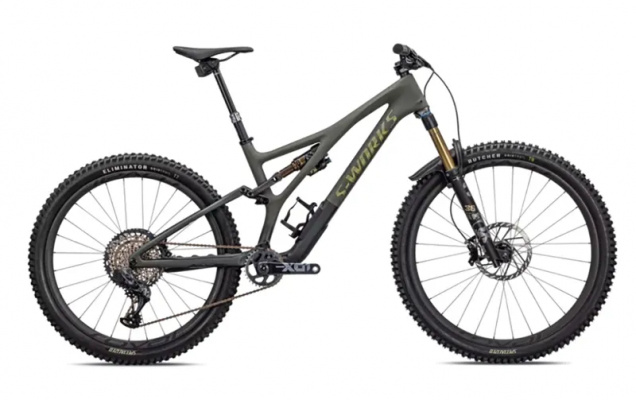
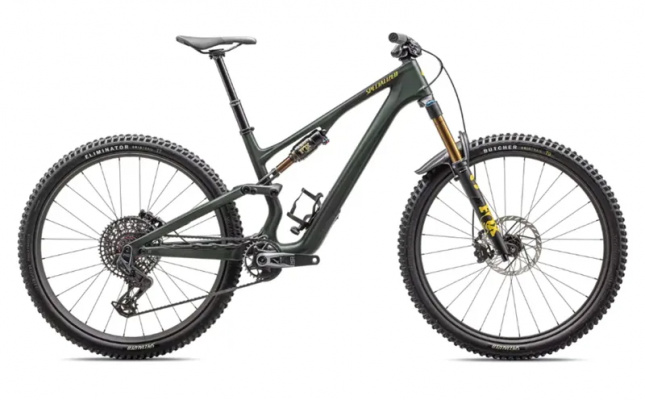
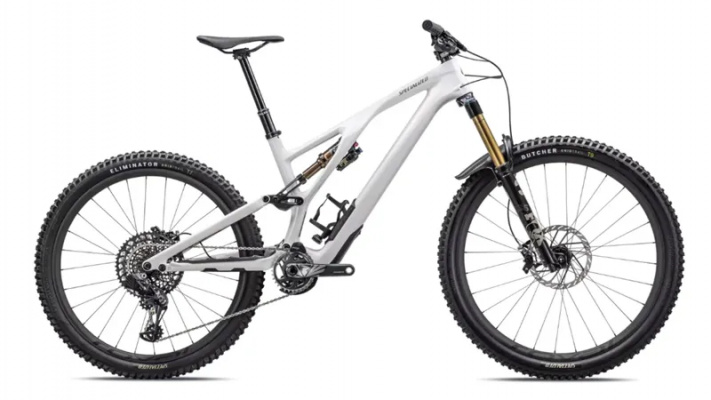
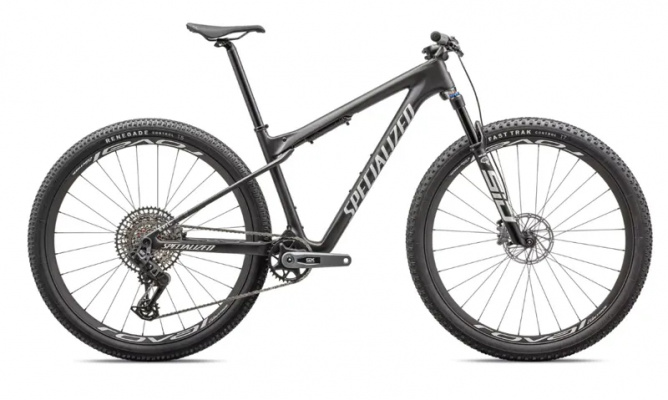
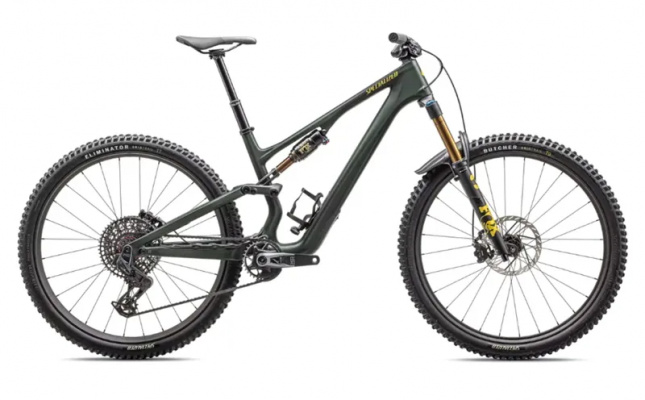
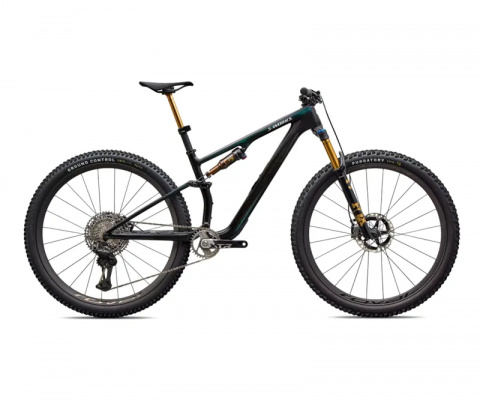
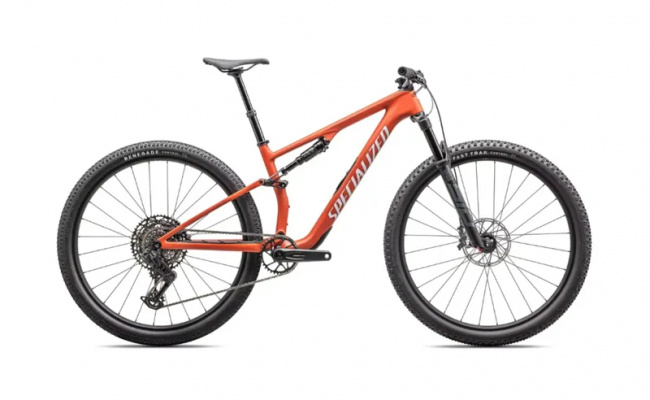
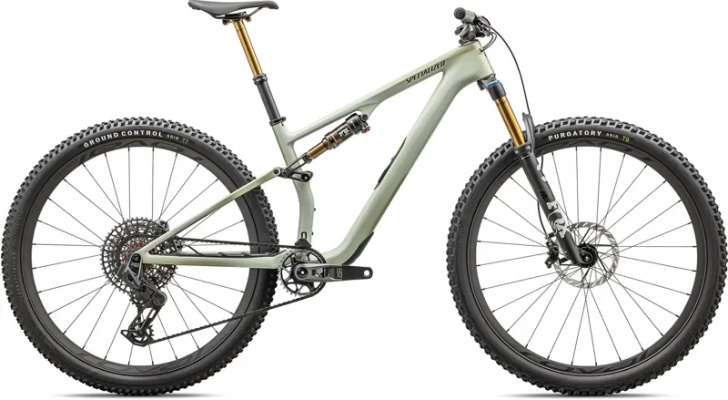
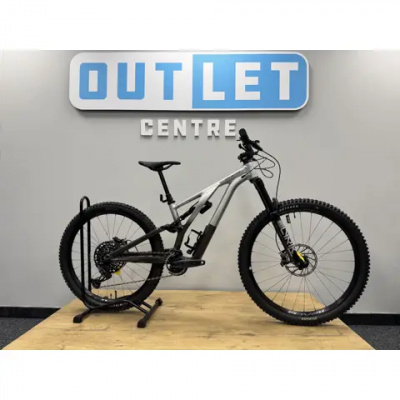
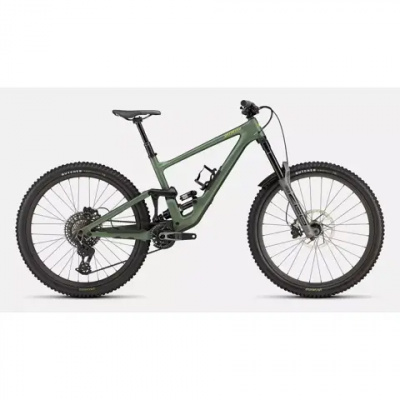
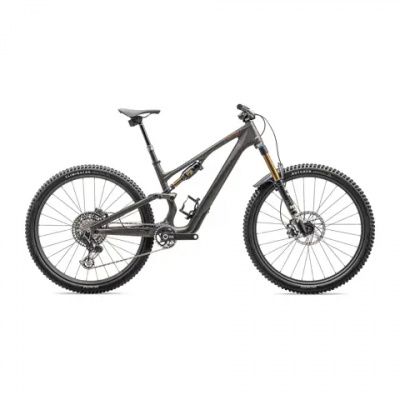
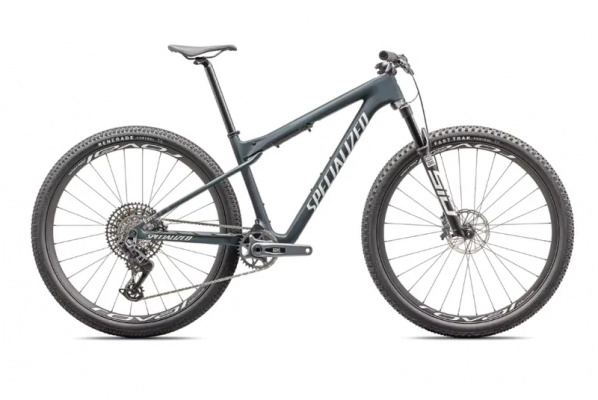
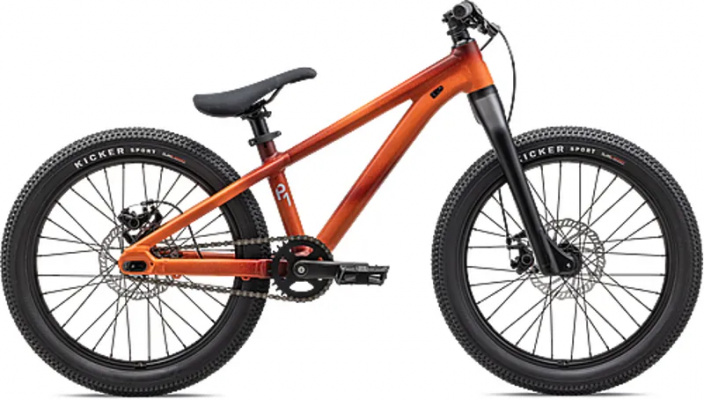
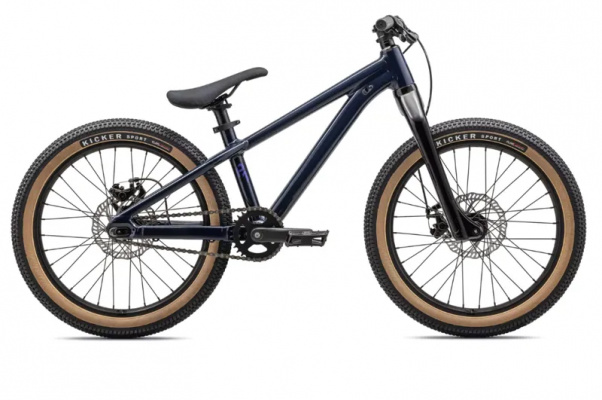
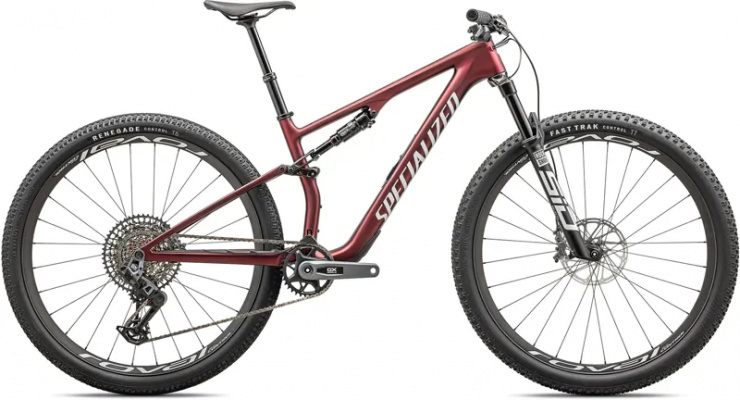
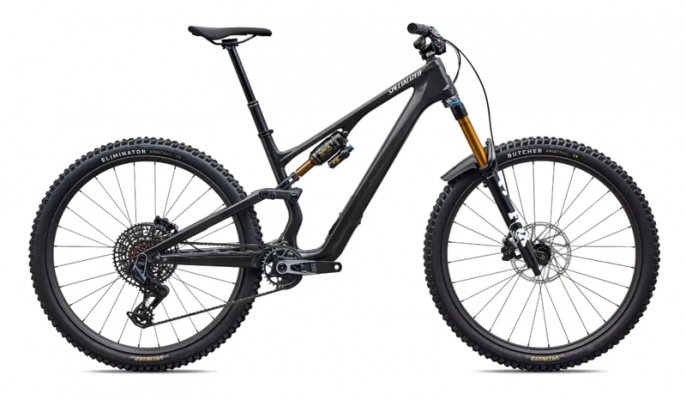
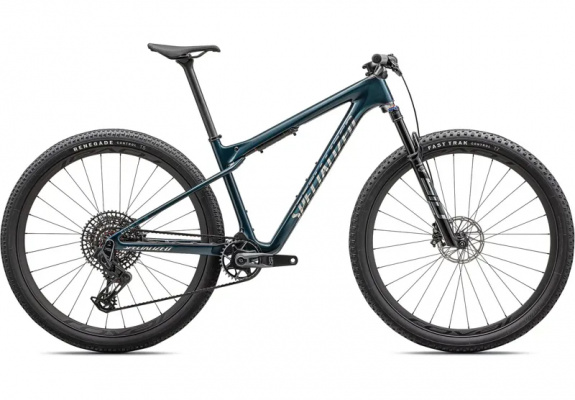
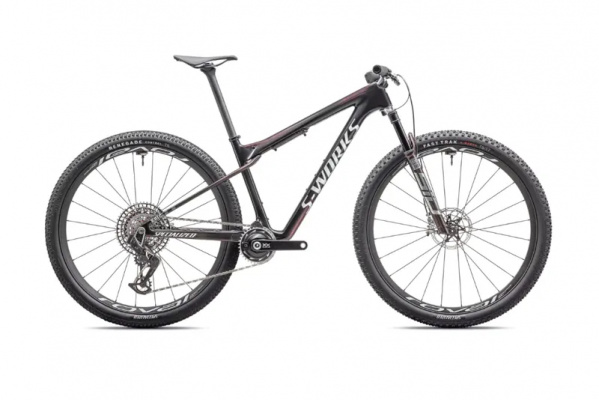
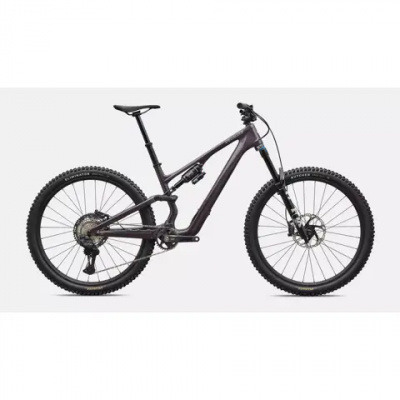
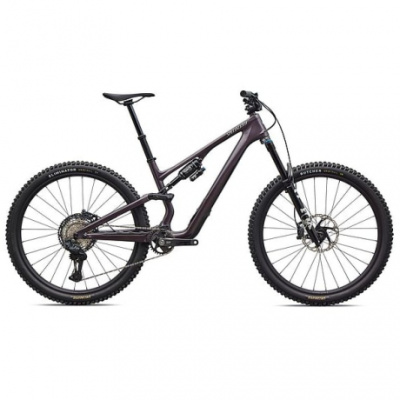
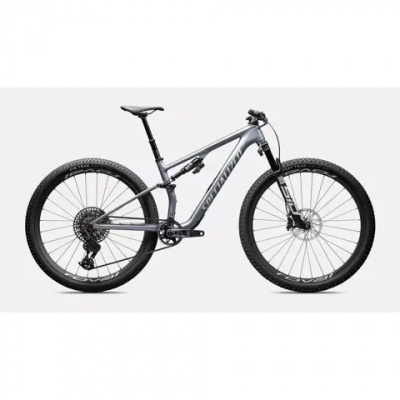
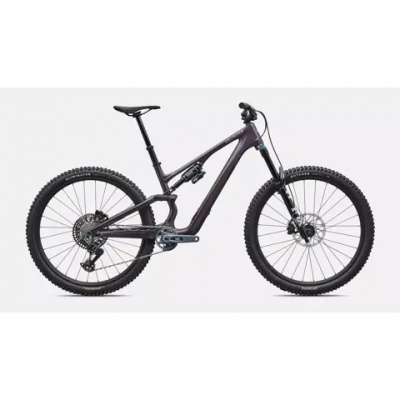
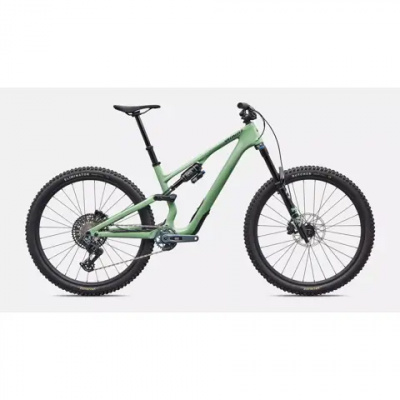
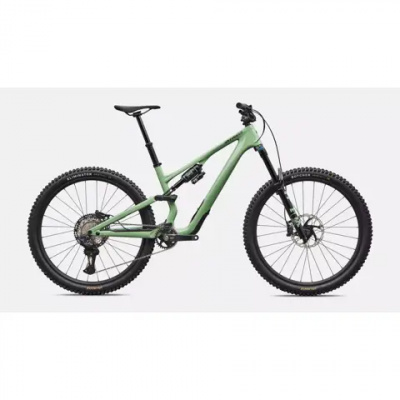
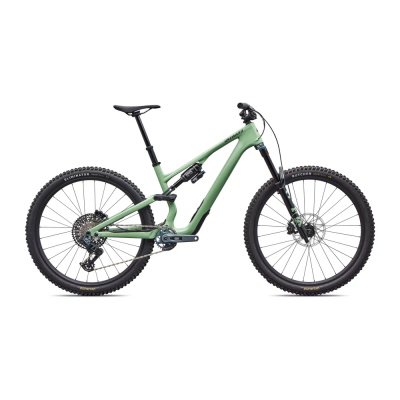
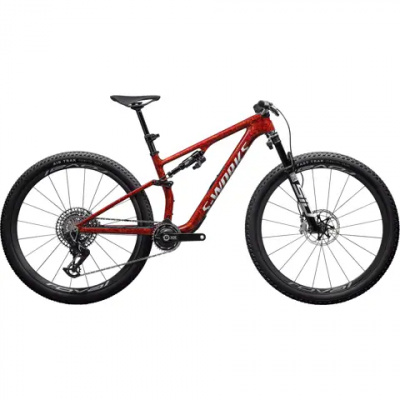
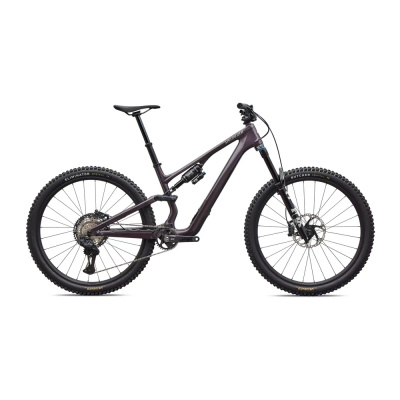
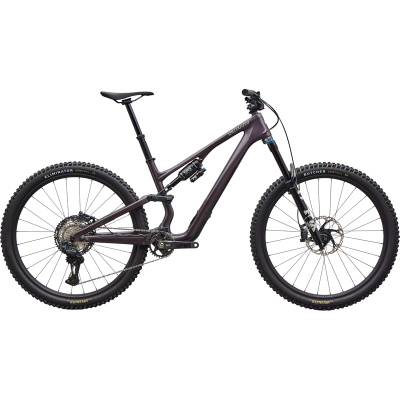
Prices and availability can change quickly. Delivery charges are not always included in listed prices.
Final price, stock status and delivery terms are set by retailer. We may receive a commission on purchases made.
Making Sense of the Specialized Range
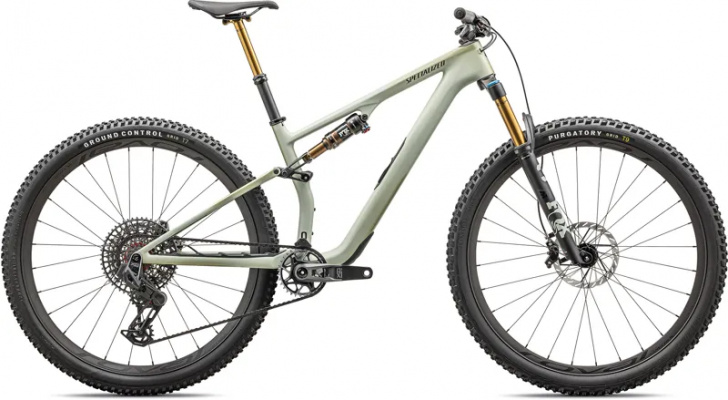
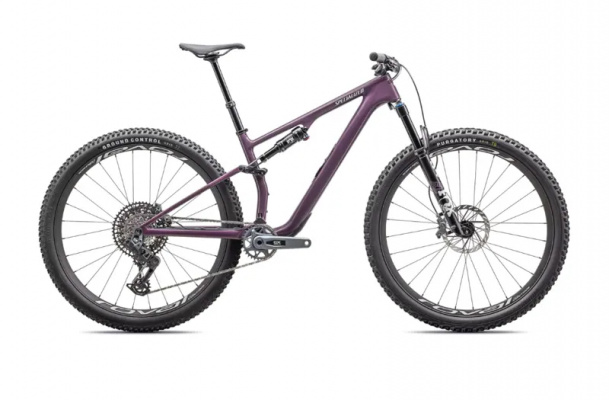
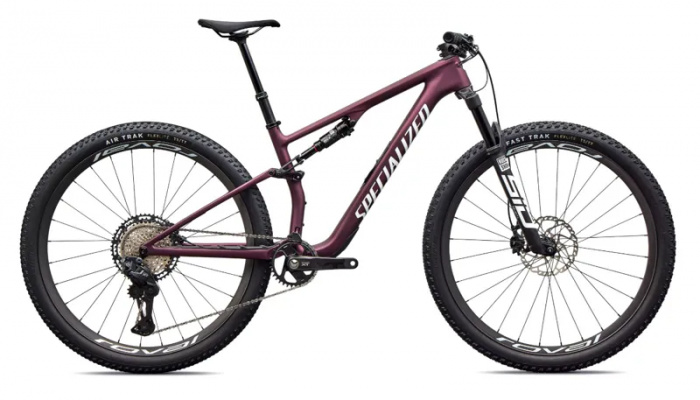
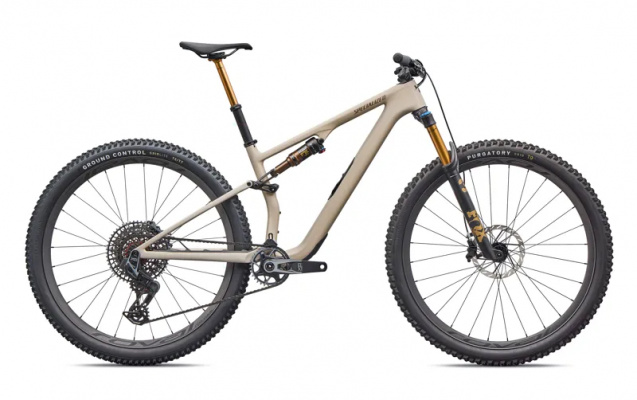
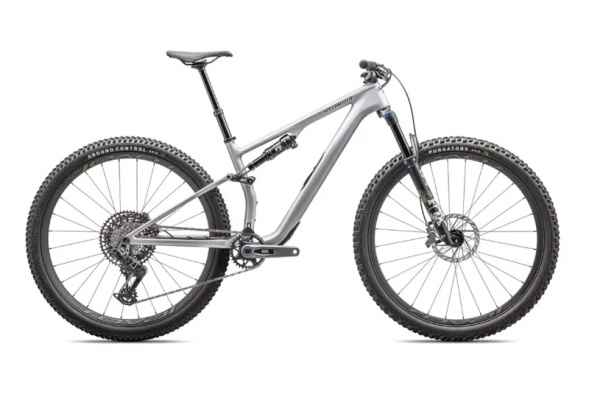
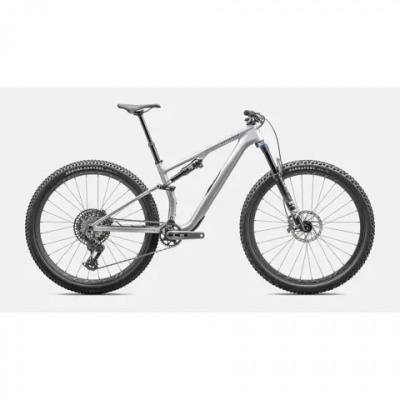
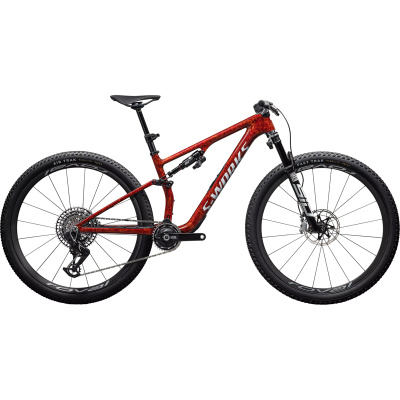
It's a broad lineup, and the model names don't always make it obvious who each bike is for. Start with the Epic: this is Specialized's XC and downcountry weapon. Brain shock technology - an inertia valve that firms the rear suspension under power and opens it on impact - keeps the platform efficient when you're grinding out climbs, then active when the ground gets rough. It's a race tool, but the downcountry variants have enough travel to handle more than smooth hardpack.
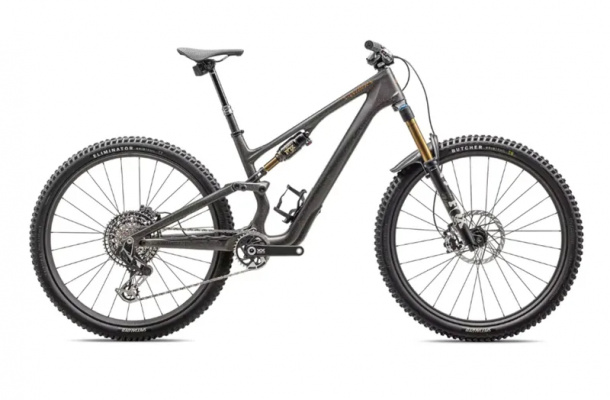
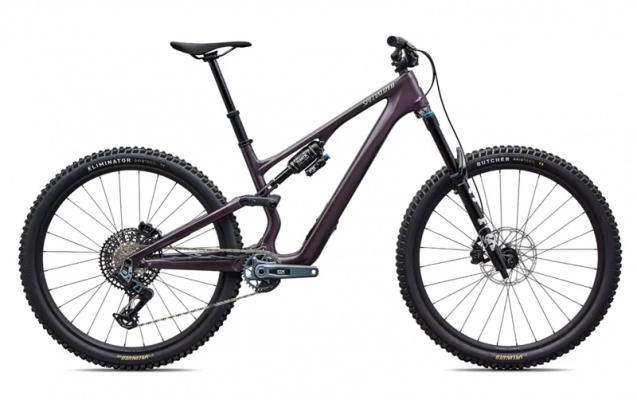
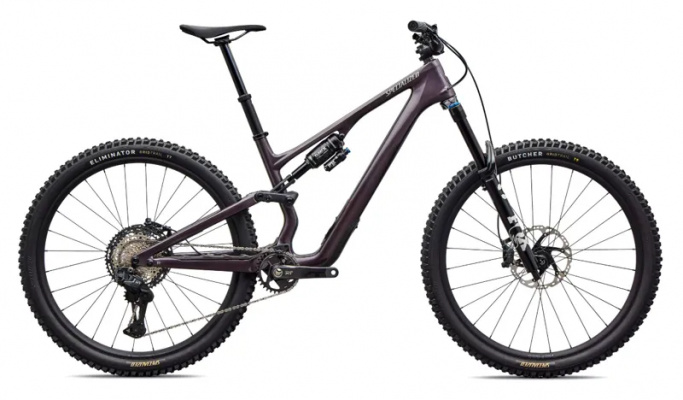
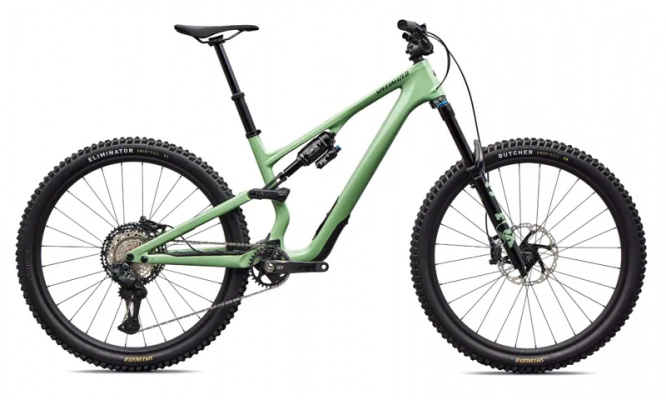
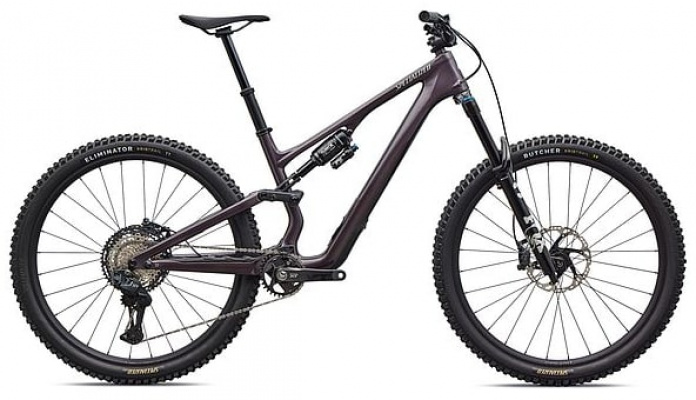
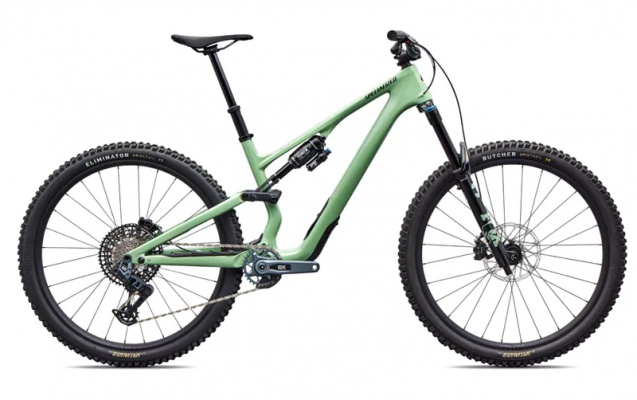
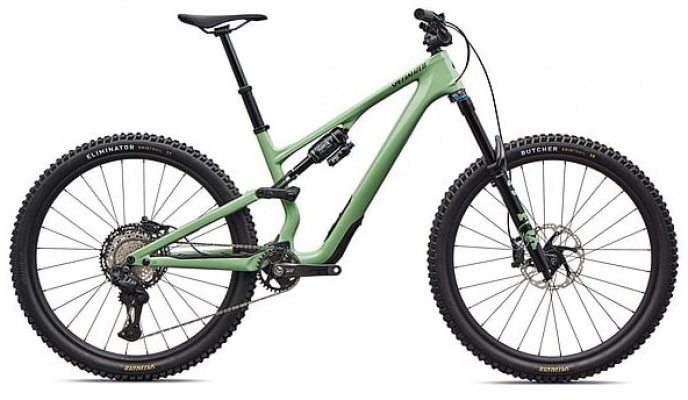
The Stumpjumper is where most riders land. It's a trail bike in the truest sense - capable enough to handle a proper Peak District gritstone descent, light enough that you don't resent it on the climbs. Full FSR suspension, 130 - 140mm of travel depending on spec, and that S-Sizing geometry framework make it the default recommendation for riders who want one bike to do most things well. If you're weighing it up against something like the Cannondale mountain bike range or options from Giant, the Stumpjumper's kinematics and geometry refinement are the differentiators worth examining.
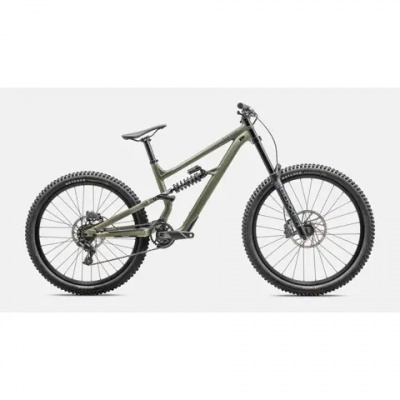
The Enduro is a different animal. More travel, slacker head angle, built for riders who point the nose downhill and mean it. It handles rough, committing lines confidently, but you'll feel the extra weight on long climbs. The Specialized Stumpjumper vs Enduro question usually comes down to how much time you spend going up versus how fast you want to go down - honest answer, most UK riders are better served by the Stumpjumper.
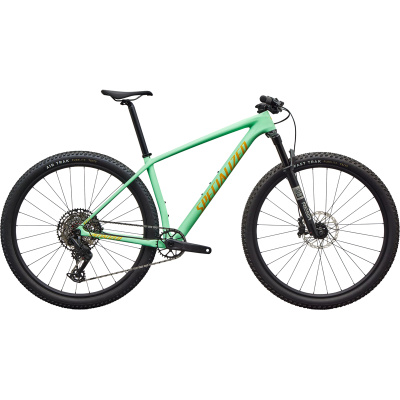
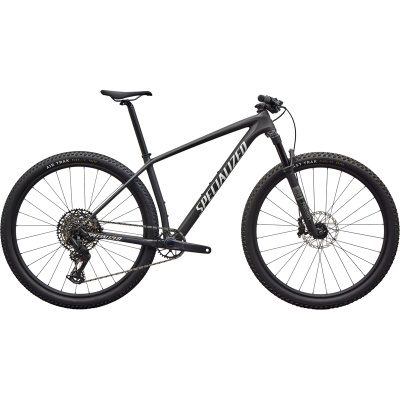
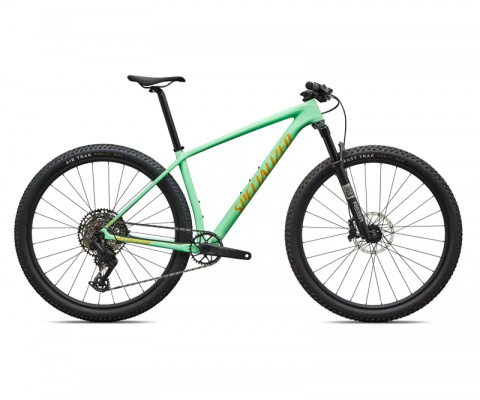
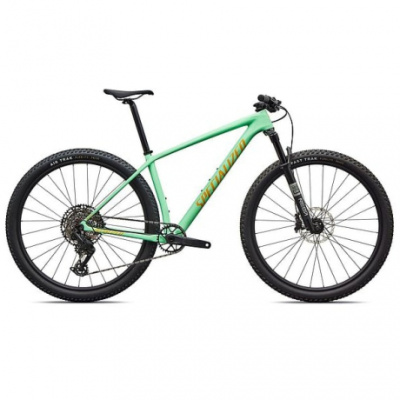
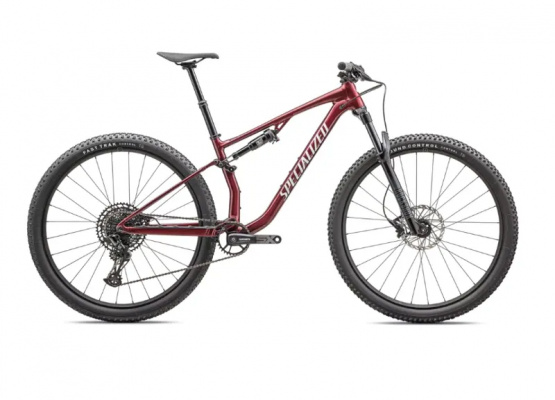
On the hardtail side, the Rockhopper and Chisel cover entry to mid-level ground. The Rockhopper uses M5 alloy - Specialized's manipulated aluminium - and suits riders getting started on trail centres or XC riding. The Chisel is more XC-focused, lighter, and designed for efficiency over rough edges. Specialized hardtail MTB options at this level offer genuine trickle-down thinking from the top of the range: the geometry is sensible, the tube profiles are considered, and they don't ride like afterthoughts.
Trim levels follow a consistent ladder: Base keeps costs down with reliable entry components; Comp is the enthusiast level where things get noticeably more capable; Expert brings high-end groupsets and suspension; Pro is race-ready out of the box; and S-Works is the no-compromise top, built around FACT 11m or 12m carbon - some of the most refined fibre layups in the industry. If you're considering alternatives at the premium end, Ibis is worth a look for its own carbon engineering, though Specialized's sheer breadth of spec options is hard to match.
The Engineering Behind the Bikes
FSR suspension - Future Shock Rear, though Specialized tend to just say FSR - is the backbone of every full-suspension model in the range. The key to it is how it isolates chain forces and brake forces from the suspension's movement. Most linkage designs compromise: pedalling stiffens the rear, braking does the same. FSR's four-bar kinematics work to keep the wheel tracking the ground regardless of what your drivetrain or brakes are doing. The result is a rear end that feels active and composed at the same time. It's not magic, but the engineering is genuinely well thought through.
FACT carbon - Functional Advanced Composite Technology - is Specialized's term for their in-house carbon fibre development. Different grades are used at different price points, with FACT 11m and 12m reserved for S-Works models. The layup schedules are specific to each frame, meaning the carbon isn't just wrapped around a generic mould - it's placed to manage stress where it actually occurs. For UK riders hammering rocky Tweed Valley lines or dropping into rooty Welsh singletrack, that precision in the carbon structure translates to a frame that feels stiff where you want it and compliant where you don't.
S-Sizing deserves its own moment. Traditional sizing used seat tube length as the primary variable - essentially a legacy of road cycling that never made much sense for mountain bikes. Specialized built their sizing around reach and wheelbase instead. What this means practically: two riders of the same height might choose different sizes depending on whether they want a more playful, manoeuvrable feel or a planted, confidence-inspiring one at speed. On steep, wet Tweed Valley roots, sizing up for that longer wheelbase can make a real difference. It's worth thinking about before you order.
The SWAT box - Storage, Water, Air, Tools - integrates into the downtube and gives you a compartment for a multi-tool, tyre levers, and a CO2 or small pump. It means you can ditch the hydration pack for shorter rides without sacrificing your ability to deal with a puncture. Pair it with Specialized's own mini pumps and the system works neatly. One thing to check: keep the SWAT door seals clean and supple, because on proper wet Welsh days, water finds a way in if the rubber degrades.
Running a Specialized in UK Conditions
FSR pivot bearings are the maintenance item most riders underestimate. In gritty winter conditions - think Peak District grit roads between trail sections, or the fine silty mud that coats everything in the Brecon Beacons - those bearings work hard. A rinse after muddy rides and a proper bearing check every few months keeps the suspension moving as designed. Neglect them and you'll feel it: the rear end starts to feel vague and sticky rather than active.
Modern Stumpjumpers run excellent tyre clearance for a 29er - enough to fit a chunky 2.4 or 2.5-inch tyre without worrying about Welsh winter mud packing the frame. If you're riding predominantly in wet, loamy conditions, it's worth considering a tyre swap from stock - check out Specialized's MTB tyre range for compatible options. The linkage design also sheds mud reasonably well compared to tighter, more enclosed designs, which matters when you're deep into a winter ride and the bike is already carrying an extra kilogram of clinging clay.
Peak District rock strikes are a real consideration if you're riding gritstone edges and bridleways with loose rock. A quality downtube protector is worth fitting early - Specialized's own frame protection options are designed specifically for their tube profiles. The SWAT box adds a natural reinforcement zone on the lower downtube, but the upper section still benefits from a wrap. While you're sorting the bike out, a comfortable Specialized saddle matched to your sit-bone width makes longer days in the saddle noticeably more manageable.
On the Specialized Rockhopper vs Chisel question for UK riding: if your local trails involve a lot of climbing and you want something efficient on hard-packed or semi-technical ground, the Chisel's XC leanings serve you better. If you're doing mixed trail centre riding with a few rougher sections, the Rockhopper's slightly more relaxed geometry gives you a bit more confidence in reserve. Neither is wrong - it's about what your typical ride looks like. As a broader reference point, Cube's mountain bike range offers comparable hardtail options at similar price brackets if you want to compare the field.
Related searches:
Specialized Mountain Bikes FAQs
Are Specialized mountain bikes worth the money?
Yes, consistently. The R&D investment is real - FSR suspension kinematics, FACT carbon development, and S-Sizing geometry refinement all originate from genuine engineering work rather than marketing. Even the Rockhopper benefits from trickle-down thinking developed at World Cup level. You're paying for a company that takes the engineering seriously at every price point.
What is the difference between Specialized Rockhopper and Stumpjumper?
The Rockhopper is an M5 alloy hardtail - no rear suspension, suited to XC riding, light trail centres, and riders building their skills or budget. The Stumpjumper is a premium full-suspension trail bike with FSR kinematics, built for technical descents and all-mountain riding. They're genuinely different tools for different kinds of riding.
How does Specialized S-Sizing work?
S-Sizing is built around reach and wheelbase rather than seat tube length. In practice, it means you choose your size based on riding style as much as body size. Size down for a nimbler, more playful feel on tight singletrack; size up for a longer wheelbase and more stability at speed on steep ground. It's worth thinking about before you commit.