
Specialized Full Face Helmets
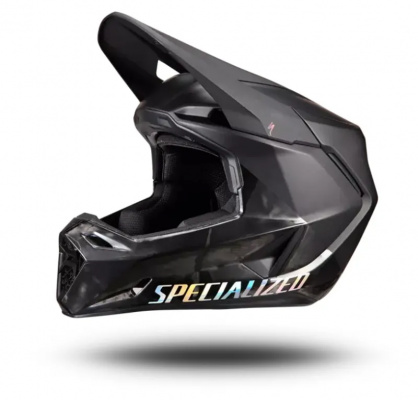
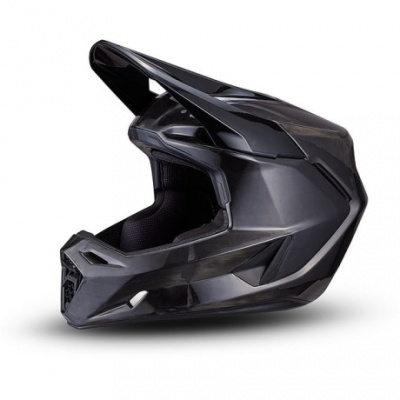
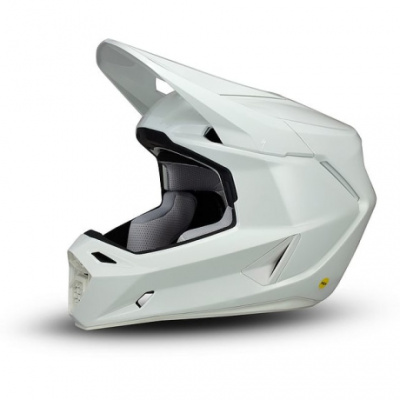
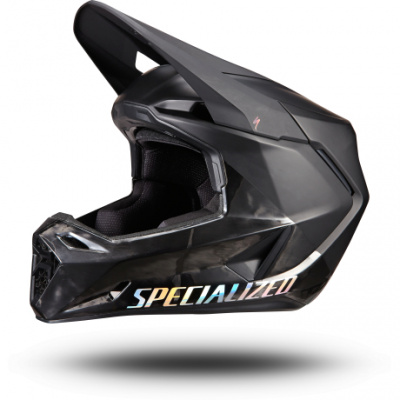
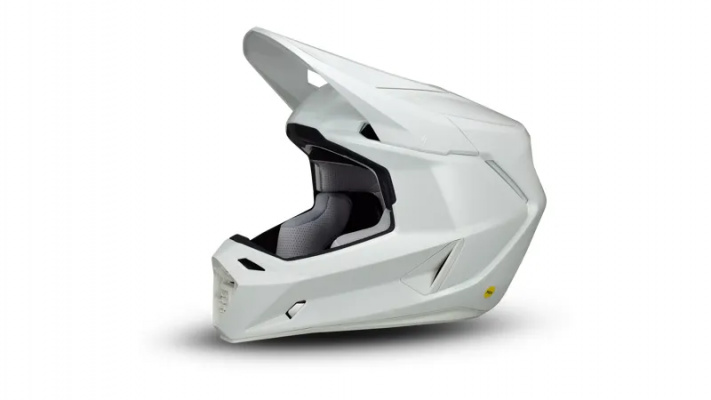
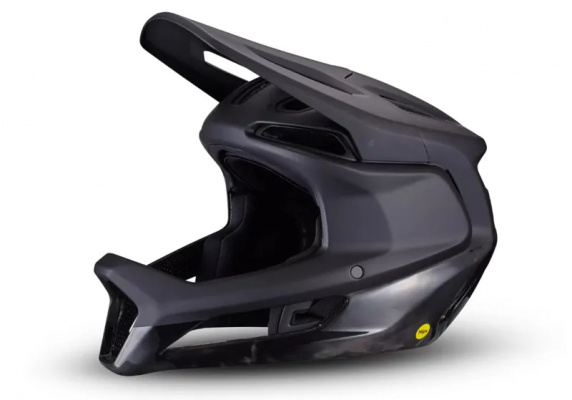
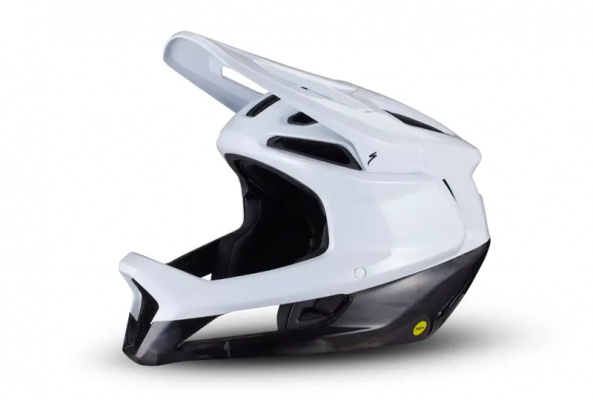
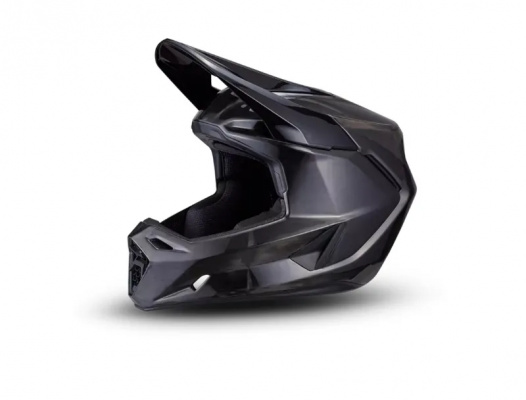
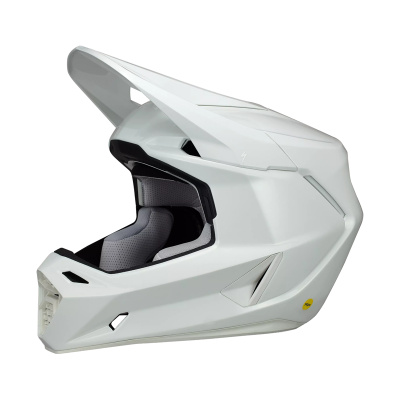
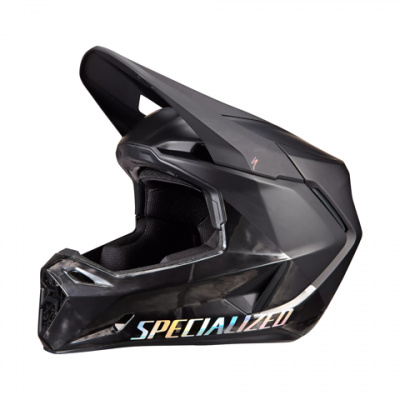
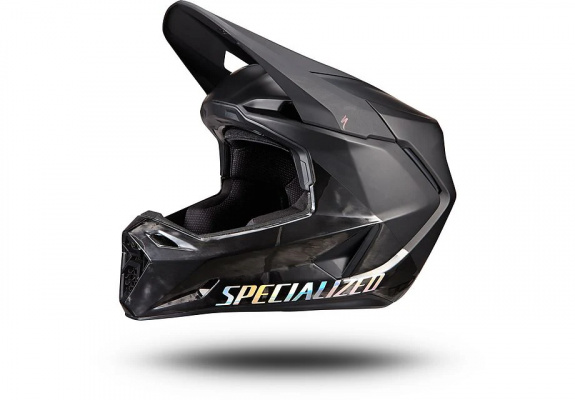
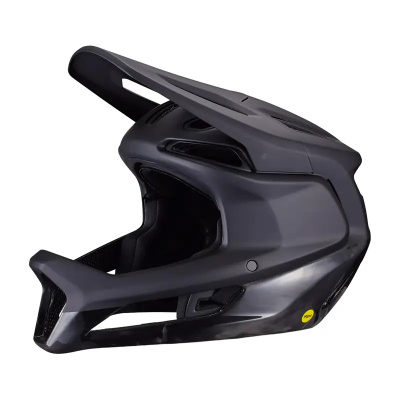
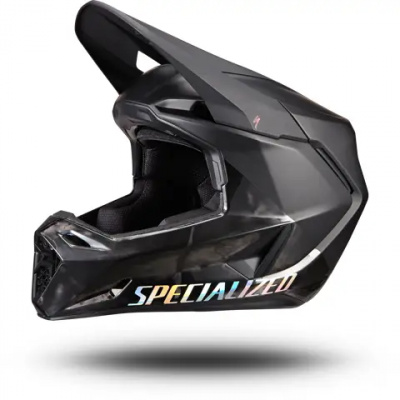
Specialized full face helmets sit at a genuinely interesting crossroads: proper gravity protection that doesn't punish you on the way up. Whether you're threading the rocky chutes above Afan or hammering laps at Glentress, the range covers everything from all-day enduro missions to flat-out downhill racing. MIPS rotational impact technology runs through the line, working alongside dual-density EPS foam to manage both direct and angled impacts - the kind you actually have when you go over the bars rather than land on a test rig. ANGi crash sensor compatibility means you can pair select helmets with Specialized's alert system, which notifies your contacts if a significant impact is detected. Two models do the heavy lifting: the Gambit handles enduro and e-MTB duties where you're still pedalling meaningful climbs, while the Dissident steps up to a carbon matrix shell for riders who spend their day in a bike park shuttle queue. Both carry ASTM F1952 downhill certification. Ventilation is taken seriously across the range - the 4th Dimension Cooling System isn't just marketing copy, it's the reason you're not riding blind behind a fogged goggle on a damp Welsh hillside. We'll break down exactly what separates the two and how to get the fit right.
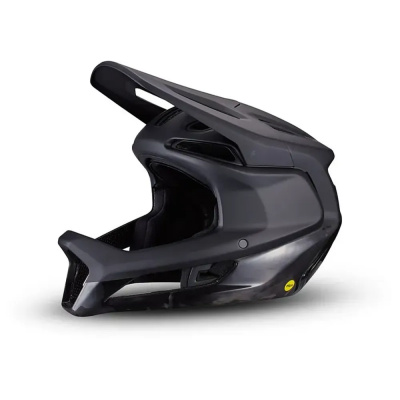
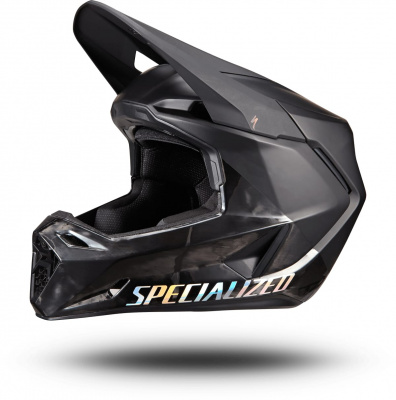
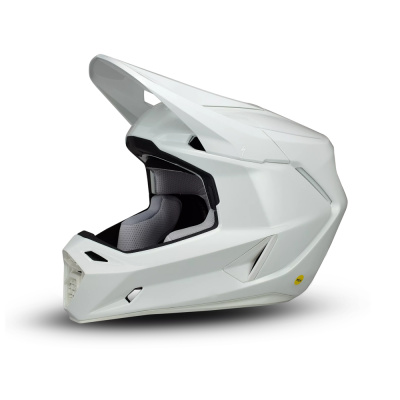
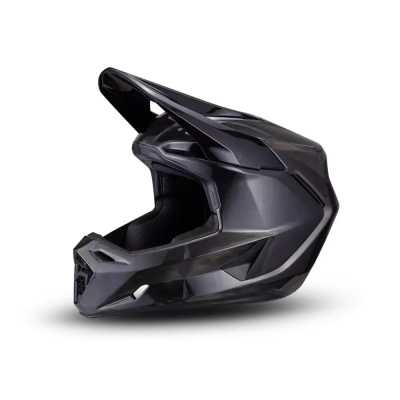
Prices and availability can change quickly. Delivery charges are not always included in listed prices.
Final price, stock status and delivery terms are set by retailer. We may receive a commission on purchases made.
Impact Tech and How These Helmets Cope With UK Weather
The split between the Gambit and Dissident starts at the shell. The Dissident uses a carbon matrix shell - stiffer, lighter for its protection level, and notably good at distributing impact loads across a wider area before they reach the EPS liner. The Gambit runs a polycarbonate shell with EPS foam, which is a perfectly proven combination for enduro-pace riding and considerably friendlier on the wallet. Both use dual-density EPS, meaning the foam is tuned in zones - firmer where direct impacts are more likely, softer where the geometry of the head demands more graduated absorption. That's not exotic; it's just done well here.
MIPS - the Multi-Directional Impact Protection System - adds a low-friction slip plane between your head and the helmet's inner structure. In an angled impact (which is most real crashes), it allows the helmet to rotate slightly relative to your skull, reducing the rotational forces transmitted to the brain. It adds a small amount of weight and you won't feel it during a ride, but the physics are sound and the independent data backs it up.
ANGi crash sensor compatibility is worth flagging. The ANGi sensor clips into a rear port and connects via Bluetooth to the Specialized Ride app. If it detects a hard impact and you don't respond to a check-in prompt, it sends your GPS location to nominated contacts. It's not a substitute for a riding partner, but solo riders in remote spots - think the upper trails on the Tweed Valley or a quiet Tuesday in the Peaks - will find it a genuinely useful safety net.
The 4th Dimension Cooling System is where the wet-weather argument gets interesting. Large intake ports on the chin bar funnel air through internal channels and out via rear exhaust vents, creating enough throughput to keep goggles clear during the kind of slow, steep climbing that would fog most lids solid. High humidity and persistent drizzle are the norm for a good chunk of the UK riding calendar, and a helmet that ventilates properly in those conditions earns its place. The channel design also stops hot air pooling around the forehead - genuinely useful on the walk-ups that precede every good descent.
Gambit vs Dissident: Matching the Helmet to How You Ride
The Gambit is the one most UK riders will land on. It's designed for the rider who pedals up and then sends it down - enduro race format, trail centre laps with real climbing, or e-MTB days where you're still generating heat on the way to the top. The weight saving over a traditional DH lid is noticeable across a full day, and the ventilation spec means it won't cook you during a long fire-road grind in August. It still meets ASTM F1952 downhill certification, so the protection credentials aren't compromised for the sake of airflow.
The Dissident is built around different priorities. The carbon shell adds stiffness and impact distribution that DH racers at EWS-calibre speeds genuinely need. It's heavier than the Gambit, and you'll notice that on any climb - which is exactly why it suits bike parks, shuttle services, and dedicated DH tracks where the lift does the work. Think Fort William race weekend, or a full day of uplift at BikePark Wales. If that's your riding, the Dissident's protection ceiling justifies the added weight without hesitation. Compare how both sit against alternatives from Fox full face helmets or Bell full face helmets if you want a broader picture of what's available at similar certification levels.
Getting the right size matters more in a full face than in an open-face lid, because you can't just tighten a dial and call it done. Specialized uses the SBC Integrated Fit System - a combination of sized shell increments and adjustable cheek pads - to dial in the fit. Measure your head circumference at the widest point (just above the ears and eyebrows) and cross-reference the size chart. The cheek pads are available in different thicknesses, so if you're between sizes or have a narrower face, you can usually tune the internal volume without buying a different shell. A correctly fitted Specialized full face should feel snug at the crown and cheeks without creating pressure points, and when you shake your head firmly, nothing should shift. If there's any roll - forward or sideways - you need to revisit the size or pad thickness. Zero movement is the target.
For open-face trail riding or XC days, you don't need a full face at all - our main helmets category covers trail and XC lids. And if you're hunting replacement cheek pads or a fresh liner, check the helmet spares section rather than replacing the whole helmet. For everything else heading downhill, Troy Lee Designs full face helmets and POC full face helmets are worth a look alongside the Specialized range on Bikesy.
Goggle Fit, Post-Ride Care, and Keeping Things Fresh
A full face helmet is only as good as its goggle interface. Specialized designs the brow and port geometry to work with standard MTB goggle frames - the gap between the goggle's foam and the helmet's brow port should be minimal or nonexistent. That gap (the gaper gap, in the vernacular) kills airflow, lets wind-driven rain straight in, and looks a mess. If you're seeing a significant gap, try adjusting your goggle strap length or check whether the goggle foam profile is compatible with the brow shape. Cylindrical-lens goggles often sit flatter and seal better on deeper-browed helmets like the Dissident.
Airflow through the 4th Dimension channels actively draws air across the goggle lens when you're moving, which is the main anti-fog mechanism. At near-standstill - waiting at a trail head in drizzle, say - there's no substitute for a goggle with a quality anti-fog coating. The helmet's venting does its job at speed; the goggle's lens needs to do its job at rest.
After a gritty day in the Peak District or a muddy slog through the Quantocks, the cheek pads and liner will need washing. Remove them - both the Gambit and Dissident use tool-free pad removal - and hand wash in cool water with a mild detergent. Don't machine wash; the antimicrobial treatment and foam cell structure both degrade faster with heat and mechanical agitation. Squeeze gently, reshape, and air dry away from direct heat. Regular washing also preserves the foam's density over time, which matters because compressed cheek pad foam means a looser fit and less effective impact absorption. It's a five-minute job and worth building into your post-ride routine. Pairing a clean helmet with fresh Specialized hydration packs and well-maintained Specialized frame protection keeps your whole kit in shape through a full UK season. If you're refreshing your whole setup, Specialized MTB tyres are worth checking while you're at it - a helmet upgrade and a tyre change often go hand in hand after a big off.
Specialized Full Face Helmets FAQs
How do I know if my Specialized full face helmet fits correctly?
The helmet should feel snug at the crown and cheeks without any pressure points you'd notice after ten minutes. Shake your head firmly - nothing should shift or roll. Specialized's SBC Integrated Fit System uses interchangeable cheek pads in different thicknesses, so if the shell fits but the cheeks feel loose, swap to a thicker pad before sizing up or down.
Are Specialized full face helmets suitable for enduro riding?
The Gambit is the one to look at for enduro. It's light, well-ventilated, and comfortable enough to pedal real climbs without cooking you, while still carrying ASTM F1952 downhill certification. The Dissident is heavier and better suited to bike parks or DH tracks where you're not doing meaningful climbing.
What is the difference between the Specialized Gambit and Dissident?
The Gambit uses a polycarbonate shell and prioritises low weight and high airflow - it's built for enduro and trail riding where pedalling matters. The Dissident steps up to a carbon matrix shell for greater impact distribution at higher speeds, making it the right call for dedicated downhill racing and bike park days. Both are ASTM F1952 certified, but the protection ceiling and weight differ meaningfully.