
Shimano Gravel Wheels
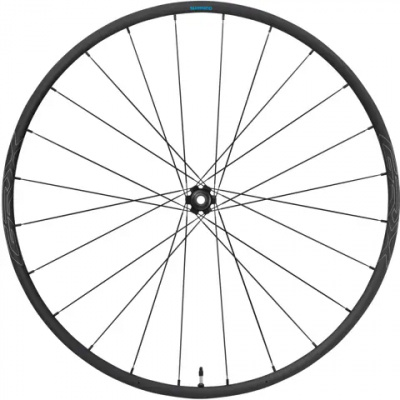
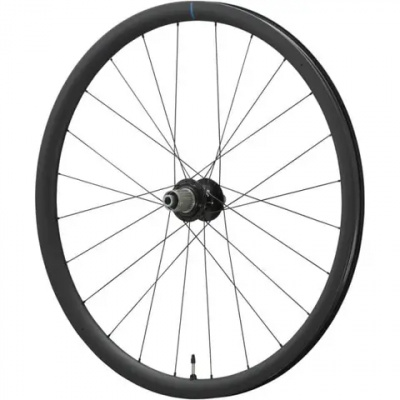
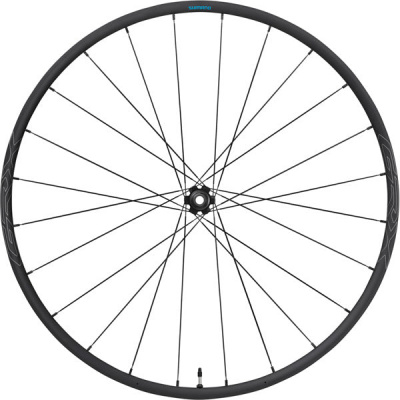
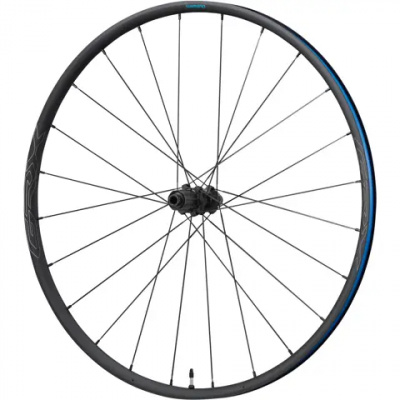
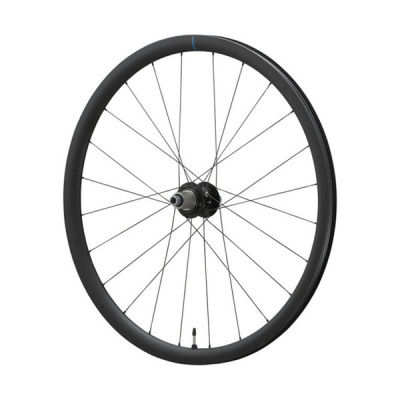
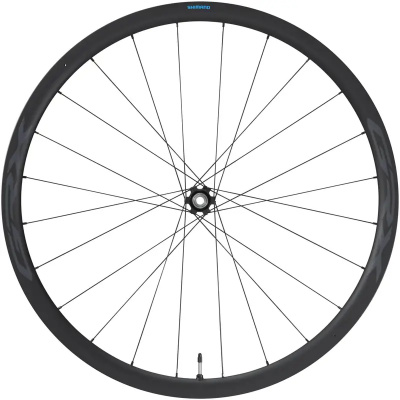
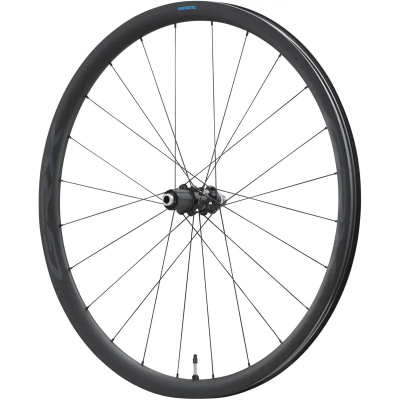
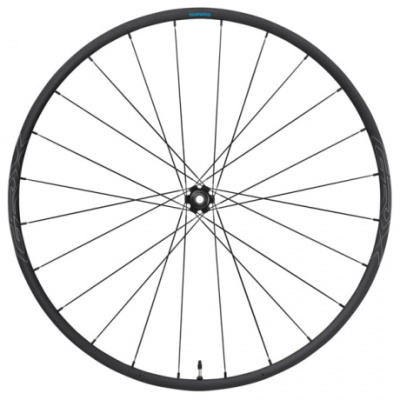
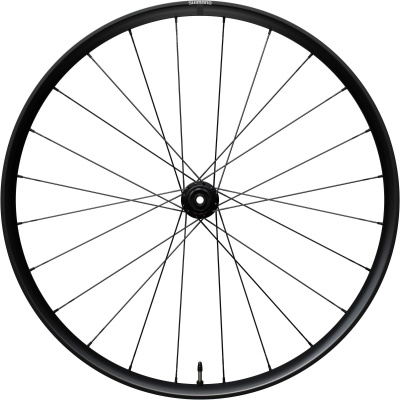
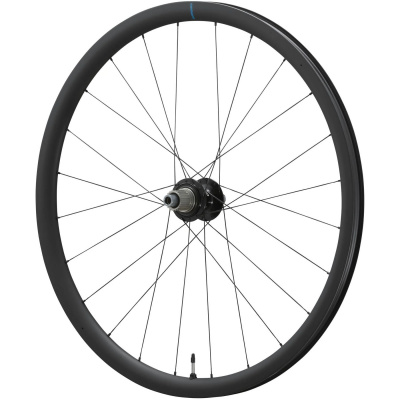
Shimano gravel wheels - anchored by the dedicated GRX lineup - bring the brand's hard-won reliability straight to the dirt. Whether you're grinding across flinty South Downs bridleways or loading up a bikepacking rig for a wet Scottish weekend, these wheelsets are built to keep turning when lesser hoops would be on the bench. Wider internal rim profiles, typically optimised for 38c tyres and beyond, mean you can run lower pressures without that squirming, vague feeling underfoot - better traction, more comfort, less second-guessing on loose stuff.
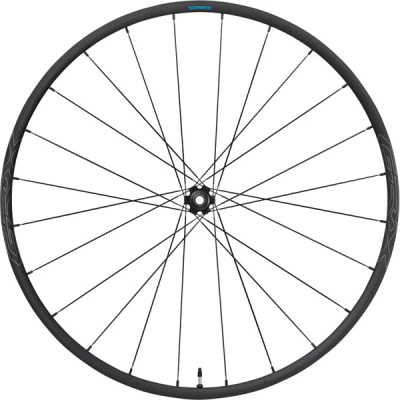
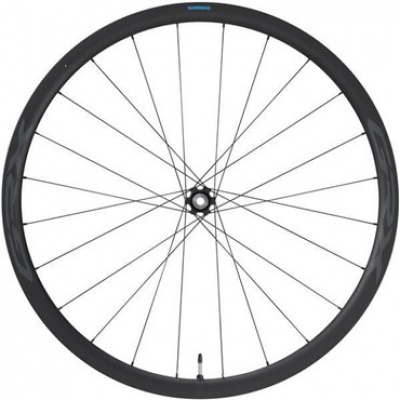
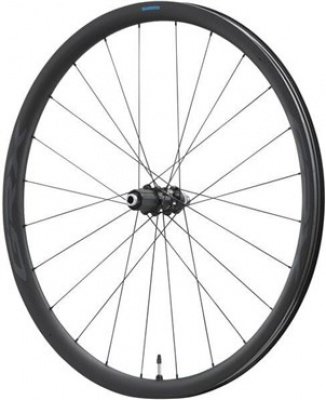
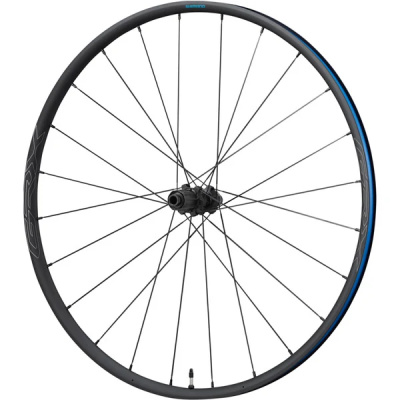
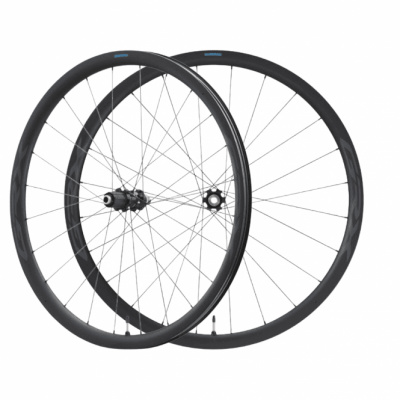
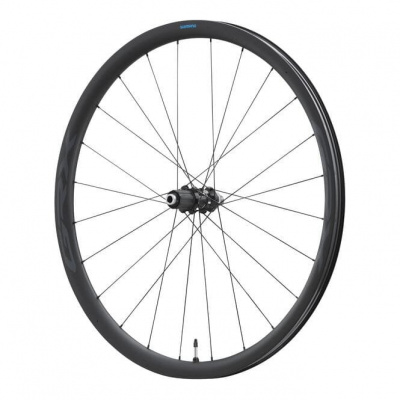
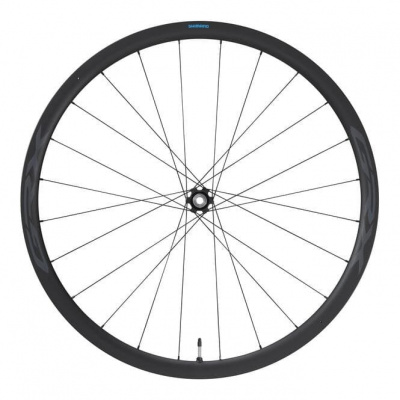
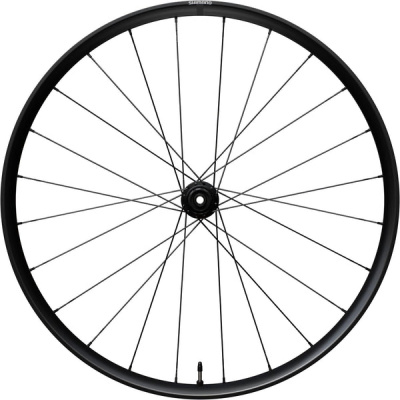
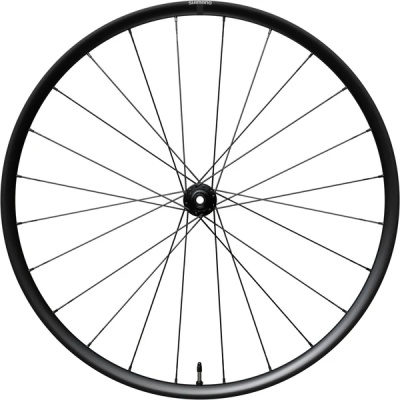
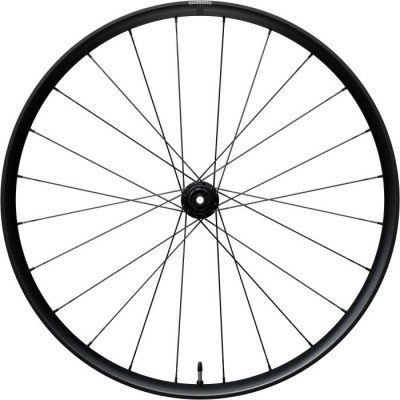
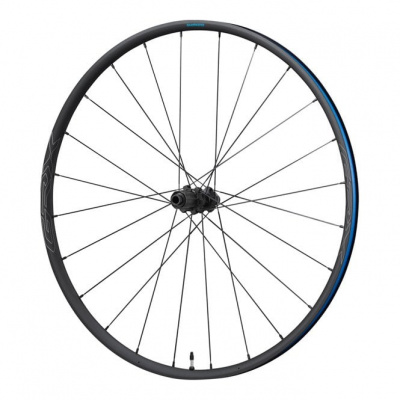
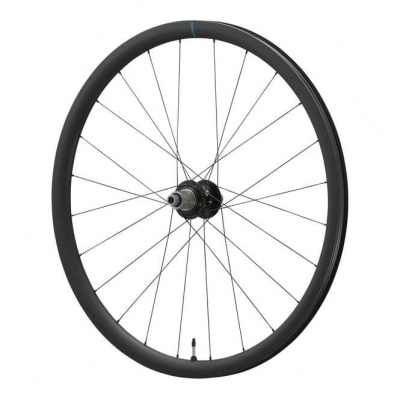
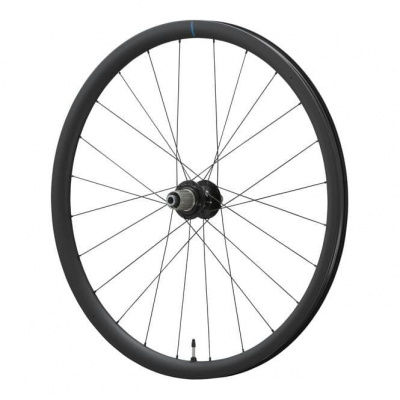
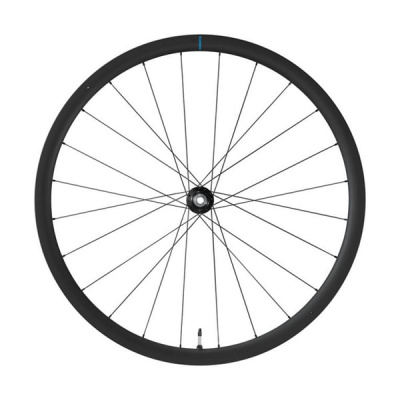
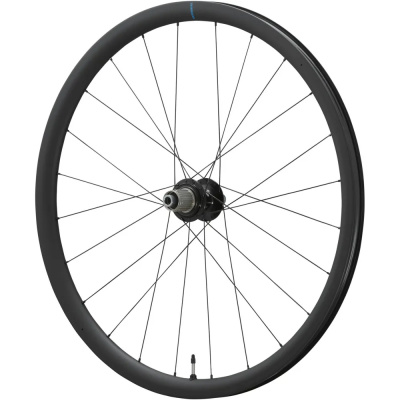
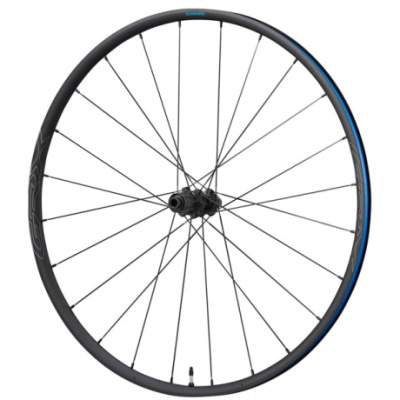
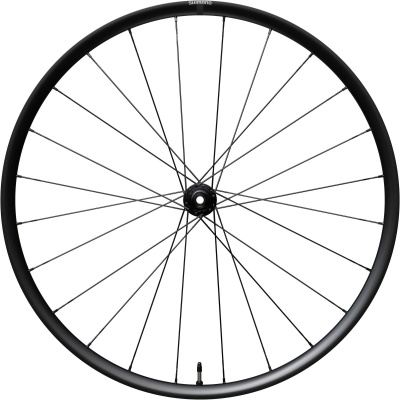
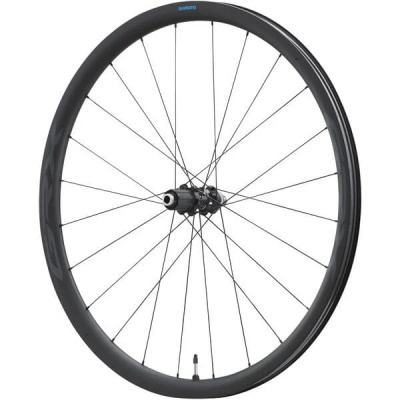
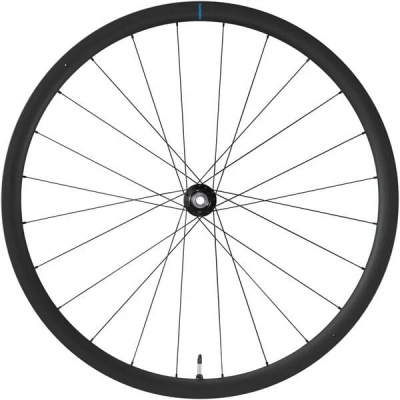
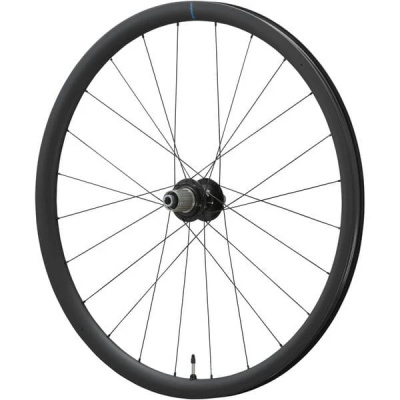
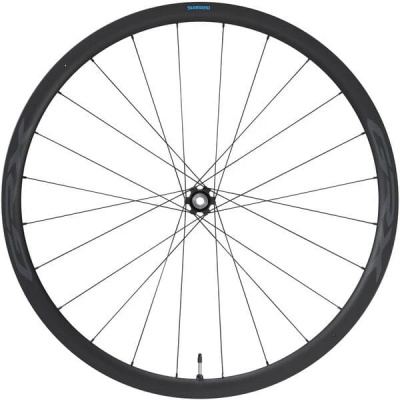
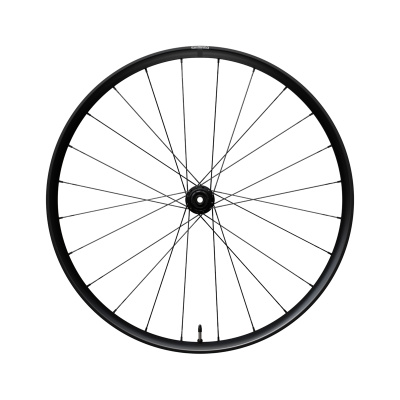
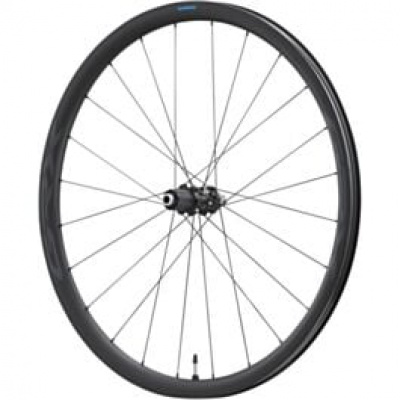
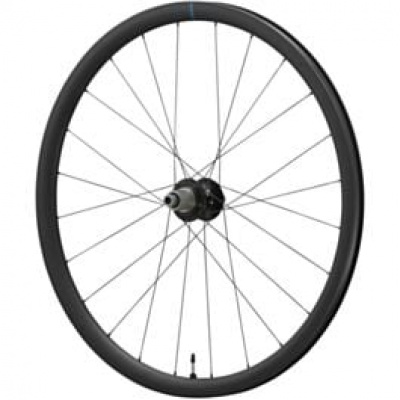
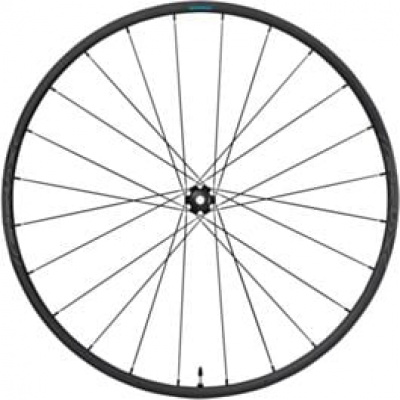
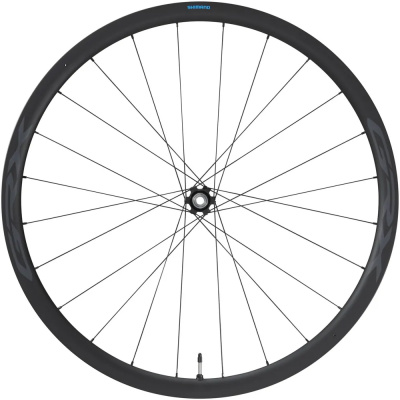
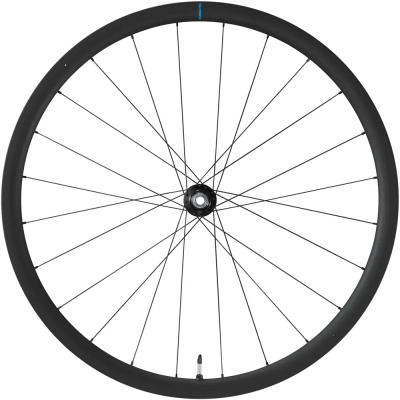
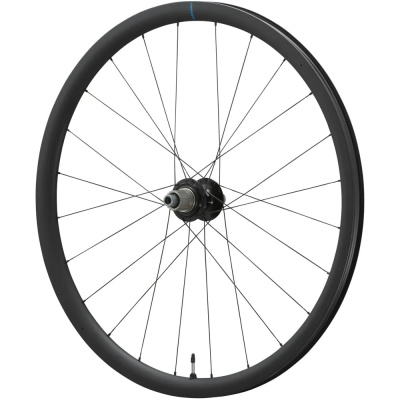
The engineering underneath matters too. Shimano's cup and cone bearings handle the lateral loads of gravel riding better than many cartridge alternatives, and they're fully rebuildable when the Peak District grit inevitably finds its way in. Labyrinth seals slow that process down considerably. Tubeless compatibility is standard across the current GRX range, with pre-taped rims and valves included so you're not hunting for parts before the ride. Centerlock disc rotor mounting keeps installation clean and braking force well distributed. From the workhorse alloy RX570 to the carbon-rimmed RX870 and RX880, there's a clear hierarchy here - durable and affordable at one end, genuinely lightweight and stiff at the other.
Prices and availability can change quickly. Delivery charges are not always included in listed prices.
Final price, stock status and delivery terms are set by retailer. We may receive a commission on purchases made.
Will They Fit Your Bike? Axle Standards and Freehub Bodies Explained
Modern Shimano gravel wheels run 12x100mm front and 12x142mm rear E-Thru axles as standard - that covers the vast majority of dedicated gravel bikes sold in the UK over the last five or six years. If you're running a older rim-brake or quick-release frame, these wheels simply won't work without significant modification, so check your dropouts before you get excited.
Freehub compatibility is where things get genuinely confusing, so pay attention here. If you're on a 10 or 11-speed GRX drivetrain, you need the traditional HG (Hyperglide) freehub body - standard fitment on most of the alloy-tier wheels. Step up to 12-speed GRX and you'll need a Micro Spline freehub body instead. The sprocket cluster on a 12-speed cassette is physically different and won't seat correctly on an HG body. Some wheels ship with one body and offer the other as a swap, but double-check before ordering. Running a Shimano 11-speed cassette on an existing build? You're fine with HG. Dropping into a 12-speed upgrade? Factor in the freehub situation from the start.
One more thing: all Shimano gravel wheels use the Centerlock rotor mounting standard exclusively. There's no 6-bolt option in the GRX wheel range. If your rotors are 6-bolt, you'll need a Shimano Centerlock adapter to make them work - a small, cheap fix, but worth knowing before the wheels arrive. Centerlock does make rotor swaps genuinely faster once you're set up, and the single lockring spreads braking force more evenly across the flange than six individual bolts.
The GRX Wheel Range: What You Actually Get at Each Level
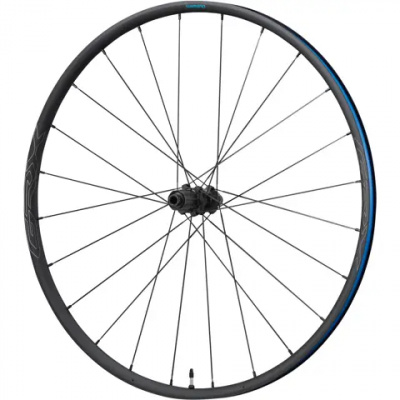
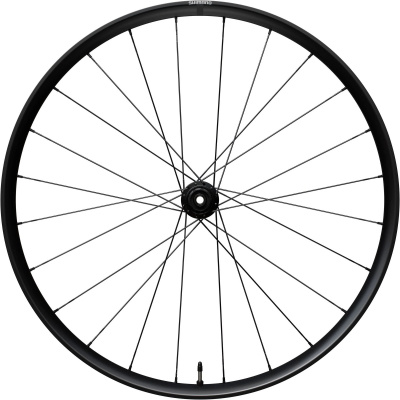
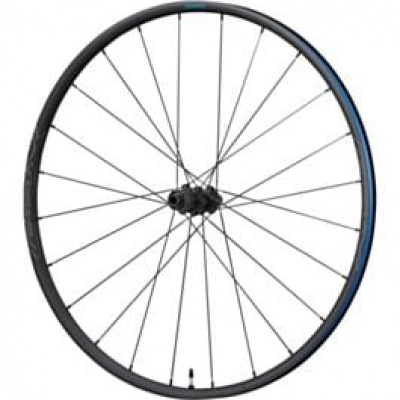
The RX570 is the starting point - an alloy wheelset that prioritises longevity over lightness. It's the wheel you reach for when the winter calendar is full of sodden bridleways and you'd rather not risk a carbon rim on a rutted farm track in January. Heavier than the carbon options, yes, but that weight is structural. Rims take knocks. Bearings get serviced and carry on. For riders who train year-round on gravel or use their bike for loaded touring, the RX570 is a sensible foundation rather than a compromise.
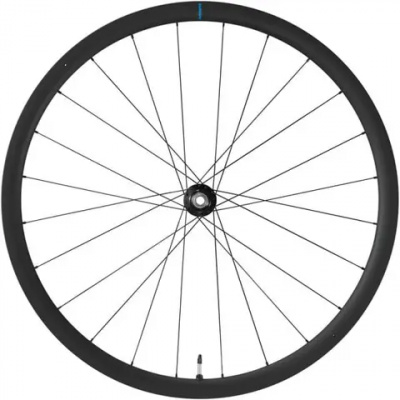
The RX870 and RX880 are a different conversation. Carbon rims bring a meaningful reduction in rotational weight - and on gravel, where you're constantly accelerating out of loose corners or punching up short, steep climbs, that saving in the wheels is worth more than the equivalent saving anywhere else on the bike. Less mass spinning at the rim means the bike responds faster when you put the power down. Carbon layup also absorbs high-frequency chatter from rough surfaces more effectively than aluminium, which translates directly into less fatigue on a long day out.
The RX870 and RX880 also feature Shimano's OPTBAL spoke lacing system, which balances spoke tension across the wheel under heavy torque loads. The practical upshot is a wheel that stays truer for longer when you're grinding hard on loose ground - less time at the truing stand, more time riding. D2 rim aerodynamics are part of the carbon spec too, though on gravel the gains are modest; the bigger win is structural stiffness from the deeper profile. If budget is the limiting factor and you want carbon performance without the full RX880 outlay, the RX870 hits the relevant marks for most UK gravel riders. For those considering alternatives at a similar price point, DT Swiss gravel wheels and Mavic gravel wheels are the obvious comparisons - both strong, both with their own engineering logic, but neither matches Shimano's ecosystem integration if you're already running GRX components throughout.
Bearing Care and Keeping the Wheels Rolling Through a UK Winter
Cup and cone bearings divide opinion, but Shimano's case for using them on gravel wheels is straightforward: they handle lateral loads better than most cartridge alternatives, and when they eventually wear, you can rebuild them rather than replace the entire hub. That matters when you're 30 miles into a bridleway route in the Brecon Beacons with no mobile signal.
UK riding conditions are hard on bearings - abrasive wet grit from bridleways works into anything with a gap. Shimano's Labyrinth seals do a solid job of keeping contamination out, but they're not invincible. A realistic maintenance schedule for regular UK gravel riding is to strip, clean, and repack the bearings with high-quality waterproof grease every six months - more often if you're riding through winter regularly or washing the bike with a pressure washer. This isn't difficult work, but it does require the right tools. A proper set of Shimano cone spanners makes the job significantly less frustrating - the cone flats are narrow and standard spanners will round them off quickly. Get the right tools once and the job takes twenty minutes.
If you're converting to tubeless - which we'd recommend for most UK gravel use - make sure the bead seats properly before you ride. Chalk-based paths like those on the South Downs can be punishing at low pressures, and a poorly seated bead will burp sealant at the worst moment. The GRX rims are tubeless-ready with pre-installed tape, but take the time to check the bead is fully locked before dropping pressure. Compared to Hope gravel wheels or Fulcrum gravel wheels, Shimano's tubeless setup is notably straightforward - the rim profile and tape spec are well matched from the factory.
To round out a GRX build, pairing these wheels with a compatible Shimano 10-speed cassette on an older build keeps the drivetrain cohesive and the shifting clean. The whole system is designed to work together, and that integration shows in day-to-day use.
Shimano Gravel Wheels FAQs
Are Shimano GRX wheels tubeless ready?
Yes - all current GRX wheels come tubeless ready from the box. The rims are pre-taped and tubeless valves are included, so you're not sourcing extra parts before the ride. Take care seating the bead properly before dropping to lower pressures, particularly on rough or loose surfaces.
What is the difference between Shimano GRX 570 and 870 wheels?
The RX570 uses an alloy rim - tough, repairable, and well suited to year-round riding where durability matters more than weight. The RX870 moves to a carbon rim, cutting rotational mass and improving vibration damping on rough surfaces. You'll feel the difference most on punchy climbs and long days where fatigue accumulates.
Do I need a Micro Spline freehub for Shimano gravel wheels?
Only if you're running a 12-speed GRX drivetrain. The 12-speed cassette requires a Micro Spline freehub body - it won't fit the standard HG body. On 10 or 11-speed GRX setups, the traditional HG freehub is correct. Check your cassette spec before ordering to avoid a frustrating mismatch on delivery day.