
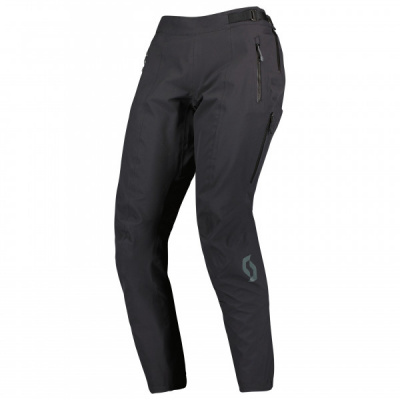
Scott Overtrousers
Scott Cycling Overtrousers deliver the sort of foul-weather protection you'd expect from a brand that's been testing kit in the Swiss Alps for decades. No shortcuts, no compromises. The problem with most rain trousers is simple: they either let water in or trap sweat inside until you're riding in your own personal steam room. Scott's approach sidesteps that trap entirely, pairing DRYOsphere membranes with articulated cuts that follow the pedalling position rather than fight it. You get proper waterproofing without the boil-in-the-bag misery that plagues cheaper shells.
The range spans disciplines too. Trail Storm models bring Cordura reinforcement and room for knee pads when you're threading Scottish singletrack in February. Commuter shells lean into reflective panels and packability for the urban grind. Both share the same core philosophy: keep you dry, keep you moving, and don't add unnecessary bulk when you're already wrestling wind and rain. If you've ever bailed on a ride because the forecast looked grim, these are the trousers that change the calculation.
Prices and availability can change quickly. Delivery charges are not always included in listed prices.
Final price, stock status and delivery terms are set by retailer. We may receive a commission on purchases made.
Engineering the Elements: DRYOsphere & Material Tech
Are Scott cycling trousers waterproof? Absolutely. DRYOsphere is Scott's proprietary non-porous hydrophilic membrane, and it's the engine room here. Unlike simple coated fabrics, this membrane actively manages moisture transfer. Hydrostatic head ratings typically sit between 10,000mm and 20,000mm across the range, which means the fabric can withstand serious sustained rainfall before water starts pushing through. For context, 10,000mm handles heavy showers; 20,000mm laughs at the sort of deluge that turns bridleways into streams.
Breathability matters just as much. A high hydrostatic head means nothing if you're soaked from the inside out. DRYOsphere's hydrophilic structure pulls moisture vapour away from your skin and pushes it outward, so you're not marinating in your own effort on a long climb out of the Peaks. Fully taped seams seal every stitch line - no weak points where water can sneak through. The DRYOzone DWR treatment on the outer fabric keeps rain beading and rolling off rather than soaking in, which maintains breathability and prevents that clammy weight you get when fabric wets out.
Durability enters the equation through materials like Cordura, especially in high-wear zones. Knees and seat take the brunt of trail debris, so reinforced panels stop abrasion tearing through the membrane. DUROxpand 4-way stretch fabric lets the trousers move with you rather than pulling tight every time you shift your weight or stand on the pedals. It's a balance: tough enough to survive a season of Welsh trail centres, flexible enough that you're not wrestling stiff fabric mid-ride.
Discipline Specifics: Trail vs. Tarmac
What is the difference between Scott Trail and Commuter pants? It's all about where and how you ride. The Trail Storm series is built for mountain bikers who need protection that can handle more than just rain. Articulated knees give you room to move - and room to slip knee pads underneath if you're riding anything properly gnarly. Tapered ankles prevent fabric snagging in the chain or catching on pedals, which is non-negotiable when you're picking lines through tight sections. Cordura abrasion resistance in impact zones means a slide-out on wet roots won't shred the trousers on first contact.
Commuter-focused models take a different tack. Packability is key - you want something that stuffs into a pannier or rucksack without taking up half the space. 360-degree reflective detailing keeps you visible in urban traffic, especially during those dark winter commutes when car headlights are the main light source. The cut is often looser to accommodate pulling them on over jeans or work trousers in a hurry, and zippered leg vents let you dump heat quickly when you're spinning through stop-start city traffic. Easy entry and exit matter when you're changing in a bike shed rather than a trailhead car park.
Both categories share zippered leg vents, but placement and size vary. Trail models often feature longer zips that double as entry points, making it easier to get them on over muddy shoes. Commuter versions keep vents smaller and higher to avoid snagging on cranks. If you're comparing Scott waterproof MTB trousers to road-focused shells, think about whether you need bombproof durability or maximum packability. You can crossover - plenty of riders wear Trail models for winter road miles - but each is optimised for its primary use case. Endura overtrousers and Madison overtrousers offer similar discipline splits if you're weighing options.
Layering Logic: The Scott Winter System
Scott commuter overtrousers and trail models alike work best as part of a layering system, not as standalone miracle workers. Deep winter means pairing them over thermal bib tights or Scott trousers with a fleece lining. The shell keeps wind and rain out while the base layer handles insulation and moisture wicking close to your skin. That combo works for anything from a freezing February commute to a full day on the North Downs when the temperature barely cracks single digits.
Spring and autumn shift the equation. You'll often wear breathable cycling rain pants over liner shorts or lightweight bib shorts, adding leg warmers if the temperature drops. The shell's breathability becomes more critical here because you're generating more heat without the cold air to balance it. Zippered leg vents earn their keep - crack them open on climbs, close them on descents. If you're layering over bulky kit, size up. How do Scott cycling pants fit? They run athletic and close to the body, which is brilliant for aerodynamics and preventing flapping fabric, but it doesn't leave much room for thick layers underneath.
Base layer choice matters too. Merino or synthetic wicking fabrics pull sweat away from your skin so the DRYOsphere membrane can do its job. Cotton traps moisture and kills breathability, leaving you cold and damp. Pair your overtrousers with Scott jackets that share the same membrane tech for a cohesive system - mismatched breathability ratings mean one layer becomes the bottleneck. And don't forget Scott gloves to keep your hands functional when the rain's hammering down.
Swiss Roots, Real-World Validation
Scott's journey from ski poles to technical cycling apparel isn't just brand folklore - it shapes how they approach winter cycling trousers men actually want to wear. The Swiss Alps provide a brutal testing ground: steep climbs, unpredictable weather, and the sort of sustained wet cold that exposes any weakness in a garment. That environment demands gear that works when conditions turn, not just in a controlled lab.
The 'No Shortcuts' philosophy filters down to details. Fully taped seams aren't a cost-cutting afterthought; they're standard. DRYOsphere membranes get refined based on feedback from riders who spend hours in the saddle through sleet and rain. Articulated knees and DUROxpand stretch fabrics exist because Scott's designers understand that pedalling isn't a static position - your legs are constantly flexing, extending, and shifting weight. If the trousers can't move with you, they're working against you.
You'll see that thinking across the range, whether it's a Trail Storm shell built to survive a season of Scottish Highlands epics or a packable commuter option designed for the daily grind through Manchester drizzle. The brand's motocross and downhill racing heritage informs durability standards, but it's the road and XC testing that hones breathability and fit. Fox overtrousers and Leatt overtrousers share similar roots in gravity sports, but Scott's broader cycling focus means their shells balance trail toughness with road-ready refinement.
What Works, What to Watch
Strengths: DRYOsphere membrane delivers genuine waterproof breathability without the swampy interior of cheaper shells. Articulated cuts and 4-way stretch mean you're not fighting the fabric when you're out of the saddle. Discipline-specific features - Cordura reinforcement for trail, reflective panels for commuting - show thoughtful design rather than one-size-fits-all compromise.
Trade-offs: The athletic European cut runs snug, so if you're layering over bulky winter tights or need room for knee pads, size up from your usual measurement. Packability varies - trail models prioritise durability over stuffing into a jersey pocket, so they're less convenient for 'just in case' carry. DWR treatments need occasional reactivation (tumble dry or iron on low) to maintain water-shedding performance after repeated washing.