
Scott Trousers
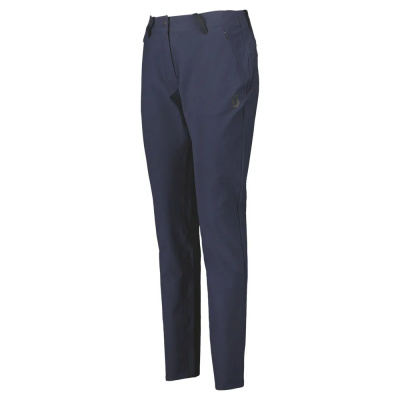
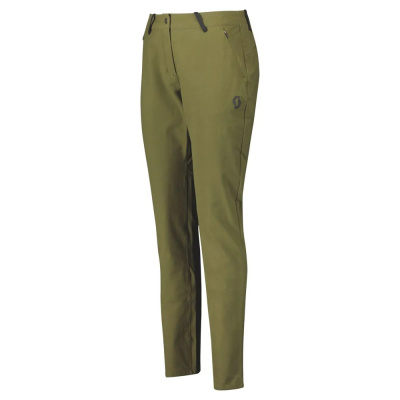
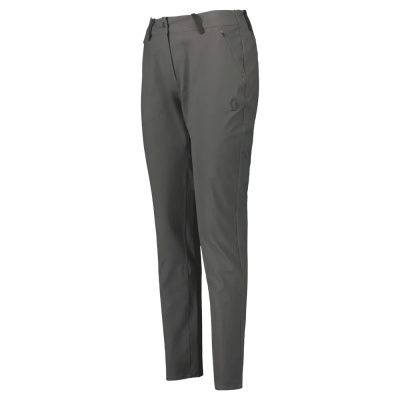
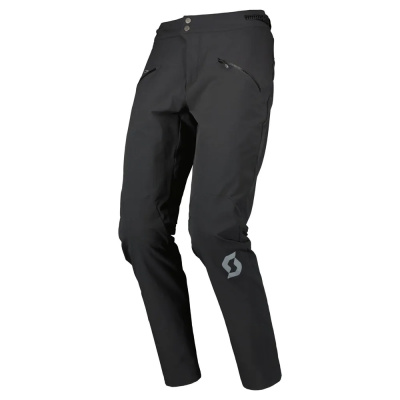
Scott cycling trousers have earned a serious following among UK riders who refuse to let a filthy November trail day dictate their schedule. Built around proprietary fabrics rather than borrowed tech, Scott's legwear range covers everything from full-on waterproof winter armour to lightweight trail pants that move with you through a steep, rooty descent. The standout here is DRYOsphere - Scott's own waterproof-breathable membrane that keeps the rain out while venting sweat on the long drags up. Pair that with DUROxpand 4-way stretch panels and you've got trousers that actually bend with your knees rather than fighting you at the top of a climb. Cordura reinforcements at the seat and knees handle the abrasive grit and repeated rock strikes that shred lesser fabrics within a season. Fit is tailored and tapered - no flapping material near the chainring, no excess bulk when you're tucked over the bars. Whether you're riding through a soggy Welsh trail centre or grinding out a dark-morning commute, the range is designed to keep you dry, mobile, and in one piece. A genuinely considered range, and one that stands up well against what Endura and Fox offer at the same level.
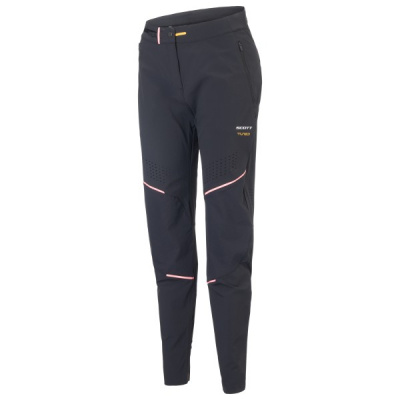
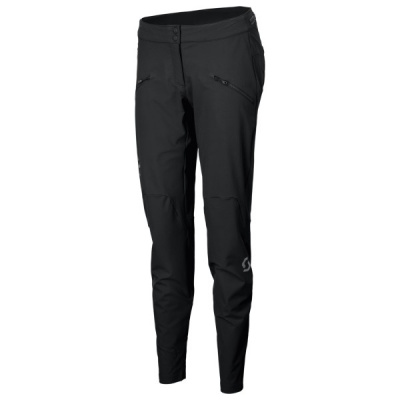
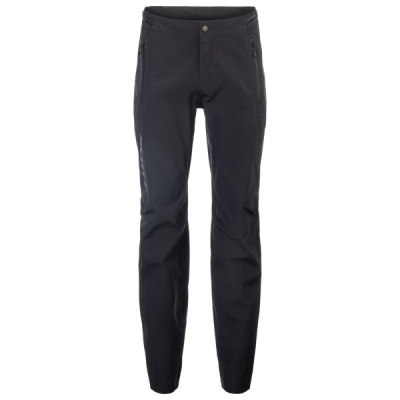
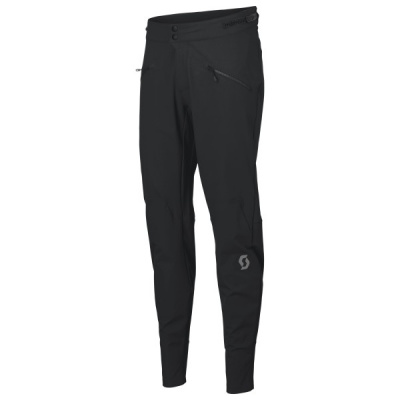
Prices and availability can change quickly. Delivery charges are not always included in listed prices.
Final price, stock status and delivery terms are set by retailer. We may receive a commission on purchases made.
Fabric Tech and Weather Performance: DRYOsphere and DUROxpand
Scott waterproof cycling trousers built on the DRYOsphere membrane are the ones to reach for when the forecast is doing its usual October impression - grey, wet, and non-committal. DRYOsphere is a laminated waterproof-breathable layer bonded directly to the outer fabric. Rain doesn't get through; sweat vapour does. That matters on a hilly ride where you're working hard on the climbs and then standing still in the wet on a long descent - a single-layer hardshell would leave you clammy within the hour. DRYOsphere manages that swing better than a simple DWR-only treatment can.
DUROxpand is Scott's 4-way stretch fabric, and it's where the mobility comes from. Articulated knees are cut with a forward bias so the trouser follows your pedalling position rather than pulling tight when your knee is at the top of the stroke. That sounds minor until you've spent three hours in stiff, non-stretch waterproofs and your legs feel like they're wrapped in bin bags. DUROxpand removes that friction entirely. It's used across the main body panels, while Cordura reinforced sections protect the seat and inner knee - the first places to go on any trail trouser that gets real use on abrasive grit roads or rough singletrack. The PFC-free DWR coating on the outer face sheds light rain before it even reaches the membrane, keeping the fabric lighter and more breathable for longer. Worth knowing: DWR does degrade with washing and UV exposure, so it needs periodic attention (more on that below).
Understanding the Scott Range and How It Fits
The Scott Trail Storm pants sit at the heavy-duty end - these are winter MTB apparel built for the kind of riding where you genuinely need taped seams and a robust membrane. Heavier fabric weight, more structured construction, and the full DRYOsphere waterproofing treatment make them the right call for Peak District grit-and-mud days or Scottish riding where the weather turns without warning. They're not a race-day pant. They're what you wear when the trail is a river and you're doing it anyway.
The Trail Tuned pants are a different animal. Lighter, more breathable, cut for movement over protection. These suit the rider who's more concerned with not overheating on a two-hour XC loop than with surviving a horizontal downpour. The DUROxpand stretch content is higher, the fit is racier, and you'd pair them with a separate waterproof layer on a genuinely grim day rather than leaning on the trouser itself. If you're racing enduro or riding fast, loamy summer trails, these are the more relevant option. Between the two, the Trail Storm is the safer pick for year-round UK riding; the Trail Tuned earns its place in spring and autumn when breathability matters more than membrane weight.
Across the range, the tapered fit is consistent. The lower leg is cut close - deliberately so - to keep the fabric away from your drivetrain. Scott MTB trousers use a waist construction with enough adjustment to work over a base layer without feeling like you've borrowed someone else's kit. Riders between sizes tend to find sizing up gives a more comfortable fit when wearing bulky knee pads underneath, which is worth bearing in mind. Looking for road-specific winter insulation or summer trail gear? Check out our dedicated Bib Tights and MTB Baggy Shorts collections. And if you want to see how the waterproof trouser side of things compares across brands, POC's trouser range is worth a look for a different take on fit and protection.
Layering, Compatibility, and Keeping Your DWR Working
Most riders underestimate how much the layer underneath affects how a trail trouser performs. On sub-zero mornings, pairing Scott waterproof cycling trousers over a set of Scott base layers adds meaningful warmth without the bulk that kills mobility. The fit on the Trail Storm is cut with enough room to manage a mid-weight baselayer underneath, and on properly cold days that combination handles single-figure temperatures without needing to resort to full insulated bibs. Liner shorts work well under the Trail Tuned if you're riding fast enough to generate heat but still want chamois comfort on longer days.
Knee pad compatibility is worth checking by model, but Scott's articulated knee construction generally accommodates low-profile trail pads without the trouser pulling out of shape. Chunky DH-style pads may cause fit issues - worth trying before committing. The outer leg fit stays put over most pad thicknesses thanks to the Cordura panels, which don't stretch and distort the way softer fabrics do under repeated contact. Pair the trousers with a Scott jacket and Scott gloves and you've got a coherent system where the waterproofing performance is consistent across layers - useful when you want to know exactly where you stand before heading out.
Washing deserves a mention because it directly affects waterproofing longevity. Biological detergents and fabric softeners both degrade DWR coatings - biological detergents break down the finish chemically, and softeners block the fibre structure that makes the coating work. Use a technical fabric cleaner (Nikwax Tech Wash is the standard recommendation) and wash on a cool cycle. After washing, tumble dry on low heat or iron on a low setting - heat reactivates the DWR and brings performance back up noticeably. If the coating is beading poorly even after washing, a dedicated DWR reproofing spray applied to a damp trouser and dried restores the water-shedding performance. Given the PFC-free formulation Scott uses, reproof products need to be PFC-free compatible - most modern options are, but check the label.
Scott Trousers FAQs
Are Scott MTB trousers waterproof?
It depends on the model. Trousers featuring Scott's DRYOsphere membrane - like the Trail Storm WP - are fully waterproof with taped seams. Others rely on a PFC-free DWR coating, which handles light showers well but isn't a sealed waterproof. If you're riding in proper UK winter conditions, look specifically for DRYOsphere in the product name.
How do Scott cycling trousers fit?
Scott trousers use a tailored, pre-shaped cut with articulated knees and a tapered lower leg to keep fabric clear of the drivetrain. They're designed to fit over low-profile knee pads without pulling out of shape. Riders between sizes who plan to layer underneath - base layers or bulkier pads - are generally better off sizing up.
What is the difference between Scott Trail Storm and Trail Tuned pants?
Trail Storm is the winter-ready option - heavier construction, full DRYOsphere waterproofing, and built for harsh, wet conditions. Trail Tuned pants are lighter and more breathable, aimed at racing and faster-paced riding in shoulder-season or summer conditions. For year-round UK use, the Trail Storm is the more versatile choice; the Trail Tuned suits riders who prioritise ventilation over membrane protection.