
POC Trousers
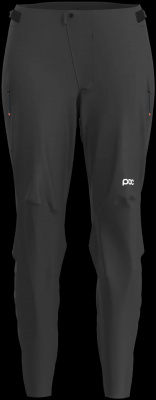
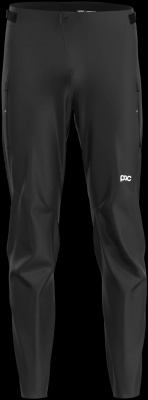
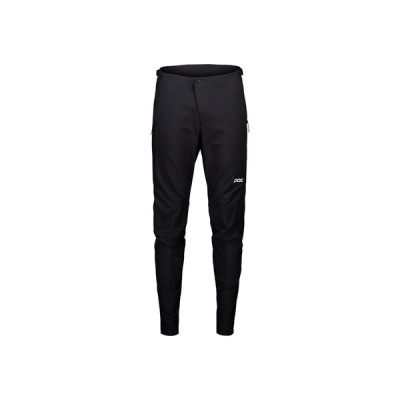
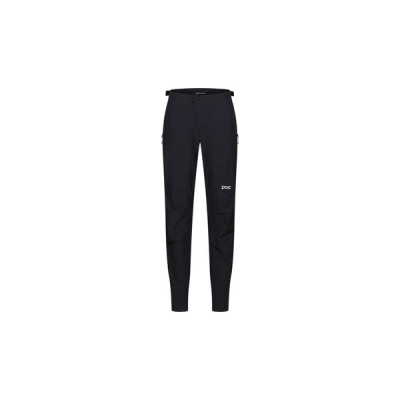
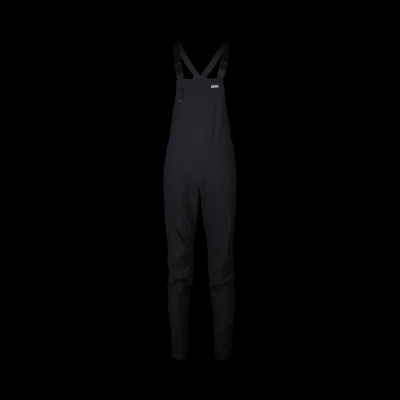
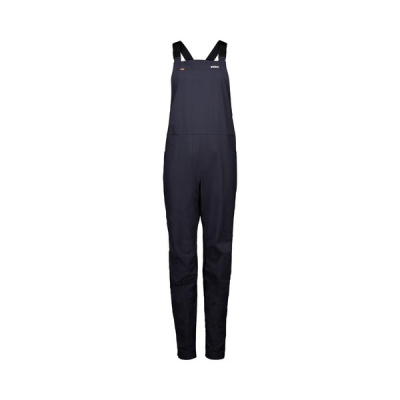
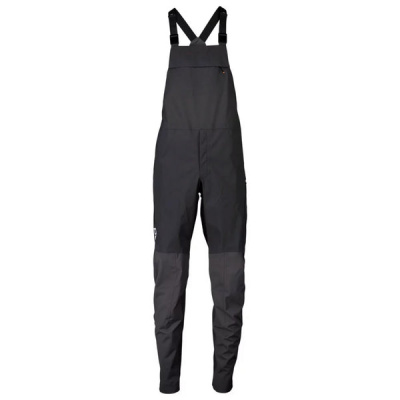
POC cycling trousers are built around a straightforward idea: give gravity and enduro riders the freedom to move hard and the resilience to hit the deck without shredding through the fabric. That means proper Cordura stretch construction, pre-shaped knees, and tailoring that sits snugly over bulky knee armour without ballooning or flapping on the descent. These aren't commuter softshells dressed up in MTB branding - they're cut specifically for off-road riding, where your legs are doing very different things on the climb versus the drop.
The range covers everything from all-day trail missions to full-send enduro stages. Fluorocarbon-free DWR treatments keep trail spray and sudden Welsh drizzle from soaking through, while 4-way stretch panels mean you're not fighting the fabric every time you weight your outside pedal through a tight berm. Vectran reinforced zones on the knees and seat add meaningful crash protection where it actually matters. If you're comparing options, Fox trousers and Endura trousers sit in a similar bracket - but POC's integrated VPD pad compatibility and Scandinavian fit geometry give the range a distinct character worth understanding before you buy.
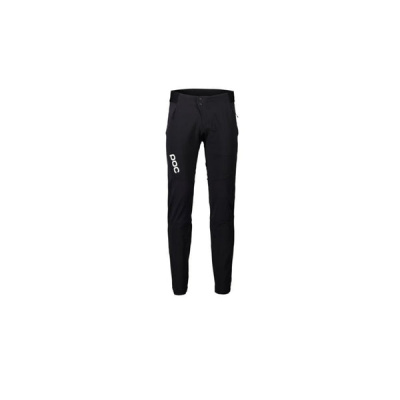
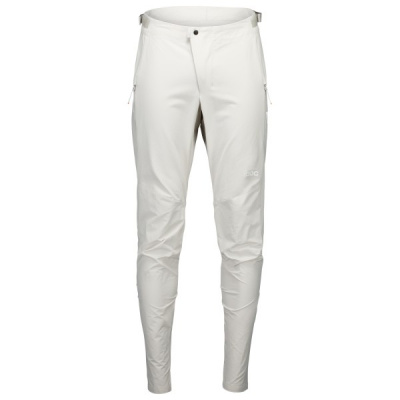
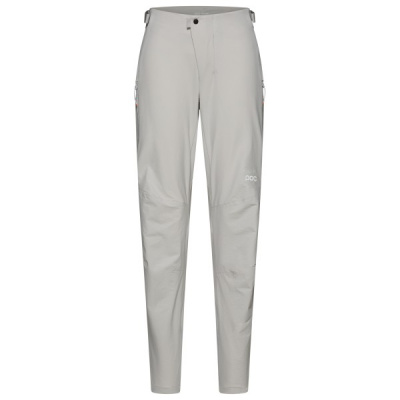
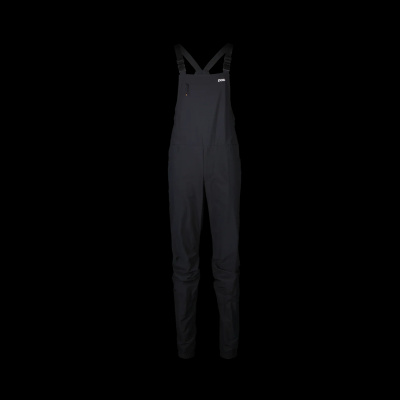
Prices and availability can change quickly. Delivery charges are not always included in listed prices.
Final price, stock status and delivery terms are set by retailer. We may receive a commission on purchases made.
Fabric Tech and Weather Performance
The core of what makes POC enduro trousers work in the real world is the fabric stack. Cordura is the headline material here - a high-tenacity nylon that resists abrasion far better than standard polyester weaves, yet in its stretch form moves with you rather than against you. The 4-way stretch construction is doing two jobs at once: keeping the fit close enough to avoid snags on thorny Peak District singletrack, and giving you the range of motion to get into a proper attack position without the waistband dragging you back upright.
Vectran reinforced knees take the durability story further. Vectran is a liquid crystal polymer fibre - you'll find it in technical sailing gear and aerospace applications - and it's almost ludicrously tough for its weight. In a crash, those zones resist tear-out against sharp rocks or exposed roots in a way that plain Cordura simply can't match. The seat reinforcement matters too, especially if you're doing long fire road grinds where abrasion is slow and cumulative rather than sudden.
On the weather side, POC uses fluorocarbon-free DWR treatments across the range. Worth being clear about what that means in practice: these are highly water-resistant rather than waterproof. Trail spray, puddle splash, and the kind of persistent light drizzle you get grinding up a Welsh valley? The DWR handles that well, beading water off the outer face and keeping the fabric breathable underneath. A sustained downpour is a different story - for that, layering a shell over the top or switching to POC overtrousers is the smarter call. The fluorocarbon-free chemistry is worth noting too: older PFAS-based DWR treatments were effective but environmentally problematic, so this is a meaningful step without compromising performance on typical UK days.
Several models include zipped thigh vents. On a muggy summer climb in the Surrey Hills, that zip buys you a lot - you can crack them open on the slog up and close them before the descent without stopping to faff with layers.
Understanding the POC Fit and Range
POC MTB pants are cut with pedalling dynamics in mind rather than standing around looking the part. The pre-shaped knees are the obvious tell - they're articulated to sit correctly when you're bent over the bars, not when you're standing upright. That matters more than it sounds. A flat-cut knee panel fights you every pedal stroke; a shaped one disappears into the background and lets you focus on the trail.
The tapered lower leg is equally deliberate. Loose fabric near the chainring is asking for trouble, and on narrower British singletrack where you're constantly adjusting position, a flapping cuff is a genuine snag risk. The taper keeps things tidy without squeezing the calf uncomfortably.
Models like the Rhythm Resistance and Consort are cut to house POC's own VPD knee pad range without creating pressure points or bunching. The internal geometry around the knee is shaped to accept the pad's profile, so the whole assembly sits flat and moves as a unit. You can run third-party knee armour too, but the integration is noticeably cleaner with VPD pads. If you're already running POC body armour on your upper body, it's worth treating the system as a whole.
Sizing runs athletic rather than generous. If you're between sizes and planning to layer underneath for winter riding, size up. If you're riding in shorts weather and want a close fit, go true to size. The waist adjustment on most models gives you a reasonable range either way, but the hip-to-thigh ratio is cut for an active build - worth checking the size guide carefully if you're outside that profile.
If you need dedicated wet-weather commuting gear, view our POC overtrousers. For aerodynamic winter road riding, head over to our POC regular tights collection.
Layering, Pairing, and Keeping the DWR Working
POC waterproof riding trousers - or rather, DWR-treated ones - work best as part of a system. On their own, in summer, they're fine over regular cycling shorts. But for longer days or colder months, pairing them with POC liner shorts or a bib liner underneath gives you chamois comfort without adding bulk that fights the tailored fit. The seamless gusset construction on most models means the liner sits flat rather than bunching against saddle contact points - a detail that matters on a four-hour Scottish trail day.
For winter riding in the UK, a thin thermal base layer under the trousers is often enough down to around five degrees. Below that, dedicated thermal tights worn underneath add warmth without compromising the fit around the knee pad area too badly. What you want to avoid is thick, unstructured underlayers that push the pre-shaped knee panels out of alignment - that defeats the tailoring work POC has put in.
The DWR is the thing most riders neglect until it stops working. After heavy, muddy rides - the kind you get on Scottish winter trails where the trail is essentially a shallow stream - wash the trousers at 30 degrees with a technical wash product rather than standard detergent. Fabric softener is the enemy here: it coats the fibres and kills the DWR's ability to bead water. After washing, tumble dry on low or hang dry and then apply low heat with an iron through a cloth, or use a wash-in reproofer to restore the treatment. Do this a couple of times a season and the DWR stays functional. Skip it and by February you'll be riding in what feels like a wet sponge.
Pairing these trousers with a well-venting POC jacket above and a technical POC jersey underneath gives you a coherent layering system where the DWR treatments and breathability ratings are matched across the outfit - rather than the mismatched stack of moisture that happens when you mix premium trousers with a non-wicking base layer.
If the POC range doesn't quite match what you're after in terms of cut or price point, it's worth comparing against Nukeproof trousers, which take a slightly more relaxed approach to fit, or the POC MTB baggy shorts if you're riding in warmer conditions and want the same fabric quality without the full leg coverage.
POC Trousers FAQs
Are POC MTB trousers waterproof?
Not fully waterproof - but they're built with a highly water-resistant fluorocarbon-free DWR coating that handles trail spray, puddle splash, and light rain well. For sustained heavy rain, layering POC overtrousers on top is the better move. The DWR also needs periodic re-treatment after muddy washes to stay effective.
Do POC cycling trousers fit over knee pads?
Yes. POC trail and enduro trousers are specifically cut with pre-shaped, articulated knees designed to sit cleanly over bulky knee armour. The fit is optimised around POC's own VPD pad range, where the integration is seamless, but most standard knee pads will work without uncomfortable bunching.
How do POC mountain bike pants fit?
Athletic and tailored rather than baggy. The lower leg tapers to prevent chainring snags, while 4-way stretch fabric keeps the fit from restricting movement on the bike. They run true to size for most riders, but if you plan to layer underneath or run particularly bulky knee pads, sizing up is worth considering.