
Leatt Overtrousers
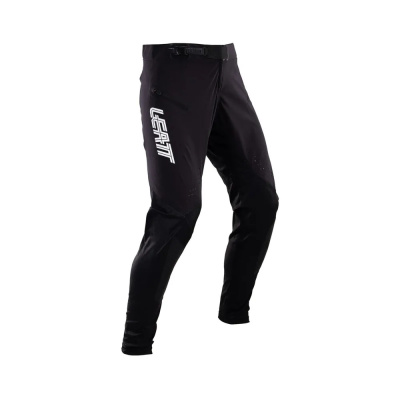
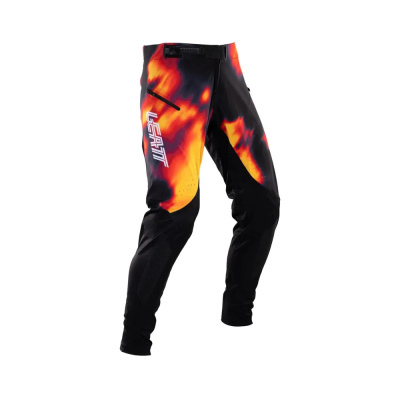
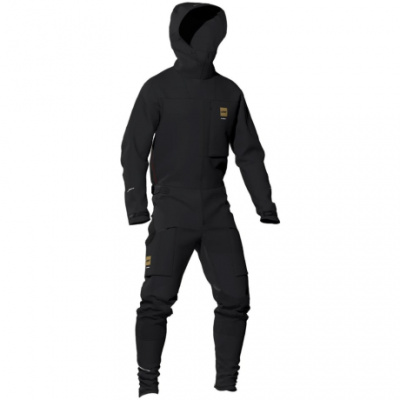
Leatt overtrousers were built for riders who refuse to let a filthy November sky call time on their session. Designed with the same gravity-sport intent that runs through Leatt's protective gear, these waterproof MTB trousers sit at the sharper end of wet-weather riding kit - not softshell-lite compromises, but purpose-built rain armour that can keep pace with a chaotic British winter. The core promise is straightforward: stay bone-dry on the descents without cooking yourself senseless on the climb back up. That balance is harder to strike than it sounds, and it's where Leatt's proprietary HydraDri membrane technology does the heavy lifting, pushing breathability hard enough to keep humid, grinding UK climbs from turning into a steam room inside your trousers. Taped seams and DWR-coated fabrics close off the weak points where cheaper options tend to cave. Critically, the cut is shaped around the riding position - pre-curved and roomy enough in the knee to layer straight over your Leatt knee pads without snagging or killing your pedal stroke. If your rides regularly involve Welsh trail centre mud-paste, Peak District gritstone soakings, or Scottish all-day grey, these trousers are worth a serious look.
Prices and availability can change quickly. Delivery charges are not always included in listed prices.
Final price, stock status and delivery terms are set by retailer. We may receive a commission on purchases made.
Fabric Tech and Weather Performance: The HydraDri Advantage
Leatt's waterproof MTB trousers are built around three tiers of their HydraDri membrane, and the differences between them are worth understanding before you pick a pair. The entry-level HydraDri sits at a 10,000mm hydrostatic head rating with 10,000g/m² breathability - solid for light showers and occasional mixed-condition rides. Step up to HydraDri EVO and you get meaningfully improved moisture management, useful when you're grinding back up a long forest climb in humid air. At the top sits HydraDri MAX, rated at 30,000mm waterproofing and 30,000g/m² breathability - that's the spec you want for sustained heavy rain, the kind that turns a Brecon Beacons descent into a full-pressure hosing. The 30k waterproof number means the fabric can withstand a 30-metre column of water before it leaks; in practical terms, it handles hard, driving rain for hours without seeping through.
Numbers only tell part of the story, though. What stops waterproof trousers failing in the real world is seam construction. Leatt uses fully tape-sealed seams throughout, which closes off the needle holes that are otherwise the first place water finds a way in - particularly relevant when you're sat in the saddle for extended periods or pushing through soaked vegetation. Waterproof zippers add another layer of protection at the critical openings. The DWR coating on the outer fabric causes water to bead and roll away rather than saturating the face fabric, which keeps the membrane breathing freely rather than having to fight through a wet outer shell. DWR does deplete with washing and trail wear, but it's restorable - more on that below. Reinforced, seamless seat panels are another quiet detail worth noting; UK mud has an abrasive, gritty quality that chews through standard stitching faster than you'd expect, and the reinforced construction is a direct answer to that.
Understanding the Leatt Fit: Articulation and Armour Compatibility
The fit on Leatt's wet weather riding pants isn't an afterthought. The cut is pre-curved at the knee, shaped to mirror the position you're actually in on the bike rather than standing upright. That matters more than it might seem - a straight-cut trouser pulls tight across the back of the knee under load, which is both uncomfortable and restrictive when you're weighting the pedals through a rooty drop. The articulated knee fit removes that tension, so movement stays fluid whether you're riding seated or dropping your heels on a loose descent.
Armour compatibility is where Leatt's MTB background shows clearly. The overtrousers are cut generously enough around the knee to accommodate bulky MTB knee pads underneath without bunching, snagging, or creating pressure points on the pad straps. If you've ever tried pulling a standard rain trouser over knee pads and ended up with the fabric twisted around the buckles, you'll appreciate how much thought has gone into making this work cleanly. The pedal stroke stays unaffected - no fabric grabbing mid-rotation. It's a detail that separates riding-specific kit from outdoor gear that's been pressed into cycling duty.
Looking for everyday riding trousers for drier or merely damp days? Our full range of Leatt Trousers covers lightweight, non-waterproof options that work well as standalone riding kit when the forecast isn't actively threatening.
For comparison, Endura overtrousers lean into a more road and commute-influenced cut, while Fox overtrousers sit closer to Leatt in terms of MTB-specific shaping - worth browsing if you want to see how the fit philosophies differ. Pairing your overtrousers with a Leatt jacket from the same HydraDri range keeps the waterproofing consistent across your upper and lower half, which matters when you're riding hard enough that any weak link in the system becomes obvious.
Layering and Care for UK Winter Riding
How you layer under these trousers makes a significant difference to comfort. Pulling them on over cotton shorts or base layers is a reliable way to end up cold and clammy within the first climb - cotton holds moisture and stops the membrane doing its job efficiently. Pair them with moisture-wicking Leatt liner shorts or a set of thermal bibs instead, and you give the fabric system room to move sweat away rather than trapping it. That's the difference between a three-hour wet ride feeling manageable and feeling miserable.
Care matters more than riders often give it credit for. The DWR coating that keeps the outer fabric beading water properly needs the right washing routine to stay functional. Wash Leatt waterproof MTB trousers at 30 degrees using a specialist tech-wash - products designed for waterproof membranes that clean without stripping the coating. Avoid fabric softener entirely; it clogs the membrane and kills breathability faster than trail wear does. After washing, either air dry or, if the care label permits, tumble dry on a low heat setting. The heat is what reactivates the DWR, causing it to bead water properly again rather than allowing it to wet out. If you notice the outer fabric starting to soak up water rather than repelling it, a DWR re-proofer spray applied after washing brings it back. Done consistently, this routine keeps the trousers performing through multiple UK winters rather than degrading after a season. Finishing a wet ride in Leatt MTB shoes with the same care approach applied across your kit means the whole system holds up longer.
Leatt Overtrousers FAQs
Are Leatt overtrousers fully waterproof?
Yes. Every pair in the range uses Leatt's HydraDri membrane combined with fully taped seams to block water ingress during heavy rain. For the most demanding conditions - prolonged downpours, sustained exposure - look for models running the HydraDri MAX spec at a 30,000mm waterproof rating, which is the strongest protection in the lineup.
Can I wear knee pads under Leatt overtrousers?
Yes, and that's intentional. Leatt cuts these trousers with an articulated knee fit specifically to accommodate bulky MTB knee pads underneath. There's no bunching around the straps and no restriction to the pedal stroke - the overtrousers are shaped to work with armour, not against it.
How should I wash my Leatt waterproof trousers?
Wash at 30 degrees with a tech-wash designed for waterproof membranes - never use fabric softener, as it degrades both the membrane and the DWR coating. Air dry or tumble dry on low heat if the care label allows; the heat reactivates the DWR so water beads off properly again. Run this routine consistently and the trousers stay effective across multiple seasons.