
Leatt Liner Shorts
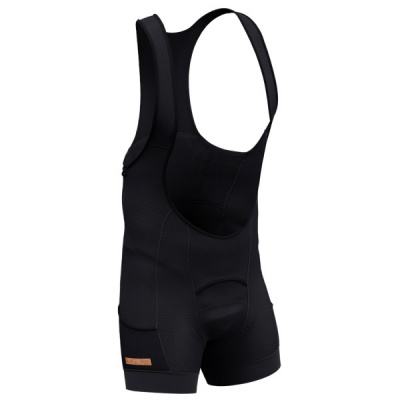
Leatt liner shorts sit at the foundation of a well-sorted MTB kit - and getting that foundation right makes a genuine difference on anything longer than a quick spin. These undershorts are built specifically for mountain bikers, not adapted from road cycling patterns, which shows in the compressive second-skin fit that keeps the chamois pad exactly where it needs to be through berms, drops, and the kind of rough, rooty stuff that has you shifting around in the saddle.
The range splits into two clear camps: standard padded liners with a dual-density chamois for trail and cross-country comfort, and impact models that add 3DF foam to the hips and thighs for riders pushing harder lines. Both use moisture-wicking fabrics to manage sweat whether you're grinding up a long Welsh climb in July or buried under waterproof overtrousers in a February drizzle. Flatlock stitching keeps hot spots and rubbing out of the equation, and silicone leg grippers stop things migrating mid-ride. Pair them under your baggies, pull on a jersey, and you're sorted - no fussing at the trailhead.
Prices and availability can change quickly. Delivery charges are not always included in listed prices.
Final price, stock status and delivery terms are set by retailer. We may receive a commission on purchases made.
Fabric Tech and How It Handles UK Weather
Leatt uses two distinct fabric technologies across the liner range, and understanding which one you're getting matters. MoistureCool is the denser, more structured option - it pulls sweat away from the skin efficiently and dries quickly, which is exactly what you need when you're wearing these under heavy Leatt overtrousers on a wet winter ride in the Peak District. Without active moisture management at the base layer, that trapped heat and sweat turns into chafing fast. MoistureCool stops that loop before it starts.
AirMesh is the lighter, more open-weave option - breathable enough that it barely registers on hot summer laps, which is the point. On a humid August day on the North Downs, even a thin extra layer adds up. AirMesh keeps air moving and prevents the clammy buildup that heavier fabrics encourage. Neither version uses raw seams against the skin; flatlock stitching throughout means the seams lie flat rather than ridge up, removing a common cause of saddle sores on longer rides.
The wide stretch waistband and silicone leg grippers are worth mentioning here too - not glamorous, but functional. Grippers that lose tension after a few washes are a real annoyance. Leatt's stay put, which keeps the chamois positioned correctly rather than creeping towards your knee on the descents.
How the Range Breaks Down
There are two distinct tiers in Leatt's liner lineup, and choosing between them comes down to what you're riding rather than budget alone.
Standard padded liners carry a dual-density chamois pad - firmer foam at the contact points, softer material around the edges - designed to absorb trail vibration and saddle pressure across a full day out. These suit XC, trail, and all-day enduro riders who want saddle comfort without bulk. The chamois is contoured for MTB geometry, so it's shaped for a more upright, active riding position rather than the tucked-forward posture of a road liner.
Impact liner shorts add 3DF foam to the picture - Leatt's own multi-layer impact protection material on the hips and outer thighs. It's pliable and flexible during normal movement but stiffens on impact, absorbing force rather than transferring it. On slick, muddy trails where a hip washout isn't a matter of if but when, that extra layer makes a real difference. Think rooty Welsh singletrack or greasy Scottish loam in autumn - the kind of riding where Leatt body armour riders tend to go looking for liner-level hip protection too.
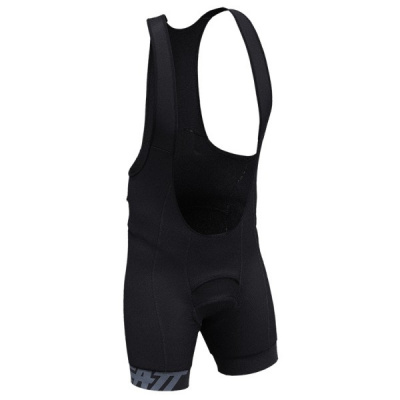
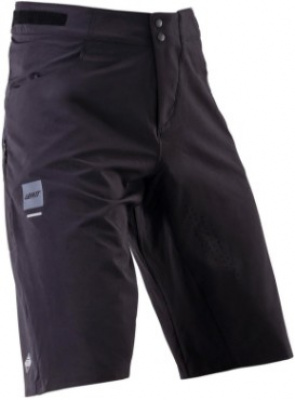
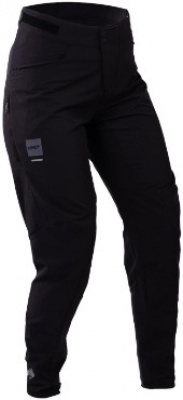
Both tiers use a compressive fit throughout. That compression isn't just about aesthetics - it's structural. It holds the chamois pad and impact foam in the correct position relative to your body, which is why sizing matters. These liners are designed to be worn under Leatt MTB baggy shorts or Leatt trousers - they complete a layered system rather than standing alone. If you'd prefer integrated shoulder straps and a more road-influenced construction, Leatt bib shorts are the direction to head instead.
If you're weighing up other brands, Endura liner shorts and Fox liner shorts cover similar ground - the Leatt impact models are comparatively rare in the liner category, which gives them a clear edge for riders who want hip protection without wearing dedicated armour over the top.
Layering Them Into Your Riding Kit
The practical side of liner shorts is fairly straightforward, but a couple of things are worth knowing before you head out.
For winter riding, pair the AirMesh liner with a windproof or waterproof outer layer - it keeps the base layer breathable without adding unnecessary bulk. If you're wearing waterproof overtrousers, the liner is doing active work managing the microclimate against your skin, which matters more when you can't ventilate freely. A lightweight liner under a heavier outer is almost always more comfortable than a heavy liner that traps heat inconsistently.
In summer, the AirMesh liner paired with a loose baggy short and a well-vented Leatt jersey above keeps airflow through the system without making you look like you've forgotten half your kit. Some riders run liner shorts without overshorts in warm weather, but these aren't built for that - the fabrics are semi-transparent and the construction prioritises fit over coverage, so always layer up.
On care: wash at 30 degrees, always. Fabric softener is the enemy of moisture-wicking performance - it coats the fibres and blocks the wicking mechanism, so within a handful of washes you're back to a clammy, slow-drying liner that does the opposite of what it's supposed to. Air dry only; a tumble dryer will degrade both the chamois foam and any 3DF padding over time. Treated properly, these liners last considerably longer than riders often expect.
Frequently Asked Questions
Are Leatt liner shorts true to size?
Generally yes - they fit true to size with a compressive, close-to-skin cut designed to keep the chamois and any impact pads exactly where they should be. If you're between sizes or prefer a bit more room, go up.
Do I need impact liner shorts for mountain biking?
It depends what you're riding. If your sessions involve fast, committing lines on slick or root-heavy trails - enduro, DH, or anywhere a hip washout is a realistic outcome - the 3DF foam models are worth it. For XC or light trail riding, a standard padded liner is sufficient.
Can you wear liner shorts without overshorts?
No. These are base-layer garments built from semi-transparent, highly breathable mesh - they're designed to work as part of a layered system. Always wear them under MTB baggy shorts or riding trousers.
Leatt Liner Shorts FAQs
Are Leatt liner shorts true to size?
Generally yes - Leatt liners fit true to size with a compressive, second-skin cut that holds the chamois and impact pads in the right position. If you're between sizes or find a close fit uncomfortable, sizing up gives a bit more room without losing function.
Do I need impact liner shorts for mountain biking?
If you're riding enduro, downhill, or slick UK trails where a hip washout is a genuine possibility, the 3DF foam impact models are a worthwhile layer of protection. For cross-country or moderate trail riding, a standard dual-density chamois liner is usually all you need.
Can you wear liner shorts without overshorts?
No - Leatt liner shorts use semi-transparent, highly breathable mesh fabrics engineered strictly as a base layer. They're not built for standalone wear, so always pair them with MTB baggy shorts or riding trousers for durability and coverage.