
Scott Kids Helmets
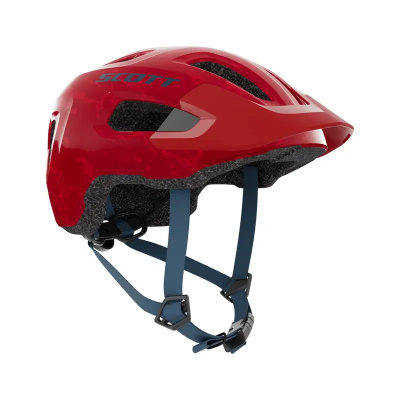
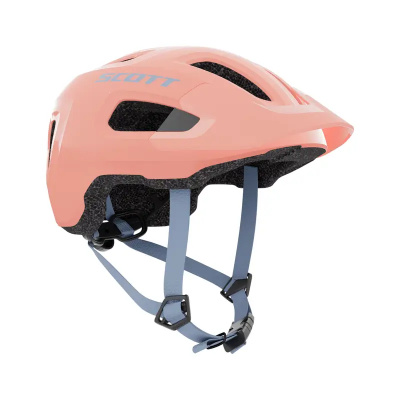
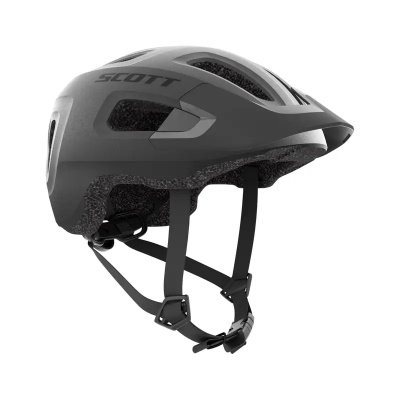
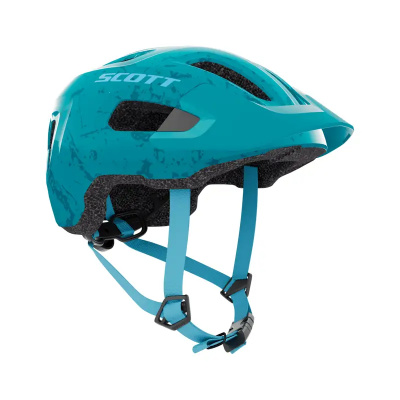
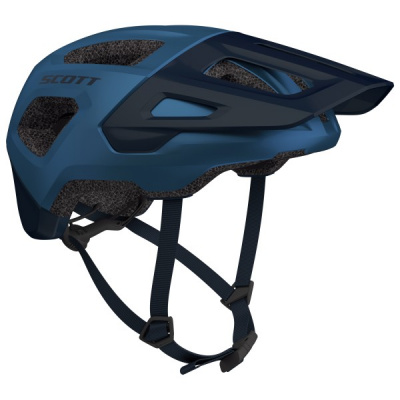
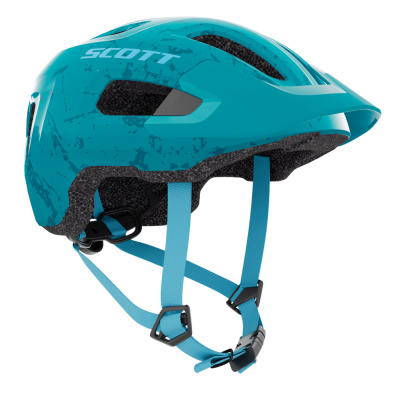
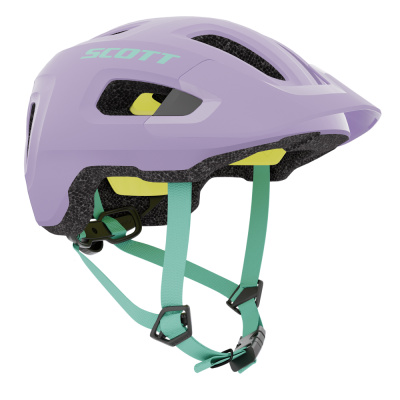
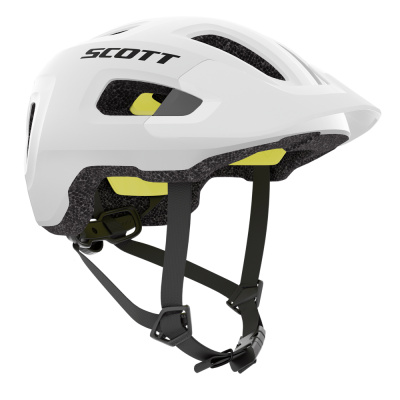
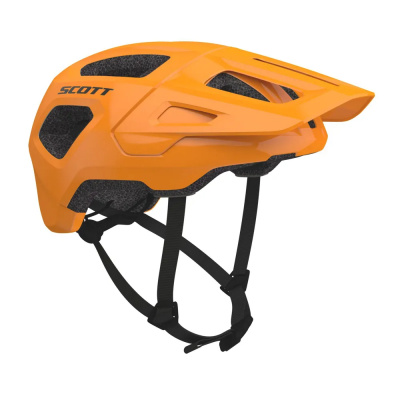
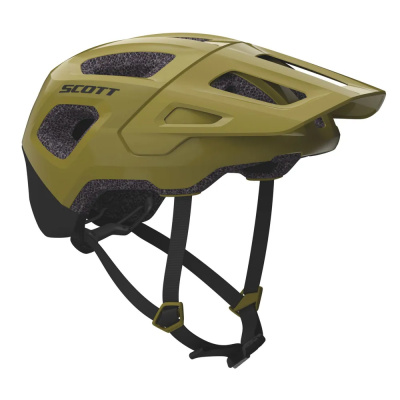
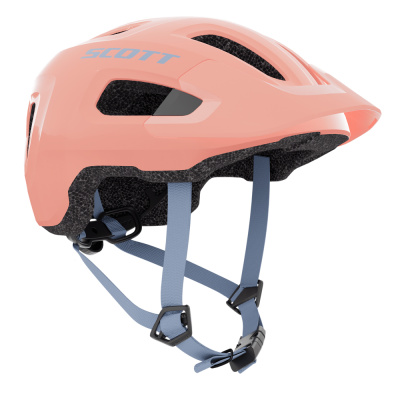
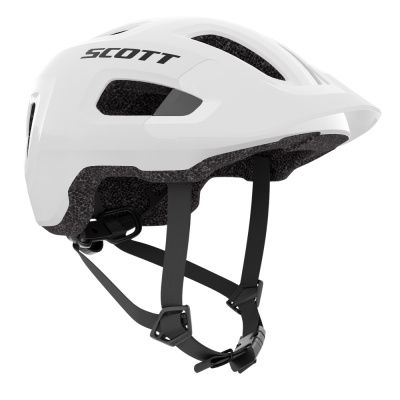
Scott kids helmets bring the same safety thinking found in their pro-level adult lids straight down to the sizes your child actually needs. We're talking proper in-mold construction, extended rear coverage, and MIPS protection on select models - not a watered-down version of the real thing. Whether your little one is wobbling around the park on a balance bike or starting to find their confidence on a trail, the protection underneath that lid matters just as much as the smiles on top of it.
What makes Scott children's bike helmets genuinely practical for parents is the J-RAS dial fit system. Rather than buying a new helmet every time your child has a growth spurt, a few clicks of the rear dial keeps the fit snug and secure across a meaningful range of head sizes. That adjustability covers toddler heads right through to young teens, so one good helmet can follow them through several riding seasons.
Scott youth cycling helmets also come with features that make real sense in the UK - integrated rear lights for gloomy school-run rides, bug nets on the front vents for summer, and pinch-free buckles that spare you the pre-ride drama. Lightweight, well-ventilated, and genuinely considered. That's the range in a sentence.
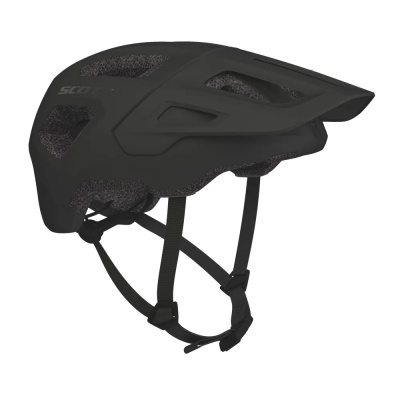
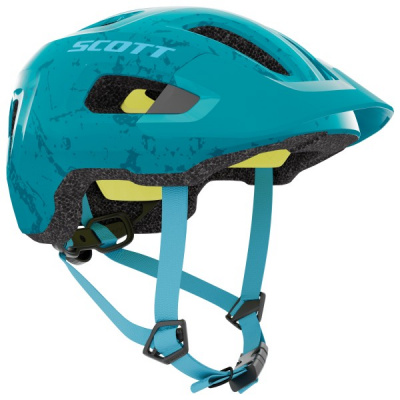
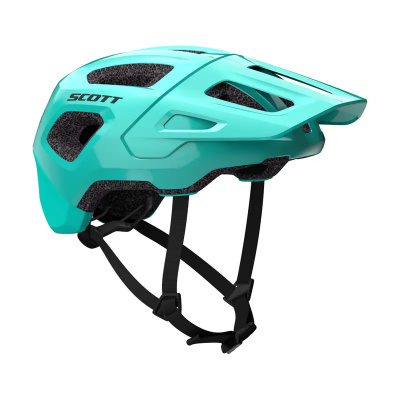
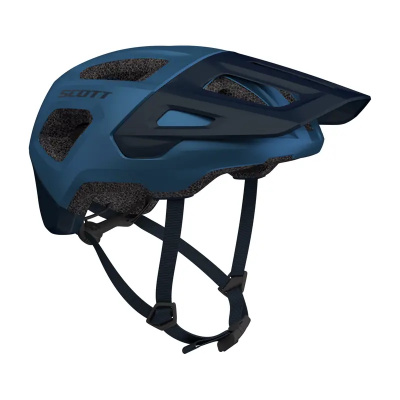
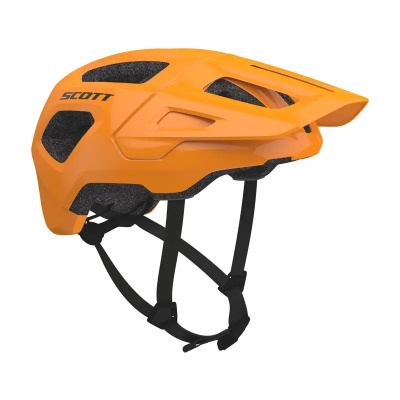
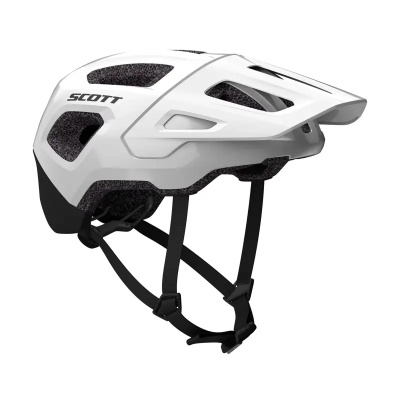
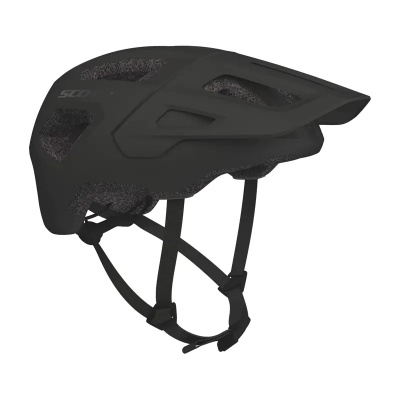
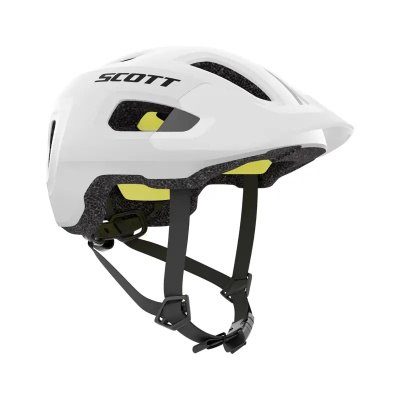
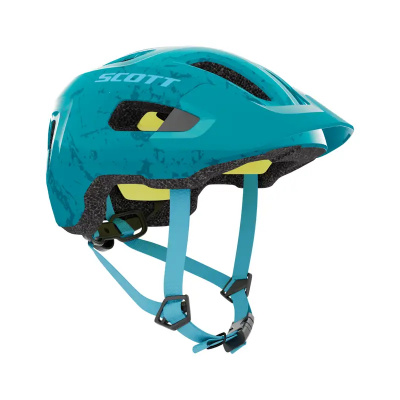
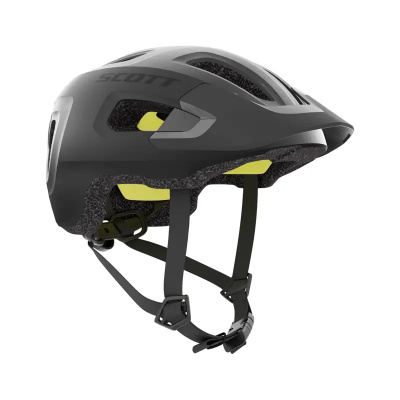
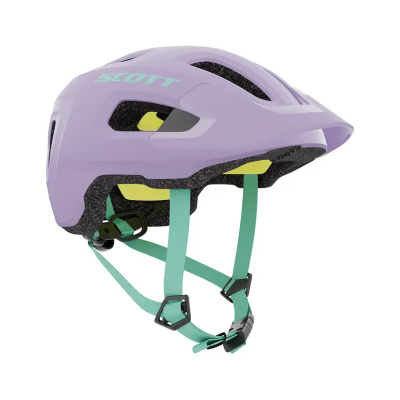
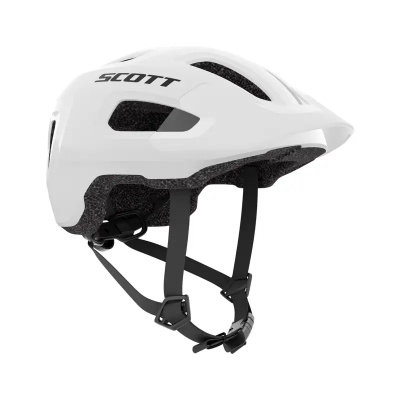
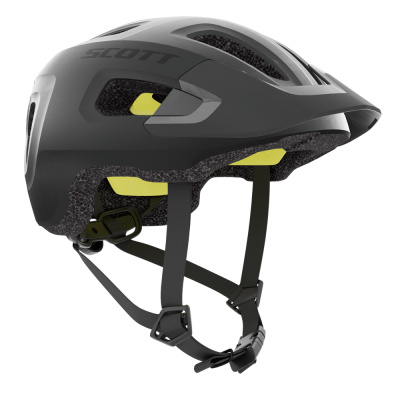
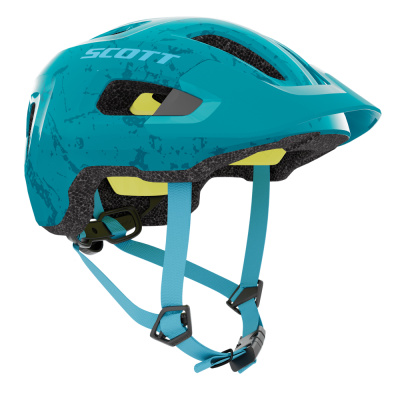
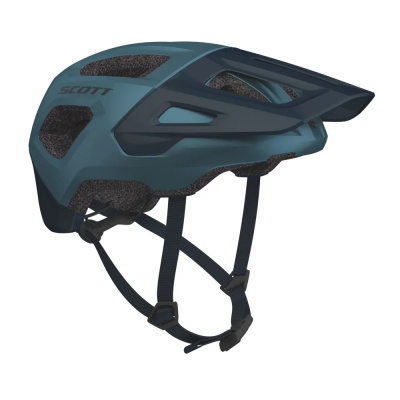
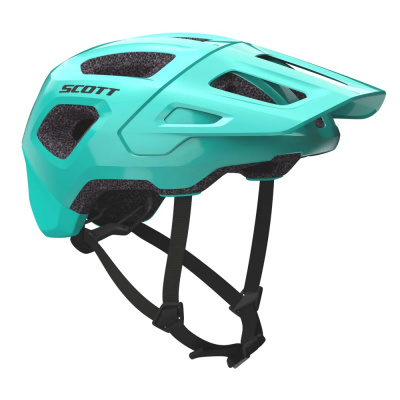
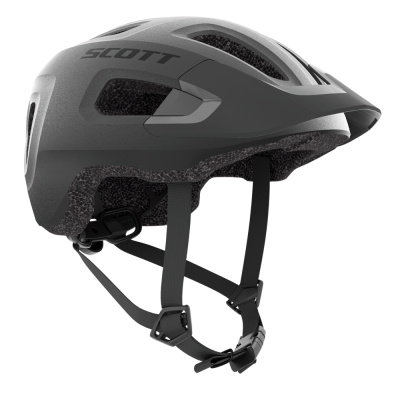
Prices and availability can change quickly. Delivery charges are not always included in listed prices.
Final price, stock status and delivery terms are set by retailer. We may receive a commission on purchases made.
Safety Tech and Construction: Built for the Inevitable Tumbles
Kids fall. That's not pessimism - it's physics. So the construction of a children's helmet needs to absorb impact reliably, not just look the part on a shop shelf. Scott's in-mold construction fuses the polycarbonate outer shell directly with the EPS liner during manufacture, rather than gluing a separate shell onto a foam core. The result is a stiffer, lighter structure where the two layers work as one. Less weight on your child's head, more structural integrity where it counts.
The extended rear coverage deserves a mention too. A backward tumble off a bike - the kind that happens when a young rider misjudges a kerb or loses a pedal - puts the back of the skull at risk. Scott's shell design drops further down the occipital region than many basic children's lids, giving that area proper protection rather than leaving it to luck.
On models like the Scott Spunto Junior Plus, you also get the MIPS Brain Protection System. MIPS works by allowing a thin low-friction layer inside the helmet to move independently by a few millimetres on impact. That small slip helps redirect and absorb the rotational forces that straight-line impact tests don't fully account for - the kind that happen when a head hits the ground at an angle. It won't make a crash pleasant, but the science behind it is solid and increasingly standard on quality lids. If you're weighing up alternatives, Giro kids helmets and Bell kids helmets both offer MIPS options at similar price points, so it's worth comparing coverage and fit alongside the tech. For adult sizes in the same family, our main Scott Helmets page covers the full range.
Understanding the Scott Kids Range and Getting the Fit Right
The Scott range splits fairly cleanly by head size and age. Toddler models - the Scott Spunto Kid sits here - typically cover the 46 - 52cm bracket, which suits most children from around two years old upwards. The shell is proportioned for smaller heads, the straps are shorter, and the overall weight is kept right down. If you've ever tried to keep a heavy helmet on a reluctant toddler, you'll know that grams matter at this end of the range.
Step up to youth sizes and you're looking at the Scott Spunto Junior and Scott Roxter, which push the size range higher and add features aimed at older, more active riders. The Roxter in particular is designed with more aggressive riding in mind - more vents, a slightly racier profile, and the kind of coverage that works on trail as well as tarmac.
Across the range, the J-RAS dial fit system is what makes Scott's helmets genuinely grow-friendly. J-RAS stands for Junior Ride Adjust System, and it's a rear retention cradle that you dial in or out to change the internal circumference. It's not a crude size-jump - it's micro-adjustable, so you can fine-tune it as your child's head changes. Most models cover a 6 - 8cm span with that dial alone, which typically buys you two to three years before you're shopping again.
The pinch-free buckle on the chin strap is one of those details that sounds small until you've had a screaming four-year-old because the standard clip caught their neck skin. Scott's magnetic or pinch-guard buckle designs clip quickly and cleanly. Pair the helmet with a set of Scott gloves and you've got two of the main friction points of getting kids kitted up sorted in seconds.
Visibility and Year-Round UK Riding
UK riding with kids means dealing with weather that changes its mind between school drop-off and collection. It also means plenty of riding in low light - dusk in October arrives uncomfortably early, and a November afternoon ride can go grey fast. Many Scott Spunto models include an integrated rear safety light built into the back of the shell. It's not an afterthought clip-on; it sits flush, runs on a small replaceable battery, and flashes to make your child visible from behind. On a gloomy afternoon along a busy cycle path or a country lane, that light is doing real work.
The front vent design on Spunto models includes removable bug nets - useful from late spring through to autumn when riding through woodland or along hedgerow paths turns into an uninvited insect encounter. Pull the nets out for winter when airflow matters less than keeping the cold out, drop them back in when the midges return.
Ventilation overall is well balanced for UK conditions. There's enough airflow to stop a child overheating on a warm July ride to the park, but the shell isn't so aggressively vented that it leaves gaps in coverage or turns into a cold-air funnel on a blustery February morning. It's not the most aerodynamic design on the market - that's not what this range is optimising for - but for the riding most kids actually do, the balance is sensible. If you're building out a full kit for your child, Scott jackets and Scott kids bikes work neatly alongside the helmet range. And if you want to compare visibility features across brands, Lazer kids helmets are worth a look - they have their own approach to integrated lighting and fit retention that some parents prefer.
Scott Kids Helmets FAQs
How do I measure my child's head for a Scott helmet?
Wrap a soft tape measure around your child's head roughly one inch above their eyebrows - that's the widest point of the skull. Note the circumference in centimetres and match it to Scott's size guide. Toddler models typically start at 46cm, so if you're right on a bracket boundary, size up and use the J-RAS dial to take in the slack.
Do Scott kids helmets feature MIPS technology?
Some do, not all. The Scott Spunto Junior Plus is the clearest example in the range with MIPS built in. It's worth checking the individual model spec on Bikesy, as MIPS tends to sit on the mid-to-upper models rather than the entry-level options. If rotational impact protection is a priority for you, filter for MIPS-equipped models specifically.
How long will a Scott kids helmet fit my child?
The J-RAS dial fit system typically spans 6 - 8cm of adjustment, which for most children buys two to three riding seasons before you need to size up. That said, fit isn't the only reason to replace a helmet. Any hard impact - even one with no visible damage - means it's time for a new lid. EPS foam doesn't recover after a real knock, regardless of how intact the shell looks.