
Rockrider Frame Bags
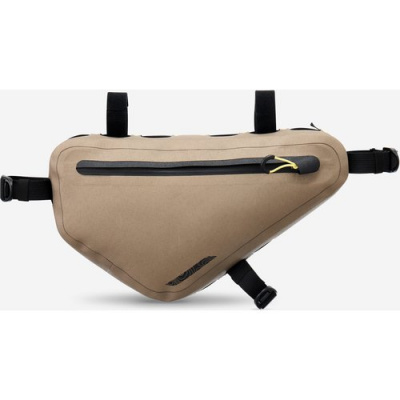
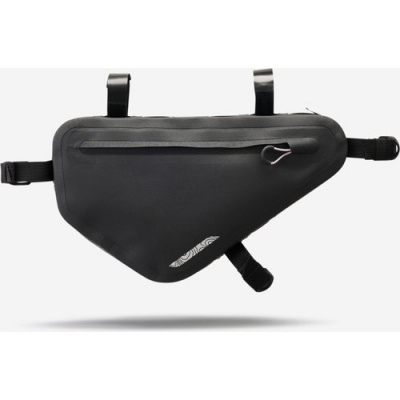
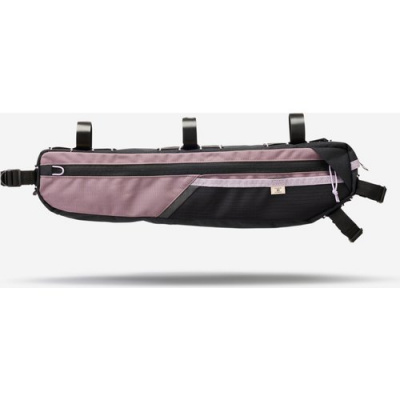
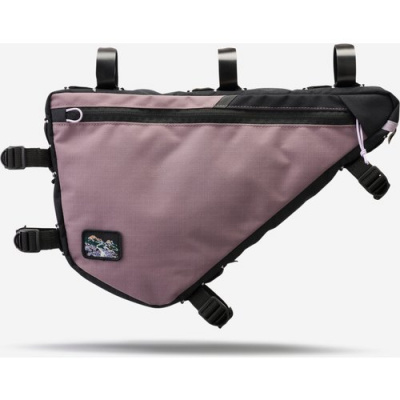
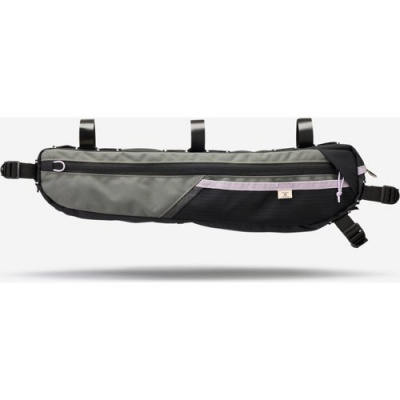
Rockrider frame bags are one of the most practical ways to add carrying capacity to your ride without piling weight onto your back or upsetting how the bike handles. By using the dead space inside your front triangle, you keep heavy kit low and central - food, tools, a spare tube, a lightweight layer - and the bike stays composed where it counts.
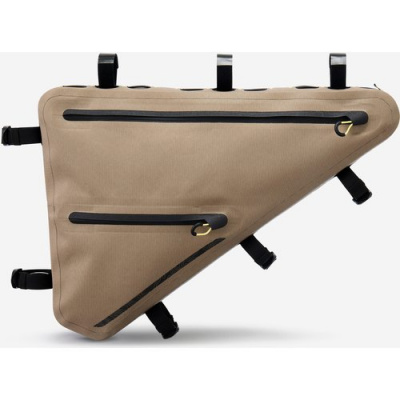
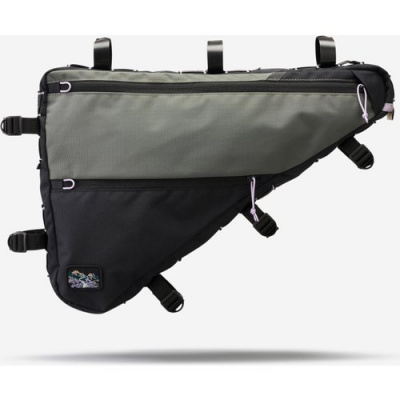
The range is built around off-road use. Ripstop polyamide fabrics resist the kind of abrasion you get brushing through bracken on a Scottish descent or grinding through Peak District grit. Adjustable hook-and-loop strap systems hold the bag firmly without flex or bounce, even on rougher ground. Water-repellent DWR treatments and weather-shielded zippers handle the light-to-moderate showers that make up most UK riding days - though they're not submersible, and we'll cover that distinction below.
Whether you're planning a multi-day bikepacking trip or just want a tidy way to carry your trail toolkit on a day out, Rockrider offers solid, no-nonsense options that sit comfortably against better-known names like Apidura without the premium price tag. What follows covers sizing, what you get across the range, and how to protect your frame from the one thing nobody warns you about enough: UK mud.

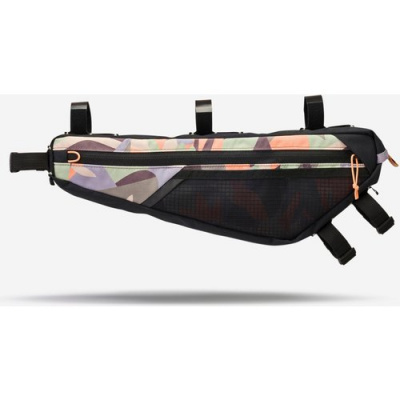
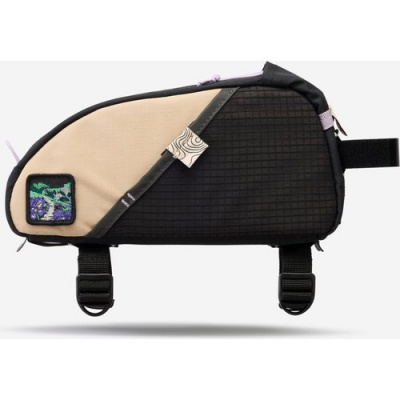
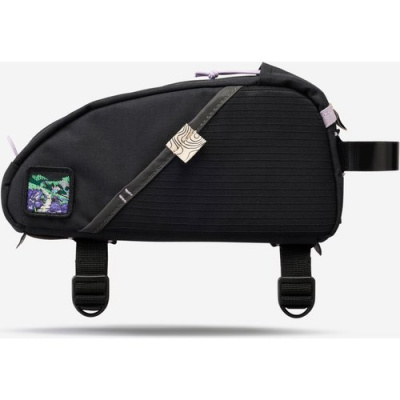
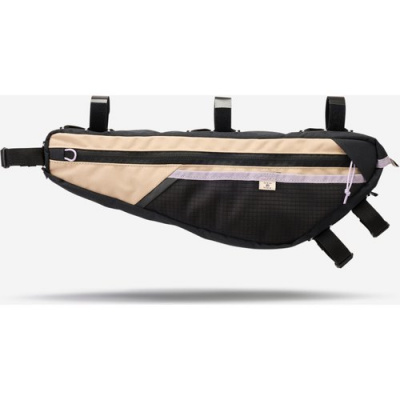
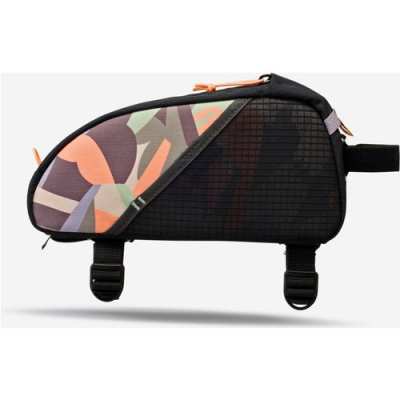
Prices and availability can change quickly. Delivery charges are not always included in listed prices.
Final price, stock status and delivery terms are set by retailer. We may receive a commission on purchases made.
Getting the Fit Right: Sizing and Frame Compatibility
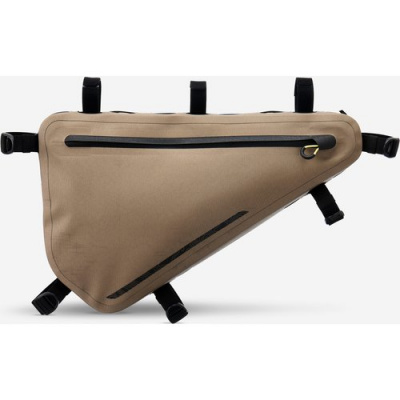
Before you buy, measure your front triangle. You need three numbers: the top tube length (measured along the tube, not horizontally), the down tube length from head tube to bottom bracket shell, and the seat tube length from bottom bracket to where the seat post clamps. Most Rockrider frame bags list a recommended triangle size on the product page - match those dimensions and you'll get a bag that sits snugly without gaps that let it shift under load.
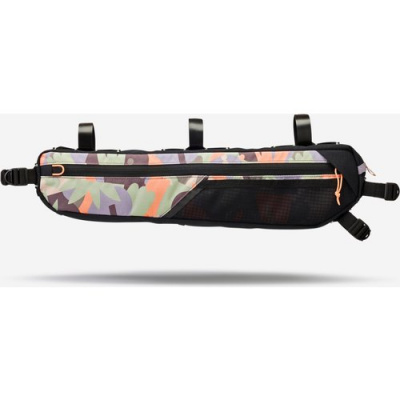
Fitting to a hardtail is straightforward. The front triangle is fixed, clearance is predictable, and a full-frame bag can use most of the available space. Full-suspension bikes are a different conversation. The shock and linkage sit inside the front triangle and move through their travel when you hit bumps - which means a bag that clears everything when the bike is static might foul the shock body or linkage at full compression. Half-frame bags, which occupy only the upper portion of the triangle (typically the top tube and upper down tube area), are the safer choice on most full-suspension MTBs. Always check clearance with the suspension compressed before you ride.
If you're looking to expand your storage beyond the main triangle, check out our dedicated Rockrider Bar Bags and Rockrider Saddle Bags - both pair well with a frame bag for longer trips.
How the Rockrider Range Breaks Down
At the entry point, you're looking at a compact half-frame bag - typically around 2.5 litres - that covers the upper triangle. The fabric is water-resistant ripstop polyamide, tough enough for regular trail use and resistant to the kind of low-level abrasion you pick up from cables, velcro contact, and tight singletrack. Zip access is simple: a single main compartment, no fuss. Ideal for a multi-tool, tyre levers, a CO2 inflator, and a snack. That's your day-ride workhorse.
Move up the range and the capacity increases - larger full-frame options can push towards 4 - 5 litres depending on your triangle size. More importantly, the construction steps up: you get taped internal seams rather than just DWR-coated fabric, waterproof zip sliders rather than standard coil zippers, and in some cases internal organisation - a separated pocket or zippered internal divider - that stops your multi-tool rattling directly against the frame or punching through a gel wrapper. That internal structure also helps with weight distribution; denser items (a small lock, trail food, a battery pack) sit better when they're not all loose in one void.
For riders running a Rockrider mountain bike, the strap geometry is worth noting. Rockrider's hook-and-loop systems are optimised around the tube diameters and angles used on their ST, XC, and AM frame families, so the straps wrap cleanly without the awkward bunching you sometimes get fitting a third-party bag to a frame it wasn't designed for. If you're running a different brand, check the strap length range - most Rockrider bags will still fit, but it's worth confirming before checkout.
If you compare the upper end of this range against bags from Ortlieb or Altura, the honest trade-off is that Rockrider doesn't match the fully waterproof roll-top construction of Ortlieb's top-end options. For multi-day bikepacking in consistently wet conditions, that matters. For weekend rides and shorter tours where you can pack a dry bag around anything genuinely critical, Rockrider's price-to-durability ratio is very hard to argue with.
Protecting Your Frame from UK Grit
Here's the thing nobody puts on the box: UK mud is abrasive. Specifically, the thin clay-and-grit mix you get on Welsh trail centres, Peak District moorland paths, or North Yorkshire bridleways turns into something close to lapping compound when it gets trapped between a velcro strap and your frame. The strap holds it in place, the bag shifts slightly under load, and over weeks it grinds through your paint and into the bare metal. On a carbon frame, it can damage the clear coat down to the weave.
The fix is simple and costs very little. Apply clear frame protection tape - helicopter tape, or any good polyurethane protection film - to every contact point before fitting the bag. That means the top tube where the main body sits, the down tube under the lower straps, and anywhere a buckle or strap adjuster might rest against the frame. It takes ten minutes and you won't think about it again.
Zippers need attention too. Standard coil zippers on bike bags collect grit and road salt quickly, particularly through winter. Rinse them with clean water after muddy rides - a soft brush helps work debris out of the teeth. Once dry, a light application of dry silicone lubricant keeps them running smoothly and stops the slider from seizing mid-ride. Avoid oil-based lubes; they attract more dirt and make the problem worse. The DWR coating on the bag fabric can be refreshed periodically with a spray-on DWR treatment if you notice water starting to soak in rather than bead.
If you're also running a Rockrider hydration pack on longer days, it's worth coordinating your carrying setup - putting the densest items in the frame bag keeps your pack lighter and your shoulders fresher on longer climbs.
For those considering alternatives with more aggressive weatherproofing, EVOC frame bags are worth a look alongside Apidura at the performance end, though both carry a significant price premium over Rockrider.
Rockrider Frame Bags FAQs
Are Rockrider frame bags fully waterproof?
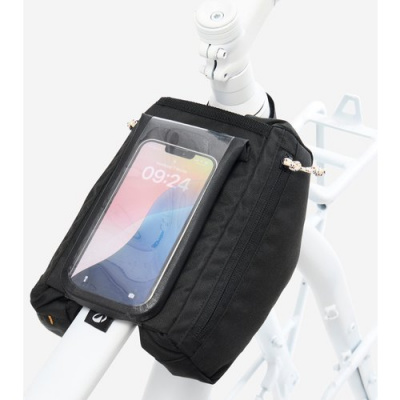
Not fully, no. Rockrider frame bags use water-repellent DWR treatments and weather-shielded zippers that handle trail splash and steady UK showers well. For sustained downpours or any crossing where the bag might submerge, pack your phone or battery pack inside a small dry bag as a second line of defence.
How do I stop a frame bag from scratching my bike frame?
Apply clear frame protection tape to every contact point before fitting the bag - top tube, down tube, anywhere a strap or buckle rests against the paint. UK mud trapped under velcro straps acts like sandpaper, especially on rides with a lot of movement. Tape is cheap; a respray isn't.
Will a frame bag fit a full-suspension mountain bike?
Often yes, but it depends on your shock placement and linkage layout. Half-frame bags are the safer bet on full-suspension bikes. The key check: compress your suspension fully (get a mate to sit on the bike or push the shock through its travel) and confirm there's clearance between the bag and every moving part before you ride.