
Rockrider Bar Bags
Rockrider bar bags give you a properly sorted cockpit for off-road adventures without asking you to spend Apidura money to get there. Built around IPX6 waterproofing, thermo-welded seams, and anti-bounce harness systems, this is handlebar luggage that takes UK riding seriously - which means it needs to deal with horizontal Welsh rain, Peak District grit, and the kind of overnight micro-adventure where your sleeping kit absolutely cannot get wet.
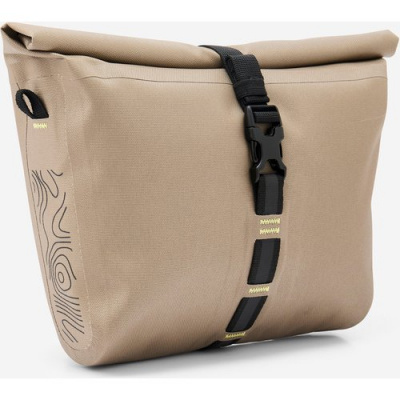
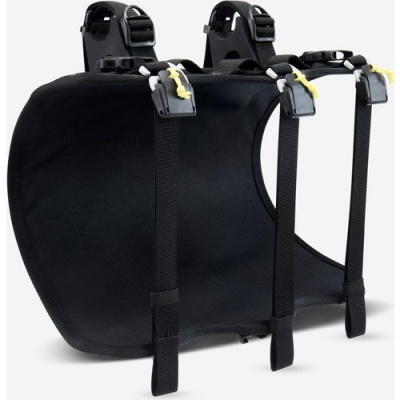
The range covers everything from compact day-ride pouches to the modular bikepacking systems where a rigid harness stays clamped to your bars and the roll-top dry bag lifts straight off when you reach camp. That removable dry bag approach is genuinely useful - your kit stays sealed, your bike stays tidy, and you're not wrestling with straps in the dark.
Rockrider sits within Decathlon's own stable, so the value-to-spec ratio is sharp. You get Hypalon reinforcement patches protecting the strap contact points, sensible volume options across the range, and a harness system designed to keep the bag riding high and stable rather than dropping and slapping your front tyre through every compression. For riders building their first bikepacking setup or upgrading from a rucksack, this is a strong, practical starting point.
Prices and availability can change quickly. Delivery charges are not always included in listed prices.
Final price, stock status and delivery terms are set by retailer. We may receive a commission on purchases made.
Getting the Fit Right: Cockpit Compatibility and Clearance
Before you click buy, grab a tape measure. Handlebar diameter matters - most Rockrider harness systems are designed around 31.8mm bars, though some models accommodate 35mm. Check your bar spec first, because a loose harness is a bouncing harness, and a bouncing bar bag is miserable on anything rougher than a canal path.
Cable routing is the other thing that catches people out, particularly on older MTBs with external brake and gear cables running along the tops of the bars. The harness straps need to sit cleanly without pinching cables or restricting lever movement. Route cables before you tighten anything, and make sure every lever still moves through its full travel once the bag is mounted. On bikes with internal routing or a clean cockpit setup, this is a non-issue - but it's worth five minutes of checking either way.
The tyre clearance question is critical on full-suspension bikes. Measure the gap between the bottom of the bag and your front tyre with the fork fully compressed - not just sitting at sag. On a trail bike with 150mm of travel, the fork can close that gap fast on a drop-off or rock step, and a bag clouting your tyre mid-descent is not a situation you want. Most Rockrider bikepacking harnesses keep the bag positioned high and tight against the bars, which helps, but the measurement still needs doing. A finger's width of clearance at full compression isn't enough - aim for at least 20 - 30mm. Head tube attachment points, where offered, provide a useful secondary anchor that stops the bag rotating down under load.
If you're running a dropper post remote, a Garmin mount, or anything else competing for bar real estate, map out your cockpit before installation. Handlebar clearance isn't just about the tyre - it's about having enough room to actually ride the bike comfortably.
Choosing the Right Bag: Day Ride Pouch or Bikepacking System
Rockrider's bar bag lineup splits into two clear camps, and picking the wrong one is an easy mistake to avoid if you know what you're actually after.
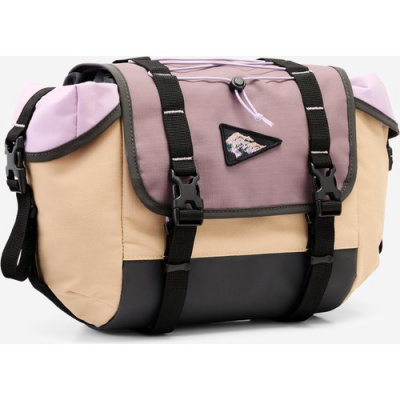
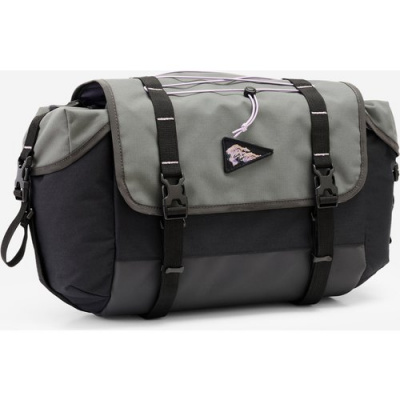
The simpler, zip-closure handlebar bags are the grab-and-go option. Compact, light, straightforward to fit, and well suited to day rides where you want your snacks, phone, and a spare gilet within reach without digging into a jersey pocket every five minutes. No drama, no faff. These aren't serious bikepacking luggage - they're a practical cockpit addition for riders who want accessible storage on the move.
The modular Rockrider bikepacking bar bag system is a different beast. A rigid harness clamps to your handlebars and stays there; the roll-top dry bag clips in and out independently. That separation is the clever bit. You can pull the dry bag off at camp, use it as a stuff sack, and reattach it in seconds. The roll-top closure with thermo-welded seams is what delivers the IPX6 waterproof rating - proper weather protection, not just a water-resistant zip that gives up after an hour in Scottish rain. Hypalon reinforcement patches at the key stress points resist the abrasion that would wear through standard nylon over a season of loaded riding.
Volume typically runs from around 5 to 10 litres across the modular range, which is enough for a sleeping bag, an insulated jacket, and a spare baselayer - the classic bar bag load. If you're thinking about a full overnight setup, building a complete bikepacking rig? Pair your front luggage with our Rockrider Frame Bags and Rockrider Saddle Bags to balance the load properly across the bike.
If budget allows, it's also worth comparing against Apidura bar bags and Ortlieb bar bags at the top end, or Altura bar bags if you're leaning towards commuter or gravel use. Rockrider undercuts most of them on price while matching the core waterproofing spec - that's the honest comparison.
UK Grit, Winter Mud, and Keeping Your Frame Intact
Here's something the product pages don't always spell out clearly: mounting straps trap grit. On a wet UK winter ride - think Cannock Chase in November, or any bridleway within an hour of Manchester - mud and fine grit get forced behind the harness straps and grind against your headtube and handlebar clamp area with every vibration. Over weeks, it acts like wet-and-dry sandpaper on your frame's finish. On carbon, that's a cosmetic issue; on steel or aluminium, it can work down to bare metal fast.
The fix is simple and costs almost nothing. Apply clear helicopter tape - proper frame protection film - to every contact point before you fit the harness. Cover the headtube where the attachment strap sits, and the bar area under the clamps. It takes ten minutes and saves your paintwork entirely. Don't skip it.
The Hypalon reinforcement patches on Rockrider's harness straps are there specifically because strap-to-frame abrasion is a known problem - they're harder-wearing than standard webbing and less likely to fray or trap grit in their weave. Still, keep them clean. After a muddy ride, rinse the straps and roll-top buckles with clean water before the mud dries and hardens in the mechanism. A dry, stiff buckle on a roll-top is annoying; a cracked buckle is a waterproofing failure waiting to happen.
Check the harness strap tension periodically too. Vibration loosens things over time, and a bar bag that's worked loose even a few millimetres will start to rotate and bounce. Re-torque the clamps to the manufacturer's spec - over-tightening on carbon bars is a real risk - and make sure the bag is still sitting square and tight before each ride. A few seconds in the car park before you roll out saves a lot of annoyance on the trail.
For a complete cockpit and kit picture, a Rockrider jacket stashed in the roll-top dry bag is a natural pairing - accessible, weatherproof, and not taking up jersey pocket space on longer rides.
Rockrider Bar Bags FAQs
Do handlebar bags scratch your bike frame?
They can, yes. Grit and mud trapped behind the mounting straps behaves like sandpaper against your headtube and bar clamp area, especially on wet UK rides. Apply clear protective film - helicopter tape - to every contact point before fitting the harness. It takes minutes and keeps your frame finish intact through a full season of loaded riding.
How do you pack a bikepacking bar bag?
Keep it light and bulky - sleeping bags, down jackets, and spare base layers are ideal. The bar bag sits on your steering axis, so heavy items like tools, batteries, or locks increase steering inertia and make the bike feel sluggish and twitchy. Keep dense, heavy kit in your frame bag or saddle bag instead, and save the bar bag for compressible, lightweight volume.
Will a bar bag fit on a mountain bike with suspension?
Yes, but measure your tyre clearance with the fork fully compressed before you commit. At full travel, a trail or enduro fork closes the gap between bag and tyre quickly - you need at least 20 - 30mm at full compression, not just at sag. A modular harness system that positions the bag high and tight against the bars gives you the best chance of adequate clearance on longer-travel bikes.