
Altura Bar Bags
Altura bar bags cover the full spectrum from sodden winter commutes to multi-day gravel adventures, and they're built with the persistent misery of UK weather firmly in mind. The range uses Altura Shield™ technology - a water and wind protection system applied to fabrics and reinforced with welded seams on the more serious models - so your phone, wallet, and snacks stay dry when the drizzle turns relentless somewhere outside Skipton.
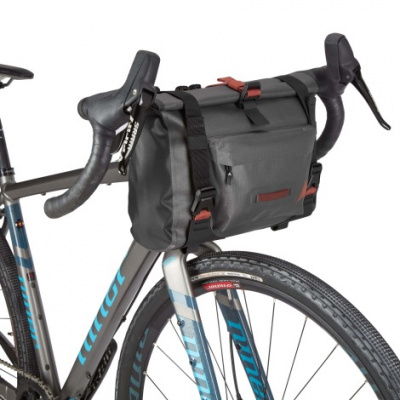
Mounting is straightforward. Commuting-focused bags lean on the Rixen & Kaul Klickfix™ quick-release system: click on, click off, job done. Bikepacking models ditch the bracket and go direct-to-bar with heavy-duty straps and foam spacers, keeping weight low and the cockpit uncluttered. Both approaches are genuinely secure at pace.
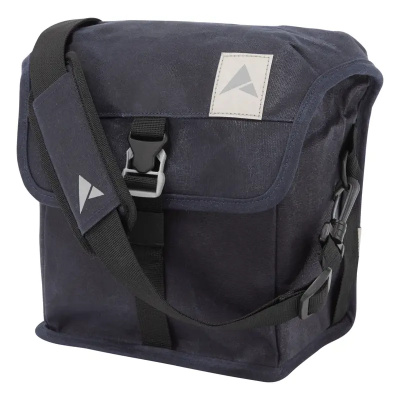
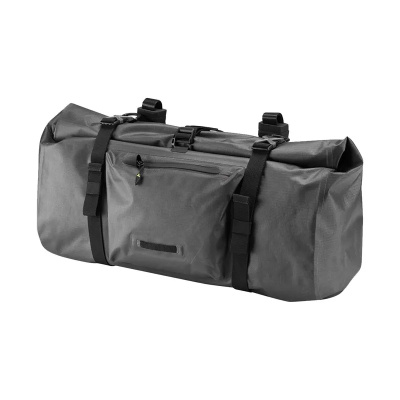
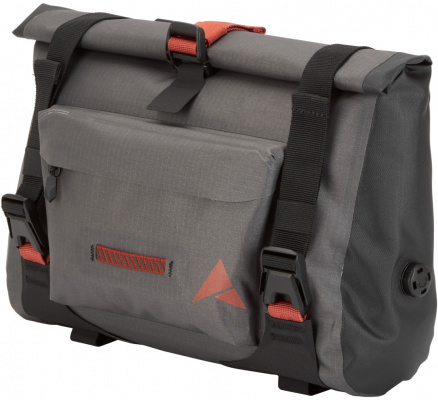
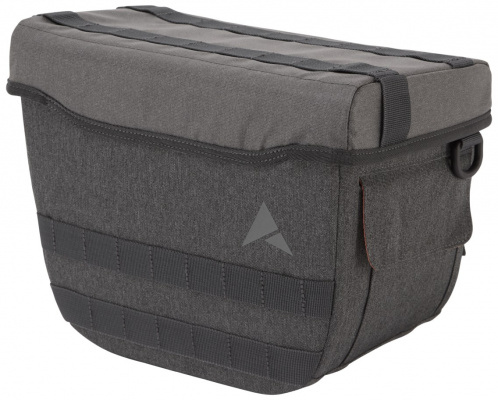
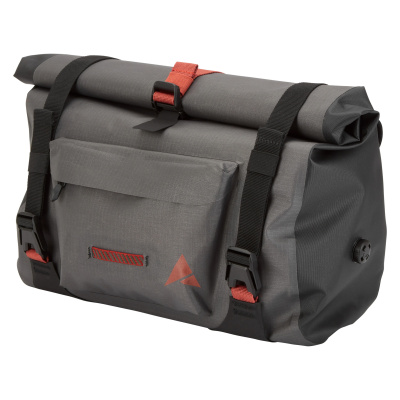
The product line splits cleanly between the Vortex series (fully waterproof, welded-seam bikepacking bags), the Dryline range (structured, Klickfix-compatible touring and commuting), and the Heritage line for riders who prefer waxed canvas over technical fabrics. Each tier makes sense for different riders and different budgets. What follows breaks down which bag suits your setup, what to watch for at the cockpit, and how to keep everything running without complaints for years.
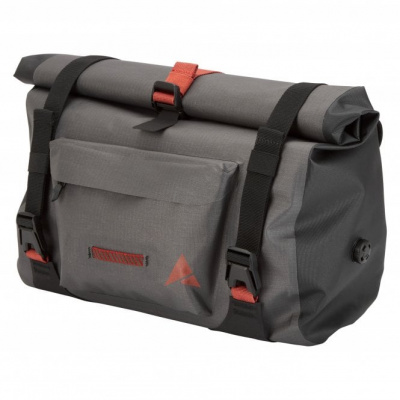
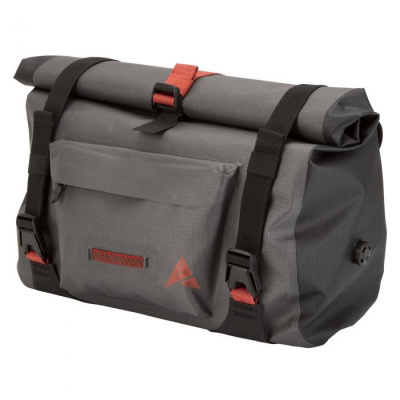
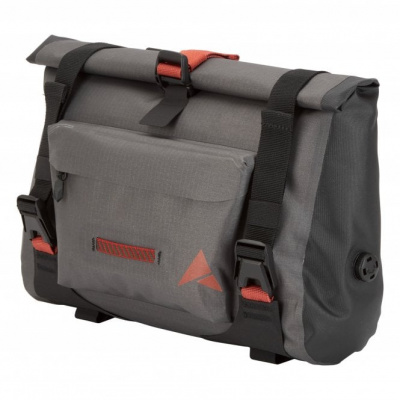
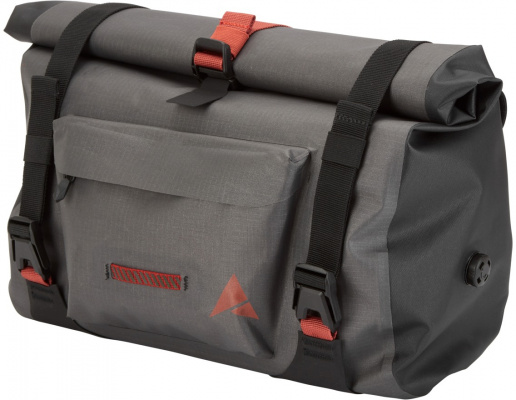
Prices and availability can change quickly. Delivery charges are not always included in listed prices.
Final price, stock status and delivery terms are set by retailer. We may receive a commission on purchases made.
Cockpit Compatibility: Handlebar Diameters, Cable Routing, and Tyre Clearance
Before you commit to a bag, check your handlebar diameter. Klickfix brackets come in versions covering 25.4 mm (older road and city bars), 31.8 mm (standard modern road and gravel), and 35 mm (most current MTB and some gravel bars). Getting this wrong means a wobbly mount or an unusable bracket, so confirm your spec before ordering.
Cable routing is where things get fiddly. Modern bikes with internal or semi-internal cable management have no real issue - the housing runs inside the frame and nothing pinches. Older bikes running external Shimano STI cables across the top of the bar are a different story. Strap-on bags pressed tight to the bars can trap those cables against the handlebar, causing stiff or snatchy shifting. The fix is simple: use the foam spacers that Altura includes with strap-mount bags to push the luggage a centimetre or two forward of the bar, giving the cables room to route cleanly behind it. Worth doing before you're halfway up a climb wondering why your rear mech won't drop.
Tyre clearance matters too, particularly on bikes with suspension forks or a short head tube. At full fork compression - think a sharp drop on a gravel track - a bulky bar bag can contact the front tyre. As a rough guide, leave at least 50 - 60 mm of clearance between the underside of the bag and the tyre when the fork is unloaded. Measure with the bike loaded if you can, since capacity litres filled with kit changes the bag's profile noticeably.
Vortex, Dryline, and Heritage: Picking the Right Tier
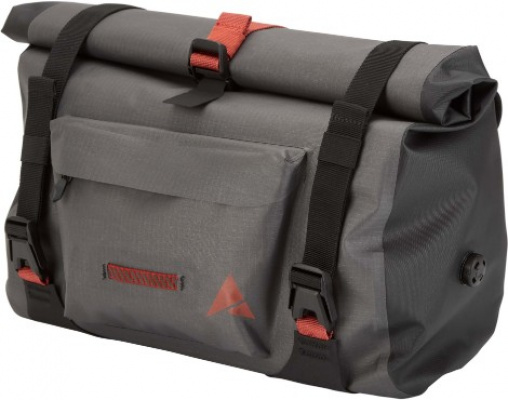
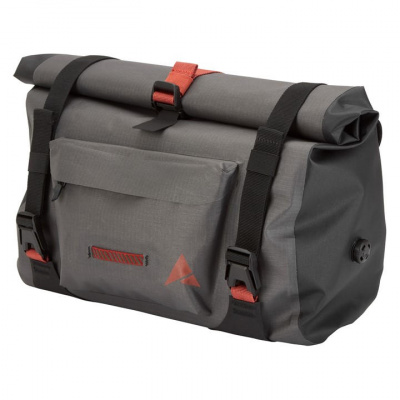
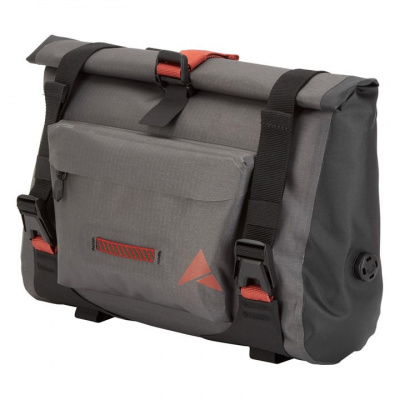
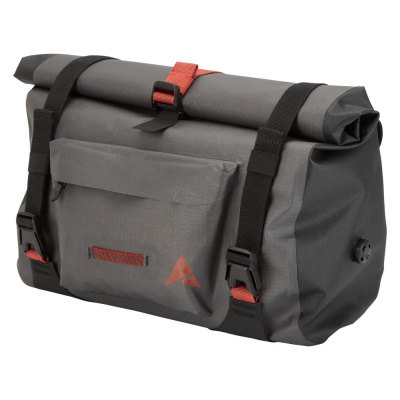
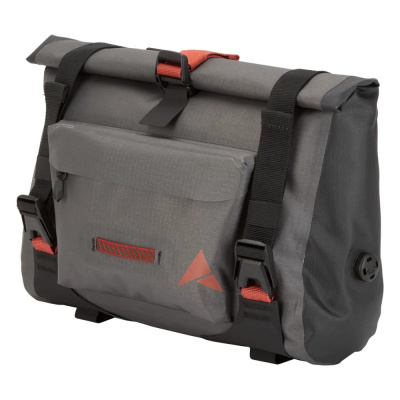
The Vortex bags are Altura's proper bikepacking kit. Fully waterproof construction with welded seams means there are no stitched holes for water to track through - relevant when you're riding a loaded Scottish crossing in October and the rain is coming in sideways. The roll-top closure replaces a zipper entirely, which is the right call: zippers and road grit are a slow-motion disaster, and roll-tops are as close to bulletproof as fabric closures get. Vortex bags are strap-mounted and relatively light, which suits riders who want a minimal, go-anywhere setup without permanent fittings on the cockpit.
The Dryline range is aimed squarely at commuters and touring riders who value speed of access. The Rixen & Kaul Klickfix™ system fits a bracket to your bars once and lets you click the bag on and off in seconds - handy if the bag doubles as a shoulder bag into the office. The waterproof rating on Dryline bags is high and the construction is robust, though the structured shape means slightly more frontal area than a Vortex. That's a fair trade for a bag you're loading and unloading twice a day. If you're putting together a full commuting setup, pairing a Dryline bar bag with Altura pannier bags keeps the system consistent and the mounting logic the same across the bike.
Heritage bags use waxed canvas and carry a more classic aesthetic. The waterproof rating is more modest - adequate for typical British drizzle but most Heritage models include a separate rain cover for heavier downpours. They suit retro steel builds, city bikes, and riders for whom the look of the luggage is part of the point. Nobody's bikepacking across Rannoch Moor with one, and that's fine.
The price step between tiers reflects real differences. Moving from Heritage to Dryline buys you quicker mounting and meaningfully better water resistance. Moving to Vortex adds fully welded construction and roll-top closure. If your riding involves long days in genuine rain, the Vortex waterproofing is worth it. If you're mostly commuting through London drizzle, Dryline is plenty. Pair either with Altura jackets and Altura gloves for a coherent wet-weather system.
Keeping Your Kit Intact: UK Grit, Strap Abrasion, and Long-Term Care
The biggest silent killer of a handlebar bag isn't water - it's the stabilising strap that runs from the base of the bag down to the head tube. That strap is under constant tension and moves slightly with every vibration. On a painted aluminium or carbon head tube, it'll grind through the clearcoat and into the paint faster than you'd expect. Apply heli-tape (frame protection film) to the head tube before fitting the bag. It costs almost nothing, takes five minutes, and saves you a significantly more expensive repaint later. Do it before your first ride.
Strap abrasion on the handlebars is less common but worth watching on bare titanium or polished alloy bars. A thin strip of protection tape there too does no harm.
For cleaning, warm soapy water and a soft brush is all you need. Crucially, avoid pressure washers - the jet can force water past welded seams and degrade the bond over time, undermining the very waterproofing you paid for. The same applies to direct hose jets. Rinse gently, leave to dry naturally away from direct heat, and the bags will last years without complaint.
Roll-top closures need the least maintenance of any closure type - just keep the folding zone clean and free of grit so the seal stays effective. Zip-equipped models on the Heritage range benefit from an occasional wipe with a damp cloth and a light application of zip lubricant to stop the slider sticking in cold weather.
Frequently Asked Questions
Building a full luggage setup? Spread the weight sensibly by combining your bar bag with Altura frame bags and Altura saddle bags to keep handling balanced front to rear.
Altura Bar Bags FAQs
How do you attach an Altura bar bag?
Commuting and touring bags in the Dryline range use the Rixen & Kaul Klickfix™ system - fit the bracket to your bars once, then click the bag on and off as needed. Vortex bikepacking bags go direct to the bars with heavy-duty velcro straps and foam spacers, so there's no permanent fitting required and the cockpit stays clean.
Are Altura bar bags fully waterproof?
Vortex and Dryline models are fully waterproof, combining welded seams with roll-top closures to handle proper UK rain without fuss. Heritage bags are water-resistant and include a separate rain cover for heavier downpours, which is fine for city use but not what you'd choose for a week in the Scottish Highlands.
Will a handlebar bag interfere with my bike cables?
Modern bikes with internal cable routing won't have any issue. Older setups with external Shimano STI cables running across the bar are the ones to watch - a bag pressed tight to the bar can trap the housing and make shifting feel rough. Use the foam spacers Altura supplies to push the bag forward slightly, which gives the cables room to sit cleanly behind it.