
Rockrider Jackets
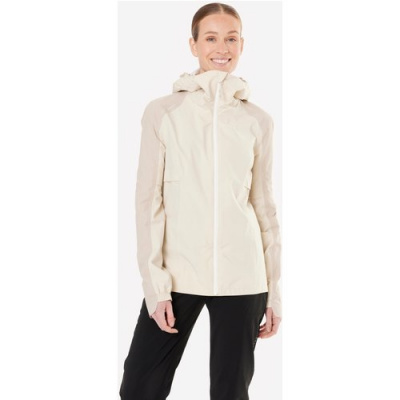
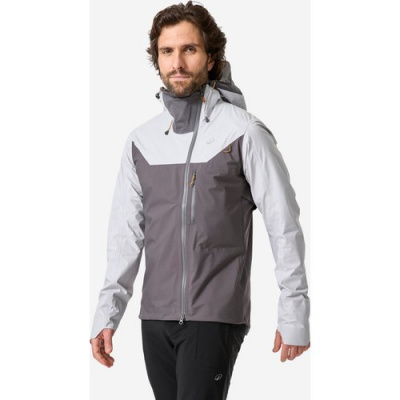
Rockrider MTB Jackets cover the full spectrum of British weather - from the breezy, sun-then-drizzle evenings of a Yorkshire moorland loop to the relentless sideways rain you get grinding through the Brecon Beacons in November. Decathlon's trail-focused range sits at the accessible end of the market without cutting corners where it matters: protection, fit, and durability on genuinely rough riding.
The range splits broadly into two camps. Windproof and water-repellent shells handle lighter showers and shoulder-season breezes, packing down small enough to stuff into a jersey pocket when the sun breaks. Step up to the fully waterproof options and you get breathable membranes with taped seams - proper wet-weather armour rather than a light DWR coating that gives up after an hour in the mud.
Every jacket in the range is cut for off-road riding. That means a relaxed fit that clears elbow pads and base layers without bunching, articulated sleeves so you can actually reach the bars on a steep technical descent, and a drop tail that keeps your lower back dry when rear wheel spray is flying. Helmet-compatible hoods and durable fabrics that wipe clean round out a range built around what UK trail riders actually need.
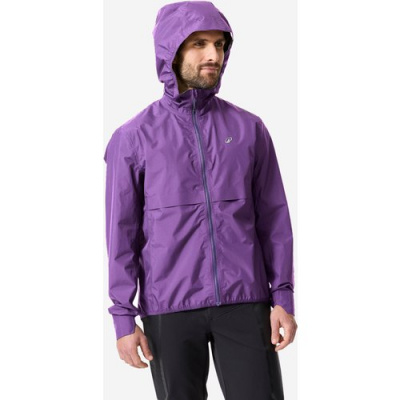
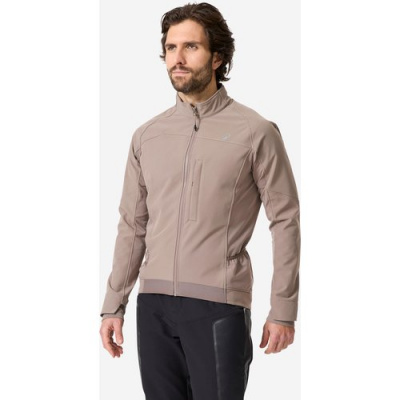
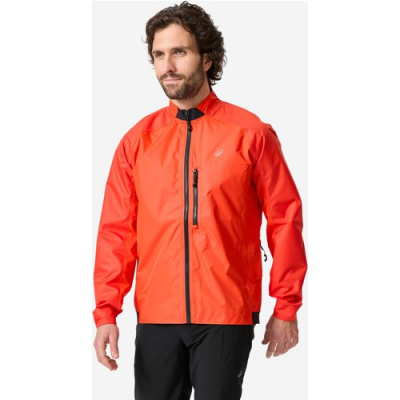
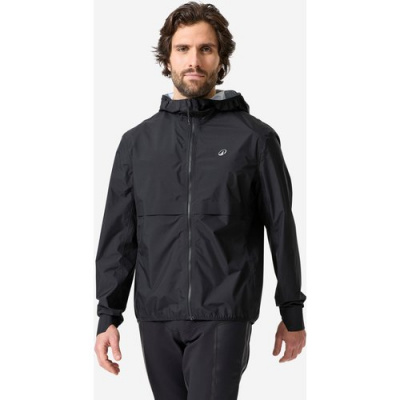
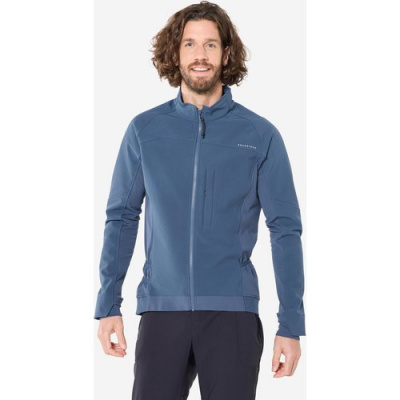
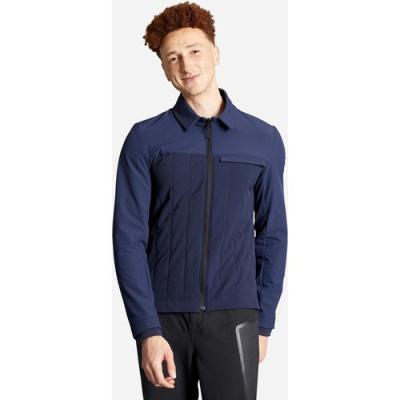
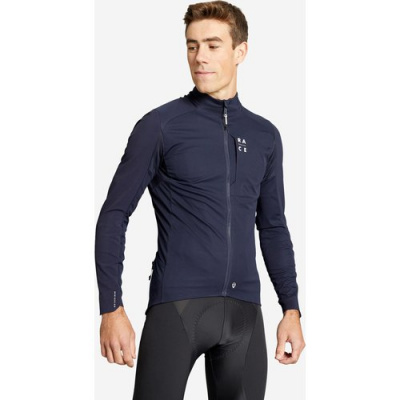
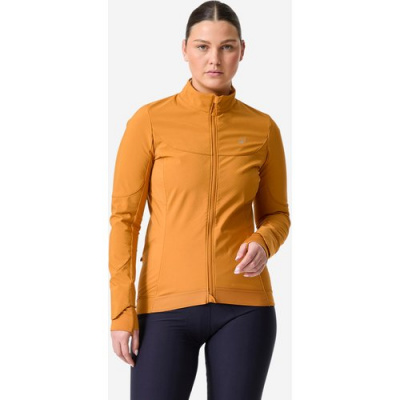
Prices and availability can change quickly. Delivery charges are not always included in listed prices.
Final price, stock status and delivery terms are set by retailer. We may receive a commission on purchases made.
Fabric Tech and Weather Performance
Not every Rockrider jacket is fully waterproof, and that distinction matters when you're standing in the car park deciding what to stuff in your pack. The lighter windproof models rely on a DWR coating - a durable water repellent treatment bonded to the outer fabric - to bead water off the surface. They're genuinely useful for cutting the wind on fast descents or keeping a light shower off your back, but they're not built for sustained downpours. Once the DWR saturates, water starts to soak in.
The fully waterproof jackets are a different proposition. These use a 2.5 or 3-layer breathable membrane construction, and critically, they have fully taped seams - meaning every needle hole along the stitching is sealed. That's the detail that separates a jacket that keeps you dry in a Welsh monsoon from one that merely delays the inevitable. If you're regularly riding Afan Argoed or similar in autumn and winter, the taped-seam option is the one to go for.
Breathability is the other side of the equation. UK trail climbing is humid work, and a jacket that keeps rain out but traps heat turns you into a mobile sauna within ten minutes of a long drag. Rockrider's better waterproof options include underarm ventilation zips - pit zips, effectively - that let you dump heat fast on steep climbs without unzipping the whole front and soaking your base layer. It's a practical feature that makes a noticeable difference on mixed-terrain rides with sharp ascents followed by cold descents. Compared to mid-range options from Altura or Endura, Rockrider holds its own on functional venting at this price bracket.
Understanding the Rockrider Fit and Range
The cut across the Rockrider jacket range is trail-specific - meaning relaxed through the chest and shoulders, not the slim-fit road silhouette you'd find elsewhere. That extra room isn't sloppiness; it's there to accommodate a light base layer underneath without the jacket riding up, and to clear the bulk of elbow pads if you're running them. If you're used to a road or commuter jacket, the proportions will feel noticeably roomier across the back.
Sleeve articulation is another detail worth flagging. The cut angles the sleeves forward slightly so that when you're stretched over the bars in an aggressive riding position, you're not fighting the jacket for movement. On a demanding technical trail, that matters - a tight sleeve that drags back when you reach forward is distracting at exactly the wrong moment.
The drop tail is standard across most of the range. It's a longer rear hem that sits lower at the back than the front, covering your lower back and the waistband of your shorts when you're bent over the bike. Rear wheel spray is a constant on muddy UK trails, and this is a small design choice that makes a genuine difference to comfort over a long, wet ride.
On sizing: Rockrider's fit runs fairly true, but if you're planning to layer a mid-layer fleece underneath for winter riding, size up. The relaxed cut helps, but a heavy fleece plus elbow pads will eat into that room quickly. Check the chest measurement on the size guide rather than going purely by your usual size - it's more reliable. The Rockrider helmet range is worth pairing up when you're speccing the hood; the helmet-compatible hoods on most jackets adjust to sit over a trail lid without catching on retention dials or peak brims.
If you want a different cut or prefer a brand with a longer waterproof jacket pedigree, Cube and BTwin are worth a look for comparison - though at comparable price points, Rockrider's MTB-specific detailing is hard to argue with.
Layering and Jacket Care for UK Conditions
A jacket on its own only does half the job. For UK trail riding, the layering system underneath makes the difference between a comfortable ride in changing conditions and a miserable one. The waterproof shell works best over a moisture-wicking base - something that pulls sweat away from your skin rather than holding it. Pair it with a Rockrider jersey as your mid-layer on milder days, or add a lightweight fleece between the two when temperatures drop. Avoid cotton - it holds moisture and chills fast, which is a real issue on long descents after a sweaty climb.
Care matters more than most riders realise, especially for maintaining waterproofing. After a muddy ride - and UK trails deliver plenty of those - wash the jacket at 30 degrees using a technical apparel cleaner. Standard detergents and fabric softeners are the enemy of a breathable membrane; they clog the tiny pores that allow moisture vapour to escape, and once that's gone, the jacket stops breathing properly. Nikwax Tech Wash is a common choice, and widely available.
To reactivate the DWR coating after washing, tumble dry on a low heat setting. The warmth is what re-bonds the DWR treatment to the outer fabric. If you don't have a tumble dryer, a warm iron on a low setting through a cloth works, though a dryer is easier and more consistent. Doing this after every few washes keeps the jacket beading water properly rather than letting it wet out across the surface.
Don't forget your hands. Rockrider gloves and a good pair of MTB shorts round out a trail kit that's built for the same conditions - no point in a waterproof jacket if your hands are numb and your legs are soaked by the third climb.
Rockrider Jackets FAQs
Are Rockrider jackets fully waterproof?
Not all of them. Rockrider produces both water-repellent windproofs and fully waterproof jackets. If you're riding in heavy or sustained rain, look specifically for models with taped seams and a breathable membrane - the product description will flag these. A DWR-only jacket will shed light showers but isn't built for prolonged wet conditions.
How do Rockrider MTB jackets fit?
The fit is trail-specific - relaxed through the chest and shoulders to clear base layers and elbow pads, with articulated sleeves for a full reach position on the bike. The drop tail covers your lower back from mud and spray. Sizing runs fairly true, but go up one if you're planning to layer heavily underneath in winter.
How should I wash my Rockrider waterproof jacket?
Wash at 30 degrees with a technical apparel cleaner like Nikwax Tech Wash - no standard detergents, no fabric softener. Both clog the breathable membrane and degrade waterproofing. Tumble dry on low heat afterwards to reactivate the DWR coating. Do this regularly after muddy rides and the jacket will keep performing properly.