
Riverside Frame Bags
Riverside Frame Bags make the most of the one part of your bike that genuinely loves a load - the front triangle. Developed within Decathlon's bikepacking and touring lineup, they sit where the weight stays low and the handling stays honest, which matters whether you're rolling out of a Cairngorms bothy car park at 6am or grinding a loaded gravel loop through the Brecon Beacons.
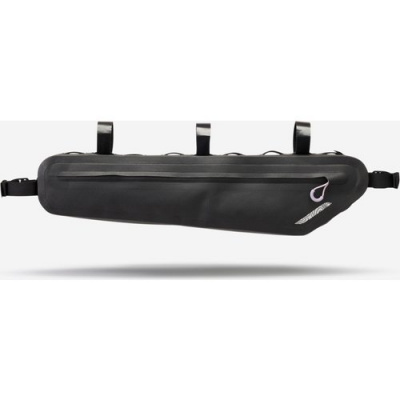
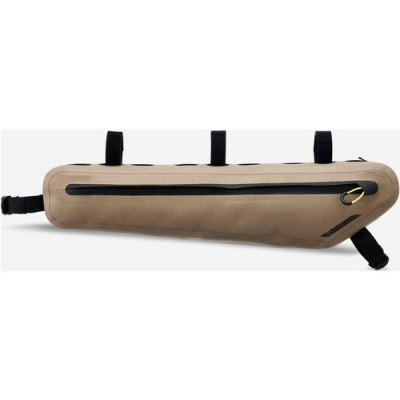
The range splits into two clear camps: water-resistant touring bags for everyday use and longer road rides, and a premium bikepacking series built around IPX6 waterproofing, high-frequency welded seams, and roll-top closures that laugh at sustained Welsh drizzle in a way a DWR coating simply won't. Hypalon-reinforced velcro mounting straps grip the frame without creeping under load - a detail that sounds minor until you've watched a bag rotate 45 degrees mid-descent. Half-frame options keep your bottle cage accessible; full-frame models swallow the serious kit. Whatever your setup, the core promise is the same: stable carry, genuine weather protection, and a fit that works across road, gravel, and hybrid geometry.
Prices and availability can change quickly. Delivery charges are not always included in listed prices.
Final price, stock status and delivery terms are set by retailer. We may receive a commission on purchases made.
Getting the Fit Right: Frame Measurement and Compatibility
Before you buy, grab a flexible tape measure and take three internal dimensions: top tube length, down tube length, and seat tube length - measuring along the inside of the triangle, not the tube surface. Cross-reference those numbers against the bag's listed dimensions, and leave yourself a honest margin rather than squeezing in the largest option. A bag that's too wide will foul your knees on the top tube; too tall and it presses into the down tube at awkward angles.
The half-frame bag versus full-frame decision is more than a capacity call. A half-frame design leaves the lower portion of your triangle open, so your bottle cage stays usable - critical on longer days when you're relying on two bottles and a filter. Full-frame bags claim that space back, so if you're running a Riverside gravel bike on a multi-day route, plan your hydration setup around a frame-mounted soft flask or a handlebar solution instead.
Cable routing is the detail most people miss. External cables running under the top tube or along the down tube can be pinched or chafed by mounting straps if you're not careful with placement. Check where your gear and brake outers exit the frame before you commit to strap positions. On full-suspension frames - less relevant for Riverside's current range but worth flagging - linkage pivot clearance needs checking too. Looking to expand your setup? Riverside touring bikes pair naturally with the brand's broader luggage range; check out Riverside Bar Bags and Riverside Saddle Bags for a complete front-to-back carry system.
Touring Series vs. Bikepacking Series: What You Actually Get
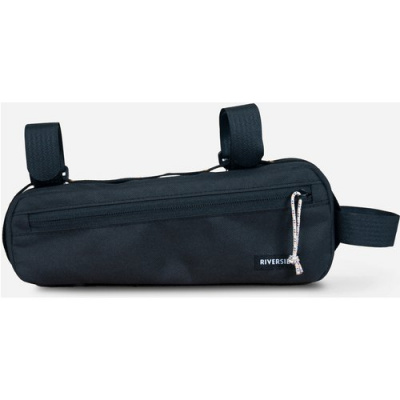
Riverside's touring bags are the accessible end of the range - water-resistant fabrics, standard zip closures, and a more relaxed construction that suits Riverside hybrid bikes used for credit-card touring or commuting with a bit of overnight kit. They'll handle drizzle and the odd puddle splash without complaint. Push them into a full day of Peak District rain, though, and you'll want dry bags around anything electronic.
The bikepacking series is a different proposition. The IPX6 rating here isn't a marketing number - it's backed by high-frequency welded seams that bond the fabric panels together rather than stitching through them, eliminating the needle holes that let water wick in over time. Roll-top closures on full-frame models let you compress the bag when it's half-loaded or cram in an extra layer when the forecast shifts, which on a Scottish route it will. The fabric denier is noticeably heavier too, so the bag resists abrasion from packed gear moving around inside and from the inevitable scrape against a dry-stone wall during a tight gate manoeuvre.
If your riding stays mostly on tarmac and light gravel and you're not committing to nights out, the touring series represents solid value. If you're planning anything that involves camping kit, sustained rain, or genuinely rough surfaces, the bikepacking series earns its keep. It's worth comparing against alternatives - Apidura frame bags sit at the premium end of the market with similar welded construction, while Altura frame bags offer a mid-range option if budget is a factor.
Keeping It Sorted: UK Conditions and Long-Term Care
UK grit is the silent killer of frame paint. Fine road grit and winter salt get trapped between velcro mounting straps and the frame, and every small vibration works it like sandpaper. Apply clear helicopter tape - frame protection film - to every contact point before the bag goes on. It's a five-minute job that saves a repaint. This isn't optional if you care about the bike underneath.
Once the bag is mounted, check the strap tension after your first couple of rides. Hypalon-reinforced straps bed in slightly and can loosen a fraction as the material settles. A quick snug-up and you're done. After muddy rides, rinse the outside with clean water rather than blasting it with a pressure washer - concentrated jets can stress welded seams over time even on IPX6-rated bags. For the zippers on touring-series bags, a small amount of zipper lubricant worked along the teeth every few months keeps them running clean and prevents the gritty grinding that eventually destroys zip sliders. Mud on ripstop nylon cleans off easily when dry; pick off the worst, brush it, then rinse. Avoid detergents that strip DWR treatments if your bag relies on them.
If you're running the bikepacking series against competitors like Ortlieb frame bags or Blackburn frame bags, the maintenance principles are similar across welded constructions - keep chemicals away from seams, store loosely rather than compressed, and the bags will last well beyond a single season.
Riverside Frame Bags FAQs
How do I measure my bike for a Riverside frame bag?
Use a flexible tape measure to take the internal lengths of your top tube, down tube, and seat tube - measuring along the inside of the triangle. Compare these against the bag's listed dimensions. If you're going for a half-frame design, make sure you leave enough clearance below the bag for your bottle cage to sit and operate properly.
Are Riverside frame bags fully waterproof?
The premium bikepacking range is rated IPX6, with high-frequency welded seams and roll-top closures - genuinely waterproof in sustained heavy rain. The entry-level touring bags are water-resistant rather than waterproof, so for electronics or anything you can't afford to get wet, use a dry bag as a liner when the weather turns serious.
Do frame bags scratch bike paint?
They can, yes - any bag can cause damage if UK road grit gets trapped under the mounting straps. Apply clear frame protection tape to every contact point before fitting the bag. It's cheap, nearly invisible, and the one step that makes the difference between a pristine frame and abraded paintwork after a winter's worth of rides.