
Riverside Commuter And Hybrid Tyres
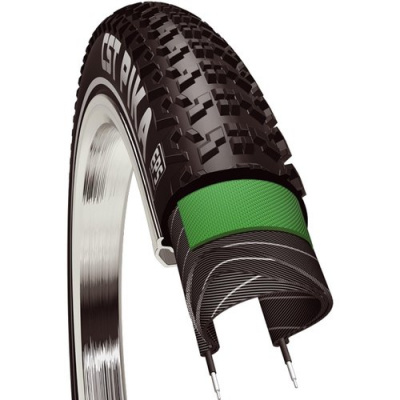
Keeping your wheels turning day after day is exactly what Riverside commuter and hybrid tyres are engineered for. Built by Decathlon's urban cycling division, the range puts puncture resistance, longevity, and all-weather confidence ahead of outright speed - which is precisely what most UK riders actually need. Glass-strewn cycle lanes, greasy tarmac after a shower, and the odd lurking pothole are facts of life out here, and Riverside's rubber is designed with those realities in mind rather than a dry velodrome. The casings use high-mileage rubber compounds that prioritise staying in one piece over multiple thousands of miles, and the better models in the range integrate high-density anti-puncture belts that sit between the tread and the inner tube like a silent bodyguard. Reflective sidewall bands add a strip of low-light visibility for the dark commute home - a small detail that earns its keep through autumn and winter. Whether you're rolling a hybrid, a trekking bike, or a lightly specced Riverside hybrid bike, there's a tyre here that fits the job. Compare the latest UK prices in the grid above to find your match.
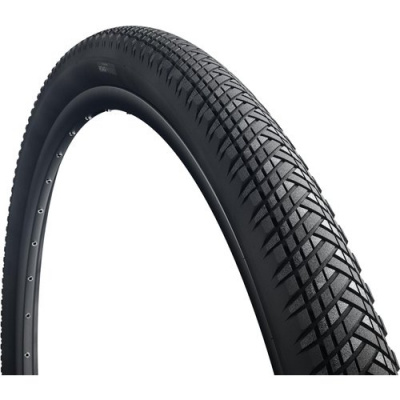
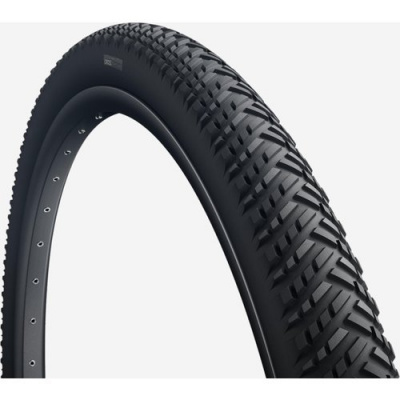
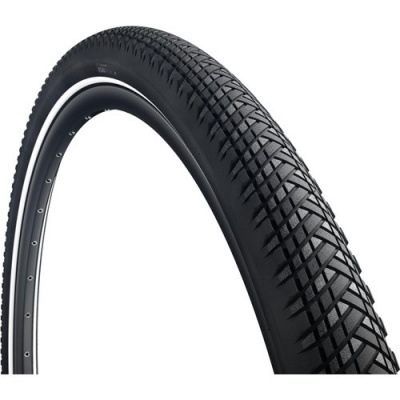
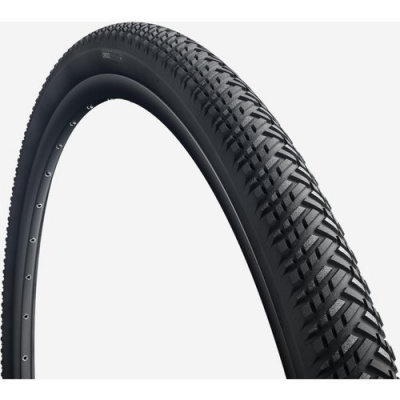
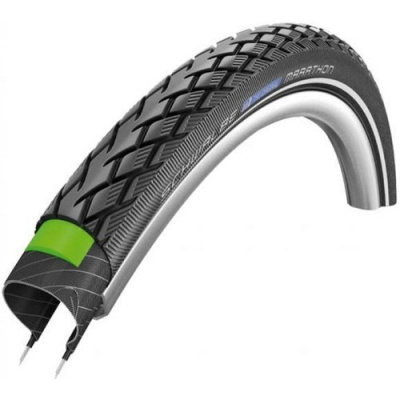
Prices and availability can change quickly. Delivery charges are not always included in listed prices.
Final price, stock status and delivery terms are set by retailer. We may receive a commission on purchases made.
Compatibility and Sizing: Getting the Fit Right
Before anything else, check the ETRTO number printed on your current tyre's sidewall - it looks something like 38-622. The second figure, 622, denotes the bead seat diameter and confirms you're on a standard 700c rim (ETRTO 622). That number must match exactly; there's no fudging it. The first figure, 38, is the tyre width in millimetres, and that's where you have a little more flexibility depending on your frame clearance. Riverside commuter tyres typically span 32c to 47c widths, so if you're currently on a 32c and fancying more cushion, a 38c or 40c is a straightforward swap on most hybrid rims - but check your frame first.
Rim internal width matters too. A tyre that's too wide for a narrow rim can seat unevenly and compromise handling. Most hybrid wheels run internal widths of 17 - 19mm, which pair well with Riverside's 35c to 40c options. Going wider? Measure the gap between your chainstays and fork crown before you order, especially if you're running full-length mudguards - sizing up even 6mm can cause rubbing on tighter frames. All Riverside commuter tyres are standard clinchers requiring an inner tube, so there's no tubeless setup to worry about here. A compatible Riverside wheel will confirm the rim spec if you're unsure.
Standard Tyres vs. Protect+: Knowing Which to Choose
Riverside's commuter tyre range splits into two clear tiers, and picking the wrong one is a false economy either way. The entry-level options use a simpler rubber compound and a basic casing - lower TPI (Threads Per Inch) means a stiffer, heavier build, but they're solid replacements if budget is the main concern and your route is relatively clean tarmac. They roll fine and last well enough for fair-weather or low-mileage use.
Step up to the Protect+ models and the difference is tangible. These tyres integrate a high-density anti-puncture belt - typically between 1mm and 3mm thick depending on the specific model - sandwiched between the tread and the casing. That belt is why Riverside puncture resistant hybrid tyres have developed a reputation among daily commuters. It won't stop every piece of flint in existence, but it turns what would be a tube-destroying slice into a deflected near-miss more often than not. The trade-off is honest: Protect+ tyres carry a weight penalty and have measurably higher rolling resistance than a lightweight road-leaning clincher. You'll notice it on a long, flat sprint. Most commuters won't care.
The Protect+ models also carry reflective sidewall bands - a strip of reflective material running the circumference of the tyre. It's not a substitute for lights, but it bounces headlights back at drivers from a low angle that your saddle bag reflector misses entirely. For the winter commute on unlit canal towpaths or residential backstreets, it's worth having. If you're weighing Riverside against alternatives, Continental commuter tyres and Michelin commuter tyres offer comparable protection tiers, though often at a higher price point. BTwin commuter tyres sit in the same Decathlon stable and share DNA with Riverside's more affordable options.
Surviving UK Conditions: Pressure, Maintenance, and Longevity
The UK has a gift for destroying tyres quickly if you let it. Wet roads don't just reduce grip - water acts as a lubricant that helps sharp debris work through the tread more easily than on dry days. That's why a quick visual check after every few rides pays off: run your thumb carefully along the tread and look for embedded glass or flint. Pick it out before it has a chance to migrate through the casing. It takes thirty seconds and saves you a roadside tube change in the rain.
Tyre pressure is the other variable most riders underestimate. Riding underinflated on potholed city roads is the primary cause of pinch flats - where the tube gets pinched between the tyre casing and the rim edge, cutting two small holes known colloquially as a snakebite. Keep the casing rigid enough to resist that compression. For a best Riverside tyres for UK winter setup on a 700x38c tyre, 50 - 65 PSI is a sensible working range depending on your total weight with luggage. Lighter riders and smoother surfaces suit the lower end; heavier riders or rough towpaths want to sit closer to 65 PSI. Go above the maximum stamped on the sidewall and you risk sidewall stress and reduced grip on greasy surfaces - neither is a win.
Longevity comes down to a few habits. Avoid leaving the bike standing on the same spot for weeks - flat spots develop in the casing. Store it out of direct sunlight where possible; UV degrades rubber compounds over time. And when the centre tread starts to square off visibly, it's time to replace - a squared tread sheds water less efficiently and signals the compound is past its best. Riverside 700c commuter tyres are priced accessibly enough that replacing them proactively costs far less than a ruined commute. If you're building up a reliable winter steed, pairing fresh rubber with a Riverside touring bike gives you a genuinely capable all-weather setup without breaking the budget.
One practical note on e-bike use: Riverside e-bike compatible tyres in the range are rated to handle the additional torque and weight load that a motor introduces. Check the product listing for an E-Bike or Speed Pedelec rating if you're fitting to a motor-assisted machine - a standard commuter tyre on a heavy e-bike will wear considerably faster than the rated mileage suggests. For context on how Riverside's pricing compares across the category, Specialized commuter tyres offer a higher-end alternative if you're after a performance-leaning casing.
Riverside Commuter And Hybrid Tyres FAQs
Are Riverside hybrid tyres puncture proof?
No tyre is completely puncture proof, and Riverside's aren't either - but the Protect+ models include a high-density belt, typically 1mm to 3mm thick, that sits under the tread and stops the majority of glass, thorns, and flint from reaching the inner tube. Think of it as a serious reduction in puncture frequency rather than a total guarantee.
What tyre pressure should I run on a Riverside commuter bike?
For a 700x38c Riverside hybrid tyre, 50 - 65 PSI is a solid working range. Lighter riders on smooth tarmac can sit at the lower end for better comfort; heavier riders or anyone tackling rough towpaths and potholed roads should push closer to 65 PSI to protect against pinch flats. Always stay within the maximum printed on the sidewall.
How do I know if a Riverside tyre will fit my hybrid bike rims?
Check the ETRTO code on your current tyre - for example, 38-622. The 622 confirms a standard 700c rim diameter, which must match exactly. The 38 is the width in millimetres; you can go slightly wider or narrower depending on your rim's internal width and frame clearance. When in doubt, measure the gap at your chainstays and fork crown before ordering a wider size.