
BTWIN Commuter And Hybrid Tyres
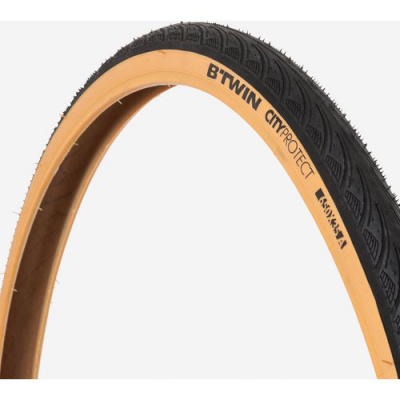
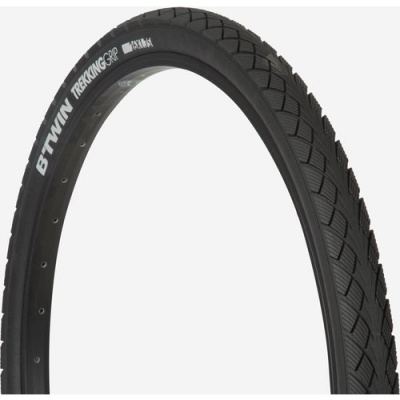
BTWIN hybrid and commuter tyres sit at a genuinely interesting point in the market - decent puncture resistance, sensible sizing options, and a price that won't make you wince every time you roll over a pothole. If you're threading through urban cycle lanes thick with glass and flint, or grinding out a winter commute on greasy painted road markings, these tyres are engineered with exactly that in mind. The Protect and Protect+ puncture belts - ranging from a 1mm nylon layer up to a 3mm high-density barrier - do a solid job of keeping your inner tubes intact without pushing the tyre into prohibitively expensive territory. Reflective sidewall bands are a practical addition too, giving you a bit more visibility on dark November mornings when the streetlights feel woefully inadequate. The cost-to-durability ratio here is hard to argue with, particularly for riders covering regular mileage on BTWIN hybrid bikes. That said, if you're after aggressive off-road traction or the lowest possible rolling resistance for fast tarmac work, you'd be better served looking at dedicated MTB or road tyre categories - these are built squarely for the daily grind.
Prices and availability can change quickly. Delivery charges are not always included in listed prices.
Final price, stock status and delivery terms are set by retailer. We may receive a commission on purchases made.
ETRTO Sizing and Frame Clearance - Getting the Right Fit
The sizing printed on a BTWIN tyre sidewall can look baffling at first glance, but it's straightforward once you know what you're reading. The ETRTO number - something like 37-622 - gives you the tyre width in millimetres followed by the inner rim diameter. The more familiar 700x35c format means the same thing in old money: 700c wheel diameter with a 35mm wide tyre. Both describe the same tyre; manufacturers just print whichever format fits the mould. Check your current tyre's sidewall for either format before buying, because mixing standards up is how riders end up with a tyre that won't seat properly on the rim.
Frame and fork clearance matters more than people think, especially when you're moving to a wider tyre. Most BTWIN hybrid frames comfortably accept widths between 32c and 42c, but clearance tightens up fast once you factor in BTWIN mudguards. Fit a 42c tyre with full mudguards and you might find the clearance is uncomfortably tight - mud and debris can pack in and lock the wheel solid. A 35c or 38c tyre usually gives you the working clearance you need while still rolling comfortably over rougher surfaces. On rim width: a tyre that's too narrow for the rim can roll off under hard cornering, so match the tyre's recommended internal rim width (printed in the tyre spec) to your actual rim. BTWIN's own wheels are typically sized to suit their tyre range, so you're generally fine staying within the brand's ecosystem.
Standard, Protect, and Protect+ - What You're Actually Paying For
BTWIN structures their commuter tyre range in tiers, and understanding what separates them saves you from either under-speccing for your commute or overspending on protection you don't need. The entry-level tyres use a wire bead clincher construction and a basic rubber compound - perfectly functional for occasional urban use or lighter mileage, but without a dedicated puncture protection layer. Pick one of these up and you're relying on tread depth and tyre pressure alone to fend off debris.
Step up to the Protect tier and you get a 1mm high-density nylon belt running beneath the tread. It won't stop everything - a sharp flint at the wrong angle can still find its way through - but it meaningfully reduces the odds of a flat from the kind of glass and gravel that accumulates in UK cycle lanes. These are the ones most regular commuters should be looking at. The Protect+ level adds a 3mm layer, which is noticeably more robust. The trade-off is a modest increase in rolling weight; you'll feel a slight drag compared to a lighter-compound road tyre, but for commuting that's a reasonable exchange. Think of it less as extra drag and more as insurance. If your route takes you along canal towpaths or through areas with poor road maintenance, the Protect+ tier earns its keep quickly.
High-mileage rubber compounds are prioritised across the range over chasing the lowest possible weight - that's a deliberate choice on BTWIN's part, and the right one for this use case. Continental commuter tyres at a higher price point offer similar durability philosophies, and Michelin's commuter range leans into wet grip compounds - both are worth comparing if you want to see where BTWIN sits in the wider market.
Keeping Them Rolling - UK Road Conditions and Maintenance
British roads have a particular talent for destroying tyres. Urban cycle lanes collect glass, flint chips, and assorted debris that sits embedded in the tarmac waiting for your tread to pick it up. The damage usually happens quietly - a sliver of glass works its way through the tread over several miles before it finally reaches the tube. Get into the habit of running a gloved finger lightly across the tread after rides - you're feeling for embedded fragments before they cause a problem. Pinch them out with a tyre lever or a fingernail if they're shallow. It takes thirty seconds and saves you a roadside tube change.
Tyre pressure is the other variable riders consistently get wrong. Running too low on UK roads - particularly the potholed urban kind - puts you at real risk of pinch flats, where the inner tube gets compressed between the tyre and rim hard enough to puncture on both sides simultaneously. For a standard 700x35c BTWIN commuter tyre, 50 - 60 PSI gives a good balance between rolling efficiency and comfort. Drop below 45 PSI on a loaded commute and you're asking for trouble on sharper impacts. In wet conditions, dropping roughly 5 PSI from your normal pressure increases the tyre's contact patch slightly, improving grip on the greasy painted road markings and slick tarmac that make autumn and winter commutes feel genuinely sketchy. It's a small adjustment that makes a noticeable difference.
Reflective sidewall strips on the Protect range are worth noting here too - they're not just a marketing feature. At night, when a car's headlights catch the sidewall, they create a moving visual cue that's more eye-catching than a rear light alone. If your commute involves any unlit stretches, that passive visibility is a genuine safety addition. Pair the tyres with a BTWIN pannier rack and decent lights, and you've got a commuting setup that covers most of what UK riding throws at you. For riders comparing options further, Riverside commuter tyres occupy a similar space and are worth a look if you want to cross-shop on tread pattern or wet grip compound before committing.
BTWIN Commuter And Hybrid Tyres FAQs
What size tyres do I need for my BTWIN hybrid bike?
Check your current tyre's sidewall for the ETRTO number (like 38-622) or the standard size format (like 700x38c) - they describe the same measurement. Most BTWIN hybrids run 700c wheels with widths between 32c and 42c, but always check your frame clearance before fitting anything wider, especially with mudguards in place.
Are BTWIN commuter tyres puncture-proof?
No pneumatic tyre is fully puncture-proof, and anyone claiming otherwise is selling you something. BTWIN's Protect range uses a 1mm to 3mm high-density belt beneath the tread, which significantly cuts the risk of flats from glass, thorns, and the general debris that lines UK urban cycle lanes. It's protection, not a guarantee.
What tyre pressure is best for commuting on UK roads?
For a 700x35c BTWIN commuter tyre, 50 - 60 PSI is a solid starting point - enough to resist pinch flats on rough surfaces without a bone-jarring ride. In wet or icy conditions, drop around 5 PSI from your normal setting to widen the contact patch and improve grip on slippery painted markings and wet tarmac.