
Praxis Works Pedals
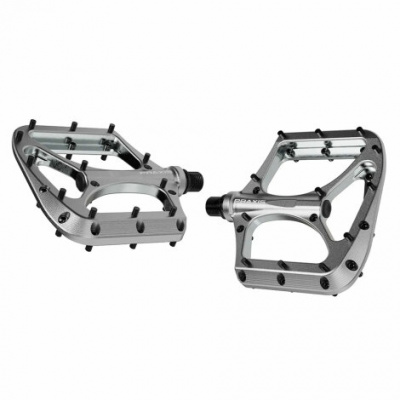
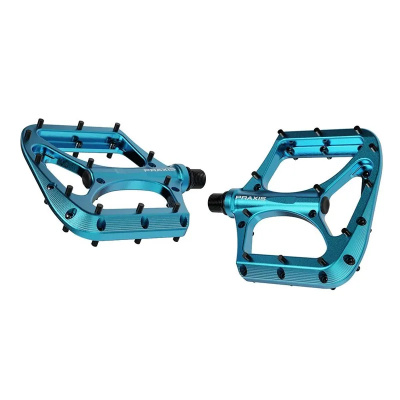
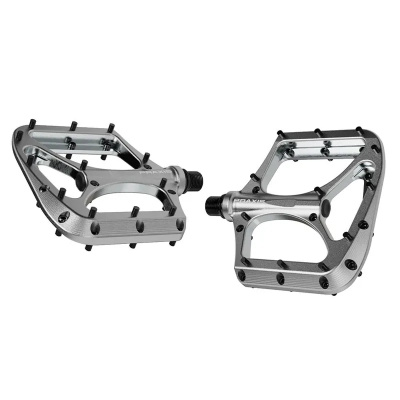
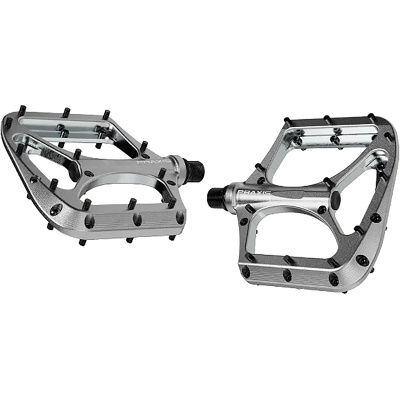
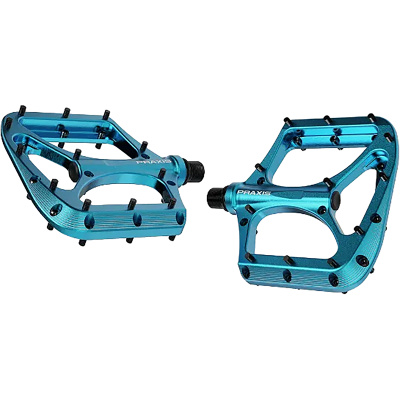
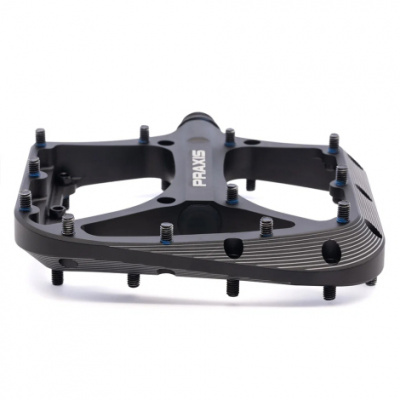
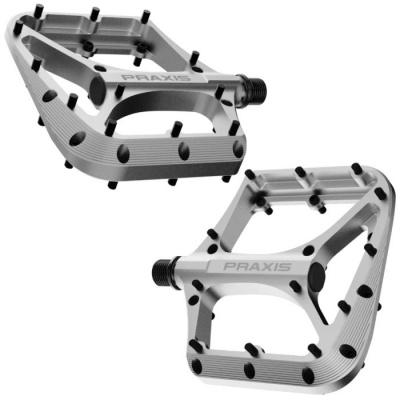
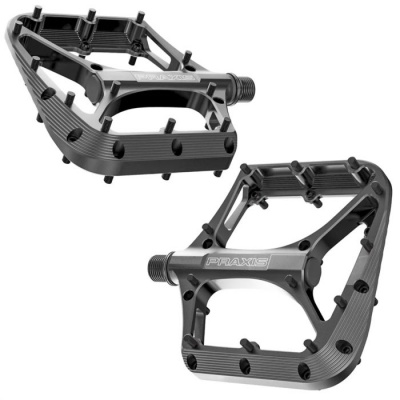
Praxis Works pedals carry the same cold-forged DNA that made the brand's chainrings and cranks a staple on serious builds - and that engineering rigour translates directly into contact points you can trust. Where cheaper pedals start to wobble and creak after a winter's worth of Peak District grit, Praxis builds around heat-treated chromoly spindles and custom sealed cartridge bearings that resist the kind of ingress that turns a smooth axle into a grinding mess by March.
The range covers both flat and clipless options, so whether you're dabbing your way down slick, root-heavy singletrack or winding out the watts on a wet January commute, there's a pedal spec matched to the job. Profiles stay low, clearance is generous, and the bearing assemblies are designed to be serviced rather than binned - which matters when UK riding conditions accelerate wear faster than most manufacturers' test schedules account for.
Pair them with Praxis Works chainsets and cranks and you've got a drivetrain contact-point package built to the same manufacturing standard throughout. If you're comparing options, Burgtec pedals and DMR pedals sit in a similar bracket and are worth a look alongside.
Prices and availability can change quickly. Delivery charges are not always included in listed prices.
Final price, stock status and delivery terms are set by retailer. We may receive a commission on purchases made.
Fitment, Thread Standards and Installation Notes
Every Praxis Works pedal uses the industry-standard 9/16" x 20 tpi thread pitch. That covers virtually every modern adult crankset on the market, from alloy doubles to carbon road cranks. Fitting is straightforward - right pedal threads in clockwise, left pedal counter-clockwise - and you'll need either an 8mm hex key inserted from the back of the crank or a 15mm pedal spanner on the flats, depending on the model.
One thing worth doing before you torque them up: apply a thin coat of anti-seize compound or waterproof grease to the spindle threads. Steel spindle against alloy crank arm is a classic galvanic corrosion scenario, and UK road salt through winter makes it worse. Skip the grease and you might find yourself fighting a seized pedal come spring. It takes thirty seconds and saves a lot of swearing. Q-factor sits in line with most competitors at this level, though if you're running crank boots for winter commuting, check clearance between the boot and the pedal body before heading out - a tight fit can cause the boot to foul on the platform edge.
The Praxis Pedal Range Explained
Praxis positions their pedals across a clear hierarchy. The flat MTB options are where most UK riders will start - broad platforms, adjustable traction pins, and cold-forged aluminium bodies that take rock strikes without deforming. Cold-forging, the same process Praxis applies to their chainrings, produces a denser, stronger alloy structure than casting, which means the platform edges stay crisp and the pin threads hold torque properly even after repeated impacts.
Step up the range and you're paying for a thinner profile, reduced platform weight, and in some cases hollow or titanium spindle options. For road and gravel use, the slimmer build keeps your foot closer to the crank centre line, which matters for pedalling efficiency over long distances. The IGUS bushing assemblies used alongside the cartridge bearings add a degree of lateral compliance without introducing slop - a considered detail that smooths out the feel under load. If you want a rough comparison, Hope pedals and HT Components pedals target similar riders at a similar price point, though their construction approaches differ.
Clipless variants in the Praxis lineup are designed around the SPD standard, which means two-bolt shoe compatibility and a cleat ecosystem most mountain bikers and gravel riders already know. Road-specific models may use a different cleat platform, so always cross-check before ordering shoes. Looking to rebuild your current setup or replace missing traction pins? Head over to our dedicated Praxis Works tools and spares page for all service kits and replacement parts.
Keeping Praxis Pedals Running Through UK Conditions
British riding is hard on bearings. Silica-rich grit from Peak District tracks acts like a grinding paste, and pressure washing - however satisfying - forces water past seals that were never designed to take a jet wash at close range. The sealed cartridge bearing and IGUS bushing setup in Praxis pedals is a step ahead of loose-ball designs, but no seal is completely impervious to sustained abuse.
A sensible servicing interval for year-round UK riders is a full strip, clean and regrease every six to twelve months, weighted toward the shorter end if you're riding through winter regularly. The process isn't complicated: remove the end cap, undo the spindle retaining nut, slide the pedal body off the axle, and inspect the cartridge bearings for any roughness or lateral play. Fresh waterproof grease on reassembly and you're good. Keeping the area around the spindle seals clean day-to-day - a quick wipe after muddy rides - slows contamination considerably and pushes that service interval toward the longer end.
Off-camber wet roots, which are a feature of most Welsh and Scottish trail riding rather than an exception, demand traction pin setups that actually grip. Praxis's adjustable pin design lets you dial in protrusion to match your shoes - more aggressive for flat pedal riding in autumn leaf conditions, dialled back if you're on smooth-soled footwear. It's the kind of tuneability that makes a noticeable difference when the trail surface is working against you. Crank Brothers pedals take a different approach to mud clearance with their open platform design, worth considering if self-cleaning is your priority over maximum grip area.
For the full drivetrain picture, pairing Praxis pedals with Praxis Works bottom brackets keeps bearing quality consistent across the contact points that matter most - and makes your service schedule simpler when everything uses compatible tooling and grease specifications.
Praxis Works Pedals FAQs
Are Praxis Works pedals compatible with Shimano cleats?
Praxis clipless pedals built around the SPD standard accept Shimano SH51 and SH56 cleats without modification. Road-specific Praxis models may use a different cleat platform, so check the individual product spec before pairing with shoes.
How do you service Praxis Works pedal bearings?
Remove the end cap, undo the spindle retaining nut, and slide the body off the axle. Check the cartridge bearings and IGUS bushings for roughness or play, clean everything out, pack with fresh waterproof grease, and reassemble to the manufacturer's torque spec.
What is the thread size for Praxis Works pedals?
Praxis Works pedals use the standard 9/16" x 20 tpi thread, fitting virtually all modern adult cranksets. Worth remembering: the left-hand pedal is reverse-threaded - turn it clockwise to remove - which stops it backing out under pedalling load.