
POC Frame Bags
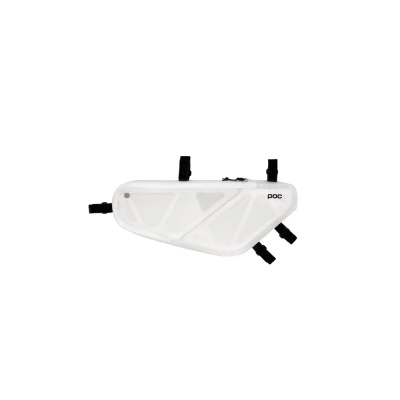
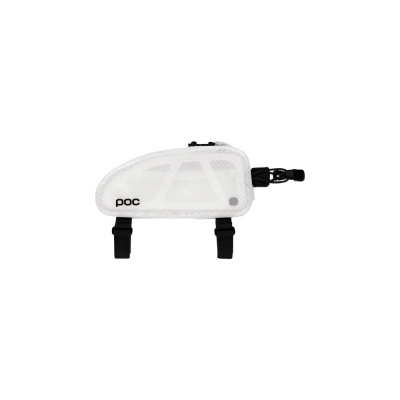
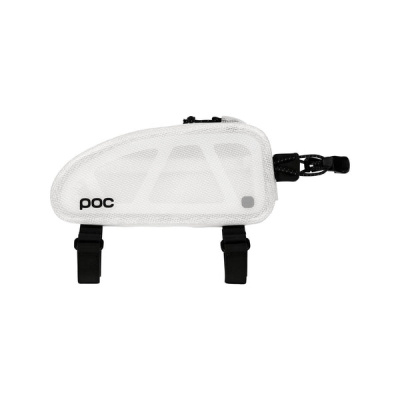
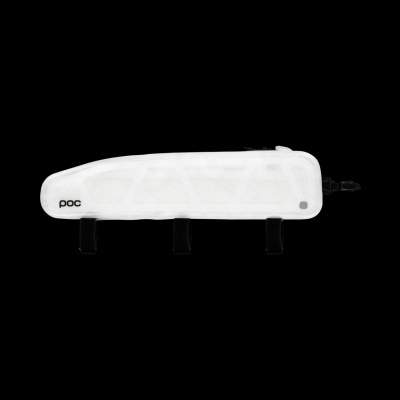
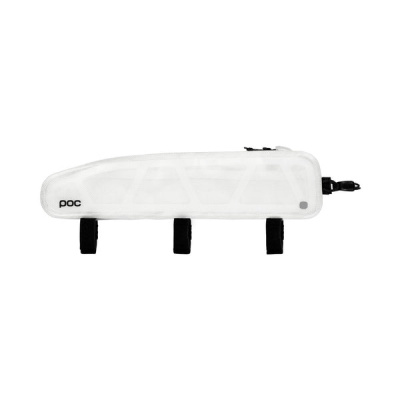
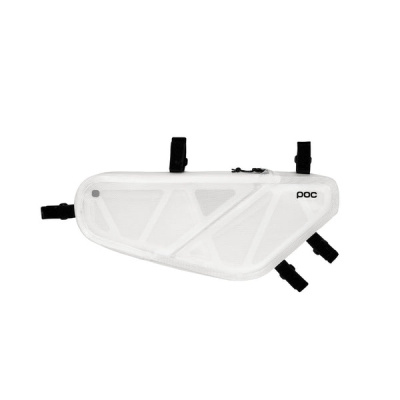
POC frame bags keep your essentials locked low in the frame triangle where the weight belongs - stable, central, and well clear of your handling. POC's approach here is typically Swedish: clean lines, no fuss, and materials chosen to actually work in the conditions you'll encounter. That means fluorocarbon-free DWR treatments that bead water off the fabric rather than just hoping for the best, paired with waterproof zippers that don't pack in halfway through a soggy February run up into the moors.
The fabrics are high-denier abrasion-resistant ripstop - chosen because a frame bag lives in close contact with your knees, your water bottle cages, and a relentless stream of grit thrown up from UK roads and trails. POC also builds in high-visibility reflective detailing, which matters when your winter miles are mostly done in the dark. Keeping weight centred and low changes how a loaded bike handles on descents and technical sections - dramatically, if you've only ever stuffed a rucksack. Whether you're planning a multi-day gravel trip or just need secure storage for spares and a rain jacket on longer base rides, a well-fitted frame bag is one of the more straightforward upgrades you can make to a bikepacking setup.
Prices and availability can change quickly. Delivery charges are not always included in listed prices.
Final price, stock status and delivery terms are set by retailer. We may receive a commission on purchases made.
Frame Compatibility and Mounting Clearances
Before you order, measure your front triangle properly. Run a tape from the inside of the head tube to the inside of the seat tube along the top tube - that gives you your usable length. Then check the height: measure from the top tube down to the top of your lower water bottle cage, and be honest about how much clearance you actually need to get a bottle in and out while moving. A bag that fits on paper but forces you to abandon your bottle cage at the trailhead is a poor compromise.
Cable routing is where it gets fiddly. If your bike runs cables or hoses externally under the top tube - Di2 junction boxes, dropper remotes, brake hoses - map out where they sit before committing to a bag size. POC's velcro and rubberised strap systems are designed to be adjustable, but straps cinched across external routing can pinch cables or restrict movement over time. Check top tube clearance carefully on bikes with compact geometry or sloping top tubes; the usable triangle is often smaller than it looks in photos. If you're comparing options, Apidura frame bags offer a wide size range with half-frame variants that deliberately leave the bottle cage zones clear - worth knowing if your frame is particularly snug.
On bikes with internal routing, the main concern shifts to strap tension. Over-tightening to compensate for an oversized bag can stress the frame finish at contact points, especially on carbon. Fit snug, not strangled - the bag shouldn't shift or sway on fast descents, but it also shouldn't need to be pried off at the end of a ride. If the bag rocks or rotates under load, add a strap rather than crank the existing ones harder.
What POC Brings to Frame Storage
POC's frame bag range sits within a broader luggage ecosystem built around the same durability brief as their helmets and apparel. The fabrics are the first thing worth noting: high-denier ripstop is specified precisely because frame bags are in constant, low-level abrasive contact with everything - your legs on climbs, frame tubes, mud. Thin materials fail here; POC's choice holds up. The DWR coating is fluorocarbon-free, which reflects a wider shift in cycling gear away from PFAS chemistry without sacrificing water repellency in normal wet-weather use - persistent drizzle, road spray, and trail puddles are handled well.
Zipper quality matters more on frame bags than on most cycling luggage because they're at frame level, catching grit from below on every rotation. Look for coil zippers with waterproof treatment and chunky pulls you can operate in gloves. Compartment layout on POC's designs prioritises a clean main cavity with fast-access organisation - tools, tubes, and a gel or two - rather than trying to turn a frame bag into a wardrobe. That's the right call: frame bags are fundamentally about accessible, secure storage, not volume.
If rear storage or wearable hydration is also on your list, we've got dedicated pages for POC saddle bags, POC hip packs, and POC rucksacks where those options are covered in full. Pairing a frame bag with a lightweight waterproof from the POC jackets range also makes sense for longer days out where conditions shift.
UK Grit, Paint Protection, and Keeping Your Frame Intact
This is the bit most product pages skip over. UK riding - particularly anything on gravel, bridleways, or behind a group on wet roads - means your frame bag straps are working in a soup of fine grit and mud from day one. That material gets trapped between the strap underside and your frame, and as the bag flexes and shifts on rough ground, it acts like wet-and-dry sandpaper. On alloy it'll dull the finish; on carbon it can go deeper if left unchecked over months of riding.
Apply clear helicopter tape - 3M protective film is the standard choice - to every strap contact point before the bag goes on. This is a five-minute job that saves a genuinely irritating amount of frame damage. Cut strips slightly wider than your straps, work out any bubbles, and you're done. Check it every few months; the tape is the sacrificial layer, not your paintwork. If you're running a carbon frame on something like a long-distance best POC frame bag for gravel setup, this step isn't optional.
For the bag itself: the DWR coating will degrade with use and washing. A gentle rinse after muddy rides and an occasional re-treatment with a PFAS-free DWR spray (Nikwax Tech Wash followed by TX.Direct is widely available in the UK) keeps the fabric performing. Don't tumble dry. For the zippers, flush them with clean water after gritty rides and run a small amount of zipper lubricant along the coil periodically - blocked waterproof zippers are almost always a maintenance failure rather than a product one. Ortlieb frame bags use a roll-top waterproofing approach that sidesteps the zipper maintenance question entirely if that's a concern, though you trade some access speed. EVOC frame bags are another option worth comparing for riders prioritising structured internal organisation.
The reflective detailing POC includes isn't just a cosmetic gesture. Low on the frame, it catches headlights from following vehicles on unlit lanes - the kind of roads you find yourself on when a gravel route clips through the Dales or the Borders at dusk. It's a small detail that earns its place.
POC Frame Bags FAQs
How do I know if a frame bag will fit my bike?
Measure the internal front triangle: top tube length from head tube to seat tube, and the usable height above your water bottle cages. Cross-reference those numbers with the manufacturer's sizing chart. The bag shouldn't bunch against the top tube or block bottle access - if it's borderline on height, a half-frame bag is a cleaner solution than forcing a full-frame option.
Do frame bags scratch your bike frame?
They can, yes. Wet grit gets trapped under the mounting straps and grinds against the frame finish as the bag flexes on rough ground. The fix is straightforward: apply clear 3M protective film (helicopter tape) to every strap contact point before fitting the bag. Check the tape every couple of months and replace it when it starts to lift - it's doing its job.
Are POC frame bags fully waterproof?
POC frame bags use fluorocarbon-free DWR-treated fabrics and waterproof zippers to handle rain and trail spray reliably. They're highly water-resistant in normal UK wet conditions. For prolonged heavy downpours, make sure zippers are fully closed and dry-bag anything sensitive - phones, batteries - inside the main compartment as an extra precaution.